

Rillettes
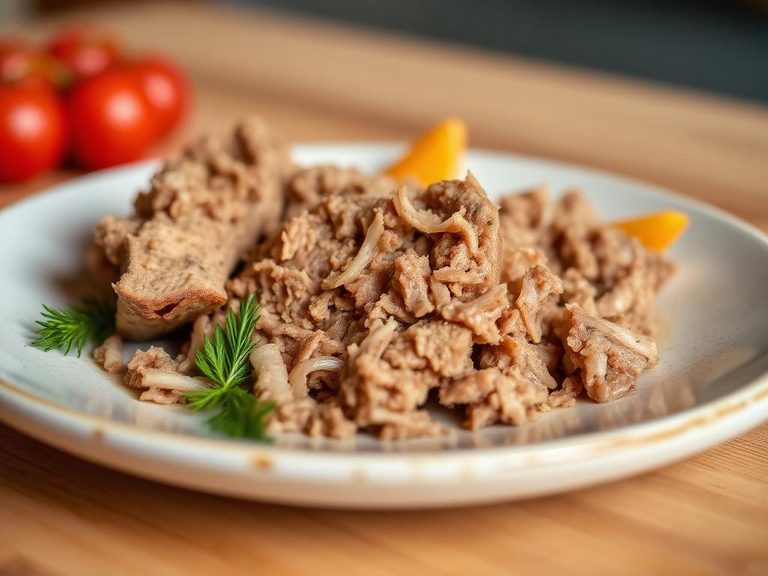
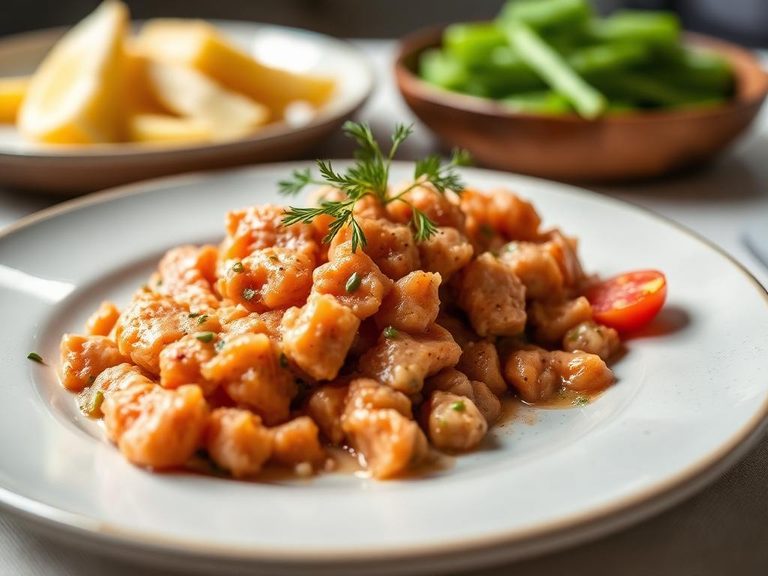
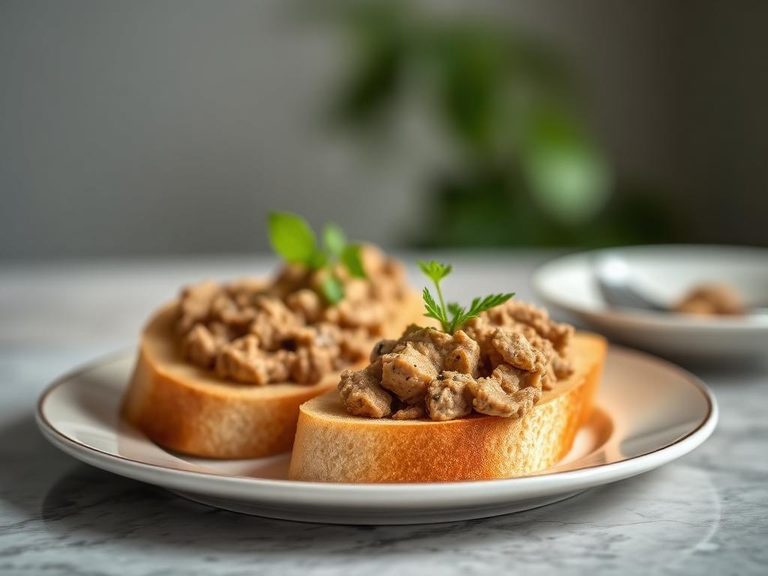
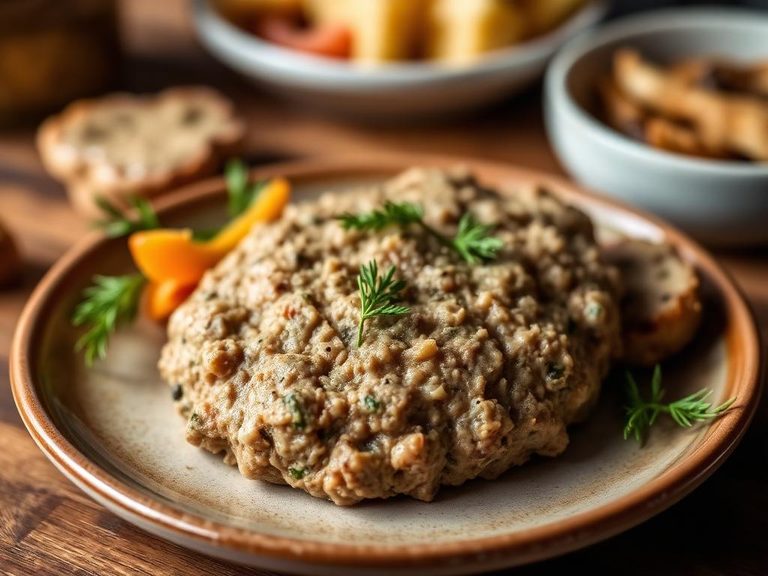
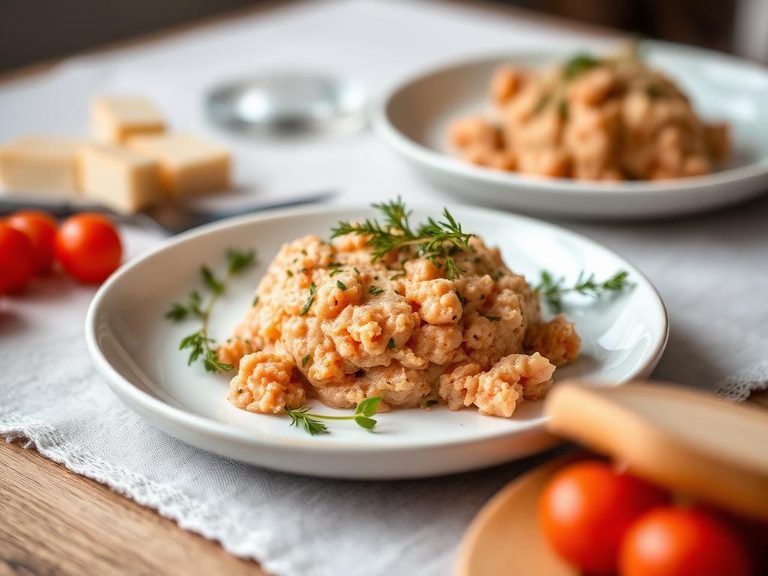
Rillettes is a traditional French spread made by slow-cooking meat (often pork, duck, or rabbit) in its own fat until it becomes tender enough to shred and mix back into the rendered fat, creating a rich, potted paste. It's typically seasoned with salt, pepper, and sometimes herbs or spices, then chilled until it sets. This rustic preparation originated in the Loire Valley and is a staple of French charcuterie.
🍳 View the full Rillettes recipe →
🍽️ Nutrition at a glance
Rillettes is very high in fat (due to the cooking method and added fat), moderate in protein, and contains virtually no carbohydrates. A typical 2-tablespoon serving provides around 100-150 calories, with key nutrients including protein from the meat and fat-soluble vitamins like A and D if made with duck or pork liver.
Nutrition breakdown
| Calories | 180 kcal |
| Protein | 4 g |
| Carbs | 0 g |
| Fat | 18 g |
| Fiber | 0 g |
| Sugar | 0 g |
| Sodium | 320 mg |
| Sodium | 320 mg |
| Potassium | 85 mg |
| Phosphorus | 55 mg |
| Zinc | 0.8 mg |
| Iron | 0.4 mg |
| Niacin (B3) | 1.2 mg |
| Vitamin B12 | 0.3 mcg |
| Selenium | 5 mcg |
Per 1/4 cup (56 g) · estimated, varies by recipe
💡 What's interesting
Culturally, rillettes is a prime example of historic food preservation techniques, as the layer of fat acts as a natural seal against spoilage. Nutritionally, while calorie-dense, it's a concentrated source of protein and energy, making it a traditional high-fat, low-carb option in French cuisine.
🍽️ Related dishes
AI estimate may be inaccurate · Terms