

Tomatoes, red, ripe, canned, packed in tomato juice, no salt added
Whole food · Vegetables and Vegetable Products
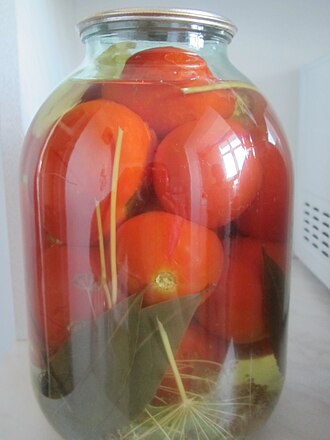
Photo: Wikipedia
These are whole or crushed red tomatoes, harvested at peak ripeness and preserved in their own juice without added salt. The texture is tender yet substantial, offering a bright, sweet-tart flavor that's more vibrant than fresh tomatoes out of season. Nutritionally, they are a low-calorie, fiber-rich source of the antioxidant lycopene.
Calorie split: 16% protein · 72% carbs · 12% fat
↓ Full nutrition💚 Why it's loved
People love them for delivering consistent, concentrated tomato flavor in any season, forming the essential base for countless sauces, stews, and soups. Their versatility and long shelf life make them a foundational ingredient in kitchens worldwide.
⚠️ Watch-outs & how to enjoy it better
The natural sugars can cause a modest blood sugar spike if consumed alone in large quantities; pairing with protein or fat (like beans or cheese) helps mitigate this. Some individuals sensitive to acidity may experience heartburn; using them in cooked dishes rather than raw can reduce this effect.
Key benefits
- Excellent source of lycopene, a potent antioxidant linked to heart health.
- Very low in calories (16 kcal per 100g) while providing dietary fiber.
- A convenient, year-round source of vitamins A and C.
- No added salt makes them a heart-healthy pantry staple.
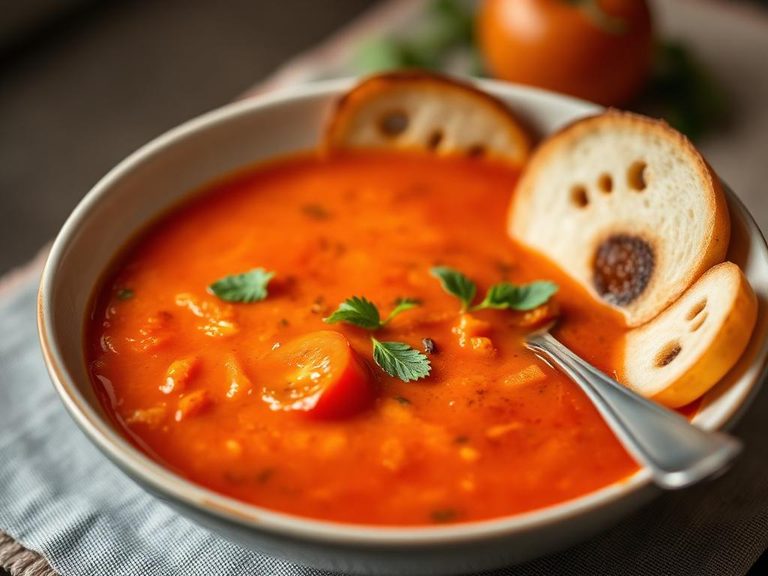
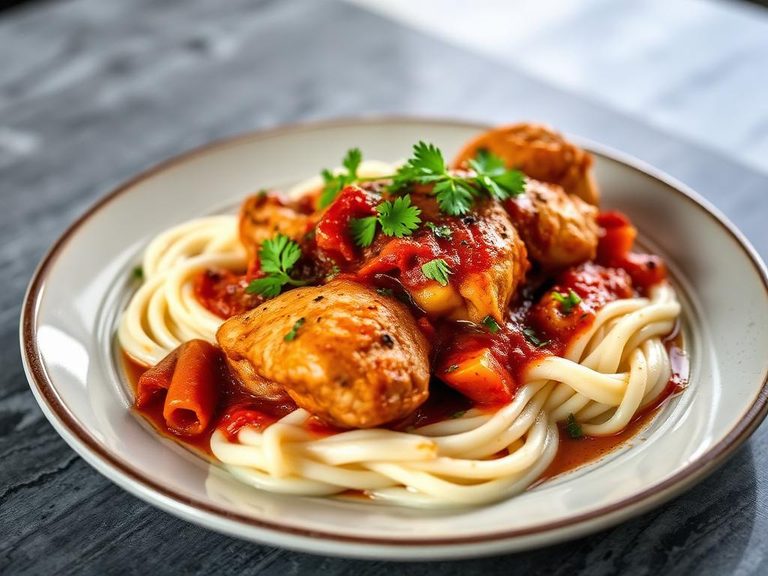
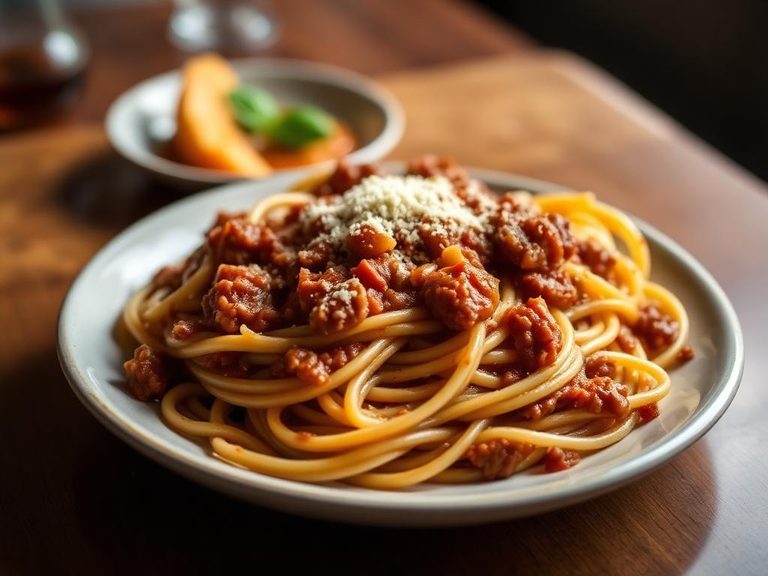
🍽️ Popular dishes
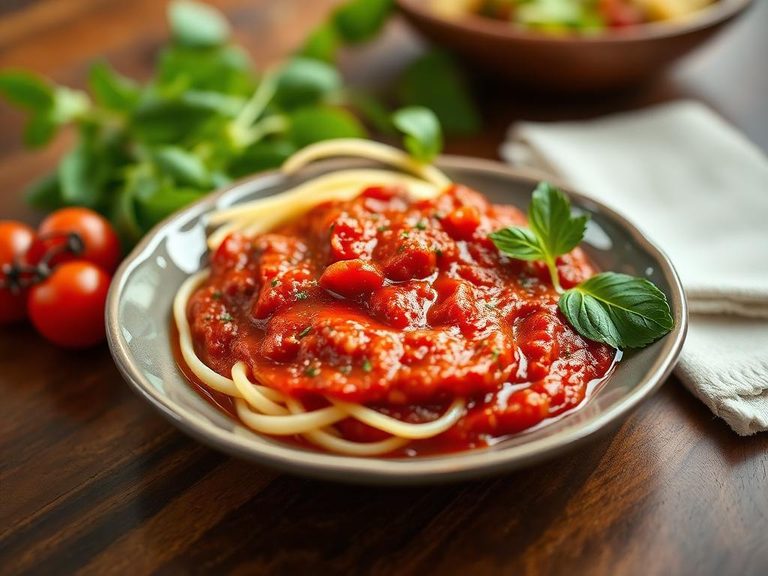
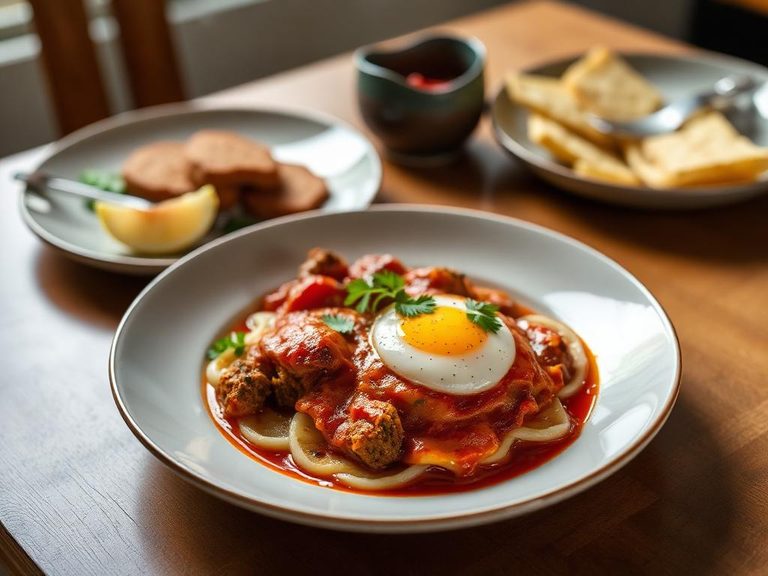
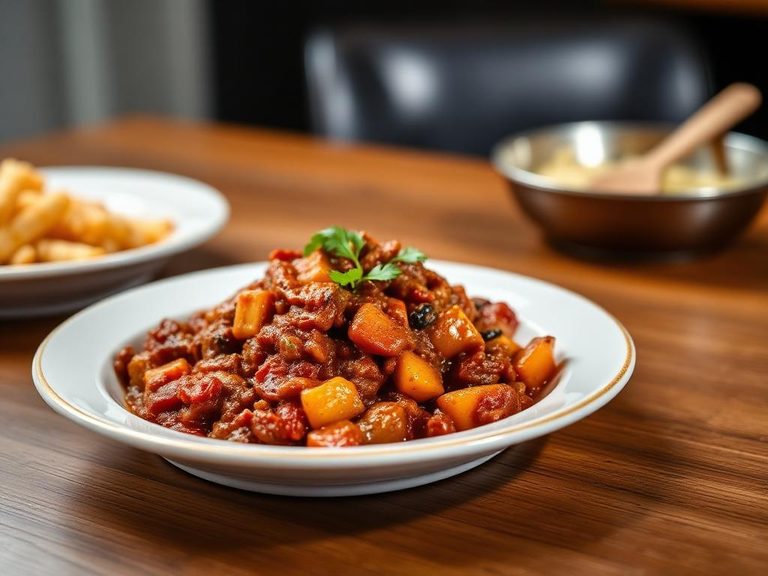
🌍 Where it's eaten
💡 Did you know?
The canning process actually increases the bioavailability of lycopene, making your body absorb more of this beneficial antioxidant from canned tomatoes than from many raw forms.
Full nutrition (USDA data · scales with serving)
| Water | 94.8 g |
| Energy | 16.0 kcal |
| Energy | 69.0 kj |
| Protein | 0.79 g |
| Total lipid (fat) | 0.25 g |
| Ash | 0.74 g |
| Carbohydrate, by difference | 3.5 g |
| Fiber, total dietary | 1.9 g |
| Total Sugars | 2.5 g |
| Sucrose | 0.00 g |
| Glucose | 1.2 g |
| Fructose | 1.3 g |
| Lactose | 0.00 g |
| Maltose | 0.00 g |
| Galactose | 0.00 g |
| Calcium, Ca | 33.0 mg |
| Iron, Fe | 0.57 mg |
| Magnesium, Mg | 10.0 mg |
| Phosphorus, P | 17.0 mg |
| Potassium, K | 191 mg |
| Sodium, Na | 10.0 mg |
| Zinc, Zn | 0.12 mg |
| Copper, Cu | 0.05 mg |
| Manganese, Mn | 0.07 mg |
| Selenium, Se | 0.70 ug |
| Fluoride, F | 5.1 ug |
| Vitamin C, total ascorbic acid | 12.6 mg |
| Thiamin | 0.57 mg |
| Riboflavin | 0.06 mg |
| Niacin | 0.71 mg |
| Pantothenic acid | 0.12 mg |
| Vitamin B-6 | 0.11 mg |
| Folate, total | 8.0 ug |
| Folic acid | 0.00 ug |
| Folate, food | 8.0 ug |
| Folate, DFE | 8.0 ug |
| Choline, total | 7.0 mg |
| Vitamin B-12 | 0.00 ug |
| Vitamin B-12, added | 0.00 ug |
| Vitamin A, RAE | 22.0 ug |
| Retinol | 0.00 ug |
| Carotene, beta | 265 ug |
| Carotene, alpha | 0.00 ug |
| Cryptoxanthin, beta | 0.00 ug |
| Vitamin A, IU | 441 iu |
| Lycopene | 2745 ug |
| Lutein + zeaxanthin | 85.0 ug |
| Vitamin E (alpha-tocopherol) | 0.59 mg |
| Vitamin E, added | 0.00 mg |
| Tocopherol, beta | 0.01 mg |
| Tocopherol, gamma | 0.06 mg |
| Tocopherol, delta | 0.00 mg |
| Tocotrienol, alpha | 0.00 mg |
| Tocotrienol, beta | 0.00 mg |
| Tocotrienol, gamma | 0.00 mg |
| Tocotrienol, delta | 0.00 mg |
| Vitamin D (D2 + D3), International Units | 0.00 iu |
| Vitamin D (D2 + D3) | 0.00 ug |
| Vitamin K (phylloquinone) | 2.9 ug |
| Alcohol, ethyl | 0.00 g |
| Caffeine | 0.00 mg |
| Theobromine | 0.00 mg |
Fat & fatty acid profile (per 100g)
| Fatty acids, total saturated | 0.03 g |
| SFA 4:0 | 0.00 g |
| SFA 6:0 | 0.00 g |
| SFA 8:0 | 0.00 g |
| SFA 10:0 | 0.00 g |
| SFA 12:0 | 0.00 g |
| SFA 14:0 | 0.00 g |
| SFA 16:0 | 0.03 g |
| SFA 18:0 | 0.01 g |
| Fatty acids, total monounsaturated | 0.04 g |
| MUFA 16:1 | 0.00 g |
| MUFA 18:1 | 0.04 g |
| MUFA 20:1 | 0.00 g |
| MUFA 22:1 | 0.00 g |
| Fatty acids, total polyunsaturated | 0.10 g |
| PUFA 18:2 | 0.10 g |
| PUFA 18:3 | 0.00 g |
| PUFA 18:4 | 0.00 g |
| PUFA 20:4 | 0.00 g |
| PUFA 20:5 n-3 (EPA) | 0.00 g |
| PUFA 22:5 n-3 (DPA) | 0.00 g |
| PUFA 22:6 n-3 (DHA) | 0.00 g |
| Fatty acids, total trans | 0.00 g |
| Cholesterol | 0.00 mg |
Amino acid profile (per 100g)
| Tryptophan | 0.01 g |
| Threonine | 0.04 g |
| Isoleucine | 0.02 g |
| Leucine | 0.03 g |
| Lysine | 0.03 g |
| Methionine | 0.01 g |
| Cystine | 0.01 g |
| Phenylalanine | 0.03 g |
| Tyrosine | 0.02 g |
| Valine | 0.02 g |
| Arginine | 0.02 g |
| Histidine | 0.01 g |
| Alanine | 0.03 g |
| Aspartic acid | 0.15 g |
| Glutamic acid | 0.45 g |
| Glycine | 0.02 g |
| Proline | 0.01 g |
| Serine | 0.02 g |
FAQ
Are canned tomatoes as nutritious as fresh?
Yes, often more so for certain nutrients. The canning process breaks down cell walls, making lycopene more absorbable. They are picked and processed at peak ripeness, preserving vitamins better than fresh tomatoes that travel long distances.
Why choose 'no salt added'?
It gives you complete control over sodium intake, which is crucial for managing blood pressure. You can season to your own taste, and the natural flavor of the tomato shines through more clearly.
What's the difference between 'packed in juice' and 'packed in purée'?
Packed in juice means the tomatoes are in their own thin, watery liquid, offering a brighter, more acidic flavor. Packed in purée means they are in a thicker, pre-cooked tomato sauce, which adds more body and a cooked flavor from the start.
Nutrient density (calculated · NRF9.3)
Nutrient Rich Foods index: beneficial nutrients (protein, fiber, vitamins, minerals) minus saturated fat, added sugar & sodium, per 100 kcal.
NRF9.3 index — Fulgoni, Keast & Drewnowski, 2009. Computed from USDA nutrients.
Weight-loss friendliness (composite index)
Energy density 0.16 kcal/g · 20% calories from protein · 1.9 g fiber · 2.5 g sugar per 100 g.
Composite of energy density (Rolls et al., 1999), protein & fiber satiety, minus sugar. A calculated heuristic — ranks satiety-per-calorie, not a clinical measure.
Dietary load (calculated from USDA values)
Potential renal acid load. Positive = acid-forming, negative = alkaline-forming.
Sodium-to-potassium ratio: 0.05 (lower is better — aim for ≤ 1)
Sodium:potassium per WHO potassium guidance. Computed from USDA nutrients.