

Pork, fresh, variety meats and by-products, feet, raw
Whole food · Pork Products

Photo: Wikipedia
Pork feet, or trotters, are gelatin-rich cuts prized for their unique, sticky texture that transforms into a luscious, collagen-packed broth when simmered. They are a lean protein source with a satisfying, unctuous mouthfeel, devoid of carbohydrates and offering a moderate fat content. Their nutritional highlight is their exceptional collagen content, which is key for joint and skin health.
Calorie split: 45% protein · 0% carbs · 55% fat
↓ Full nutrition💚 Why it's loved
People love pork feet for their ability to create incredibly rich, flavorful stocks and broths that form the soul of many comfort dishes. Their cultural significance in celebratory feasts and traditional remedies makes them a beloved ingredient in many cuisines.
⚠️ Watch-outs & how to enjoy it better
The high collagen and fat content can make them heavy for some digestive systems, and they are often prepared with high sodium. To counteract this, pair with fiber-rich vegetables like daikon or leafy greens, and opt for low-sodium broths or rinse after initial boiling.
Key benefits
- Excellent source of collagen for joint and skin support
- High in protein with zero carbohydrates
- Rich in minerals like iron, zinc, and selenium
- Contains glycine, an amino acid important for gut health
- Provides a satisfying, low-carb meal option
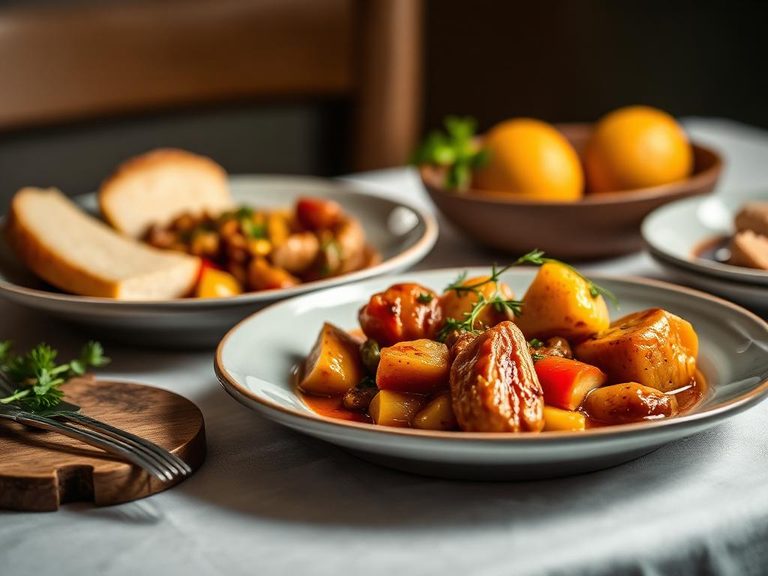
🍽️ Popular dishes
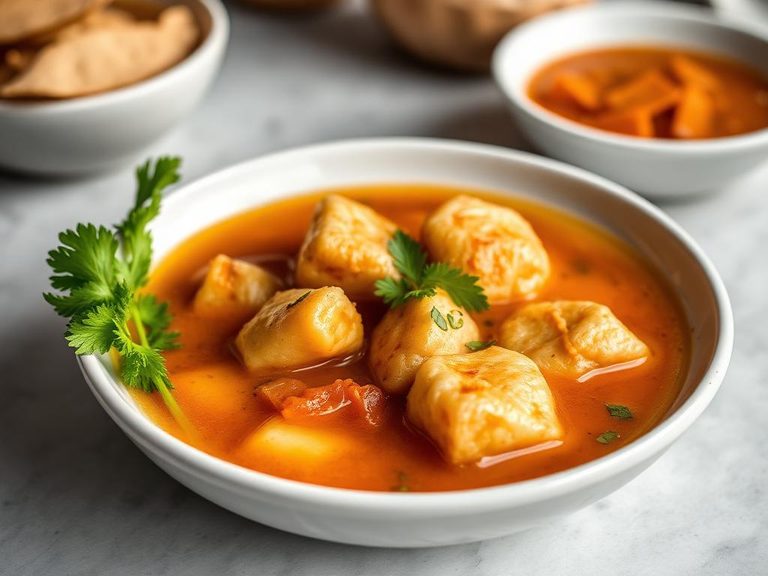
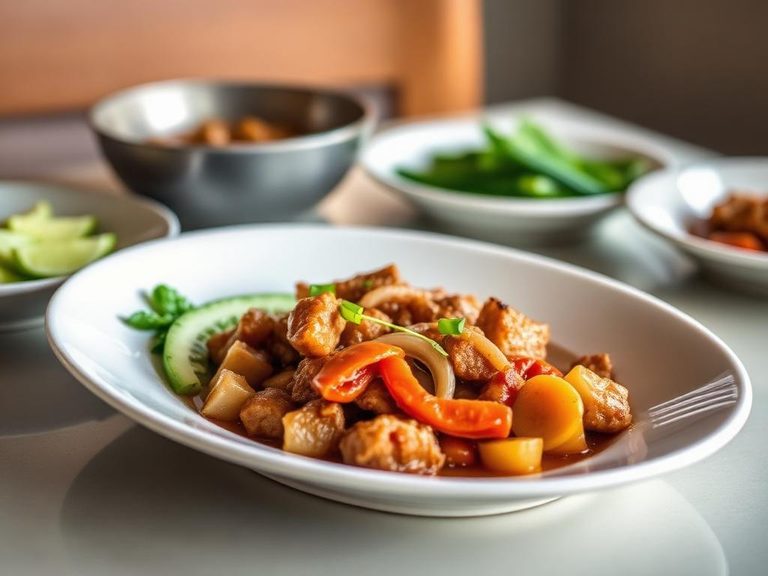
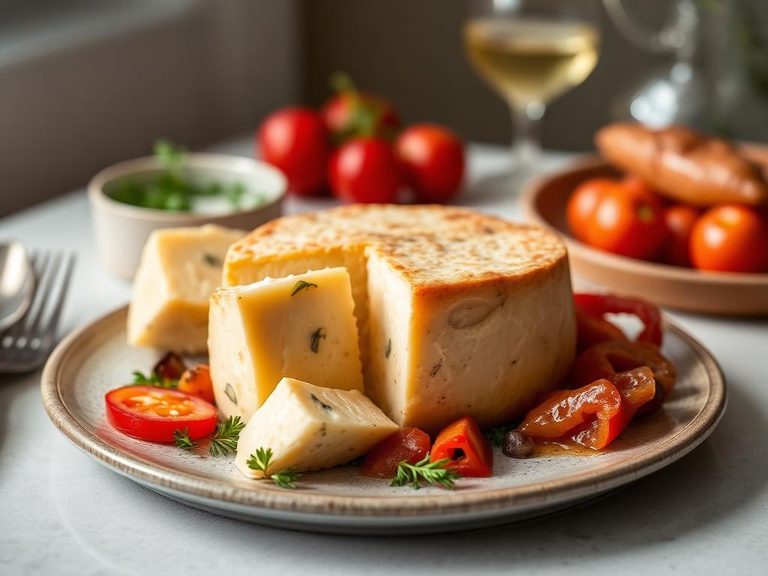
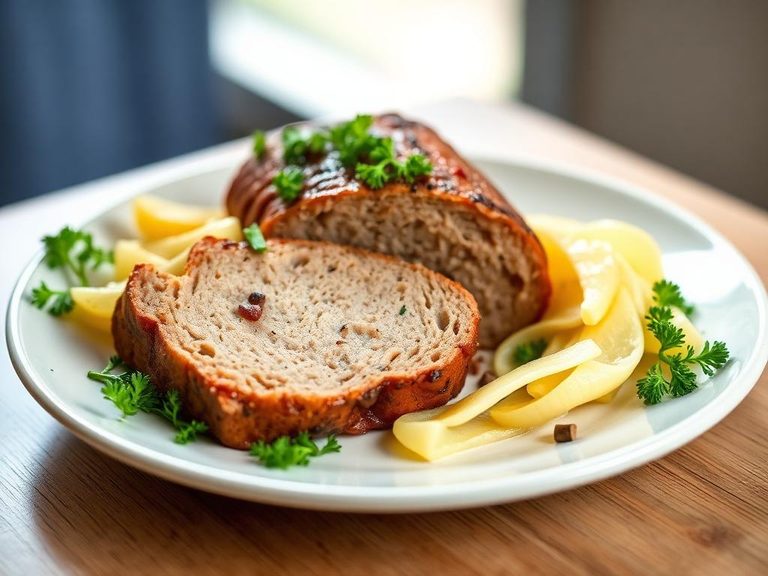

🌍 Where it's eaten
💡 Did you know?
The gelatin from pork feet is a key ingredient in traditional clarifying agents used to make crystal-clear consommé.
Full nutrition (USDA data · scales with serving)
| Water | 65.0 g |
| Energy | 212 kcal |
| Energy | 889 kj |
| Protein | 23.2 g |
| Total lipid (fat) | 12.6 g |
| Ash | 0.68 g |
| Carbohydrate, by difference | 0.00 g |
| Fiber, total dietary | 0.00 g |
| Total Sugars | 0.00 g |
| Calcium, Ca | 70.0 mg |
| Iron, Fe | 0.58 mg |
| Magnesium, Mg | 6.0 mg |
| Phosphorus, P | 75.0 mg |
| Potassium, K | 63.0 mg |
| Sodium, Na | 132 mg |
| Zinc, Zn | 0.76 mg |
| Copper, Cu | 0.07 mg |
| Manganese, Mn | 0.00 mg |
| Selenium, Se | 23.3 ug |
| Vitamin C, total ascorbic acid | 0.00 mg |
| Thiamin | 0.03 mg |
| Riboflavin | 0.11 mg |
| Niacin | 1.1 mg |
| Pantothenic acid | 0.30 mg |
| Vitamin B-6 | 0.05 mg |
| Folate, total | 10.0 ug |
| Folic acid | 0.00 ug |
| Folate, food | 10.0 ug |
| Folate, DFE | 10.0 ug |
| Vitamin B-12 | 0.52 ug |
| Vitamin B-12, added | 0.00 ug |
| Vitamin A, RAE | 0.00 ug |
| Retinol | 0.00 ug |
| Carotene, beta | 0.00 ug |
| Carotene, alpha | 0.00 ug |
| Cryptoxanthin, beta | 0.00 ug |
| Vitamin A, IU | 0.00 iu |
| Lycopene | 0.00 ug |
| Lutein + zeaxanthin | 0.00 ug |
| Vitamin E (alpha-tocopherol) | 0.02 mg |
| Vitamin E, added | 0.00 mg |
| Tocopherol, beta | 0.00 mg |
| Tocopherol, gamma | 0.00 mg |
| Tocopherol, delta | 0.00 mg |
| Tocotrienol, alpha | 0.00 mg |
| Tocotrienol, beta | 0.00 mg |
| Tocotrienol, gamma | 0.00 mg |
| Tocotrienol, delta | 0.00 mg |
| Vitamin K (phylloquinone) | 0.00 ug |
| Alcohol, ethyl | 0.00 g |
| Caffeine | 0.00 mg |
| Theobromine | 0.00 mg |
Fat & fatty acid profile (per 100g)
| Fatty acids, total saturated | 3.6 g |
| SFA 4:0 | 0.00 g |
| SFA 6:0 | 0.00 g |
| SFA 8:0 | 0.00 g |
| SFA 10:0 | 0.01 g |
| SFA 12:0 | 0.00 g |
| SFA 14:0 | 0.15 g |
| SFA 15:0 | 0.00 g |
| SFA 16:0 | 2.5 g |
| SFA 17:0 | 0.02 g |
| SFA 18:0 | 0.91 g |
| SFA 20:0 | 0.01 g |
| SFA 22:0 | 0.00 g |
| Fatty acids, total monounsaturated | 6.3 g |
| MUFA 14:1 | 0.00 g |
| MUFA 15:1 | 0.00 g |
| MUFA 16:1 | 0.49 g |
| MUFA 18:1 | 5.7 g |
| MUFA 20:1 | 0.11 g |
| MUFA 22:1 | 0.00 g |
| Fatty acids, total polyunsaturated | 1.1 g |
| PUFA 18:2 | 0.93 g |
| PUFA 18:3 | 0.04 g |
| PUFA 18:3 n-3 c,c,c (ALA) | 0.04 g |
| PUFA 18:3 n-6 c,c,c | 0.00 g |
| PUFA 18:4 | 0.00 g |
| PUFA 20:2 n-6 c,c | 0.05 g |
| PUFA 20:3 | 0.01 g |
| PUFA 20:4 | 0.05 g |
| PUFA 20:5 n-3 (EPA) | 0.00 g |
| PUFA 22:5 n-3 (DPA) | 0.00 g |
| PUFA 22:6 n-3 (DHA) | 0.00 g |
| Fatty acids, total trans | 0.00 g |
| Cholesterol | 88.0 mg |
Amino acid profile (per 100g)
Estimated from Pork, cured, salt pork, raw — USDA does not publish this profile for Pork.
| Tryptophan | 0.02 g |
| Threonine | 0.17 g |
| Isoleucine | 0.13 g |
| Leucine | 0.35 g |
| Lysine | 0.42 g |
| Methionine | 0.07 g |
| Cystine | 0.04 g |
| Phenylalanine | 0.19 g |
| Tyrosine | 0.08 g |
| Valine | 0.24 g |
| Arginine | 0.52 g |
| Histidine | 0.06 g |
| Alanine | 0.28 g |
| Aspartic acid | 0.42 g |
| Glutamic acid | 0.69 g |
| Glycine | 0.36 g |
| Proline | 0.27 g |
| Serine | 0.19 g |
FAQ
How do I prepare pork feet to remove any gamey smell?
Blanch them first in boiling water with ginger, scallions, and a splash of rice wine or vinegar, then discard the water and rinse the feet before your main cooking process.
Are pork feet high in cholesterol?
They contain a moderate amount of cholesterol, similar to other meats. The primary nutritional benefit is collagen, not cholesterol, and they are part of a balanced diet for most people.
What's the best way to eat them?
The meat and skin are typically eaten after slow cooking until very tender. The bones are usually discarded after they have given up their flavor and gelatin to the broth.
Nutrient density (calculated · NRF9.3)
Nutrient Rich Foods index: beneficial nutrients (protein, fiber, vitamins, minerals) minus saturated fat, added sugar & sodium, per 100 kcal.
NRF9.3 index — Fulgoni, Keast & Drewnowski, 2009. Computed from USDA nutrients.
Weight-loss friendliness (composite index)
Energy density 2.12 kcal/g · 44% calories from protein · 0.0 g fiber · 0.0 g sugar per 100 g.
Composite of energy density (Rolls et al., 1999), protein & fiber satiety, minus sugar. A calculated heuristic — ranks satiety-per-calorie, not a clinical measure.
Dietary load (calculated from USDA values)
Potential renal acid load. Positive = acid-forming, negative = alkaline-forming.
Sodium-to-potassium ratio: 2.10 (lower is better — aim for ≤ 1)
Sodium:potassium per WHO potassium guidance. Computed from USDA nutrients.