

Lamb, New Zealand, imported, testes, raw
Whole food · Lamb, Veal, and Game Products
New Zealand lamb testes are a prized offal delicacy, known for a mild, slightly sweet flavor and a uniquely tender, creamy texture when prepared correctly. Nutritionally, they are a powerhouse of lean protein with virtually no carbohydrates or sugar, making them a focused source of high-quality animal protein.
Calorie split: 67% protein · 1% carbs · 32% fat
↓ Full nutrition💚 Why it's loved
They are beloved by adventurous eaters and offal connoisseurs for their delicate, non-gamey flavor and luxurious, melt-in-the-mouth texture when properly cooked. In many cultures, they are also valued as a traditional food with symbolic or restorative connotations.
⚠️ Watch-outs & how to enjoy it better
The primary downside is the psychological barrier or unfamiliarity for many consumers, and the texture can be unappealing if overcooked. To counteract this, ensure they are sourced fresh from a reputable supplier and cooked quickly with high heat (like grilling or frying) to preserve tenderness; marinating in acidic or enzymatic ingredients (like yogurt or citrus) can also improve texture.
Key benefits
- Exceptionally high in complete protein per calorie
- Very low in carbohydrates and sugars
- Contains essential minerals like zinc and selenium
- A traditional source of nutrients in pastoral cultures
🍽️ Popular dishes
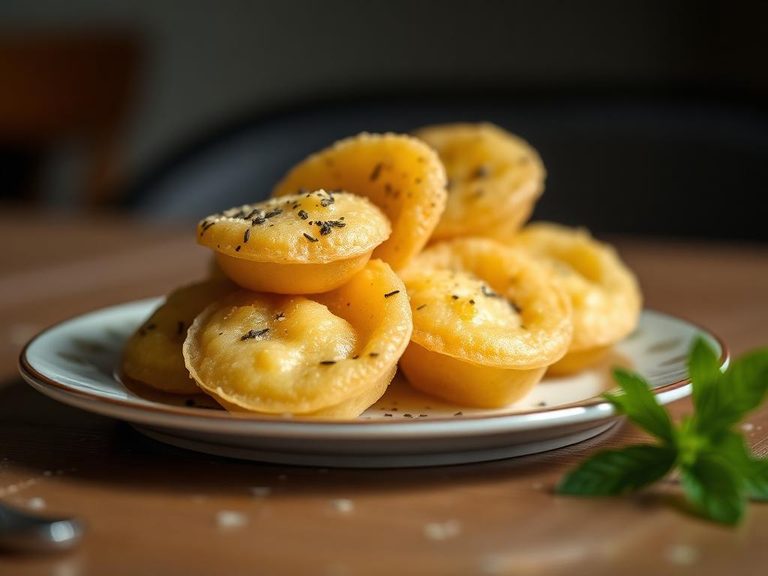
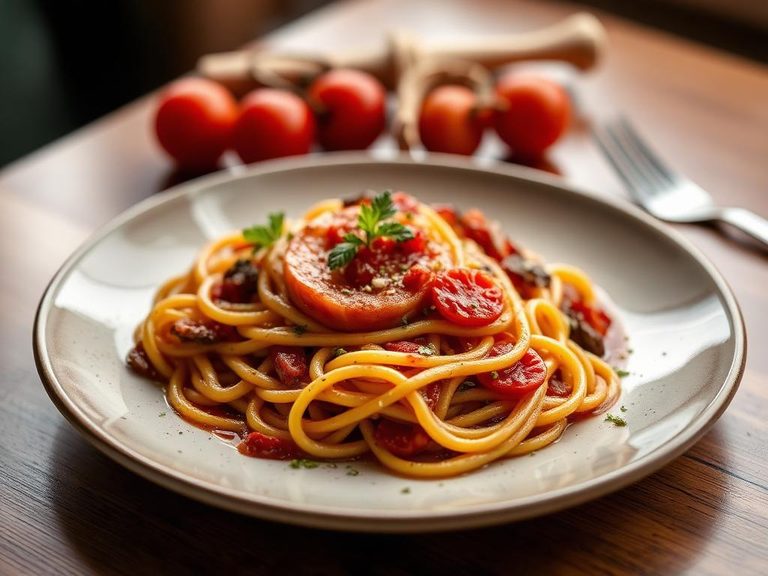
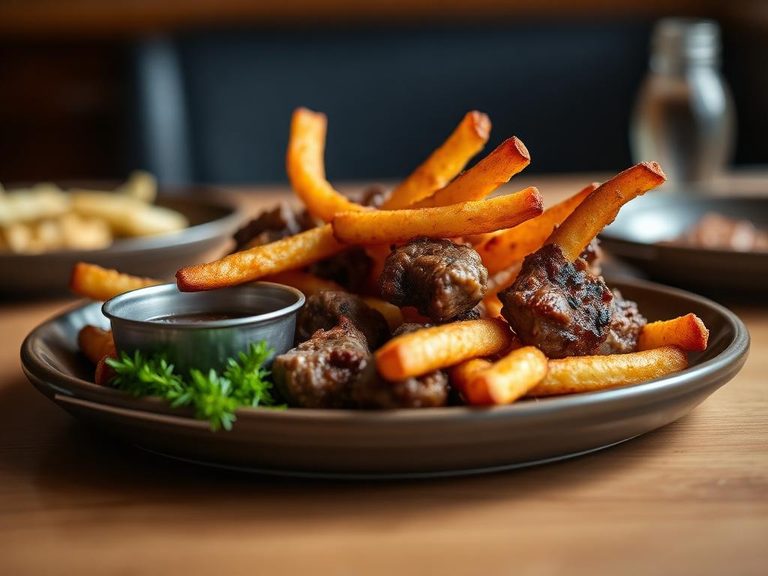
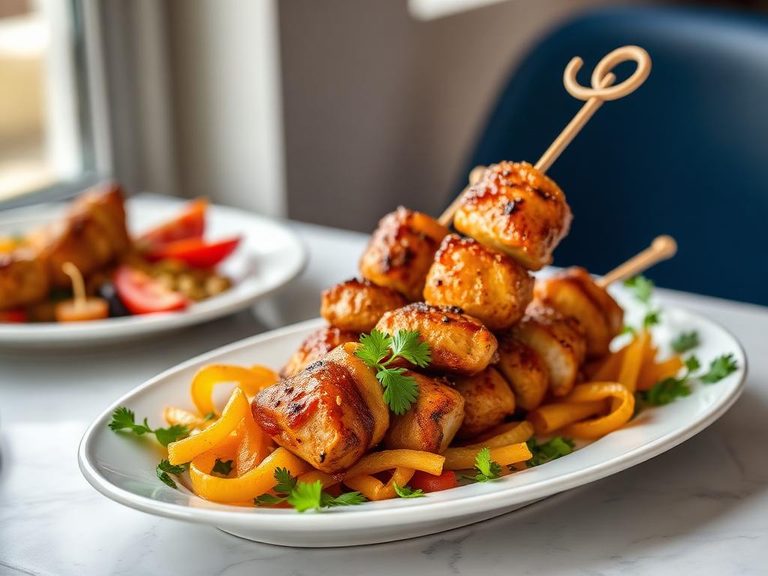
🌍 Where it's eaten
💡 Did you know?
In some traditional butchery, the specific term for lamb testes is 'lamb fries' or 'criadillas,' and they were historically given to young men before weddings as a supposed vigor tonic.
Full nutrition (USDA data · scales with serving)
| Water | 85.0 g |
| Energy | 68.0 kcal |
| Energy | 283 kj |
| Protein | 11.4 g |
| Total lipid (fat) | 2.4 g |
| Ash | 1.1 g |
| Carbohydrate, by difference | 0.14 g |
| Fiber, total dietary | 0.00 g |
| Total Sugars | 0.00 g |
| Calcium, Ca | 5.0 mg |
| Iron, Fe | 1.1 mg |
| Magnesium, Mg | 11.0 mg |
| Phosphorus, P | 179 mg |
| Potassium, K | 265 mg |
| Sodium, Na | 119 mg |
| Zinc, Zn | 1.1 mg |
| Copper, Cu | 0.09 mg |
| Manganese, Mn | 0.03 mg |
| Selenium, Se | 26.2 ug |
| Vitamin C, total ascorbic acid | 0.00 mg |
| Thiamin | 0.32 mg |
| Riboflavin | 0.21 mg |
| Niacin | 1.7 mg |
| Pantothenic acid | 0.87 mg |
| Vitamin B-6 | 0.03 mg |
| Vitamin B-12 | 9.9 ug |
| Vitamin A, RAE | 10.0 ug |
| Retinol | 10.0 ug |
| Carotene, beta | 0.00 ug |
| Carotene, alpha | 0.00 ug |
| Cryptoxanthin, beta | 0.00 ug |
| Vitamin A, IU | 34.0 iu |
| Lycopene | 0.00 ug |
| Lutein + zeaxanthin | 0.00 ug |
| Vitamin E (alpha-tocopherol) | 0.31 mg |
| Vitamin D (D2 + D3), International Units | 0.00 iu |
| Vitamin D (D2 + D3) | 0.00 ug |
| Vitamin D3 (cholecalciferol) | 0.00 ug |
| Alcohol, ethyl | 0.00 g |
| Caffeine | 0.00 mg |
| Theobromine | 0.00 mg |
Fat & fatty acid profile (per 100g)
| Fatty acids, total saturated | 0.79 g |
| SFA 4:0 | 0.00 g |
| SFA 6:0 | 0.01 g |
| SFA 8:0 | 0.00 g |
| SFA 10:0 | 0.00 g |
| SFA 12:0 | 0.00 g |
| SFA 14:0 | 0.02 g |
| SFA 16:0 | 0.57 g |
| SFA 17:0 | 0.01 g |
| SFA 18:0 | 0.15 g |
| SFA 20:0 | 0.00 g |
| SFA 22:0 | 0.01 g |
| SFA 24:0 | 0.01 g |
| Fatty acids, total monounsaturated | 0.36 g |
| MUFA 14:1 | 0.00 g |
| MUFA 15:1 | 0.00 g |
| MUFA 16:1 | 0.02 g |
| MUFA 16:1 c | 0.01 g |
| MUFA 17:1 | 0.00 g |
| MUFA 18:1 | 0.32 g |
| MUFA 18:1 c | 0.31 g |
| MUFA 20:1 | 0.01 g |
| MUFA 22:1 | 0.00 g |
| MUFA 22:1 c | 0.00 g |
| MUFA 24:1 c | 0.01 g |
| Fatty acids, total polyunsaturated | 0.35 g |
| PUFA 18:2 | 0.03 g |
| PUFA 18:2 n-6 c,c | 0.02 g |
| PUFA 18:2 CLAs | 0.01 g |
| PUFA 18:3 | 0.00 g |
| PUFA 18:3 n-3 c,c,c (ALA) | 0.00 g |
| PUFA 18:3 n-6 c,c,c | 0.00 g |
| PUFA 18:4 | 0.00 g |
| PUFA 20:2 n-6 c,c | 0.00 g |
| PUFA 20:3 | 0.04 g |
| PUFA 20:3 n-3 | 0.00 g |
| PUFA 20:3 n-6 | 0.04 g |
| PUFA 20:4 | 0.07 g |
| PUFA 20:4 n-6 | 0.07 g |
| PUFA 20:5 n-3 (EPA) | 0.01 g |
| PUFA 22:5 n-3 (DPA) | 0.01 g |
| PUFA 22:6 n-3 (DHA) | 0.18 g |
| Fatty acids, total trans | 0.03 g |
| Fatty acids, total trans-monoenoic | 0.03 g |
| TFA 16:1 t | 0.01 g |
| TFA 18:1 t | 0.02 g |
| TFA 18:2 t,t | 0.00 g |
| Fatty acids, total trans-polyenoic | 0.00 g |
| Cholesterol | 393 mg |
Amino acid profile (per 100g)
| Tryptophan | 0.13 g |
| Threonine | 0.54 g |
| Isoleucine | 0.51 g |
| Leucine | 0.88 g |
| Lysine | 0.99 g |
| Methionine | 0.37 g |
| Cystine | 0.15 g |
| Phenylalanine | 0.45 g |
| Tyrosine | 0.40 g |
| Valine | 0.58 g |
| Arginine | 0.77 g |
| Histidine | 0.24 g |
| Alanine | 0.57 g |
| Glutamic acid | 1.6 g |
| Glycine | 0.49 g |
| Proline | 0.36 g |
| Serine | 0.39 g |
FAQ
How do you prepare lamb testes to remove any strong flavor?
Soaking them in milk or buttermilk for several hours before cooking is a classic technique to mellow any strong flavor and tenderize the texture. A quick blanch in salted water or vinegar solution before the main cooking method also helps.
Are they a common allergen?
While not a top allergen, they are animal offal and contain proteins that could trigger reactions in individuals with rare meat allergies. They are also high in purines, so those with gout should consume them in moderation.
What's the best cooking method?
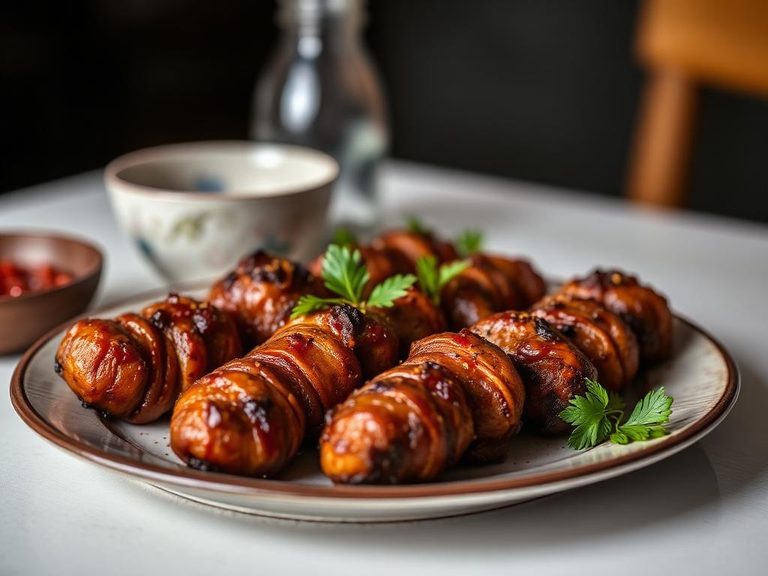
Quick, high-heat methods like grilling, pan-frying, or deep-frying are ideal. Overcooking makes them tough and rubbery. They are often breaded and fried or grilled on skewers with vegetables.
Nutrient density (calculated · NRF9.3)
Nutrient Rich Foods index: beneficial nutrients (protein, fiber, vitamins, minerals) minus saturated fat, added sugar & sodium, per 100 kcal.
NRF9.3 index — Fulgoni, Keast & Drewnowski, 2009. Computed from USDA nutrients.
Weight-loss friendliness (composite index)
Energy density 0.68 kcal/g · 67% calories from protein · 0.0 g fiber · 0.0 g sugar per 100 g.
Composite of energy density (Rolls et al., 1999), protein & fiber satiety, minus sugar. A calculated heuristic — ranks satiety-per-calorie, not a clinical measure.
Dietary load (calculated from USDA values)
Potential renal acid load. Positive = acid-forming, negative = alkaline-forming.
Sodium-to-potassium ratio: 0.45 (lower is better — aim for ≤ 1)
Sodium:potassium per WHO potassium guidance. Computed from USDA nutrients.