

Lamb, New Zealand, imported, tenderloin, separable lean and fat, raw
Whole food · Lamb, Veal, and Game Products

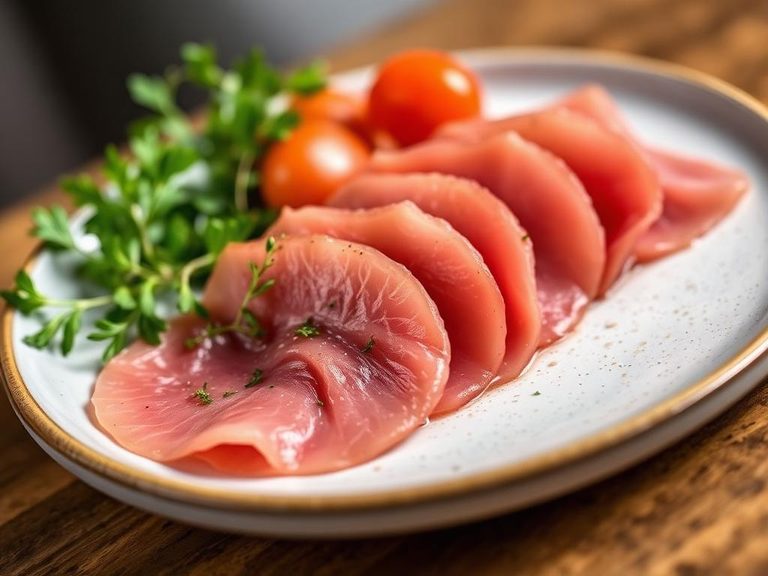
Photo: Wikipedia
New Zealand lamb tenderloin is a premium, lean cut prized for its exceptionally tender, fine-grained texture and delicate, subtly sweet flavor. As a separable lean and fat portion, it offers a clean, mild taste without the strong gaminess found in some other lamb cuts. Nutritionally, it is a powerhouse of high-quality protein with minimal carbohydrates and a modest amount of healthy fat.
Calorie split: 68% protein · 0% carbs · 32% fat
↓ Full nutrition💚 Why it's loved
People adore lamb tenderloin for its buttery tenderness and refined, non-gamey flavor that makes it an approachable entry point into lamb. Its versatility allows it to shine in everything from quick-seared medallions to elegant roasts, making it a favorite for both weeknight meals and special occasions.
⚠️ Watch-outs & how to enjoy it better
While lean, the separable fat portion can still contribute to saturated fat intake, so those monitoring heart health should practice portion control. The primary caution is for individuals with specific red meat sensitivities or those on strict low-fat diets. To counteract, trim visible fat before cooking and pair it with fiber-rich vegetables like roasted asparagus or a lentil salad to balance the meal.
Key benefits
- Excellent source of complete, high-quality protein for muscle maintenance.
- Very low in carbohydrates and naturally sugar-free.
- Provides essential nutrients like iron, zinc, and B vitamins (especially B12).
- Leaner than many other red meat cuts, supporting a balanced diet.
🍽️ Popular dishes
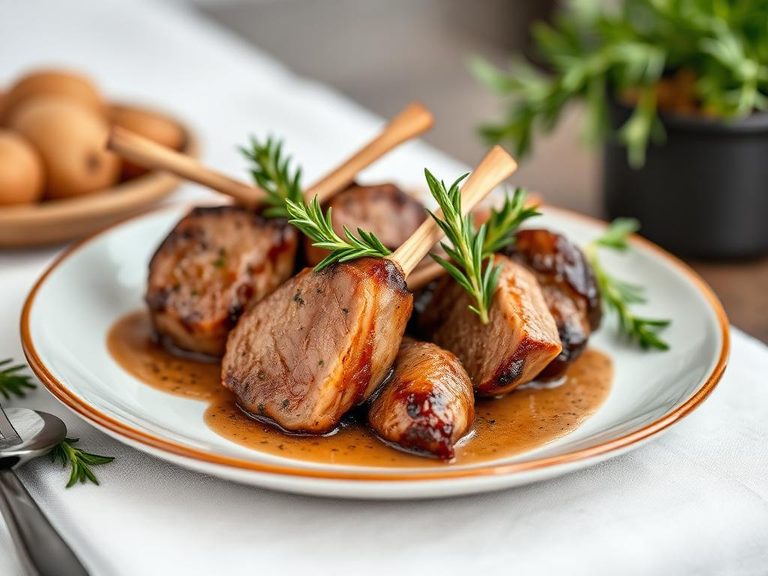
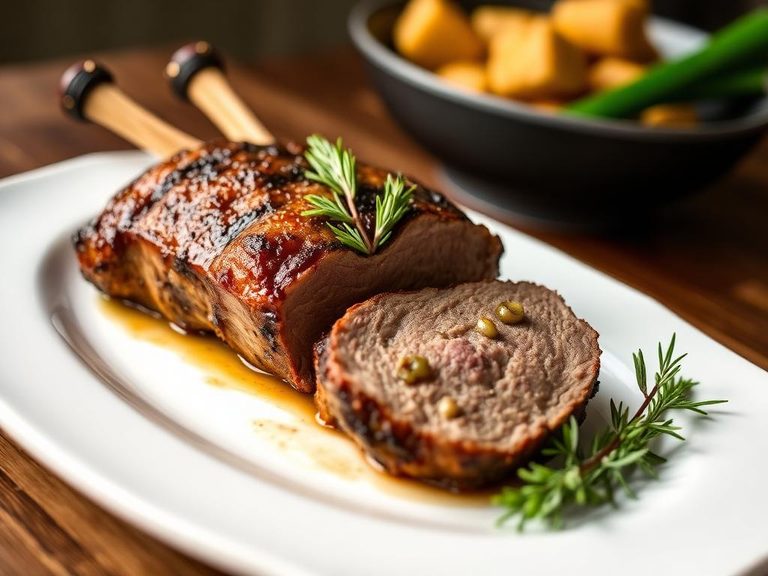
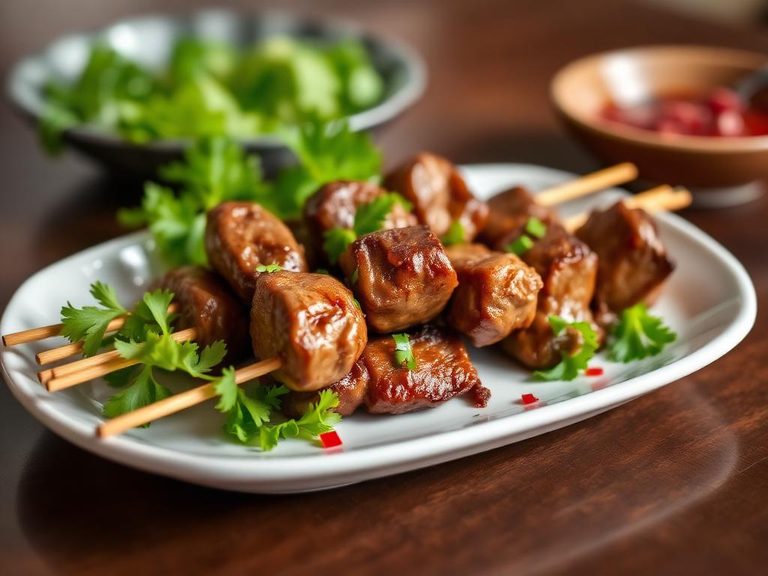
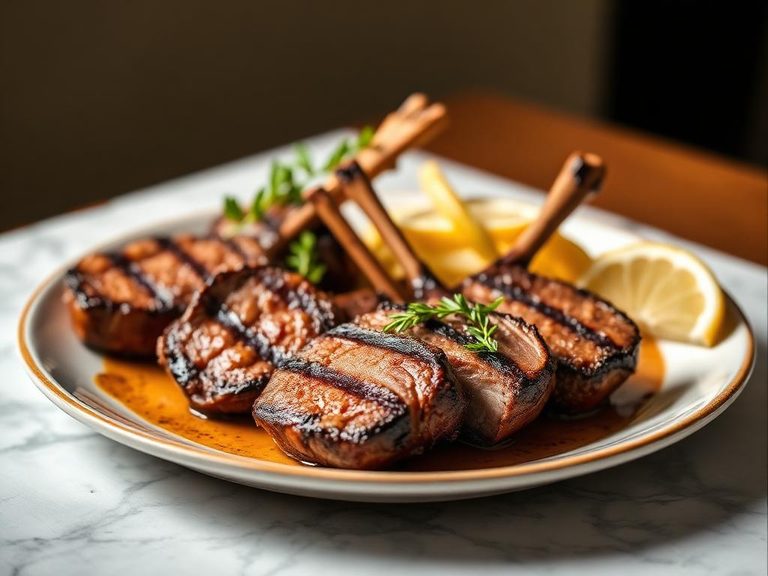
🌍 Where it's eaten
💡 Did you know?
Lamb tenderloin is the most tender muscle on the entire animal, located along the spine, and it cooks so quickly it can be served perfectly pink in just a few minutes per side.
Full nutrition (USDA data · scales with serving)
| Water | 74.0 g |
| Energy | 120 kcal |
| Energy | 501 kj |
| Protein | 20.4 g |
| Total lipid (fat) | 4.2 g |
| Ash | 1.3 g |
| Carbohydrate, by difference | 0.01 g |
| Fiber, total dietary | 0.00 g |
| Total Sugars | 0.00 g |
| Calcium, Ca | 4.0 mg |
| Iron, Fe | 1.6 mg |
| Magnesium, Mg | 26.0 mg |
| Phosphorus, P | 221 mg |
| Potassium, K | 379 mg |
| Sodium, Na | 49.0 mg |
| Zinc, Zn | 2.1 mg |
| Copper, Cu | 0.14 mg |
| Manganese, Mn | 0.01 mg |
| Selenium, Se | 5.0 ug |
| Vitamin C, total ascorbic acid | 0.00 mg |
| Thiamin | 0.07 mg |
| Riboflavin | 0.21 mg |
| Niacin | 7.3 mg |
| Pantothenic acid | 0.86 mg |
| Vitamin B-6 | 0.25 mg |
| Vitamin B-12 | 1.9 ug |
| Vitamin A, RAE | 2.0 ug |
| Retinol | 2.0 ug |
| Carotene, beta | 0.00 ug |
| Carotene, alpha | 0.00 ug |
| Cryptoxanthin, beta | 0.00 ug |
| Vitamin A, IU | 6.0 iu |
| Lycopene | 0.00 ug |
| Lutein + zeaxanthin | 0.00 ug |
| Vitamin E (alpha-tocopherol) | 0.41 mg |
| Vitamin D (D2 + D3), International Units | 1.0 iu |
| Vitamin D (D2 + D3) | 0.00 ug |
| Vitamin D3 (cholecalciferol) | 0.00 ug |
| Alcohol, ethyl | 0.00 g |
| Caffeine | 0.00 mg |
| Theobromine | 0.00 mg |
Fat & fatty acid profile (per 100g)
| Fatty acids, total saturated | 2.1 g |
| SFA 4:0 | 0.00 g |
| SFA 6:0 | 0.00 g |
| SFA 8:0 | 0.00 g |
| SFA 10:0 | 0.01 g |
| SFA 12:0 | 0.01 g |
| SFA 14:0 | 0.10 g |
| SFA 16:0 | 0.91 g |
| SFA 17:0 | 0.09 g |
| SFA 18:0 | 0.97 g |
| SFA 20:0 | 0.01 g |
| SFA 22:0 | 0.02 g |
| SFA 24:0 | 0.00 g |
| Fatty acids, total monounsaturated | 1.6 g |
| MUFA 14:1 | 0.01 g |
| MUFA 15:1 | 0.00 g |
| MUFA 16:1 | 0.05 g |
| MUFA 16:1 c | 0.04 g |
| MUFA 17:1 | 0.00 g |
| MUFA 18:1 | 1.6 g |
| MUFA 18:1 c | 1.4 g |
| MUFA 20:1 | 0.00 g |
| MUFA 22:1 | 0.00 g |
| MUFA 22:1 c | 0.00 g |
| MUFA 24:1 c | 0.00 g |
| Fatty acids, total polyunsaturated | 0.48 g |
| PUFA 18:2 | 0.22 g |
| PUFA 18:2 n-6 c,c | 0.18 g |
| PUFA 18:2 CLAs | 0.04 g |
| PUFA 18:3 | 0.12 g |
| PUFA 18:3 n-3 c,c,c (ALA) | 0.12 g |
| PUFA 18:3 n-6 c,c,c | 0.00 g |
| PUFA 18:4 | 0.00 g |
| PUFA 20:2 n-6 c,c | 0.00 g |
| PUFA 20:3 | 0.01 g |
| PUFA 20:3 n-3 | 0.00 g |
| PUFA 20:3 n-6 | 0.01 g |
| PUFA 20:4 | 0.05 g |
| PUFA 20:4 n-6 | 0.05 g |
| PUFA 20:5 n-3 (EPA) | 0.04 g |
| PUFA 22:5 n-3 (DPA) | 0.03 g |
| PUFA 22:6 n-3 (DHA) | 0.01 g |
| Fatty acids, total trans | 0.17 g |
| Fatty acids, total trans-monoenoic | 0.17 g |
| TFA 16:1 t | 0.01 g |
| TFA 18:1 t | 0.16 g |
| TFA 18:2 t,t | 0.00 g |
| Fatty acids, total trans-polyenoic | 0.00 g |
| Cholesterol | 69.0 mg |
Amino acid profile (per 100g)
| Tryptophan | 0.23 g |
| Threonine | 0.97 g |
| Isoleucine | 0.92 g |
| Leucine | 1.6 g |
| Lysine | 1.8 g |
| Methionine | 0.67 g |
| Cystine | 0.27 g |
| Phenylalanine | 0.81 g |
| Tyrosine | 0.71 g |
| Valine | 1.0 g |
| Arginine | 1.4 g |
| Histidine | 0.43 g |
| Alanine | 1.0 g |
| Glutamic acid | 2.9 g |
| Glycine | 0.87 g |
| Proline | 0.66 g |
| Serine | 0.70 g |
FAQ
How is lamb tenderloin different from lamb loin or rack?
The tenderloin is the most tender, lean, and mild-flavored muscle, running along the inside of the loin bone. The loin (or loin chop) includes the larger eye muscle and a T-bone, while a rack consists of the rib bones with attached meat. The tenderloin cooks the fastest and is the most delicate.
What's the best way to cook it to avoid drying it out?
Due to its leanness, high heat and short cooking times are key. Quickly sear it in a hot pan or grill it for just 2-3 minutes per side for medium-rare. Let it rest for 5-10 minutes before slicing to allow the juices to redistribute.
Why is New Zealand lamb often considered premium?
New Zealand's extensive pasture-based farming system, where sheep graze freely on grass year-round, is believed to contribute to a distinctive, clean flavor and consistent quality in the meat.
Nutrient density (calculated · NRF9.3)
Nutrient Rich Foods index: beneficial nutrients (protein, fiber, vitamins, minerals) minus saturated fat, added sugar & sodium, per 100 kcal.
NRF9.3 index — Fulgoni, Keast & Drewnowski, 2009. Computed from USDA nutrients.
Weight-loss friendliness (composite index)
Energy density 1.20 kcal/g · 68% calories from protein · 0.0 g fiber · 0.0 g sugar per 100 g.
Composite of energy density (Rolls et al., 1999), protein & fiber satiety, minus sugar. A calculated heuristic — ranks satiety-per-calorie, not a clinical measure.
Dietary load (calculated from USDA values)
Potential renal acid load. Positive = acid-forming, negative = alkaline-forming.
Sodium-to-potassium ratio: 0.13 (lower is better — aim for ≤ 1)
Sodium:potassium per WHO potassium guidance. Computed from USDA nutrients.