

Lamb, New Zealand, imported, tenderloin, separable lean and fat, cooked, fast fried
Whole food · Lamb, Veal, and Game Products

Photo: Wikipedia
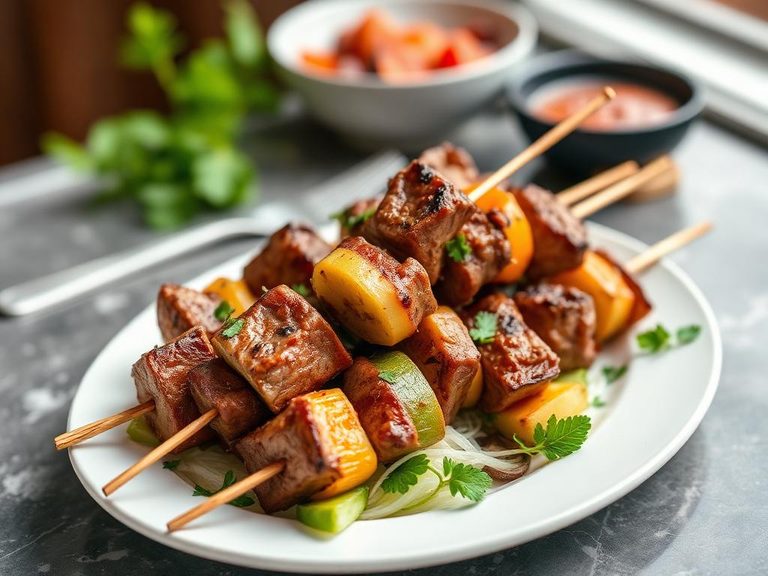
This is premium New Zealand lamb tenderloin, the most tender cut from the animal, quickly cooked at high heat to preserve its delicate, buttery texture. The lean meat has a mild, subtly sweet flavor without the strong gaminess of other cuts, and fast-frying creates a beautiful sear while keeping the interior juicy. Nutritionally, it's a powerhouse of high-quality protein with virtually no carbohydrates and very low fat.
Calorie split: 71% protein · 0% carbs · 29% fat
↓ Full nutrition💚 Why it's loved
People adore it for its exceptional tenderness and clean, mild lamb flavor that doesn't overwhelm. It's incredibly versatile, cooking in minutes for a quick weeknight meal or an elegant dinner, making it a favorite for both home cooks and chefs.
⚠️ Watch-outs & how to enjoy it better
As a red meat, it can be high in cholesterol and purines, which individuals with gout or specific heart conditions may need to monitor. To counteract this, practice portion control and pair it with fiber-rich vegetables like roasted broccoli or a leafy salad to aid digestion and balance the meal.
Key benefits
- Excellent source of complete, high-quality protein for muscle maintenance.
- Very low in fat and carbohydrates, suitable for low-carb and keto diets.
- Rich in bioavailable iron and zinc for immune function and energy.
- Provides B vitamins, especially B12, crucial for nerve health.
- Lean cut minimizes saturated fat intake compared to fattier lamb.
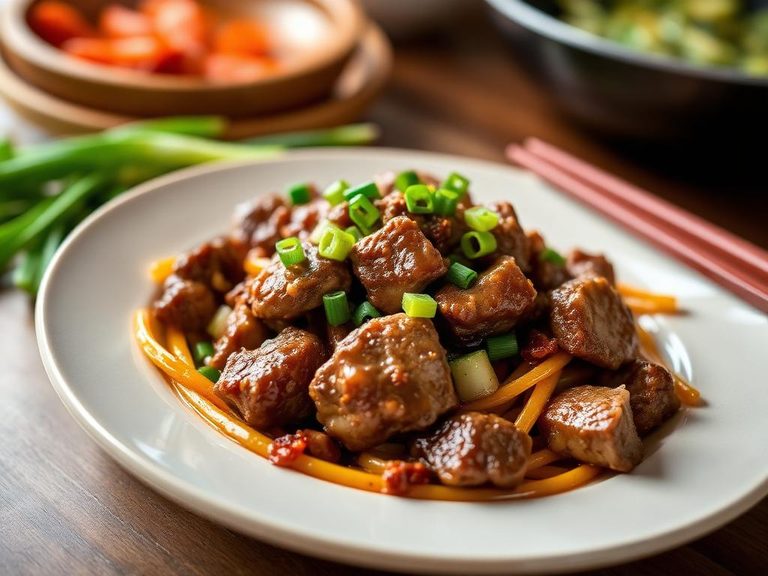
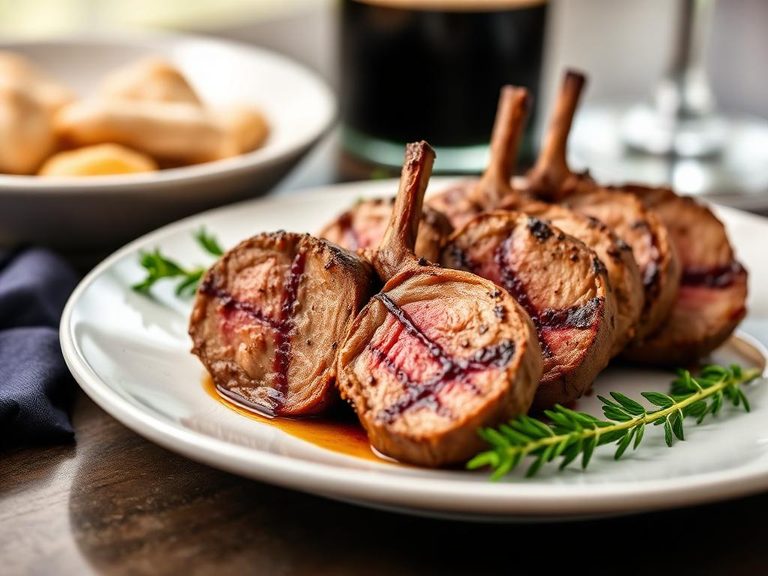
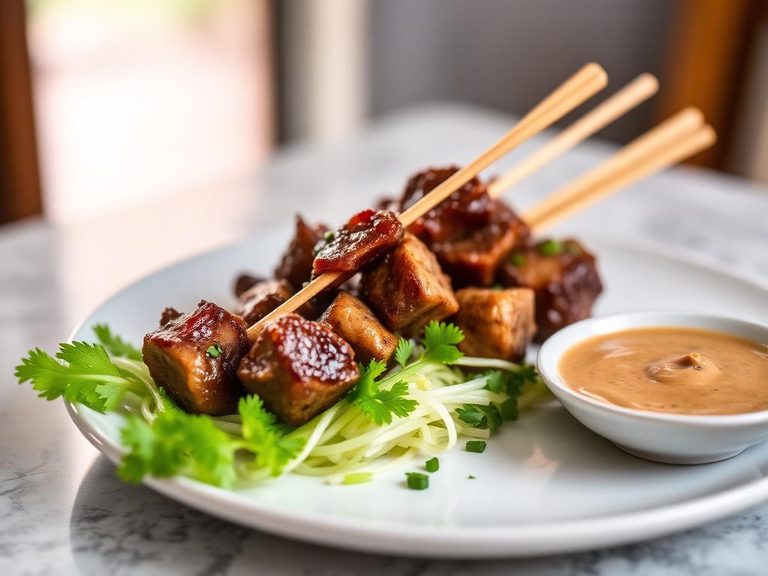
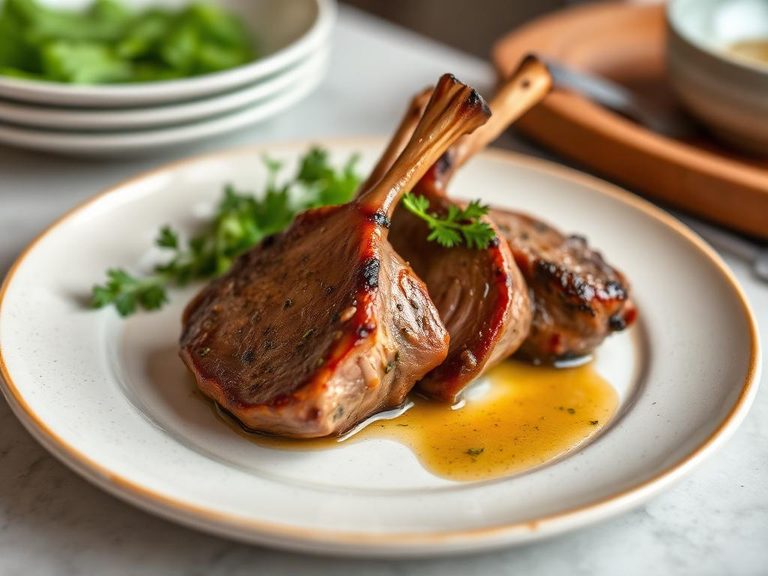
🍽️ Popular dishes
🌍 Where it's eaten
💡 Did you know?
The tenderloin is the smallest and most tender muscle in the lamb, often called the 'fillet' or 'eye fillet,' and because the animal uses it so little, it remains exceptionally soft.
Full nutrition (USDA data · scales with serving)
| Water | 66.3 g |
| Energy | 157 kcal |
| Energy | 655 kj |
| Protein | 27.9 g |
| Total lipid (fat) | 5.0 g |
| Ash | 1.4 g |
| Carbohydrate, by difference | 0.00 g |
| Fiber, total dietary | 0.00 g |
| Total Sugars | 0.00 g |
| Calcium, Ca | 5.0 mg |
| Iron, Fe | 2.1 mg |
| Magnesium, Mg | 31.0 mg |
| Phosphorus, P | 268 mg |
| Potassium, K | 432 mg |
| Sodium, Na | 59.0 mg |
| Zinc, Zn | 2.8 mg |
| Copper, Cu | 0.18 mg |
| Manganese, Mn | 0.02 mg |
| Selenium, Se | 6.5 ug |
| Vitamin C, total ascorbic acid | 0.00 mg |
| Thiamin | 0.10 mg |
| Riboflavin | 0.29 mg |
| Niacin | 9.1 mg |
| Pantothenic acid | 1.1 mg |
| Vitamin B-6 | 0.28 mg |
| Vitamin B-12 | 2.4 ug |
| Vitamin A, RAE | 2.0 ug |
| Retinol | 2.0 ug |
| Carotene, beta | 0.00 ug |
| Carotene, alpha | 0.00 ug |
| Cryptoxanthin, beta | 0.00 ug |
| Vitamin A, IU | 5.0 iu |
| Lycopene | 0.00 ug |
| Lutein + zeaxanthin | 0.00 ug |
| Vitamin E (alpha-tocopherol) | 0.55 mg |
| Vitamin D (D2 + D3), International Units | 1.0 iu |
| Vitamin D (D2 + D3) | 0.00 ug |
| Vitamin D3 (cholecalciferol) | 0.00 ug |
| Alcohol, ethyl | 0.00 g |
| Caffeine | 0.00 mg |
| Theobromine | 0.00 mg |
Fat & fatty acid profile (per 100g)
| Fatty acids, total saturated | 1.9 g |
| SFA 4:0 | 0.00 g |
| SFA 6:0 | 0.00 g |
| SFA 8:0 | 0.00 g |
| SFA 10:0 | 0.01 g |
| SFA 12:0 | 0.01 g |
| SFA 14:0 | 0.09 g |
| SFA 16:0 | 0.80 g |
| SFA 17:0 | 0.08 g |
| SFA 18:0 | 0.87 g |
| SFA 20:0 | 0.01 g |
| SFA 22:0 | 0.02 g |
| SFA 24:0 | 0.00 g |
| Fatty acids, total monounsaturated | 1.5 g |
| MUFA 14:1 | 0.01 g |
| MUFA 15:1 | 0.00 g |
| MUFA 16:1 | 0.05 g |
| MUFA 16:1 c | 0.04 g |
| MUFA 17:1 | 0.00 g |
| MUFA 18:1 | 1.4 g |
| MUFA 18:1 c | 1.3 g |
| MUFA 20:1 | 0.00 g |
| MUFA 22:1 | 0.00 g |
| MUFA 22:1 c | 0.00 g |
| MUFA 24:1 c | 0.00 g |
| Fatty acids, total polyunsaturated | 0.45 g |
| PUFA 18:2 | 0.21 g |
| PUFA 18:2 n-6 c,c | 0.16 g |
| PUFA 18:2 CLAs | 0.05 g |
| PUFA 18:3 | 0.11 g |
| PUFA 18:3 n-3 c,c,c (ALA) | 0.11 g |
| PUFA 18:3 n-6 c,c,c | 0.00 g |
| PUFA 18:4 | 0.00 g |
| PUFA 20:2 n-6 c,c | 0.00 g |
| PUFA 20:3 | 0.01 g |
| PUFA 20:3 n-3 | 0.00 g |
| PUFA 20:3 n-6 | 0.01 g |
| PUFA 20:4 | 0.05 g |
| PUFA 20:4 n-6 | 0.05 g |
| PUFA 20:5 n-3 (EPA) | 0.04 g |
| PUFA 22:5 n-3 (DPA) | 0.03 g |
| PUFA 22:6 n-3 (DHA) | 0.01 g |
| Fatty acids, total trans | 0.18 g |
| Fatty acids, total trans-monoenoic | 0.18 g |
| TFA 16:1 t | 0.01 g |
| TFA 18:1 t | 0.17 g |
| TFA 18:2 t,t | 0.00 g |
| Fatty acids, total trans-polyenoic | 0.00 g |
| Cholesterol | 94.0 mg |
Amino acid profile (per 100g)
| Tryptophan | 0.31 g |
| Threonine | 1.3 g |
| Isoleucine | 1.2 g |
| Leucine | 2.2 g |
| Lysine | 2.4 g |
| Methionine | 0.91 g |
| Cystine | 0.36 g |
| Phenylalanine | 1.1 g |
| Tyrosine | 0.97 g |
| Valine | 1.4 g |
| Arginine | 1.9 g |
| Histidine | 0.59 g |
| Alanine | 1.4 g |
| Glutamic acid | 3.9 g |
| Glycine | 1.2 g |
| Proline | 0.89 g |
| Serine | 0.95 g |
FAQ
How is lamb tenderloin different from a lamb loin chop?
The tenderloin is a small, boneless, internal muscle from under the loin, prized for its supreme tenderness. A loin chop comes from the back and includes a T-shaped bone, with the loin muscle and a piece of the tenderloin attached, offering more texture and flavor from the bone and fat cap.
What's the best way to cook it to avoid toughness?
Fast, high-heat cooking is key. Sear it in a very hot pan for just 1-2 minutes per side for medium-rare. Overcooking will quickly dry out this lean cut. Let it rest for 5 minutes after cooking before slicing.
Is New Zealand lamb different from other lamb?
Yes. New Zealand lamb is typically from sheep that graze freely on pasture year-round, resulting in a leaner, more consistent product with a milder, less 'gamey' flavor compared to grain-fed or older lamb from other regions.
Nutrient density (calculated · NRF9.3)
Nutrient Rich Foods index: beneficial nutrients (protein, fiber, vitamins, minerals) minus saturated fat, added sugar & sodium, per 100 kcal.
NRF9.3 index — Fulgoni, Keast & Drewnowski, 2009. Computed from USDA nutrients.
Weight-loss friendliness (composite index)
Energy density 1.57 kcal/g · 71% calories from protein · 0.0 g fiber · 0.0 g sugar per 100 g.
Composite of energy density (Rolls et al., 1999), protein & fiber satiety, minus sugar. A calculated heuristic — ranks satiety-per-calorie, not a clinical measure.
Dietary load (calculated from USDA values)
Potential renal acid load. Positive = acid-forming, negative = alkaline-forming.
Sodium-to-potassium ratio: 0.14 (lower is better — aim for ≤ 1)
Sodium:potassium per WHO potassium guidance. Computed from USDA nutrients.