

Lamb, New Zealand, imported, loin saddle, separable lean and fat, cooked, fast roasted
Whole food · Lamb, Veal, and Game Products

Photo: Wikipedia
This is a premium cut from the loin saddle of New Zealand lamb, fast-roasted to a juicy, tender finish with a rich, savory flavor and a satisfying, slightly crisp exterior. Nutritionally, it's a powerhouse of high-quality protein and healthy fats, with virtually no carbohydrates, making it a cornerstone of low-carb and ketogenic diets.
Calorie split: 31% protein · 0% carbs · 69% fat
↓ Full nutrition💚 Why it's loved
People cherish this cut for its perfect balance of lean meat and flavorful fat, which bastes the meat from within during roasting, ensuring a succulent result. Its versatility allows it to shine in simple preparations that let the quality of the New Zealand lamb speak for itself.
⚠️ Watch-outs & how to enjoy it better
The high fat content, while flavorful, increases calorie density, which may require portion awareness for some dietary goals. Those monitoring saturated fat intake should consume it in moderation. To counteract, pair it with fiber-rich, non-starchy vegetables (like roasted broccoli or a leafy salad) to add volume and nutrients without significant carbs.
Key benefits
- Excellent source of complete protein for muscle repair and satiety
- Rich in bioavailable iron and zinc for immune function
- Contains conjugated linoleic acid (CLA), a beneficial fatty acid
- Naturally low in carbohydrates and sugars
- Provides B vitamins like B12 for energy metabolism
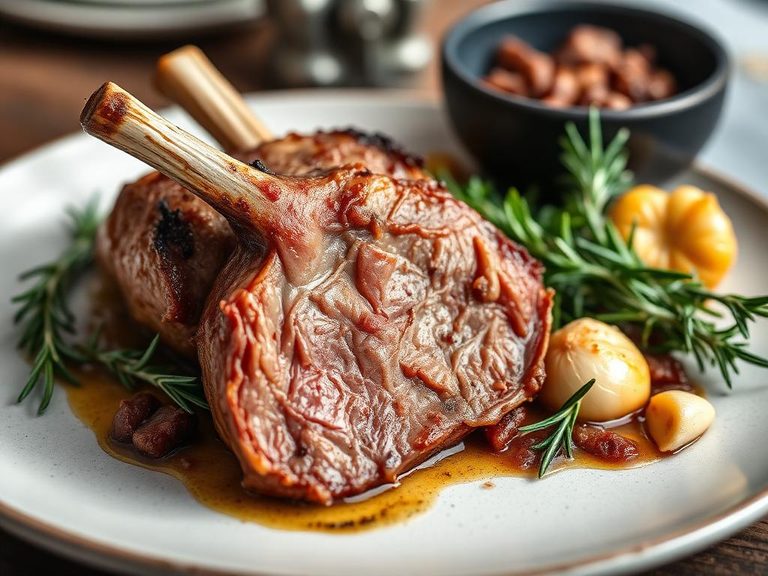
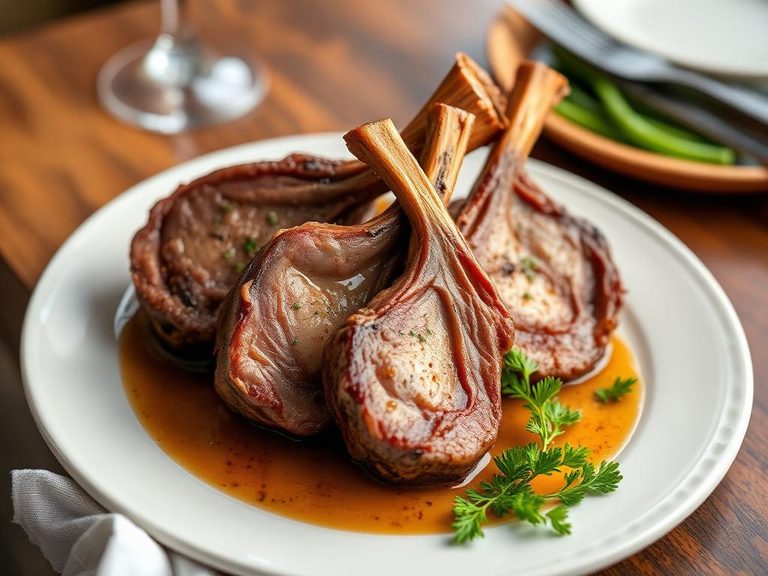
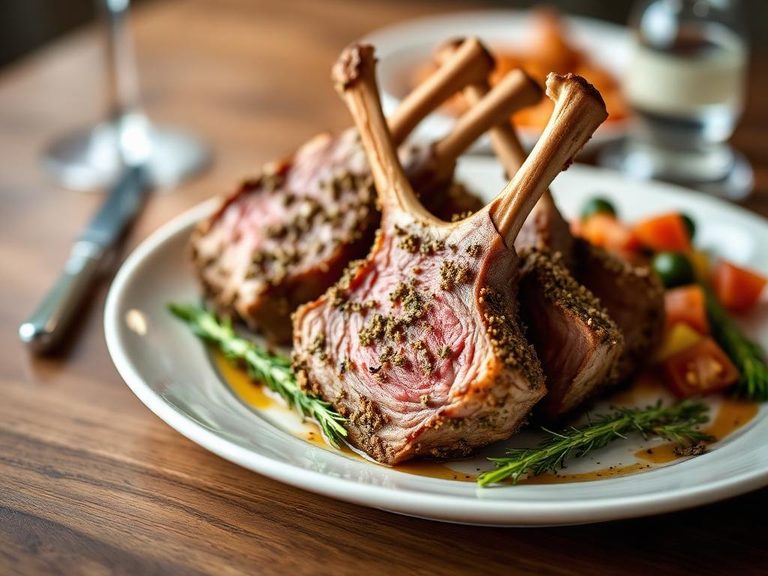
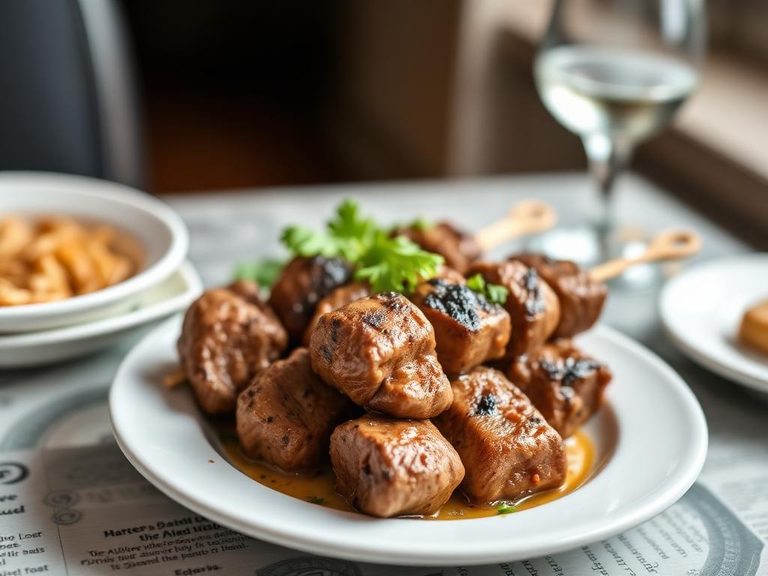
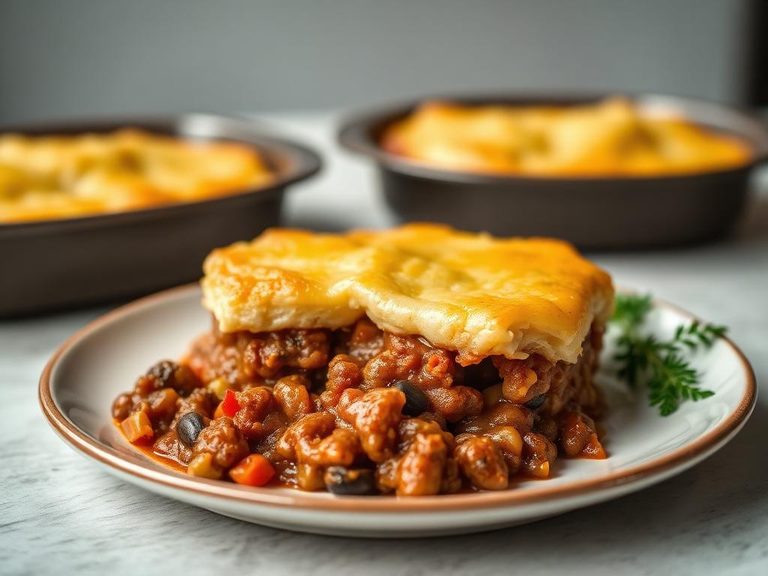
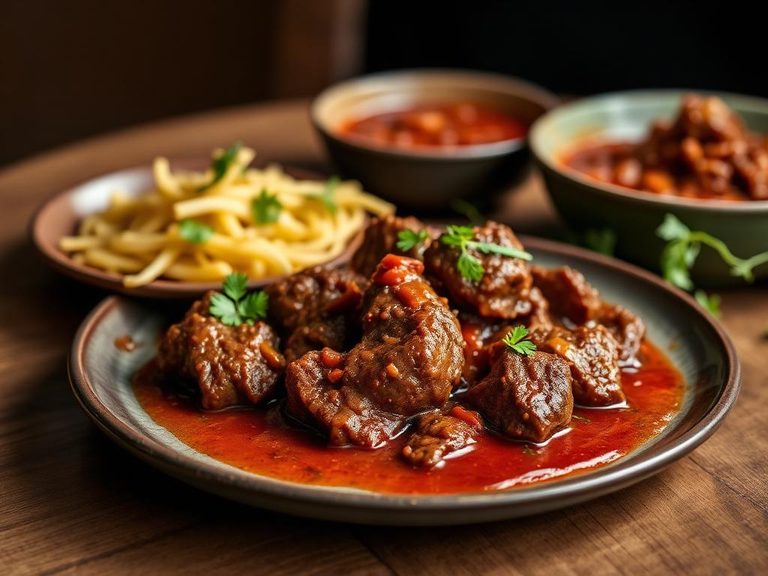
🍽️ Popular dishes
🌍 Where it's eaten
💡 Did you know?
New Zealand's sheep outnumber its people by roughly 5 to 1, and the country's strict farming regulations and grass-fed pasture systems are credited with giving its lamb a distinctively clean, rich flavor.
Full nutrition (USDA data · scales with serving)
| Water | 58.2 g |
| Energy | 274 kcal |
| Energy | 1145 kj |
| Protein | 21.1 g |
| Total lipid (fat) | 21.0 g |
| Ash | 0.89 g |
| Carbohydrate, by difference | 0.10 g |
| Fiber, total dietary | 0.00 g |
| Total Sugars | 0.00 g |
| Calcium, Ca | 7.0 mg |
| Iron, Fe | 1.4 mg |
| Magnesium, Mg | 21.0 mg |
| Phosphorus, P | 179 mg |
| Potassium, K | 306 mg |
| Sodium, Na | 69.0 mg |
| Zinc, Zn | 2.6 mg |
| Copper, Cu | 0.11 mg |
| Manganese, Mn | 0.01 mg |
| Selenium, Se | 3.6 ug |
| Vitamin C, total ascorbic acid | 0.00 mg |
| Thiamin | 0.12 mg |
| Riboflavin | 0.19 mg |
| Niacin | 5.3 mg |
| Pantothenic acid | 0.44 mg |
| Vitamin B-6 | 0.17 mg |
| Vitamin B-12 | 1.4 ug |
| Vitamin A, RAE | 16.0 ug |
| Retinol | 16.0 ug |
| Carotene, beta | 0.00 ug |
| Carotene, alpha | 0.00 ug |
| Cryptoxanthin, beta | 0.00 ug |
| Vitamin A, IU | 52.0 iu |
| Lycopene | 0.00 ug |
| Lutein + zeaxanthin | 0.00 ug |
| Vitamin E (alpha-tocopherol) | 0.44 mg |
| Vitamin D (D2 + D3), International Units | 2.0 iu |
| Vitamin D (D2 + D3) | 0.10 ug |
| Vitamin D3 (cholecalciferol) | 0.10 ug |
| Alcohol, ethyl | 0.00 g |
| Caffeine | 0.00 mg |
| Theobromine | 0.00 mg |
Fat & fatty acid profile (per 100g)
| Fatty acids, total saturated | 8.8 g |
| SFA 4:0 | 0.00 g |
| SFA 6:0 | 0.00 g |
| SFA 8:0 | 0.01 g |
| SFA 10:0 | 0.02 g |
| SFA 12:0 | 0.02 g |
| SFA 14:0 | 0.41 g |
| SFA 16:0 | 3.1 g |
| SFA 17:0 | 0.38 g |
| SFA 18:0 | 4.7 g |
| SFA 20:0 | 0.03 g |
| SFA 22:0 | 0.04 g |
| SFA 24:0 | 0.00 g |
| Fatty acids, total monounsaturated | 5.7 g |
| MUFA 14:1 | 0.01 g |
| MUFA 15:1 | 0.00 g |
| MUFA 16:1 | 0.17 g |
| MUFA 16:1 c | 0.14 g |
| MUFA 17:1 | 0.00 g |
| MUFA 18:1 | 5.5 g |
| MUFA 18:1 c | 4.4 g |
| MUFA 20:1 | 0.01 g |
| MUFA 22:1 | 0.00 g |
| MUFA 22:1 c | 0.00 g |
| MUFA 24:1 c | 0.00 g |
| Fatty acids, total polyunsaturated | 0.81 g |
| PUFA 18:2 | 0.51 g |
| PUFA 18:2 n-6 c,c | 0.22 g |
| PUFA 18:2 CLAs | 0.28 g |
| PUFA 18:3 | 0.22 g |
| PUFA 18:3 n-3 c,c,c (ALA) | 0.22 g |
| PUFA 18:3 n-6 c,c,c | 0.00 g |
| PUFA 18:4 | 0.00 g |
| PUFA 20:2 n-6 c,c | 0.00 g |
| PUFA 20:3 | 0.01 g |
| PUFA 20:3 n-3 | 0.00 g |
| PUFA 20:3 n-6 | 0.01 g |
| PUFA 20:4 | 0.02 g |
| PUFA 20:4 n-6 | 0.02 g |
| PUFA 20:5 n-3 (EPA) | 0.02 g |
| PUFA 22:5 n-3 (DPA) | 0.03 g |
| PUFA 22:6 n-3 (DHA) | 0.01 g |
| Fatty acids, total trans | 1.1 g |
| Fatty acids, total trans-monoenoic | 1.1 g |
| TFA 16:1 t | 0.03 g |
| TFA 18:1 t | 1.1 g |
| TFA 18:2 t,t | 0.01 g |
| Fatty acids, total trans-polyenoic | 0.01 g |
| Cholesterol | 76.0 mg |
Amino acid profile (per 100g)
| Tryptophan | 0.23 g |
| Threonine | 1.0 g |
| Isoleucine | 0.95 g |
| Leucine | 1.6 g |
| Lysine | 1.8 g |
| Methionine | 0.69 g |
| Cystine | 0.28 g |
| Phenylalanine | 0.83 g |
| Tyrosine | 0.73 g |
| Valine | 1.1 g |
| Arginine | 1.4 g |
| Histidine | 0.45 g |
| Alanine | 1.1 g |
| Glutamic acid | 3.0 g |
| Glycine | 0.90 g |
| Proline | 0.68 g |
| Serine | 0.72 g |
FAQ
What's the difference between 'loin saddle' and a rack of lamb?
The loin saddle is a larger primal cut from the back that includes the loin eye muscle and the tenderloin. A rack of lamb is a specific sub-primal cut taken from the saddle, typically consisting of 8 ribs with the loin meat attached.
Why is it labeled 'separable lean and fat'?
This is a USDA designation meaning the nutritional values account for the meat and fat that can be easily separated by hand, as opposed to 'bone-in' cuts where inedible bone weight is included.
How does 'fast roasting' affect the cooking and nutrition?
Fast roasting at a high temperature (around 400°F/200°C or higher) quickly sears the exterior, locking in juices and creating a flavorful crust. It helps retain moisture and nutrients but requires careful timing to avoid overcooking.
Nutrient density (calculated · NRF9.3)
Nutrient Rich Foods index: beneficial nutrients (protein, fiber, vitamins, minerals) minus saturated fat, added sugar & sodium, per 100 kcal.
NRF9.3 index — Fulgoni, Keast & Drewnowski, 2009. Computed from USDA nutrients.
Weight-loss friendliness (composite index)
Energy density 2.74 kcal/g · 31% calories from protein · 0.0 g fiber · 0.0 g sugar per 100 g.
Composite of energy density (Rolls et al., 1999), protein & fiber satiety, minus sugar. A calculated heuristic — ranks satiety-per-calorie, not a clinical measure.
Dietary load (calculated from USDA values)
Potential renal acid load. Positive = acid-forming, negative = alkaline-forming.
Sodium-to-potassium ratio: 0.23 (lower is better — aim for ≤ 1)
Sodium:potassium per WHO potassium guidance. Computed from USDA nutrients.