

Lamb, New Zealand, imported, ground lamb, raw
Whole food · Lamb, Veal, and Game Products

Photo: Wikipedia
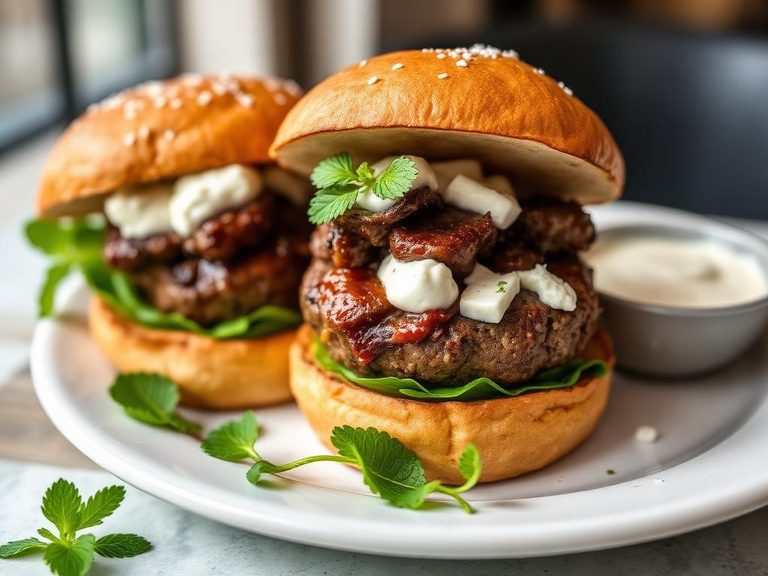
New Zealand ground lamb is a premium, lean red meat with a distinctly clean, slightly sweet, and subtly gamy flavor. Its fine, uniform texture makes it exceptionally versatile for everything from juicy burgers to delicate meatballs. Nutritionally, it's a powerhouse of high-quality protein and healthy fats, with virtually no carbohydrates.
Calorie split: 42% protein · 0% carbs · 58% fat
↓ Full nutrition💚 Why it's loved
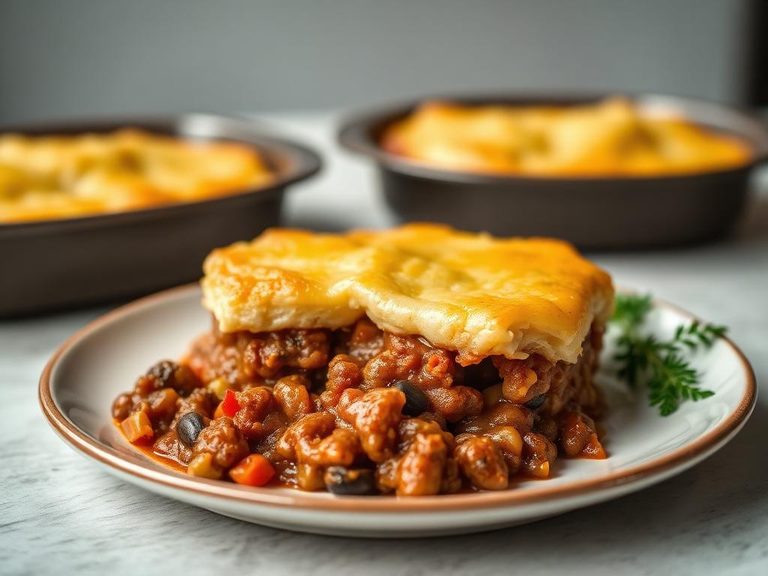
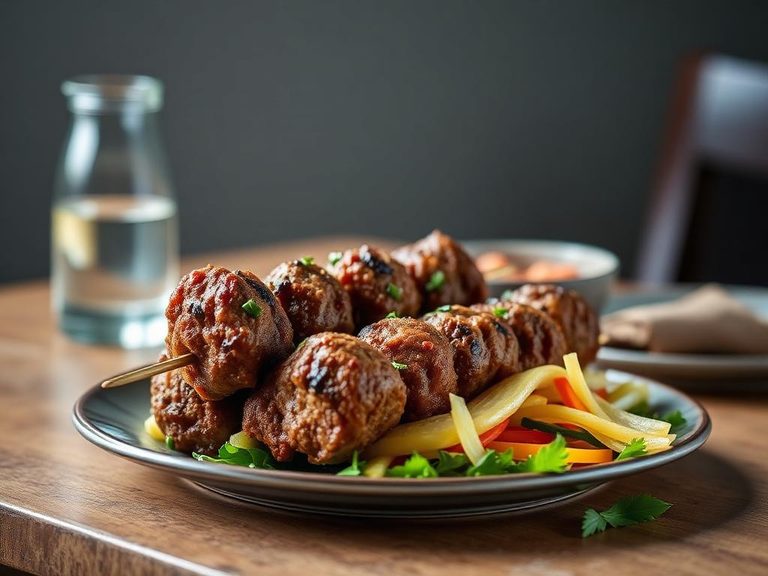
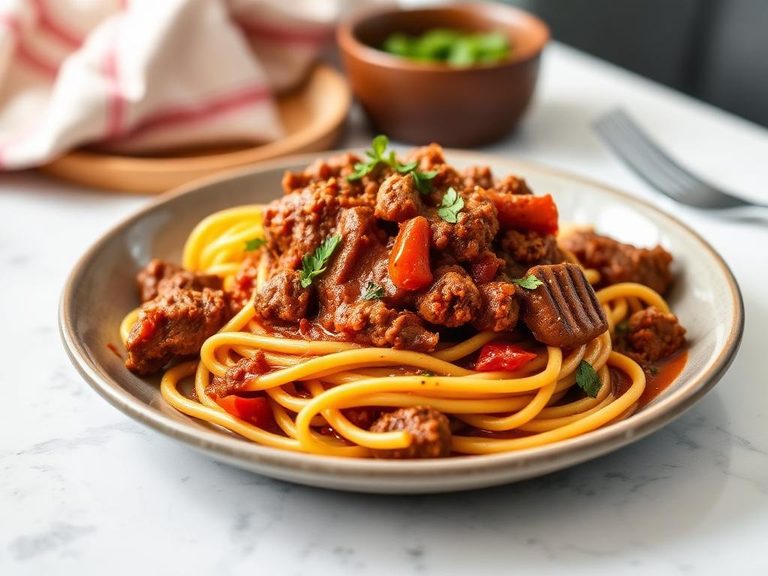
People love it for its robust, rich flavor that elevates simple dishes without being overpowering. Its consistency holds up beautifully in a wide range of global cuisines, from Middle Eastern kofta to British shepherd's pie.
⚠️ Watch-outs & how to enjoy it better
The primary consideration is its saturated fat content, which is higher than poultry or fish. To balance this, pair it with plenty of fiber-rich vegetables and use cooking methods like grilling or broiling to render out excess fat. Those monitoring cholesterol should enjoy it in moderation as part of a varied diet.
Key benefits
- Excellent source of complete protein for muscle maintenance
- Rich in heme iron, which is highly absorbable
- Provides conjugated linoleic acid (CLA), a beneficial fatty acid
- Naturally low in carbohydrates, suitable for keto diets
- Source of essential minerals like zinc and selenium
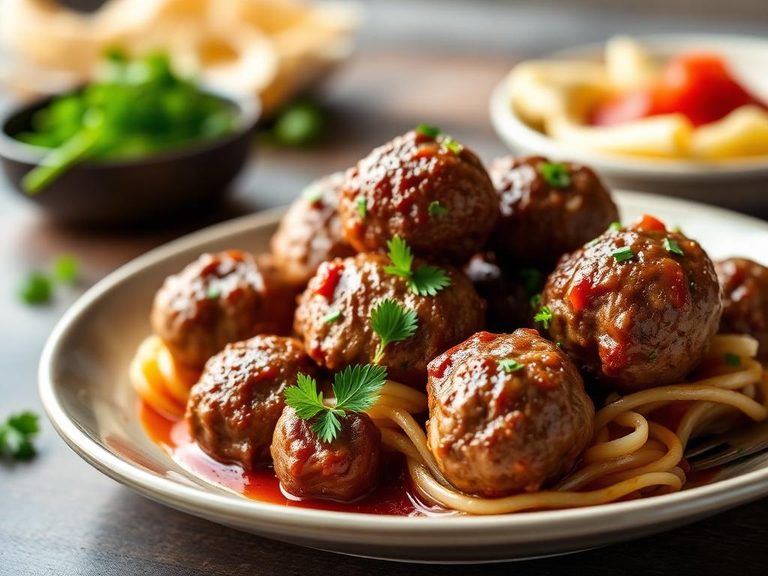
🍽️ Popular dishes

🌍 Where it's eaten
💡 Did you know?
New Zealand's sheep outnumber its people by about 6 to 1, and the country's unique grass-fed lamb diet contributes to a distinctively yellowish fat color from beta-carotene.
Full nutrition (USDA data · scales with serving)
| Water | 69.3 g |
| Energy | 193 kcal |
| Energy | 807 kj |
| Protein | 20.3 g |
| Total lipid (fat) | 12.4 g |
| Ash | 0.86 g |
| Carbohydrate, by difference | 0.00 g |
| Fiber, total dietary | 0.00 g |
| Total Sugars | 0.00 g |
| Calcium, Ca | 4.0 mg |
| Iron, Fe | 1.0 mg |
| Magnesium, Mg | 18.0 mg |
| Phosphorus, P | 156 mg |
| Potassium, K | 281 mg |
| Sodium, Na | 57.0 mg |
| Zinc, Zn | 2.8 mg |
| Copper, Cu | 0.09 mg |
| Manganese, Mn | 0.01 mg |
| Selenium, Se | 4.7 ug |
| Vitamin C, total ascorbic acid | 0.00 mg |
| Thiamin | 0.06 mg |
| Riboflavin | 0.18 mg |
| Niacin | 5.0 mg |
| Pantothenic acid | 0.16 mg |
| Vitamin B-6 | 0.13 mg |
| Vitamin B-12 | 1.6 ug |
| Vitamin A, RAE | 8.0 ug |
| Retinol | 8.0 ug |
| Carotene, beta | 0.00 ug |
| Carotene, alpha | 0.00 ug |
| Cryptoxanthin, beta | 0.00 ug |
| Vitamin A, IU | 26.0 iu |
| Lycopene | 0.00 ug |
| Lutein + zeaxanthin | 0.00 ug |
| Vitamin E (alpha-tocopherol) | 0.24 mg |
| Vitamin D (D2 + D3), International Units | 1.0 iu |
| Vitamin D (D2 + D3) | 0.00 ug |
| Vitamin D3 (cholecalciferol) | 0.00 ug |
| Alcohol, ethyl | 0.00 g |
| Caffeine | 0.00 mg |
| Theobromine | 0.00 mg |
Fat & fatty acid profile (per 100g)
| Fatty acids, total saturated | 4.8 g |
| SFA 4:0 | 0.00 g |
| SFA 6:0 | 0.00 g |
| SFA 8:0 | 0.00 g |
| SFA 10:0 | 0.02 g |
| SFA 12:0 | 0.02 g |
| SFA 14:0 | 0.26 g |
| SFA 16:0 | 2.0 g |
| SFA 17:0 | 0.22 g |
| SFA 18:0 | 2.3 g |
| SFA 20:0 | 0.01 g |
| SFA 22:0 | 0.00 g |
| SFA 24:0 | 0.00 g |
| Fatty acids, total monounsaturated | 3.0 g |
| MUFA 14:1 | 0.01 g |
| MUFA 15:1 | 0.00 g |
| MUFA 16:1 | 0.10 g |
| MUFA 16:1 c | 0.09 g |
| MUFA 17:1 | 0.00 g |
| MUFA 18:1 | 2.9 g |
| MUFA 18:1 c | 2.4 g |
| MUFA 20:1 | 0.00 g |
| MUFA 22:1 | 0.00 g |
| MUFA 22:1 c | 0.00 g |
| MUFA 24:1 c | 0.00 g |
| Fatty acids, total polyunsaturated | 0.48 g |
| PUFA 18:2 | 0.31 g |
| PUFA 18:2 n-6 c,c | 0.14 g |
| PUFA 18:2 CLAs | 0.17 g |
| PUFA 18:3 | 0.12 g |
| PUFA 18:3 n-3 c,c,c (ALA) | 0.12 g |
| PUFA 18:3 n-6 c,c,c | 0.00 g |
| PUFA 18:4 | 0.00 g |
| PUFA 20:2 n-6 c,c | 0.00 g |
| PUFA 20:3 | 0.00 g |
| PUFA 20:3 n-3 | 0.00 g |
| PUFA 20:3 n-6 | 0.00 g |
| PUFA 20:4 | 0.02 g |
| PUFA 20:4 n-6 | 0.02 g |
| PUFA 20:5 n-3 (EPA) | 0.02 g |
| PUFA 22:5 n-3 (DPA) | 0.02 g |
| PUFA 22:6 n-3 (DHA) | 0.00 g |
| Fatty acids, total trans | 0.44 g |
| Fatty acids, total trans-monoenoic | 0.44 g |
| TFA 16:1 t | 0.01 g |
| TFA 18:1 t | 0.43 g |
| TFA 18:2 t,t | 0.00 g |
| Fatty acids, total trans-polyenoic | 0.00 g |
| Cholesterol | 63.0 mg |
Amino acid profile (per 100g)
| Tryptophan | 0.23 g |
| Threonine | 0.97 g |
| Isoleucine | 0.91 g |
| Leucine | 1.6 g |
| Lysine | 1.8 g |
| Methionine | 0.66 g |
| Cystine | 0.27 g |
| Phenylalanine | 0.80 g |
| Tyrosine | 0.70 g |
| Valine | 1.0 g |
| Arginine | 1.4 g |
| Histidine | 0.43 g |
| Alanine | 1.0 g |
| Glutamic acid | 2.8 g |
| Glycine | 0.87 g |
| Proline | 0.65 g |
| Serine | 0.69 g |
FAQ
How does ground lamb taste different from ground beef?
Ground lamb has a richer, slightly gamier, and more complex flavor than beef, with a subtle sweetness. The fat is also more flavorful and has a lower melting point, making lamb dishes often feel more succulent.
Is New Zealand lamb grass-fed?
Yes, the vast majority of New Zealand lamb is pasture-raised and grass-fed year-round, which contributes to its distinct flavor profile and the yellowish tint of its fat.
What's the best way to cook ground lamb to reduce fat?
Cooking methods like grilling, broiling, or air-frying allow excess fat to drip away. You can also brown it in a skillet and then drain the rendered fat before adding other ingredients.
Nutrient density (calculated · NRF9.3)
Nutrient Rich Foods index: beneficial nutrients (protein, fiber, vitamins, minerals) minus saturated fat, added sugar & sodium, per 100 kcal.
NRF9.3 index — Fulgoni, Keast & Drewnowski, 2009. Computed from USDA nutrients.
Weight-loss friendliness (composite index)
Energy density 1.93 kcal/g · 42% calories from protein · 0.0 g fiber · 0.0 g sugar per 100 g.
Composite of energy density (Rolls et al., 1999), protein & fiber satiety, minus sugar. A calculated heuristic — ranks satiety-per-calorie, not a clinical measure.
Dietary load (calculated from USDA values)
Potential renal acid load. Positive = acid-forming, negative = alkaline-forming.
Sodium-to-potassium ratio: 0.20 (lower is better — aim for ≤ 1)
Sodium:potassium per WHO potassium guidance. Computed from USDA nutrients.