

Lamb, New Zealand, imported, flap, boneless, separable lean and fat, raw
Whole food · Lamb, Veal, and Game Products

Photo: Wikipedia
New Zealand lamb flap is a richly marbled, boneless cut from the belly, prized for its succulent, beefy flavor and tender, melt-in-the-mouth texture when slow-cooked. Nutritionally, it's a powerhouse of high-quality protein and energy-dense fat, making it a satisfying centerpiece for a hearty meal. Its high fat content is key to its luxurious mouthfeel and ability to stay moist during long cooking times.
Calorie split: 19% protein · 0% carbs · 80% fat
↓ Full nutrition💚 Why it's loved
People adore lamb flap for its incredible depth of savory, slightly gamey flavor and its forgiving nature in slow-cooking, which transforms it into something profoundly tender. It's a beloved cut in many cuisines for its ability to absorb spices and create rich, unctuous sauces and gravies.
⚠️ Watch-outs & how to enjoy it better
The high fat content (over 30g per 100g) makes it a very calorie-dense choice, which may not suit low-fat or calorie-restricted diets. To enjoy it mindfully, practice strict portion control (see portions below) and pair it with large servings of non-starchy vegetables like roasted broccoli or a fresh, acidic salad to add volume, fiber, and balance the richness.
Key benefits
- Excellent source of complete protein for muscle maintenance.
- Rich in essential minerals like iron, zinc, and selenium.
- Provides B vitamins, particularly B12, crucial for nerve function.
- High in conjugated linoleic acid (CLA), a naturally occurring fatty acid.
- The fat content enhances satiety and flavor absorption.
🍽️ Popular dishes
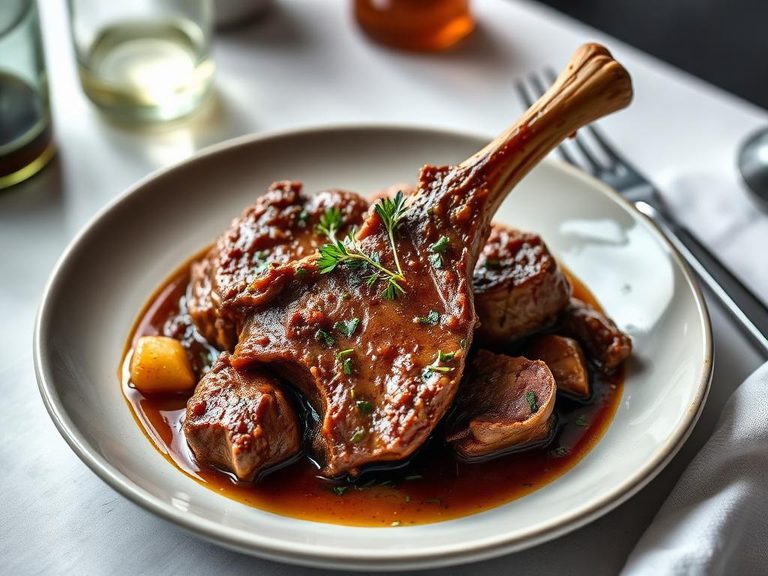
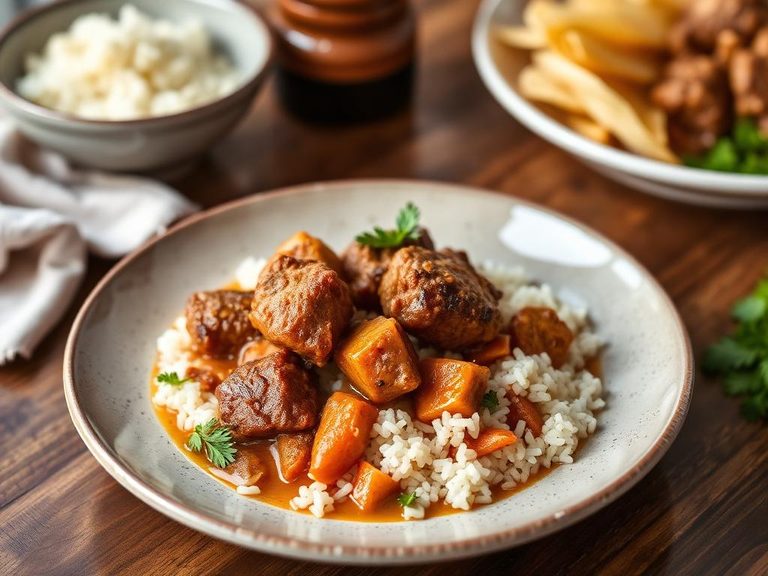
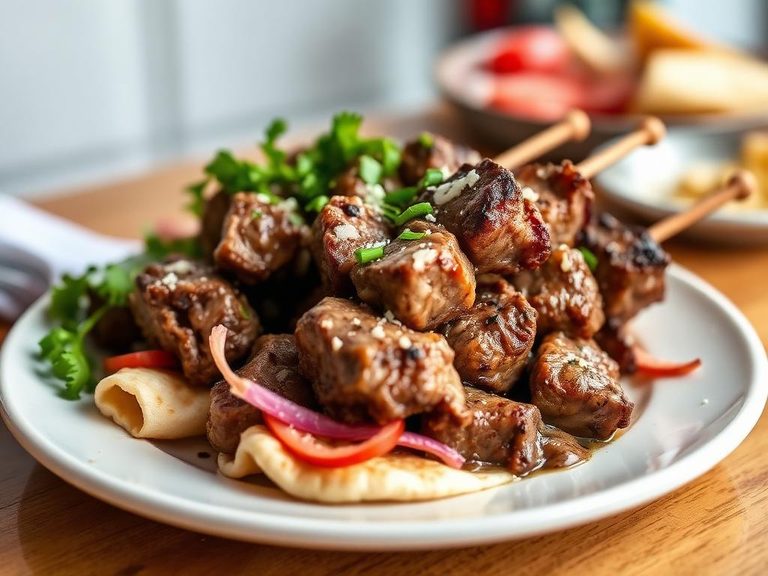
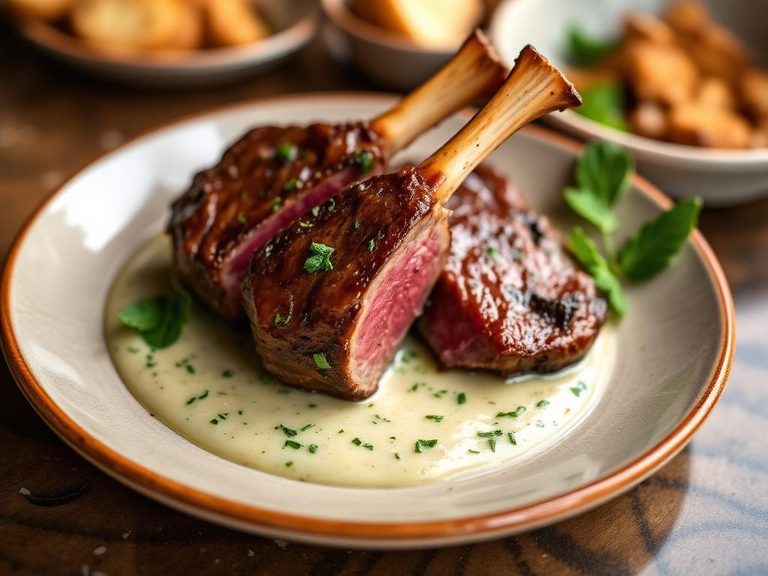
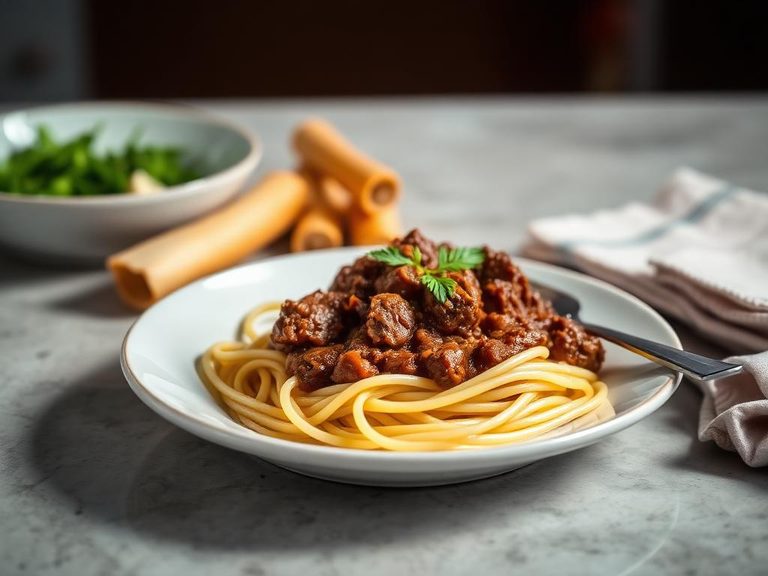
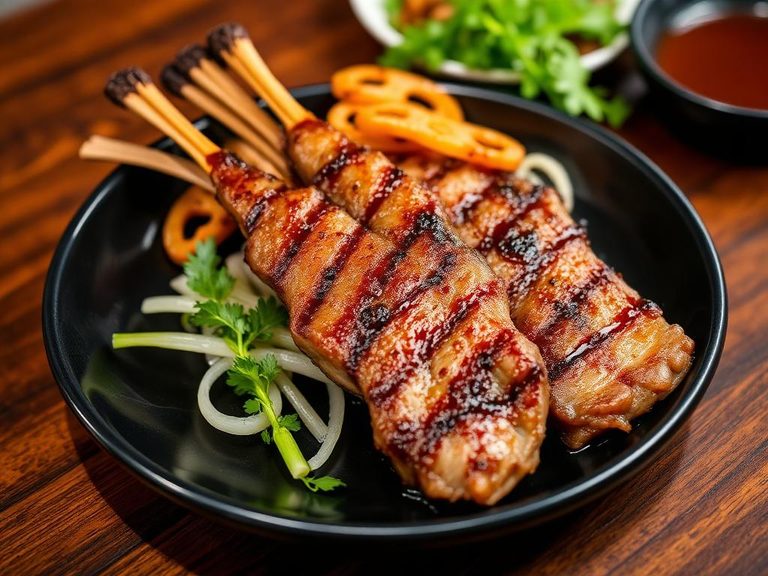
🌍 Where it's eaten
💡 Did you know?
The 'flap' is technically the diaphragm muscle, and its high intramuscular fat content is why it's often called the 'lamb belly' and is a favorite for making traditional Greek 'lamb kleftiko,' where it's slow-baked in parchment to become fall-apart tender.
Full nutrition (USDA data · scales with serving)
| Water | 54.4 g |
| Energy | 337 kcal |
| Energy | 1410 kj |
| Protein | 16.2 g |
| Total lipid (fat) | 30.1 g |
| Ash | 0.74 g |
| Carbohydrate, by difference | 0.27 g |
| Fiber, total dietary | 0.00 g |
| Total Sugars | 0.00 g |
| Calcium, Ca | 6.0 mg |
| Iron, Fe | 0.84 mg |
| Magnesium, Mg | 15.0 mg |
| Phosphorus, P | 129 mg |
| Potassium, K | 240 mg |
| Sodium, Na | 69.0 mg |
| Zinc, Zn | 2.4 mg |
| Copper, Cu | 0.05 mg |
| Manganese, Mn | 0.00 mg |
| Selenium, Se | 3.1 ug |
| Vitamin C, total ascorbic acid | 0.00 mg |
| Thiamin | 0.06 mg |
| Riboflavin | 0.11 mg |
| Niacin | 3.5 mg |
| Pantothenic acid | 0.37 mg |
| Vitamin B-6 | 0.09 mg |
| Vitamin B-12 | 1.6 ug |
| Vitamin A, RAE | 20.0 ug |
| Retinol | 20.0 ug |
| Carotene, beta | 0.00 ug |
| Carotene, alpha | 0.00 ug |
| Cryptoxanthin, beta | 0.00 ug |
| Vitamin A, IU | 68.0 iu |
| Lycopene | 0.00 ug |
| Lutein + zeaxanthin | 0.00 ug |
| Vitamin E (alpha-tocopherol) | 0.58 mg |
| Vitamin D (D2 + D3), International Units | 3.0 iu |
| Vitamin D (D2 + D3) | 0.10 ug |
| Vitamin D3 (cholecalciferol) | 0.10 ug |
| Alcohol, ethyl | 0.00 g |
| Caffeine | 0.00 mg |
| Theobromine | 0.00 mg |
Fat & fatty acid profile (per 100g)
| Fatty acids, total saturated | 12.7 g |
| SFA 4:0 | 0.00 g |
| SFA 6:0 | 0.00 g |
| SFA 8:0 | 0.00 g |
| SFA 10:0 | 0.04 g |
| SFA 12:0 | 0.04 g |
| SFA 14:0 | 0.61 g |
| SFA 16:0 | 4.9 g |
| SFA 17:0 | 0.57 g |
| SFA 18:0 | 6.5 g |
| SFA 20:0 | 0.03 g |
| SFA 22:0 | 0.06 g |
| SFA 24:0 | 0.00 g |
| Fatty acids, total monounsaturated | 8.4 g |
| MUFA 14:1 | 0.01 g |
| MUFA 15:1 | 0.00 g |
| MUFA 16:1 | 0.25 g |
| MUFA 16:1 c | 0.22 g |
| MUFA 17:1 | 0.00 g |
| MUFA 18:1 | 8.1 g |
| MUFA 18:1 c | 6.7 g |
| MUFA 20:1 | 0.01 g |
| MUFA 22:1 | 0.00 g |
| MUFA 22:1 c | 0.00 g |
| MUFA 24:1 c | 0.00 g |
| Fatty acids, total polyunsaturated | 1.0 g |
| PUFA 18:2 | 0.68 g |
| PUFA 18:2 n-6 c,c | 0.24 g |
| PUFA 18:2 CLAs | 0.41 g |
| PUFA 18:3 | 0.29 g |
| PUFA 18:3 n-3 c,c,c (ALA) | 0.29 g |
| PUFA 18:3 n-6 c,c,c | 0.00 g |
| PUFA 18:4 | 0.00 g |
| PUFA 20:2 n-6 c,c | 0.00 g |
| PUFA 20:3 | 0.00 g |
| PUFA 20:3 n-3 | 0.00 g |
| PUFA 20:3 n-6 | 0.00 g |
| PUFA 20:4 | 0.01 g |
| PUFA 20:4 n-6 | 0.01 g |
| PUFA 20:5 n-3 (EPA) | 0.01 g |
| PUFA 22:5 n-3 (DPA) | 0.03 g |
| PUFA 22:6 n-3 (DHA) | 0.00 g |
| Fatty acids, total trans | 1.5 g |
| Fatty acids, total trans-monoenoic | 1.5 g |
| TFA 16:1 t | 0.03 g |
| TFA 18:1 t | 1.4 g |
| TFA 18:2 t,t | 0.02 g |
| Fatty acids, total trans-polyenoic | 0.02 g |
| Cholesterol | 64.0 mg |
Amino acid profile (per 100g)
| Tryptophan | 0.18 g |
| Threonine | 0.77 g |
| Isoleucine | 0.72 g |
| Leucine | 1.2 g |
| Lysine | 1.4 g |
| Methionine | 0.53 g |
| Cystine | 0.21 g |
| Phenylalanine | 0.64 g |
| Tyrosine | 0.56 g |
| Valine | 0.82 g |
| Arginine | 1.1 g |
| Histidine | 0.34 g |
| Alanine | 0.80 g |
| Glutamic acid | 2.3 g |
| Glycine | 0.69 g |
| Proline | 0.52 g |
| Serine | 0.55 g |
FAQ
What's the best way to cook lamb flap?
Due to its marbling, it excels with slow, moist cooking methods like braising, stewing, or slow-roasting, which break down connective tissue. It can also be grilled over high heat for a short time if sliced thinly.
Is lamb flap a fatty cut?
Yes, it is one of the fattier cuts of lamb, with over 30g of fat per 100g raw. This fat is what gives it exceptional flavor and tenderness when cooked properly.
How does it differ from lamb shoulder or leg?
Lamb flap has more uniform, finer marbling throughout compared to shoulder, which has larger pockets of fat and connective tissue. Leg is leaner and firmer. Flap is generally more tender and quicker to cook than shoulder but richer than leg.
Nutrient density (calculated · NRF9.3)
Nutrient Rich Foods index: beneficial nutrients (protein, fiber, vitamins, minerals) minus saturated fat, added sugar & sodium, per 100 kcal.
NRF9.3 index — Fulgoni, Keast & Drewnowski, 2009. Computed from USDA nutrients.
Weight-loss friendliness (composite index)
Energy density 3.37 kcal/g · 19% calories from protein · 0.0 g fiber · 0.0 g sugar per 100 g.
Composite of energy density (Rolls et al., 1999), protein & fiber satiety, minus sugar. A calculated heuristic — ranks satiety-per-calorie, not a clinical measure.
Dietary load (calculated from USDA values)
Potential renal acid load. Positive = acid-forming, negative = alkaline-forming.
Sodium-to-potassium ratio: 0.29 (lower is better — aim for ≤ 1)
Sodium:potassium per WHO potassium guidance. Computed from USDA nutrients.