

Lamb, Australian, imported, fresh, leg, trotter off, bone-in, separable lean and fat, trimmed to 1/8" fat, raw
Whole food · Lamb, Veal, and Game Products

Photo: Wikipedia
This is a premium cut of Australian lamb, specifically the lean and fat-trimmed portion of the leg bone-in. It offers a robust, slightly sweet, and distinctly 'lamby' flavor with a firm, meaty texture that becomes tender when cooked properly. Nutritionally, it's a powerhouse of high-quality protein with a moderate fat content, providing a satisfying and nutrient-dense base for a meal.
Calorie split: 50% protein · 0% carbs · 50% fat
↓ Full nutrition💚 Why it's loved
People cherish this cut for its deep, savory flavor that stands up to bold spices and slow-cooking methods, making it a centerpiece for celebratory meals. Its versatility allows it to be roasted whole for a stunning presentation or broken down into kebabs and stews.
⚠️ Watch-outs & how to enjoy it better
The strong, distinctive flavor of lamb can be polarizing for some palates, and the bone-in preparation requires more skill to carve. For those monitoring saturated fat intake, the marbling, while flavorful, should be considered. To manage this, trim any visible external fat before cooking and pair the meat with fiber-rich vegetables like roasted Brussels sprouts or a fresh salad to balance the meal.
Key benefits
- Excellent source of complete protein for muscle maintenance and repair.
- Rich in bioavailable iron and zinc, crucial for immune function and energy metabolism.
- Contains B vitamins like B12 and niacin, essential for nerve function and cellular energy.
- Provides conjugated linoleic acid (CLA), a fatty acid studied for its potential health benefits.
🍽️ Popular dishes
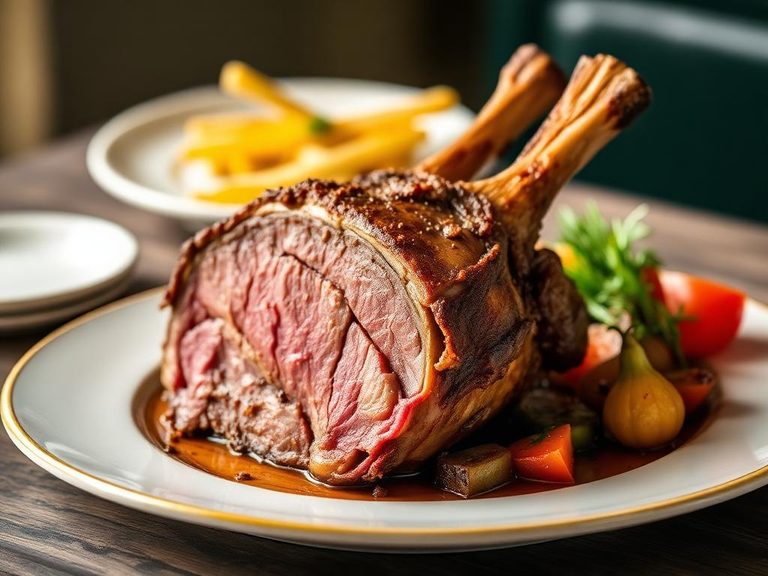
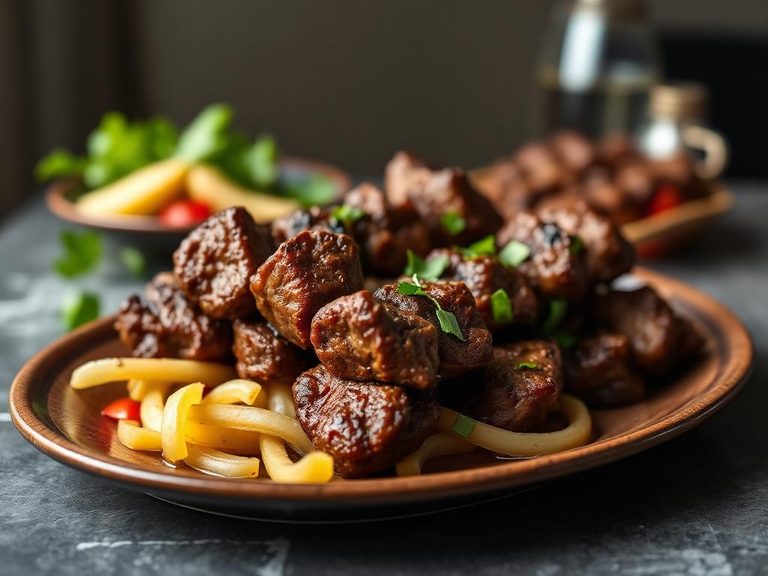
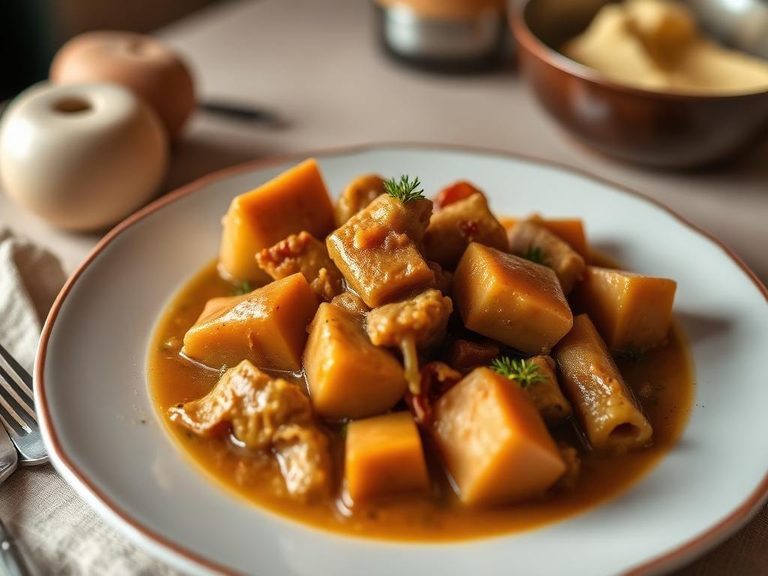
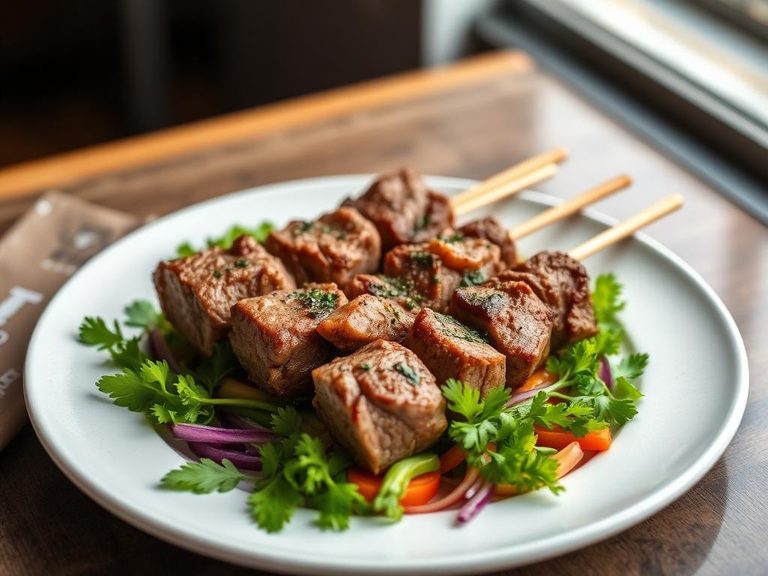
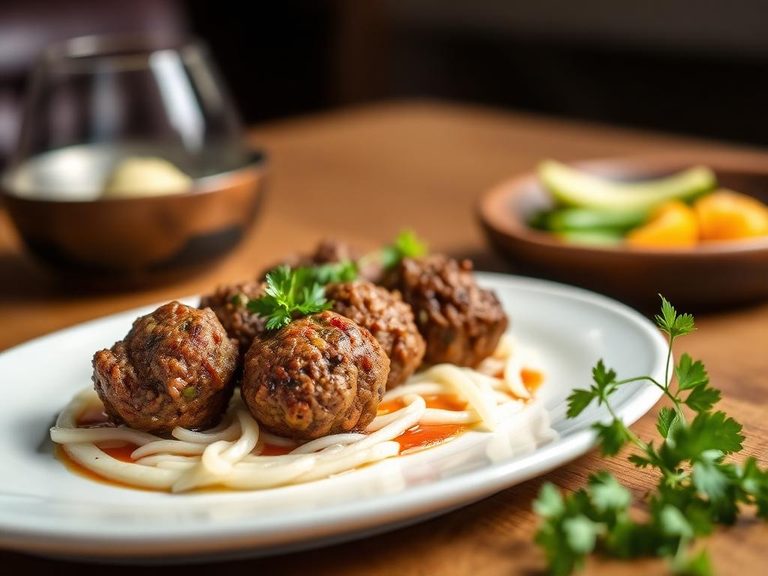
🌍 Where it's eaten
💡 Did you know?
The specific designation 'trotter off' means the foot (trotter) has been removed at the joint, a butchery step that differentiates it from a full leg of lamb and makes it more manageable for home cooks.
Full nutrition (USDA data · scales with serving)
| Water | 68.7 g |
| Energy | 175 kcal |
| Energy | 734 kj |
| Protein | 21.9 g |
| Total lipid (fat) | 9.7 g |
| Ash | 0.96 g |
| Carbohydrate, by difference | 0.00 g |
| Fiber, total dietary | 0.00 g |
| Total Sugars | 0.00 g |
| Calcium, Ca | 3.0 mg |
| Iron, Fe | 2.1 mg |
| Magnesium, Mg | 21.0 mg |
| Phosphorus, P | 156 mg |
| Potassium, K | 225 mg |
| Sodium, Na | 75.0 mg |
| Zinc, Zn | 2.7 mg |
| Copper, Cu | 0.12 mg |
| Manganese, Mn | 0.01 mg |
| Selenium, Se | 6.9 ug |
| Vitamin C, total ascorbic acid | 0.00 mg |
| Thiamin | 0.13 mg |
| Riboflavin | 0.37 mg |
| Niacin | 6.3 mg |
| Pantothenic acid | 0.70 mg |
| Vitamin B-6 | 0.43 mg |
| Vitamin B-12 | 1.6 ug |
| Vitamin B-12, added | 0.00 ug |
| Vitamin A, RAE | 2.0 ug |
| Retinol | 2.0 ug |
| Carotene, beta | 0.00 ug |
| Carotene, alpha | 0.00 ug |
| Cryptoxanthin, beta | 0.00 ug |
| Vitamin A, IU | 8.0 iu |
| Lycopene | 0.00 ug |
| Lutein + zeaxanthin | 0.00 ug |
| Vitamin E (alpha-tocopherol) | 0.11 mg |
| Vitamin E, added | 0.00 mg |
| Vitamin D (D2 + D3), International Units | 0.00 iu |
| Vitamin D (D2 + D3) | 0.00 ug |
| Vitamin D2 (ergocalciferol) | 0.00 ug |
| Vitamin D3 (cholecalciferol) | 0.00 ug |
| Alcohol, ethyl | 0.00 g |
| Caffeine | 0.00 mg |
| Theobromine | 0.00 mg |
Fat & fatty acid profile (per 100g)
| Fatty acids, total saturated | 4.5 g |
| SFA 4:0 | 0.00 g |
| SFA 6:0 | 0.00 g |
| SFA 8:0 | 0.00 g |
| SFA 10:0 | 0.01 g |
| SFA 12:0 | 0.02 g |
| SFA 14:0 | 0.30 g |
| SFA 15:0 | 0.06 g |
| SFA 16:0 | 2.1 g |
| SFA 17:0 | 0.14 g |
| SFA 18:0 | 1.8 g |
| SFA 20:0 | 0.02 g |
| SFA 22:0 | 0.01 g |
| SFA 24:0 | 0.00 g |
| Fatty acids, total monounsaturated | 3.9 g |
| MUFA 14:1 | 0.01 g |
| MUFA 15:1 | 0.00 g |
| MUFA 16:1 | 0.12 g |
| MUFA 17:1 | 0.00 g |
| MUFA 18:1 | 3.8 g |
| MUFA 18:1 c | 3.3 g |
| MUFA 20:1 | 0.00 g |
| MUFA 22:1 | 0.00 g |
| MUFA 22:1 c | 0.00 g |
| Fatty acids, total polyunsaturated | 0.69 g |
| PUFA 18:2 | 0.47 g |
| PUFA 18:2 n-6 c,c | 0.24 g |
| PUFA 18:2 CLAs | 0.09 g |
| PUFA 18:3 | 0.11 g |
| PUFA 18:3 n-3 c,c,c (ALA) | 0.11 g |
| PUFA 18:3 n-6 c,c,c | 0.00 g |
| PUFA 18:4 | 0.00 g |
| PUFA 20:2 n-6 c,c | 0.00 g |
| PUFA 20:3 | 0.00 g |
| PUFA 20:4 | 0.05 g |
| PUFA 20:5 n-3 (EPA) | 0.02 g |
| PUFA 22:5 n-3 (DPA) | 0.03 g |
| PUFA 22:6 n-3 (DHA) | 0.01 g |
| Fatty acids, total trans | 0.61 g |
| Fatty acids, total trans-monoenoic | 0.48 g |
| TFA 18:1 t | 0.48 g |
| TFA 18:2 t not further defined | 0.14 g |
| Fatty acids, total trans-polyenoic | 0.14 g |
| Cholesterol | 76.0 mg |
Amino acid profile (per 100g)
| Tryptophan | 0.23 g |
| Threonine | 0.90 g |
| Isoleucine | 0.91 g |
| Leucine | 1.6 g |
| Lysine | 1.7 g |
| Methionine | 0.53 g |
| Cystine | 0.22 g |
| Phenylalanine | 0.82 g |
| Tyrosine | 0.69 g |
| Valine | 0.98 g |
| Arginine | 1.3 g |
| Histidine | 0.57 g |
| Alanine | 1.2 g |
| Aspartic acid | 1.8 g |
| Glutamic acid | 2.9 g |
| Glycine | 1.2 g |
| Proline | 0.93 g |
| Serine | 0.78 g |
FAQ
How do I choose between bone-in and boneless for this cut?
Bone-in (like this) adds flavor during cooking and helps with even heat distribution, making it ideal for roasting. Boneless is easier to carve and faster to cook, better suited for grilling or quick sautés.
What's the best way to cook this cut to keep it tender?
For the leg, slow, moist-heat methods like braising or stewing break down connective tissue. For dry-heat roasting, cook to medium-rare or medium (145°F/63°C internal temp) and let it rest for 10-15 minutes before carving to retain juices.
Is Australian lamb different from lamb from other countries?
Australian lamb is typically grain-finished, resulting in a milder flavor and consistent marbling compared to grass-fed lamb from New Zealand or the UK, which can have a stronger, more herbaceous taste.
Nutrient density (calculated · NRF9.3)
Nutrient Rich Foods index: beneficial nutrients (protein, fiber, vitamins, minerals) minus saturated fat, added sugar & sodium, per 100 kcal.
NRF9.3 index — Fulgoni, Keast & Drewnowski, 2009. Computed from USDA nutrients.
Weight-loss friendliness (composite index)
Energy density 1.75 kcal/g · 50% calories from protein · 0.0 g fiber · 0.0 g sugar per 100 g.
Composite of energy density (Rolls et al., 1999), protein & fiber satiety, minus sugar. A calculated heuristic — ranks satiety-per-calorie, not a clinical measure.
Dietary load (calculated from USDA values)
Potential renal acid load. Positive = acid-forming, negative = alkaline-forming.
Sodium-to-potassium ratio: 0.33 (lower is better — aim for ≤ 1)
Sodium:potassium per WHO potassium guidance. Computed from USDA nutrients.