

Lamb, Australian, imported, fresh, leg, hindshank, heel on, bone-in, separable lean only, trimmed to 1/8" fat, raw
Whole food · Lamb, Veal, and Game Products

Photo: Wikipedia
This is a raw, bone-in cut from the lower hind leg of an Australian lamb, prized for its deep, rich flavor and firm, lean texture. With virtually no fat and a high protein content, it's a powerhouse for muscle-building diets, delivering a clean, meaty taste that intensifies beautifully with slow cooking. Its low-calorie profile makes it a standout choice for those seeking hearty, satisfying meals without excess calories.
Calorie split: 74% protein · 0% carbs · 26% fat
↓ Full nutrition💚 Why it's loved
People love the deep, savory umami flavor and the melt-in-your-mouth tenderness that develops with slow braising or roasting. It's a cultural staple in many cuisines, from Australian Sunday roasts to Mediterranean stews, offering a comforting, rustic appeal that brings families together.
⚠️ Watch-outs & how to enjoy it better
The lean, tough nature of the hindshank can result in dry, chewy meat if not cooked properly, which may disappoint those expecting a quick, tender cut. To counteract this, always use moist-heat methods like braising or slow-cooking, and consider marinating in acidic liquids (like wine or vinegar) to break down fibers and enhance tenderness.
Key benefits
- High in protein (22.49g per 100g) for muscle repair and satiety
- Very low in fat (3.53g per 100g), ideal for lean diets
- Zero carbohydrates and sugar, suitable for keto and low-carb plans
- Rich in iron and B vitamins for energy metabolism
- Provides collagen and gelatin from the bone and connective tissue
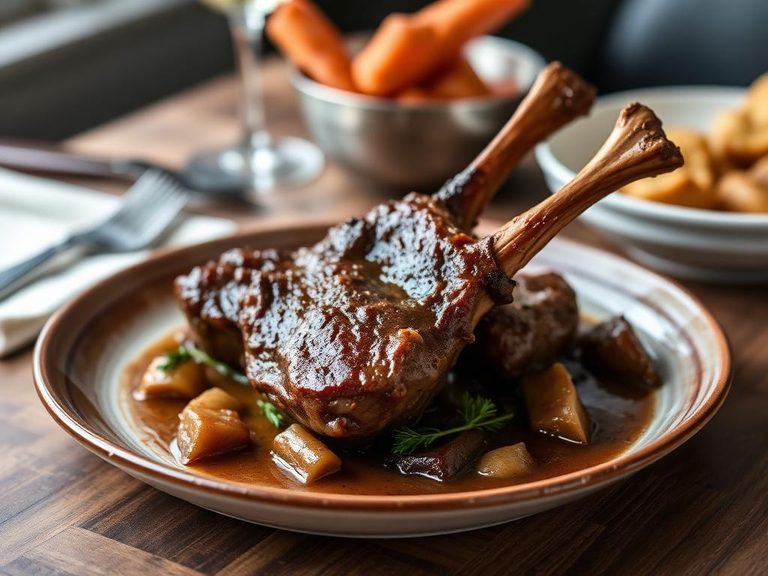
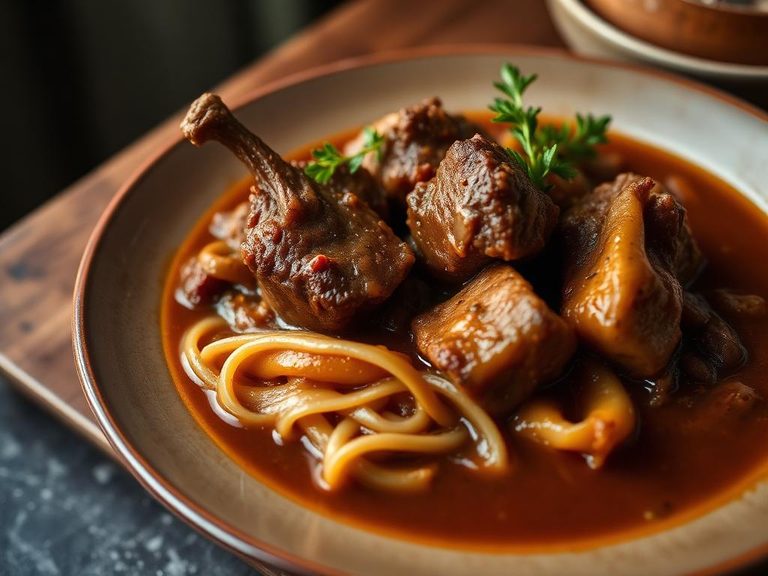
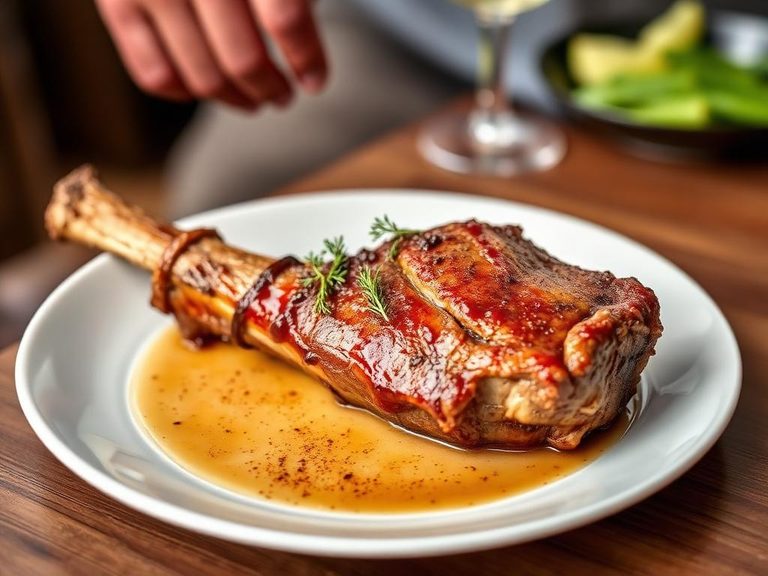
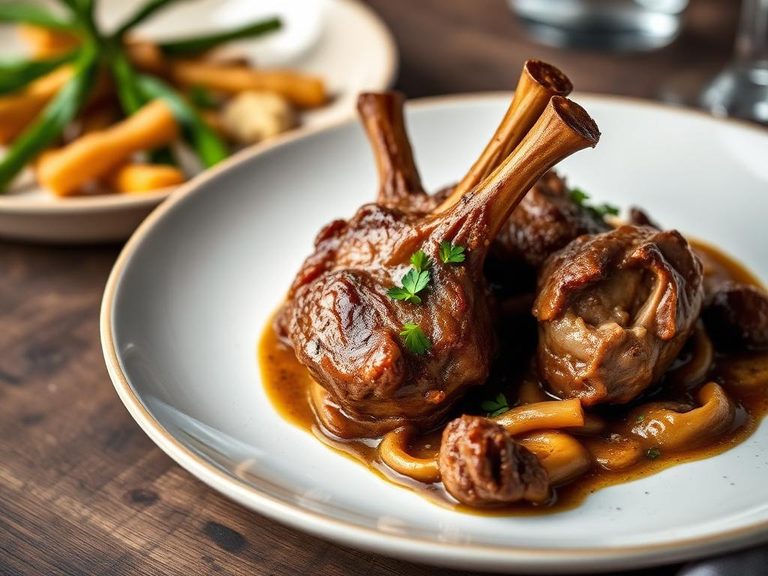
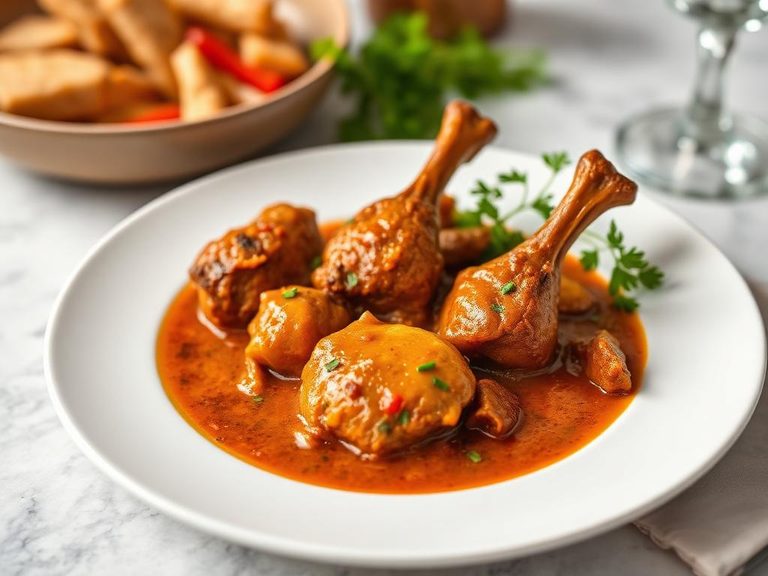
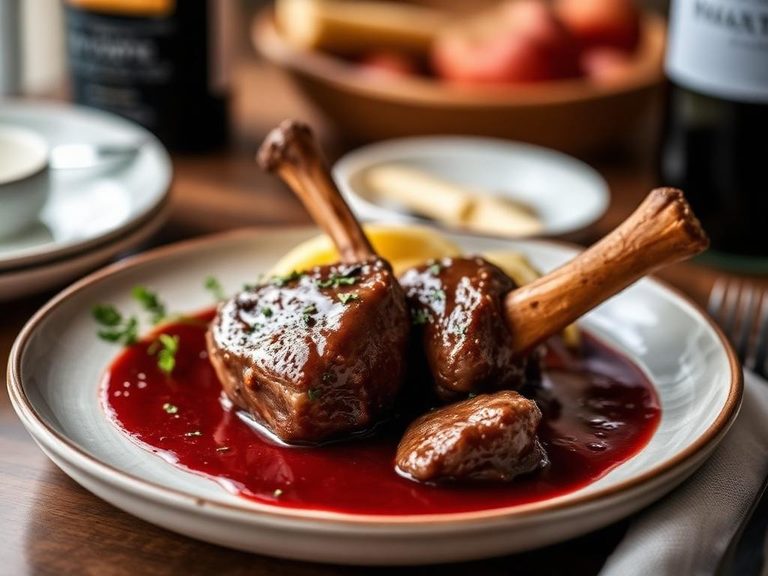
🍽️ Popular dishes
🌍 Where it's eaten
💡 Did you know?
The lamb hindshank is one of the most collagen-rich cuts in the animal, which is why it transforms into a silky, gelatinous sauce when slow-cooked, making it a secret weapon for creating rich, restaurant-quality gravies at home.
Full nutrition (USDA data · scales with serving)
| Water | 74.8 g |
| Energy | 122 kcal |
| Energy | 509 kj |
| Protein | 22.5 g |
| Total lipid (fat) | 3.5 g |
| Ash | 0.96 g |
| Carbohydrate, by difference | 0.00 g |
| Fiber, total dietary | 0.00 g |
| Total Sugars | 0.00 g |
| Calcium, Ca | 4.0 mg |
| Iron, Fe | 1.6 mg |
| Magnesium, Mg | 21.0 mg |
| Phosphorus, P | 163 mg |
| Potassium, K | 227 mg |
| Sodium, Na | 93.0 mg |
| Zinc, Zn | 3.5 mg |
| Copper, Cu | 0.10 mg |
| Manganese, Mn | 0.01 mg |
| Selenium, Se | 12.2 ug |
| Vitamin C, total ascorbic acid | 0.00 mg |
| Thiamin | 0.10 mg |
| Riboflavin | 0.36 mg |
| Niacin | 5.5 mg |
| Pantothenic acid | 0.71 mg |
| Vitamin B-6 | 0.40 mg |
| Vitamin B-12 | 1.6 ug |
| Vitamin B-12, added | 0.00 ug |
| Vitamin A, RAE | 2.0 ug |
| Retinol | 2.0 ug |
| Carotene, beta | 0.00 ug |
| Carotene, alpha | 0.00 ug |
| Cryptoxanthin, beta | 0.00 ug |
| Vitamin A, IU | 7.0 iu |
| Lycopene | 0.00 ug |
| Lutein + zeaxanthin | 0.00 ug |
| Vitamin E (alpha-tocopherol) | 0.31 mg |
| Vitamin E, added | 0.00 mg |
| Vitamin D (D2 + D3), International Units | 0.00 iu |
| Vitamin D (D2 + D3) | 0.00 ug |
| Vitamin D2 (ergocalciferol) | 0.00 ug |
| Vitamin D3 (cholecalciferol) | 0.00 ug |
| Alcohol, ethyl | 0.00 g |
| Caffeine | 0.00 mg |
| Theobromine | 0.00 mg |
Fat & fatty acid profile (per 100g)
| Fatty acids, total saturated | 1.3 g |
| SFA 4:0 | 0.00 g |
| SFA 6:0 | 0.00 g |
| SFA 8:0 | 0.00 g |
| SFA 10:0 | 0.00 g |
| SFA 12:0 | 0.01 g |
| SFA 14:0 | 0.10 g |
| SFA 15:0 | 0.01 g |
| SFA 16:0 | 0.66 g |
| SFA 17:0 | 0.03 g |
| SFA 18:0 | 0.46 g |
| SFA 20:0 | 0.00 g |
| SFA 22:0 | 0.00 g |
| SFA 24:0 | 0.00 g |
| Fatty acids, total monounsaturated | 1.3 g |
| MUFA 14:1 | 0.00 g |
| MUFA 15:1 | 0.00 g |
| MUFA 16:1 | 0.05 g |
| MUFA 17:1 | 0.00 g |
| MUFA 18:1 | 1.3 g |
| MUFA 18:1 c | 1.2 g |
| MUFA 20:1 | 0.00 g |
| MUFA 22:1 | 0.00 g |
| MUFA 22:1 c | 0.00 g |
| Fatty acids, total polyunsaturated | 0.36 g |
| PUFA 18:2 | 0.19 g |
| PUFA 18:2 n-6 c,c | 0.14 g |
| PUFA 18:2 CLAs | 0.01 g |
| PUFA 18:3 | 0.06 g |
| PUFA 18:3 n-3 c,c,c (ALA) | 0.06 g |
| PUFA 18:3 n-6 c,c,c | 0.00 g |
| PUFA 18:4 | 0.00 g |
| PUFA 20:2 n-6 c,c | 0.00 g |
| PUFA 20:3 | 0.00 g |
| PUFA 20:4 | 0.04 g |
| PUFA 20:5 n-3 (EPA) | 0.03 g |
| PUFA 22:5 n-3 (DPA) | 0.03 g |
| PUFA 22:6 n-3 (DHA) | 0.01 g |
| Fatty acids, total trans | 0.17 g |
| Fatty acids, total trans-monoenoic | 0.13 g |
| TFA 18:1 t | 0.13 g |
| TFA 18:2 t not further defined | 0.05 g |
| Fatty acids, total trans-polyenoic | 0.05 g |
| Cholesterol | 54.0 mg |
Amino acid profile (per 100g)
| Tryptophan | 0.23 g |
| Threonine | 0.92 g |
| Isoleucine | 0.94 g |
| Leucine | 1.6 g |
| Lysine | 1.7 g |
| Methionine | 0.54 g |
| Cystine | 0.23 g |
| Phenylalanine | 0.84 g |
| Tyrosine | 0.70 g |
| Valine | 1.0 g |
| Arginine | 1.3 g |
| Histidine | 0.59 g |
| Alanine | 1.3 g |
| Aspartic acid | 1.8 g |
| Glutamic acid | 3.0 g |
| Glycine | 1.2 g |
| Proline | 0.95 g |
| Serine | 0.80 g |
FAQ
How do I cook this cut to make it tender?
The key is low-and-slow cooking: braise it in liquid (like broth, wine, or tomato sauce) at 300°F (150°C) for 2-3 hours, or until the meat pulls away from the bone easily. This breaks down the tough connective tissue into gelatin, resulting in a succulent texture.
Is this cut suitable for grilling?
Not ideal for direct grilling, as its leanness can make it dry and tough. Instead, marinate it first, then grill over indirect heat or use a slow-roasting method to retain moisture and develop flavor.
What are the best pairings for this lamb cut?
Pair it with starchy sides like mashed potatoes, polenta, or crusty bread to soak up the rich juices. Vegetables like roasted carrots, peas, or lentils complement its earthy flavor, and a glass of red wine or a robust beer enhances the meal.
Nutrient density (calculated · NRF9.3)
Nutrient Rich Foods index: beneficial nutrients (protein, fiber, vitamins, minerals) minus saturated fat, added sugar & sodium, per 100 kcal.
NRF9.3 index — Fulgoni, Keast & Drewnowski, 2009. Computed from USDA nutrients.
Weight-loss friendliness (composite index)
Energy density 1.22 kcal/g · 74% calories from protein · 0.0 g fiber · 0.0 g sugar per 100 g.
Composite of energy density (Rolls et al., 1999), protein & fiber satiety, minus sugar. A calculated heuristic — ranks satiety-per-calorie, not a clinical measure.
Dietary load (calculated from USDA values)
Potential renal acid load. Positive = acid-forming, negative = alkaline-forming.
Sodium-to-potassium ratio: 0.41 (lower is better — aim for ≤ 1)
Sodium:potassium per WHO potassium guidance. Computed from USDA nutrients.