

Grapefruit juice, white, canned or bottled, unsweetened
Whole food · Fruits and Fruit Juices
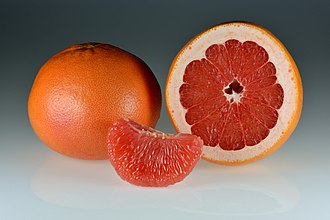
Photo: Wikipedia
This is the clear, pale yellow juice of white grapefruit, typically pasteurized and sealed in cans or bottles. It offers a bright, tangy flavor with a subtle, clean sweetness and a smooth, thin texture. A 100g serving provides just 37 calories, making it a light, hydrating choice rich in vitamin C.
Calorie split: 6% protein · 79% carbs · 16% fat
↓ Full nutrition💚 Why it's loved
People love it for its refreshing, sharp citrus punch that cuts through richness and awakens the palate. It's a versatile base for both sweet cocktails and savory marinades, deeply embedded in breakfast and brunch culture.
⚠️ Watch-outs & how to enjoy it better
Its high acidity can bother those with acid reflux or sensitive stomachs. The natural sugars, while not added, can cause a quick blood sugar rise, so pairing it with protein or fat (like eggs or nuts) is wise. A significant caution: grapefruit juice can interfere with the metabolism of many common medications (e.g., statins, some blood pressure drugs). Always consult a doctor or pharmacist about interactions.
Key benefits
- Excellent source of vitamin C
- Very low in calories and fat
- Provides quick hydration
- Contains natural plant compounds like naringin
- No added sugars in unsweetened varieties
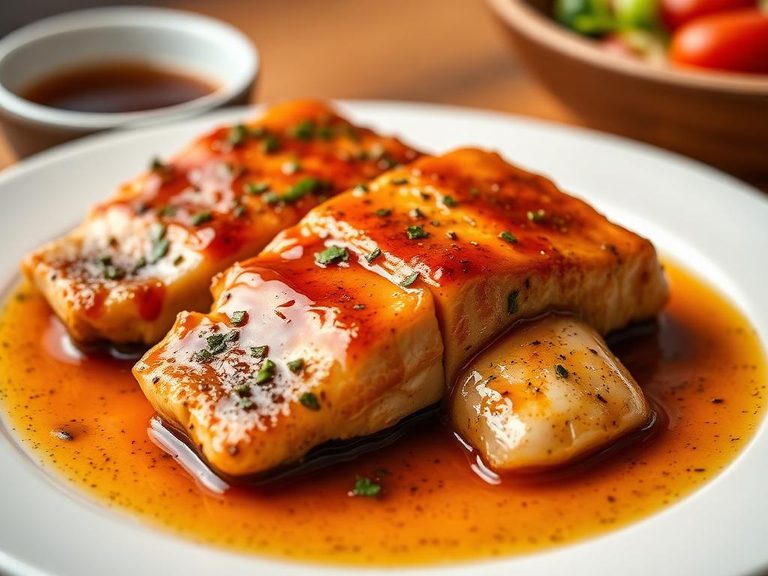
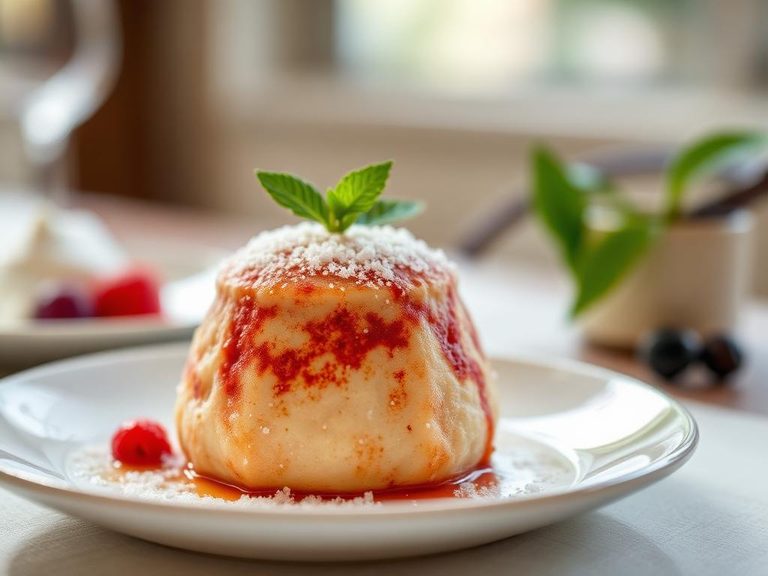
🍽️ Popular dishes

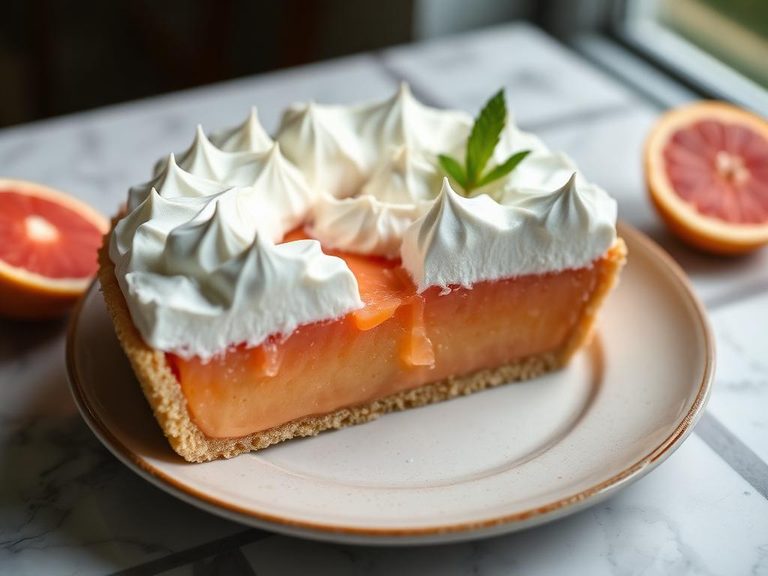
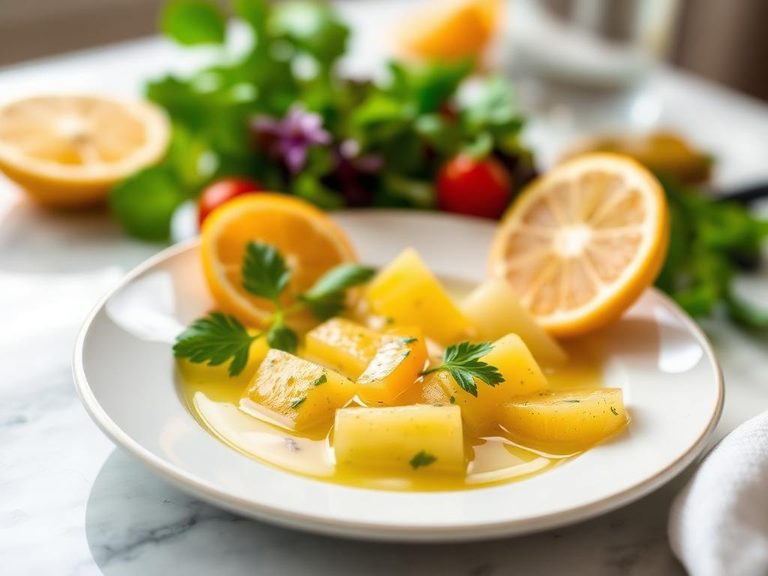
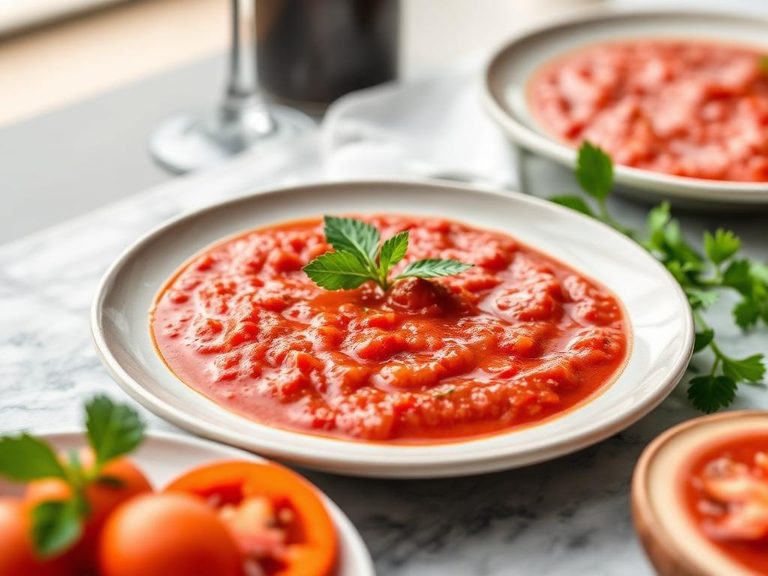
🌍 Where it's eaten
💡 Did you know?
The white grapefruit is actually the original variety; the more common pink and red grapefruits were discovered later as natural mutations of the white.
Full nutrition (USDA data · scales with serving)
| Water | 91.0 g |
| Energy | 37.0 kcal |
| Energy | 154 kj |
| Protein | 0.55 g |
| Total lipid (fat) | 0.66 g |
| Ash | 0.29 g |
| Carbohydrate, by difference | 7.5 g |
| Fiber, total dietary | 0.60 g |
| Total Sugars | 7.7 g |
| Sucrose | 1.3 g |
| Glucose | 3.1 g |
| Fructose | 3.2 g |
| Lactose | 0.02 g |
| Maltose | 0.02 g |
| Galactose | 0.02 g |
| Calcium, Ca | 16.0 mg |
| Iron, Fe | 0.08 mg |
| Magnesium, Mg | 9.0 mg |
| Phosphorus, P | 17.0 mg |
| Potassium, K | 141 mg |
| Sodium, Na | 2.0 mg |
| Zinc, Zn | 0.05 mg |
| Copper, Cu | 0.03 mg |
| Manganese, Mn | 0.02 mg |
| Selenium, Se | 0.10 ug |
| Vitamin C, total ascorbic acid | 33.7 mg |
| Thiamin | 0.06 mg |
| Riboflavin | 0.02 mg |
| Niacin | 0.26 mg |
| Pantothenic acid | 0.28 mg |
| Vitamin B-6 | 0.04 mg |
| Folate, total | 14.0 ug |
| Folic acid | 0.00 ug |
| Folate, food | 14.0 ug |
| Folate, DFE | 14.0 ug |
| Choline, total | 7.7 mg |
| Vitamin B-12 | 0.00 ug |
| Vitamin B-12, added | 0.00 ug |
| Vitamin A, RAE | 2.0 ug |
| Retinol | 0.00 ug |
| Carotene, beta | 20.0 ug |
| Carotene, alpha | 2.0 ug |
| Cryptoxanthin, beta | 1.0 ug |
| Vitamin A, IU | 35.0 iu |
| Lycopene | 0.00 ug |
| Lutein + zeaxanthin | 10.0 ug |
| Vitamin E (alpha-tocopherol) | 0.21 mg |
| Vitamin E, added | 0.00 mg |
| Tocopherol, beta | 0.00 mg |
| Tocopherol, gamma | 0.00 mg |
| Tocopherol, delta | 0.00 mg |
| Tocotrienol, alpha | 0.00 mg |
| Tocotrienol, beta | 0.00 mg |
| Tocotrienol, gamma | 0.00 mg |
| Tocotrienol, delta | 0.00 mg |
| Vitamin D (D2 + D3), International Units | 0.00 iu |
| Vitamin D (D2 + D3) | 0.00 ug |
| Vitamin K (phylloquinone) | 0.00 ug |
| Alcohol, ethyl | 0.00 g |
| Caffeine | 0.00 mg |
| Theobromine | 0.00 mg |
Fat & fatty acid profile (per 100g)
| Fatty acids, total saturated | 0.08 g |
| SFA 4:0 | 0.00 g |
| SFA 6:0 | 0.00 g |
| SFA 8:0 | 0.00 g |
| SFA 10:0 | 0.00 g |
| SFA 12:0 | 0.00 g |
| SFA 14:0 | 0.00 g |
| SFA 16:0 | 0.08 g |
| SFA 18:0 | 0.01 g |
| Fatty acids, total monounsaturated | 0.09 g |
| MUFA 16:1 | 0.01 g |
| MUFA 18:1 | 0.08 g |
| MUFA 20:1 | 0.00 g |
| MUFA 22:1 | 0.00 g |
| Fatty acids, total polyunsaturated | 0.17 g |
| PUFA 18:2 | 0.14 g |
| PUFA 18:3 | 0.04 g |
| PUFA 18:4 | 0.00 g |
| PUFA 20:4 | 0.00 g |
| PUFA 20:5 n-3 (EPA) | 0.00 g |
| PUFA 22:5 n-3 (DPA) | 0.00 g |
| PUFA 22:6 n-3 (DHA) | 0.00 g |
| Cholesterol | 1.0 mg |
Amino acid profile (per 100g)
Estimated from Grapefruit, sections, canned, juice pack, solids and liquids — USDA does not publish this profile for Grapefruit juice.
| Tryptophan | 0.01 g |
| Threonine | 0.01 g |
| Isoleucine | 0.01 g |
| Leucine | 0.01 g |
| Lysine | 0.02 g |
| Methionine | 0.01 g |
| Cystine | 0.01 g |
| Phenylalanine | 0.04 g |
| Tyrosine | 0.01 g |
| Valine | 0.01 g |
| Arginine | 0.08 g |
| Histidine | 0.01 g |
| Alanine | 0.02 g |
| Aspartic acid | 0.13 g |
| Glutamic acid | 0.18 g |
| Glycine | 0.01 g |
| Proline | 0.06 g |
| Serine | 0.03 g |
FAQ
Is unsweetened grapefruit juice high in sugar?
It contains about 7.7g of natural sugar per 100g, which is less than many fruit juices but still significant. A full cup (244g) has roughly 19g of sugar.
Why is it called 'white' grapefruit juice?
It's made from white or yellow-fleshed grapefruits, which are the original, less common variety. The flesh is pale yellow, not pink or red.
Can I use this in cooking if I'm watching my blood sugar?
Yes, but use it in moderation. Its acidity can tenderize meat and brighten sauces without needing much. Pair dishes containing it with a source of protein or fat to slow sugar absorption.
Nutrient density (calculated · NRF9.3)
Nutrient Rich Foods index: beneficial nutrients (protein, fiber, vitamins, minerals) minus saturated fat, added sugar & sodium, per 100 kcal.
NRF9.3 index — Fulgoni, Keast & Drewnowski, 2009. Computed from USDA nutrients.
Weight-loss friendliness (composite index)
Energy density 0.37 kcal/g · 6% calories from protein · 0.6 g fiber · 7.7 g sugar per 100 g.
Composite of energy density (Rolls et al., 1999), protein & fiber satiety, minus sugar. A calculated heuristic — ranks satiety-per-calorie, not a clinical measure.
Dietary load (calculated from USDA values)
Potential renal acid load. Positive = acid-forming, negative = alkaline-forming.
Sodium-to-potassium ratio: 0.01 (lower is better — aim for ≤ 1)
Sodium:potassium per WHO potassium guidance. Computed from USDA nutrients.