

Fish, roughy, orange, raw
Whole food · Finfish and Shellfish Products

Photo: Wikipedia
Orange roughy is a deep-sea fish with a firm, white, and delicate flesh that holds its shape well when cooked. Its mild, slightly sweet flavor and clean, non-fishy taste make it a versatile canvas for various seasonings and sauces. Nutritionally, it's a standout for being an extremely lean protein source, containing virtually no fat or carbohydrates.
Calorie split: 91% protein · 0% carbs · 9% fat
↓ Full nutrition💚 Why it's loved
People love orange roughy for its incredibly mild, sweet flavor and its firm, snow-white flesh that flakes beautifully without falling apart. Its versatility allows it to be baked, broiled, pan-seared, or added to chowders without overpowering other ingredients.
⚠️ Watch-outs & how to enjoy it better
As a deep-sea fish, orange roughy is exceptionally long-lived (up to 150 years), which means it can accumulate higher levels of mercury than faster-growing species. Pregnant women, nursing mothers, and young children should be cautious with portion size and frequency. To counteract this, limit servings to a few times a month and pair it with mercury-lowering foods like selenium-rich Brazil nuts or fiber-rich vegetables in the same meal.
Key benefits
- Excellent source of high-quality, lean protein
- Very low in calories and contains no carbohydrates
- Naturally free of sugar and dietary fiber
- Contains a good amount of selenium, an important antioxidant mineral
- A clean, mild-tasting option for low-fat diets
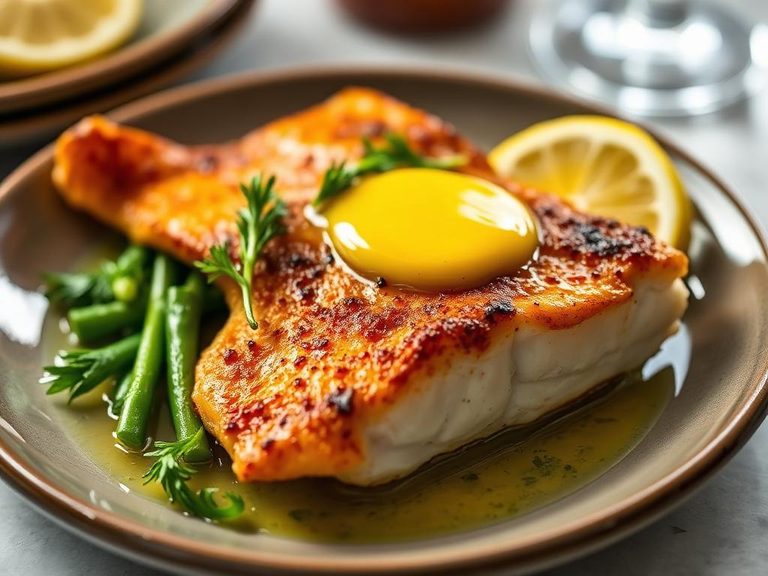
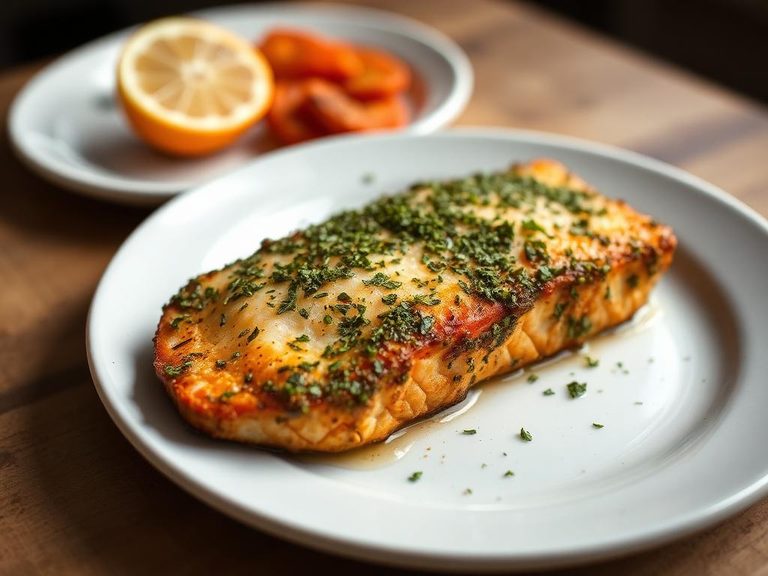
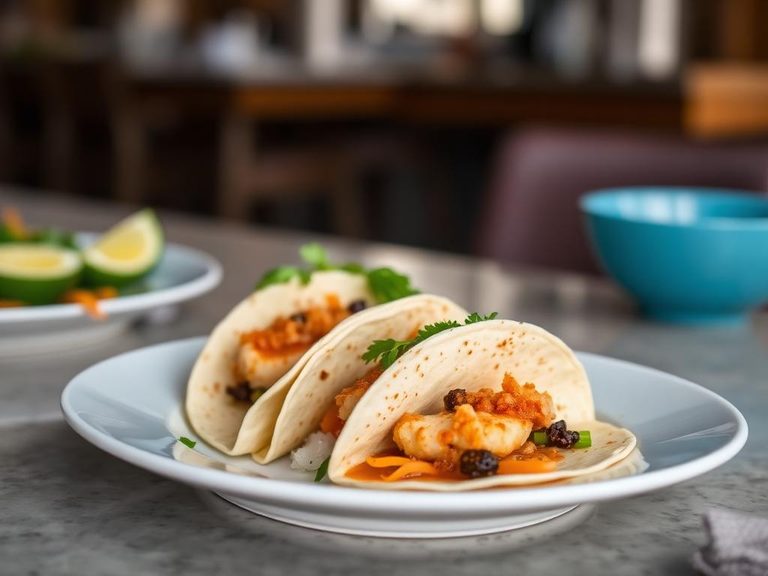
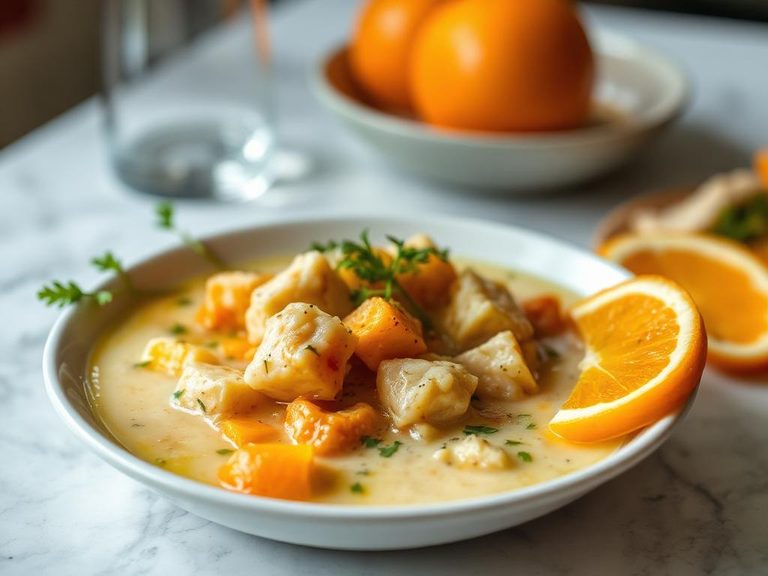
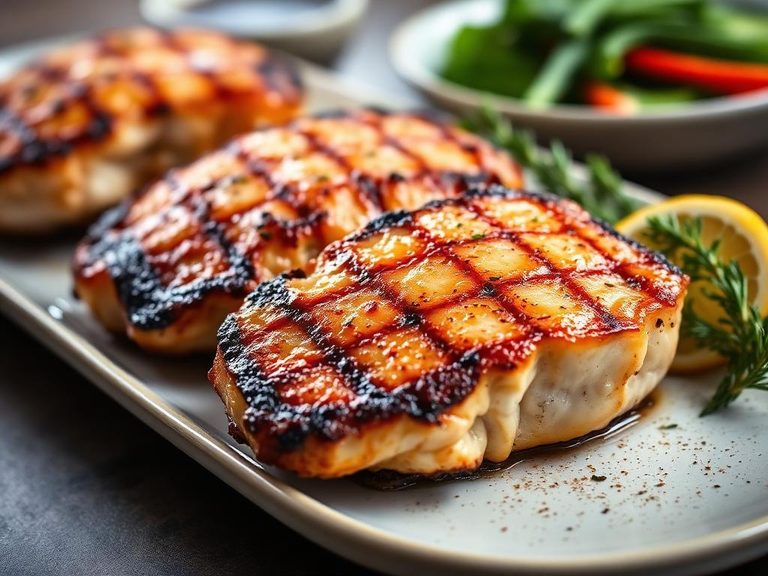
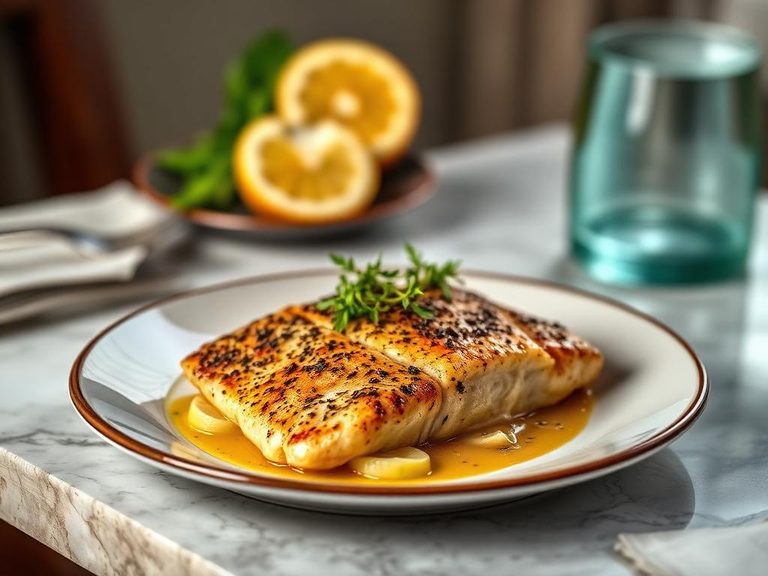
🍽️ Popular dishes
🌍 Where it's eaten
💡 Did you know?
Orange roughy gets its name not from its flesh, which is white, but from the bright orange-red color of its skin and bones.
Full nutrition (USDA data · scales with serving)
| Water | 75.7 g |
| Energy | 76.0 kcal |
| Energy | 320 kj |
| Protein | 16.4 g |
| Total lipid (fat) | 0.70 g |
| Ash | 1.1 g |
| Carbohydrate, by difference | 0.00 g |
| Fiber, total dietary | 0.00 g |
| Total Sugars | 0.00 g |
| Calcium, Ca | 9.0 mg |
| Iron, Fe | 1.0 mg |
| Magnesium, Mg | 17.0 mg |
| Phosphorus, P | 107 mg |
| Potassium, K | 167 mg |
| Sodium, Na | 72.0 mg |
| Zinc, Zn | 0.23 mg |
| Copper, Cu | 0.07 mg |
| Manganese, Mn | 0.05 mg |
| Selenium, Se | 66.7 ug |
| Vitamin C, total ascorbic acid | 0.00 mg |
| Thiamin | 0.03 mg |
| Riboflavin | 0.04 mg |
| Niacin | 1.5 mg |
| Pantothenic acid | 0.05 mg |
| Vitamin B-6 | 0.05 mg |
| Folate, total | 26.0 ug |
| Folic acid | 0.00 ug |
| Folate, food | 26.0 ug |
| Folate, DFE | 26.0 ug |
| Vitamin B-12 | 0.38 ug |
| Vitamin B-12, added | 0.00 ug |
| Vitamin A, RAE | 21.0 ug |
| Retinol | 21.0 ug |
| Carotene, beta | 0.00 ug |
| Carotene, alpha | 0.00 ug |
| Cryptoxanthin, beta | 0.00 ug |
| Vitamin A, IU | 70.0 iu |
| Lycopene | 0.00 ug |
| Lutein + zeaxanthin | 0.00 ug |
| Vitamin E (alpha-tocopherol) | 1.2 mg |
| Vitamin E, added | 0.00 mg |
| Tocopherol, beta | 0.00 mg |
| Tocopherol, gamma | 0.04 mg |
| Tocopherol, delta | 0.00 mg |
| Tocotrienol, alpha | 0.00 mg |
| Tocotrienol, beta | 0.00 mg |
| Tocotrienol, gamma | 0.00 mg |
| Tocotrienol, delta | 0.00 mg |
| Vitamin K (phylloquinone) | 0.70 ug |
| Vitamin K (Dihydrophylloquinone) | 0.00 ug |
| Alcohol, ethyl | 0.00 g |
| Caffeine | 0.00 mg |
| Theobromine | 0.00 mg |
Fat & fatty acid profile (per 100g)
| Fatty acids, total saturated | 0.01 g |
| SFA 4:0 | 0.00 g |
| SFA 6:0 | 0.00 g |
| SFA 8:0 | 0.00 g |
| SFA 10:0 | 0.00 g |
| SFA 12:0 | 0.00 g |
| SFA 14:0 | 0.00 g |
| SFA 15:0 | 0.00 g |
| SFA 16:0 | 0.01 g |
| SFA 17:0 | 0.00 g |
| SFA 18:0 | 0.00 g |
| SFA 20:0 | 0.00 g |
| SFA 22:0 | 0.00 g |
| SFA 24:0 | 0.00 g |
| Fatty acids, total monounsaturated | 0.24 g |
| MUFA 14:1 | 0.00 g |
| MUFA 15:1 | 0.00 g |
| MUFA 16:1 | 0.03 g |
| MUFA 17:1 | 0.00 g |
| MUFA 18:1 | 0.15 g |
| MUFA 20:1 | 0.04 g |
| MUFA 22:1 | 0.02 g |
| Fatty acids, total polyunsaturated | 0.11 g |
| PUFA 18:2 | 0.03 g |
| PUFA 18:3 | 0.00 g |
| PUFA 18:3 n-3 c,c,c (ALA) | 0.00 g |
| PUFA 18:4 | 0.00 g |
| PUFA 20:2 n-6 c,c | 0.04 g |
| PUFA 20:3 | 0.00 g |
| PUFA 20:4 | 0.01 g |
| PUFA 20:5 n-3 (EPA) | 0.00 g |
| PUFA 22:5 n-3 (DPA) | 0.00 g |
| PUFA 22:6 n-3 (DHA) | 0.01 g |
| Cholesterol | 60.0 mg |
Amino acid profile (per 100g)
| Tryptophan | 0.18 g |
| Threonine | 0.74 g |
| Isoleucine | 0.77 g |
| Leucine | 1.3 g |
| Lysine | 1.5 g |
| Methionine | 0.53 g |
| Cystine | 0.17 g |
| Phenylalanine | 0.63 g |
| Tyrosine | 0.57 g |
| Valine | 0.79 g |
| Arginine | 1.0 g |
| Histidine | 0.34 g |
| Alanine | 0.92 g |
| Aspartic acid | 1.8 g |
| Glutamic acid | 2.7 g |
| Glycine | 0.65 g |
| Proline | 0.55 g |
| Serine | 0.68 g |
FAQ
What does orange roughy taste like?
It has a very mild, slightly sweet flavor with a clean, non-fishy taste. The texture is firm and the flesh is white and flakes easily.
Is orange roughy healthy?
Yes, it is an excellent source of lean protein and is very low in fat and calories. However, due to its long lifespan, it can be higher in mercury, so consumption should be moderated.
How should I cook orange roughy?
It's best with quick, moist-heat cooking methods like baking, broiling, or pan-searing. Avoid overcooking as it can dry out. It pairs well with lemon, herbs, and light sauces.
Is orange roughy a sustainable seafood choice?
Sustainability varies by region and fishing method. It's best to look for certifications like Marine Stewardship Council (MSC) or consult guides like Monterey Bay Aquarium's Seafood Watch for the most current recommendations.
Nutrient density (calculated · NRF9.3)
Nutrient Rich Foods index: beneficial nutrients (protein, fiber, vitamins, minerals) minus saturated fat, added sugar & sodium, per 100 kcal.
NRF9.3 index — Fulgoni, Keast & Drewnowski, 2009. Computed from USDA nutrients.
Weight-loss friendliness (composite index)
Energy density 0.76 kcal/g · 86% calories from protein · 0.0 g fiber · 0.0 g sugar per 100 g.
Composite of energy density (Rolls et al., 1999), protein & fiber satiety, minus sugar. A calculated heuristic — ranks satiety-per-calorie, not a clinical measure.
Dietary load (calculated from USDA values)
Potential renal acid load. Positive = acid-forming, negative = alkaline-forming.
Sodium-to-potassium ratio: 0.43 (lower is better — aim for ≤ 1)
Sodium:potassium per WHO potassium guidance. Computed from USDA nutrients.