

Beef, chuck eye Country-Style ribs, boneless, separable lean and fat, trimmed to 0" fat, choice, cooked, braised
Whole food · Beef Products

Photo: Wikipedia
This is a richly marbled cut from the beef chuck, slow-braised until the lean meat becomes fork-tender while the intramuscular fat melts into a deeply savory, unctuous sauce. The texture is a perfect balance of soft, flaky meat and gelatinous, collagen-rich bits, delivering a robust, beefy flavor without any added carbs. Nutritionally, it's a powerhouse of complete protein and satisfying fats, making it ideal for high-protein, low-carb diets.
Calorie split: 36% protein · 0% carbs · 64% fat
↓ Full nutrition💚 Why it's loved
People adore it for its unparalleled depth of flavor and melt-in-your-mouth texture, which transforms a humble cut into a luxurious meal. It's the ultimate comfort food, deeply embedded in home cooking traditions from American pot roasts to Asian braises, symbolizing warmth and generosity.
⚠️ Watch-outs & how to enjoy it better
The high fat content (over 21g per 100g) makes it calorie-dense, requiring portion control for those managing weight or heart health. To mitigate this, pair it with large servings of non-starchy vegetables (like roasted broccoli or a vinegar-based slaw) to add volume and fiber, and skim excess rendered fat from the braising liquid before serving.
Key benefits
- Excellent source of complete protein for muscle maintenance and repair.
- Provides essential minerals like zinc and iron in highly bioavailable heme form.
- Contains collagen and gelatin, which support joint and gut health.
- Zero carbohydrates, making it suitable for ketogenic and carnivore diets.
- High satiety factor from protein and fat helps with appetite control.
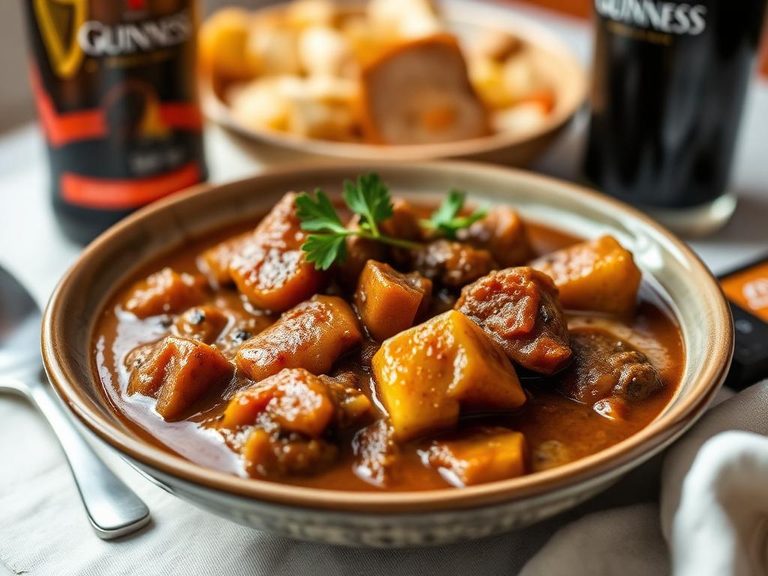
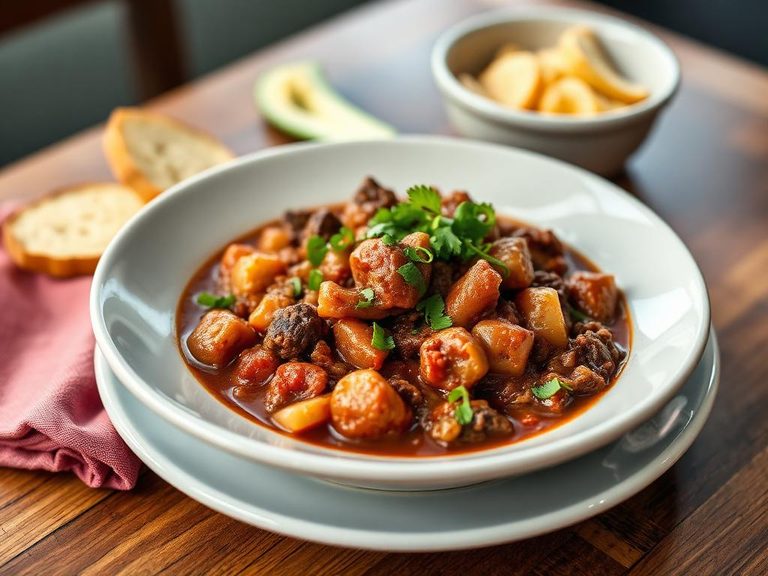
🍽️ Popular dishes
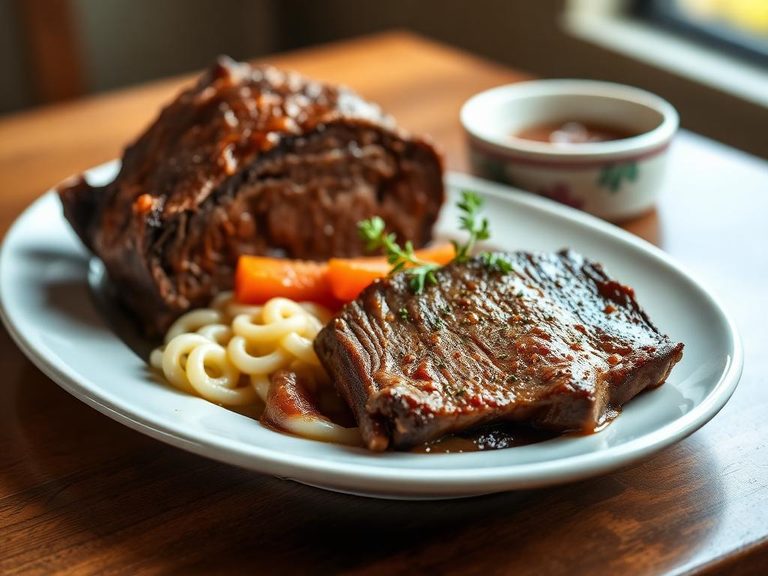
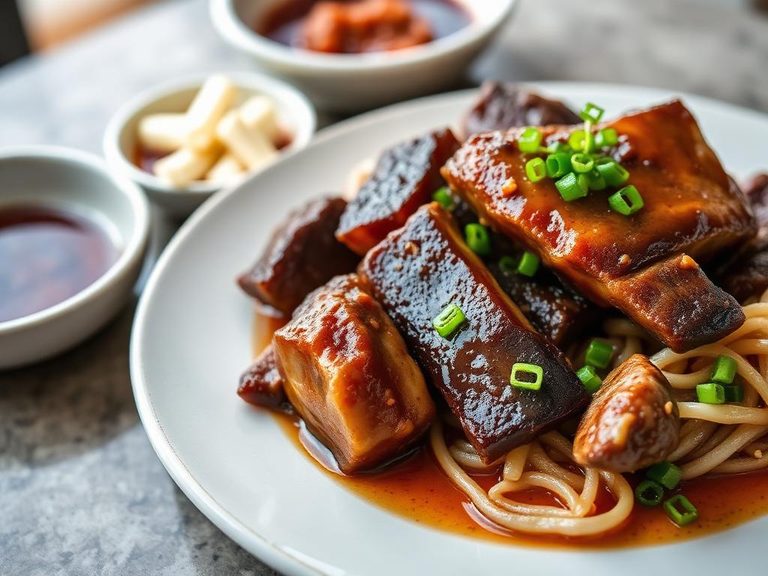
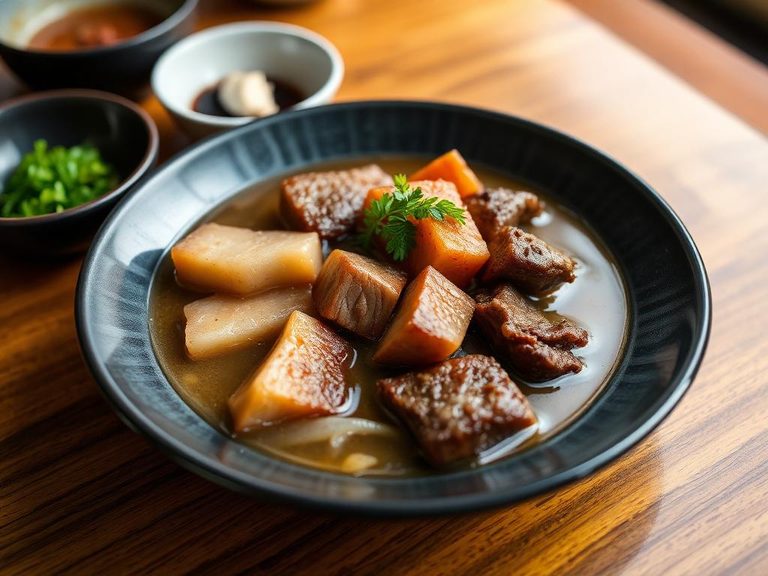
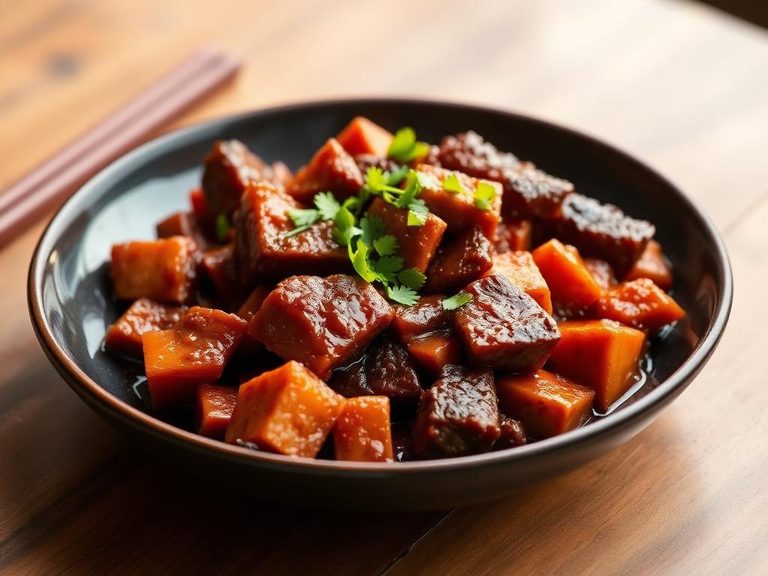
🌍 Where it's eaten
💡 Did you know?
The 'chuck eye' is anatomically the continuation of the ribeye muscle (longissimus dorsi) into the shoulder, which is why it's often called the 'poor man's ribeye' for its similar marbling at a lower cost.
Full nutrition (USDA data · scales with serving)
| Water | 51.4 g |
| Energy | 303 kcal |
| Energy | 1266 kj |
| Protein | 27.2 g |
| Total lipid (fat) | 21.6 g |
| Ash | 0.94 g |
| Carbohydrate, by difference | 0.00 g |
| Fiber, total dietary | 0.00 g |
| Total Sugars | 0.00 g |
| Calcium, Ca | 16.0 mg |
| Iron, Fe | 2.5 mg |
| Magnesium, Mg | 16.0 mg |
| Phosphorus, P | 169 mg |
| Potassium, K | 241 mg |
| Sodium, Na | 65.0 mg |
| Zinc, Zn | 8.9 mg |
| Copper, Cu | 0.10 mg |
| Manganese, Mn | 0.01 mg |
| Selenium, Se | 31.7 ug |
| Vitamin C, total ascorbic acid | 0.00 mg |
| Thiamin | 0.07 mg |
| Riboflavin | 0.21 mg |
| Niacin | 3.8 mg |
| Pantothenic acid | 0.67 mg |
| Vitamin B-6 | 0.27 mg |
| Folate, total | 7.0 ug |
| Folic acid | 0.00 ug |
| Folate, food | 7.0 ug |
| Folate, DFE | 7.0 ug |
| Choline, total | 88.9 mg |
| Betaine | 17.1 mg |
| Vitamin B-12 | 3.1 ug |
| Vitamin B-12, added | 0.00 ug |
| Vitamin A, RAE | 8.0 ug |
| Retinol | 8.0 ug |
| Carotene, beta | 0.00 ug |
| Carotene, alpha | 0.00 ug |
| Cryptoxanthin, beta | 0.00 ug |
| Vitamin A, IU | 26.0 iu |
| Lycopene | 0.00 ug |
| Lutein + zeaxanthin | 0.00 ug |
| Vitamin E (alpha-tocopherol) | 0.11 mg |
| Vitamin E, added | 0.00 mg |
| Vitamin D (D2 + D3), International Units | 6.0 iu |
| Vitamin D (D2 + D3) | 0.20 ug |
| Vitamin D3 (cholecalciferol) | 0.20 ug |
| Vitamin K (phylloquinone) | 1.6 ug |
| Alcohol, ethyl | 0.00 g |
| Caffeine | 0.00 mg |
| Theobromine | 0.00 mg |
Fat & fatty acid profile (per 100g)
| Fatty acids, total saturated | 9.3 g |
| SFA 4:0 | 0.00 g |
| SFA 6:0 | 0.00 g |
| SFA 8:0 | 0.00 g |
| SFA 10:0 | 0.00 g |
| SFA 12:0 | 0.00 g |
| SFA 14:0 | 0.62 g |
| SFA 16:0 | 5.0 g |
| SFA 17:0 | 0.28 g |
| SFA 18:0 | 3.3 g |
| SFA 20:0 | 0.02 g |
| SFA 24:0 | 0.01 g |
| Fatty acids, total monounsaturated | 10.4 g |
| MUFA 14:1 | 0.12 g |
| MUFA 16:1 | 0.64 g |
| MUFA 16:1 c | 0.64 g |
| MUFA 17:1 | 0.17 g |
| MUFA 18:1 | 9.4 g |
| MUFA 18:1 c | 8.0 g |
| MUFA 18:1-11 t (18:1t n-7) | 0.52 g |
| MUFA 20:1 | 0.05 g |
| MUFA 22:1 | 0.00 g |
| Fatty acids, total polyunsaturated | 0.88 g |
| PUFA 18:2 | 0.78 g |
| PUFA 18:2 n-6 c,c | 0.67 g |
| PUFA 18:2 CLAs | 0.11 g |
| PUFA 18:3 | 0.04 g |
| PUFA 18:3 n-3 c,c,c (ALA) | 0.04 g |
| PUFA 18:4 | 0.00 g |
| PUFA 20:2 n-6 c,c | 0.01 g |
| PUFA 20:4 | 0.04 g |
| PUFA 20:5 n-3 (EPA) | 0.00 g |
| PUFA 22:5 n-3 (DPA) | 0.00 g |
| PUFA 22:6 n-3 (DHA) | 0.00 g |
| Fatty acids, total trans | 1.3 g |
| Fatty acids, total trans-monoenoic | 1.3 g |
| TFA 18:1 t | 1.3 g |
| Cholesterol | 96.0 mg |
Amino acid profile (per 100g)
| Tryptophan | 0.31 g |
| Threonine | 1.2 g |
| Isoleucine | 1.2 g |
| Leucine | 2.2 g |
| Lysine | 2.4 g |
| Methionine | 0.77 g |
| Cystine | 0.28 g |
| Phenylalanine | 1.0 g |
| Tyrosine | 0.94 g |
| Valine | 1.2 g |
| Arginine | 1.8 g |
| Histidine | 0.88 g |
| Alanine | 1.5 g |
| Aspartic acid | 2.4 g |
| Glutamic acid | 4.3 g |
| Glycine | 1.2 g |
| Proline | 1.1 g |
| Serine | 1.0 g |
| Hydroxyproline | 0.19 g |
FAQ
What's the best way to cook it to ensure tenderness?
Low-and-slow moist heat methods are essential. Braise it in liquid (like broth, wine, or tomatoes) in a covered pot at 300-325°F (150-160°C) for 2.5-3.5 hours, or until the connective tissue has fully broken down.
Is the fat content unhealthy?
While high in total fat, much of it is monounsaturated (similar to olive oil) and it contains beneficial stearic acid. The key is moderation and balancing it with vegetables and lean proteins in your overall diet.
Can I use a slow cooker or Instant Pot?
Yes, both are excellent. A slow cooker on low for 6-8 hours works perfectly. For an Instant Pot, pressure cook for 45-60 minutes with a natural release to achieve similar tenderness in a fraction of the time.
How do I reduce the greasy feeling after eating?
Chill the cooked dish and skim the solidified fat from the surface before reheating. Serving it with a bright, acidic side like a green salad with vinaigrette or pickled vegetables also cuts through the richness.
Nutrient density (calculated · NRF9.3)
Nutrient Rich Foods index: beneficial nutrients (protein, fiber, vitamins, minerals) minus saturated fat, added sugar & sodium, per 100 kcal.
NRF9.3 index — Fulgoni, Keast & Drewnowski, 2009. Computed from USDA nutrients.
Weight-loss friendliness (composite index)
Energy density 3.03 kcal/g · 36% calories from protein · 0.0 g fiber · 0.0 g sugar per 100 g.
Composite of energy density (Rolls et al., 1999), protein & fiber satiety, minus sugar. A calculated heuristic — ranks satiety-per-calorie, not a clinical measure.
Dietary load (calculated from USDA values)
Potential renal acid load. Positive = acid-forming, negative = alkaline-forming.
Sodium-to-potassium ratio: 0.27 (lower is better — aim for ≤ 1)
Sodium:potassium per WHO potassium guidance. Computed from USDA nutrients.