

Applesauce, canned, unsweetened, without added ascorbic acid (Includes foods for USDA's Food Distribution Program)
Whole food · Fruits and Fruit Juices
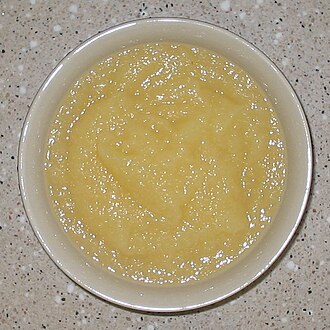
Photo: Wikipedia
This is the classic, smooth, and gently sweet purée of cooked apples, often found in cans or jars. Its texture is uniformly velvety, lacking the chunkiness of homemade versions, with a mild, comforting apple flavor that's not overly tart or sweet. Nutritionally, it's a light, low-calorie source of quick energy from natural sugars and a modest amount of fiber.
Calorie split: 1% protein · 97% carbs · 2% fat
↓ Full nutrition💚 Why it's loved
People love it for its nostalgic, comforting simplicity and velvety texture that's easy to eat for all ages. Its mild flavor makes it a versatile base for both sweet and savory dishes, from breakfast bowls to glazes for meats.
⚠️ Watch-outs & how to enjoy it better
The high natural sugar content (9.39g per 100g) can cause a rapid blood-sugar spike, making portion control important for those managing diabetes. To counteract this, pair it with a source of protein or healthy fat, like a dollop of Greek yogurt or a handful of nuts, to slow sugar absorption.
Key benefits
- Low in fat and a good source of quick energy from carbohydrates.
- Provides dietary fiber, which supports digestive health.
- Naturally free of common allergens like nuts, dairy, and gluten.
- A convenient, shelf-stable fruit option for food distribution programs.
- Contains no added sugars, relying solely on the fruit's natural sweetness.
🍽️ Popular dishes
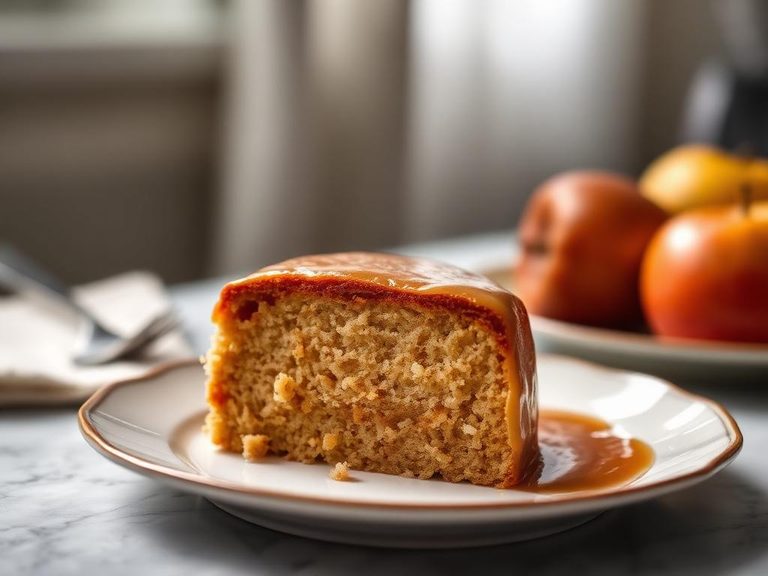
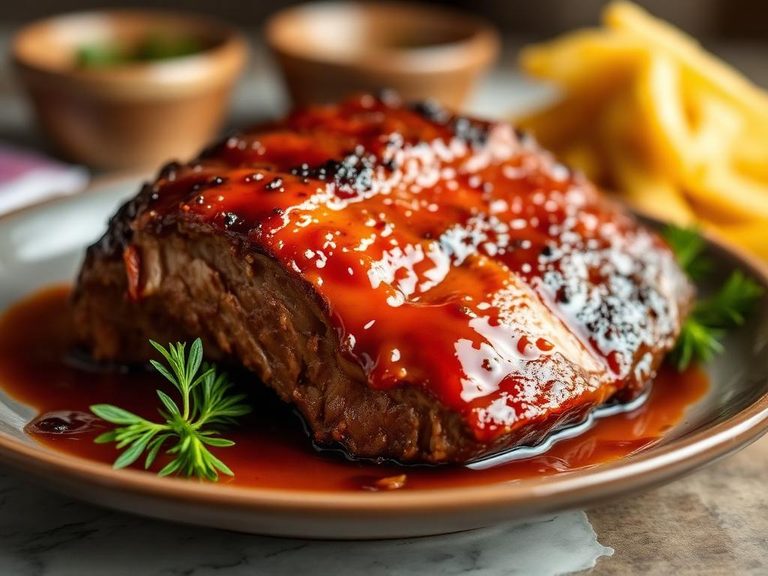
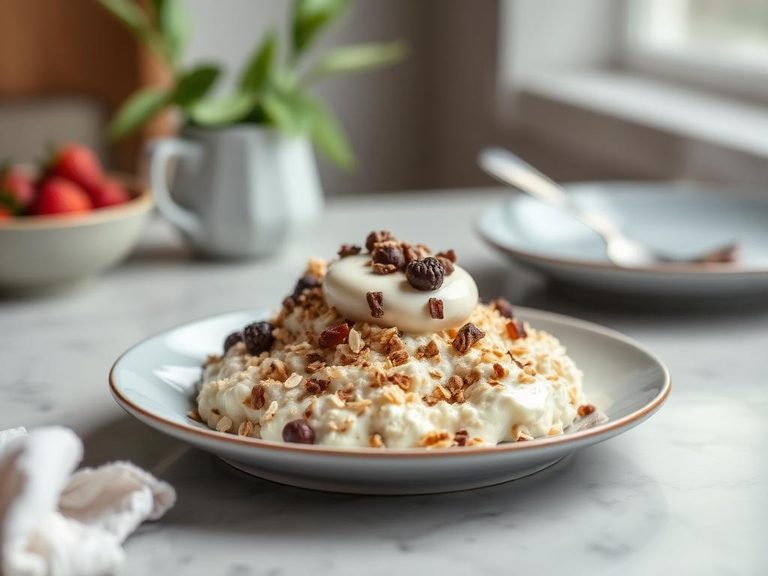
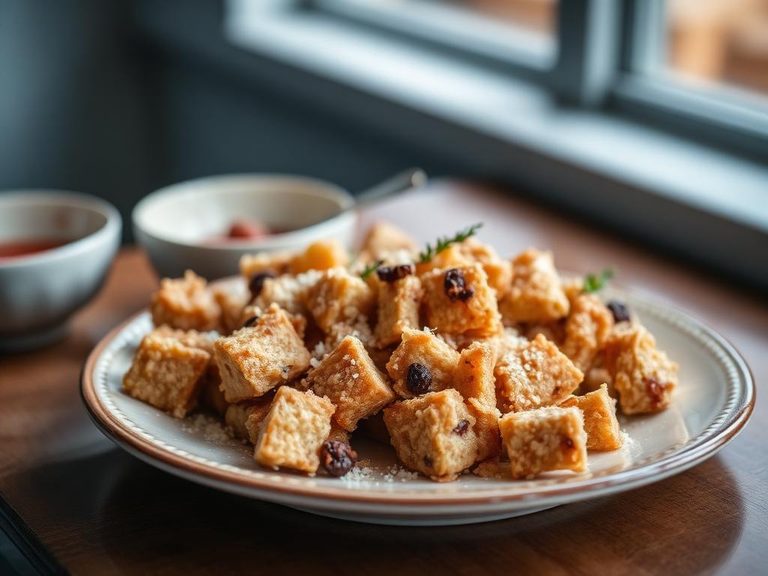
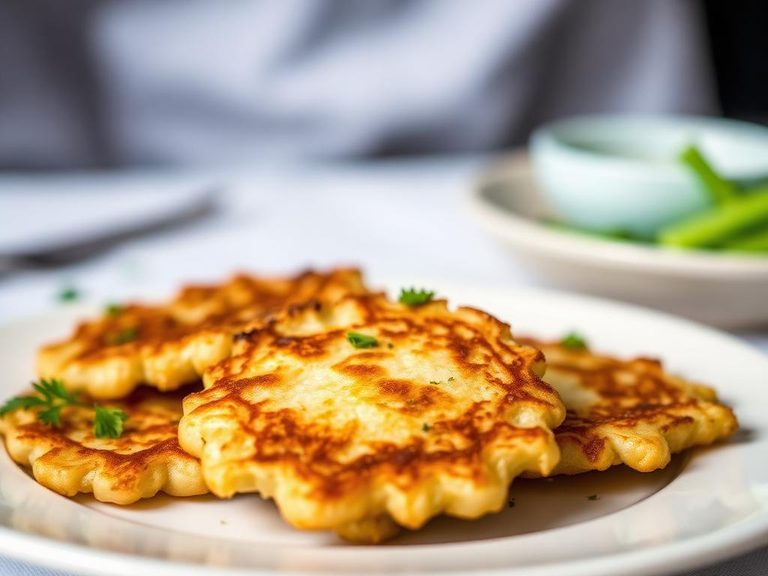
🌍 Where it's eaten
💡 Did you know?
Unsweetened canned applesauce was a key component of the U.S. government's commodity food programs, providing a shelf-stable fruit source to schools and food banks for decades.
Full nutrition (USDA data · scales with serving)
| Water | 88.2 g |
| Energy | 42.0 kcal |
| Energy | 176 kj |
| Protein | 0.17 g |
| Total lipid (fat) | 0.10 g |
| Ash | 0.24 g |
| Carbohydrate, by difference | 11.3 g |
| Fiber, total dietary | 1.1 g |
| Total Sugars | 9.4 g |
| Sucrose | 1.1 g |
| Glucose | 2.3 g |
| Fructose | 5.9 g |
| Lactose | 0.00 g |
| Maltose | 0.07 g |
| Galactose | 0.00 g |
| Starch | 0.00 g |
| Calcium, Ca | 4.0 mg |
| Iron, Fe | 0.23 mg |
| Magnesium, Mg | 3.0 mg |
| Phosphorus, P | 5.0 mg |
| Potassium, K | 74.0 mg |
| Sodium, Na | 2.0 mg |
| Zinc, Zn | 0.03 mg |
| Copper, Cu | 0.03 mg |
| Manganese, Mn | 0.03 mg |
| Selenium, Se | 0.30 ug |
| Vitamin C, total ascorbic acid | 1.0 mg |
| Thiamin | 0.03 mg |
| Riboflavin | 0.03 mg |
| Niacin | 0.08 mg |
| Pantothenic acid | 0.04 mg |
| Vitamin B-6 | 0.03 mg |
| Folate, total | 3.0 ug |
| Folic acid | 0.00 ug |
| Folate, food | 3.0 ug |
| Folate, DFE | 3.0 ug |
| Choline, total | 2.2 mg |
| Betaine | 0.40 mg |
| Vitamin B-12 | 0.00 ug |
| Vitamin B-12, added | 0.00 ug |
| Vitamin A, RAE | 1.0 ug |
| Retinol | 0.00 ug |
| Carotene, beta | 13.0 ug |
| Carotene, alpha | 0.00 ug |
| Cryptoxanthin, beta | 9.0 ug |
| Vitamin A, IU | 29.0 iu |
| Lycopene | 0.00 ug |
| Lutein + zeaxanthin | 18.0 ug |
| Vitamin E (alpha-tocopherol) | 0.16 mg |
| Vitamin E, added | 0.00 mg |
| Tocopherol, beta | 0.00 mg |
| Tocopherol, gamma | 0.00 mg |
| Tocopherol, delta | 0.00 mg |
| Tocotrienol, alpha | 0.02 mg |
| Tocotrienol, beta | 0.00 mg |
| Tocotrienol, gamma | 0.00 mg |
| Tocotrienol, delta | 0.00 mg |
| Vitamin D (D2 + D3), International Units | 0.00 iu |
| Vitamin D (D2 + D3) | 0.00 ug |
| Vitamin K (phylloquinone) | 0.50 ug |
| Vitamin K (Dihydrophylloquinone) | 0.00 ug |
| Vitamin K (Menaquinone-4) | 0.00 ug |
| Alcohol, ethyl | 0.00 g |
| Caffeine | 0.00 mg |
| Theobromine | 0.00 mg |
Fat & fatty acid profile (per 100g)
| Fatty acids, total saturated | 0.01 g |
| SFA 4:0 | 0.00 g |
| SFA 6:0 | 0.00 g |
| SFA 8:0 | 0.00 g |
| SFA 10:0 | 0.00 g |
| SFA 12:0 | 0.00 g |
| SFA 14:0 | 0.00 g |
| SFA 16:0 | 0.01 g |
| SFA 18:0 | 0.00 g |
| Fatty acids, total monounsaturated | 0.00 g |
| MUFA 16:1 | 0.00 g |
| MUFA 18:1 | 0.00 g |
| MUFA 20:1 | 0.00 g |
| MUFA 22:1 | 0.00 g |
| Fatty acids, total polyunsaturated | 0.01 g |
| PUFA 18:2 | 0.01 g |
| PUFA 18:3 | 0.00 g |
| PUFA 18:4 | 0.00 g |
| PUFA 20:4 | 0.00 g |
| PUFA 20:5 n-3 (EPA) | 0.00 g |
| PUFA 22:5 n-3 (DPA) | 0.00 g |
| PUFA 22:6 n-3 (DHA) | 0.00 g |
| Fatty acids, total trans | 0.00 g |
| Cholesterol | 0.00 mg |
Amino acid profile (per 100g)
| Tryptophan | 0.00 g |
| Threonine | 0.01 g |
| Isoleucine | 0.01 g |
| Leucine | 0.01 g |
| Lysine | 0.01 g |
| Methionine | 0.00 g |
| Cystine | 0.00 g |
| Phenylalanine | 0.01 g |
| Tyrosine | 0.00 g |
| Valine | 0.01 g |
| Arginine | 0.01 g |
| Histidine | 0.00 g |
| Alanine | 0.01 g |
| Aspartic acid | 0.03 g |
| Glutamic acid | 0.02 g |
| Glycine | 0.01 g |
| Proline | 0.01 g |
| Serine | 0.01 g |
FAQ
Is this the same as apple butter?
No. Apple butter is much thicker, darker, and more concentrated, cooked down for hours with spices until it caramelizes. Applesauce is a lighter, smoother purée.
Can I use this in baking?
Yes, it's a popular fat substitute. It adds moisture and natural sweetness but will make baked goods denser and softer, not flaky. A 1:1 substitution for oil or butter is common.
Why is there no added ascorbic acid (Vitamin C)?
Ascorbic acid is often added to prevent browning. Its absence here means the product relies on other preservation methods (like heat processing and canning) and may have a slightly less vibrant color.
Nutrient density (calculated · NRF9.3)
Nutrient Rich Foods index: beneficial nutrients (protein, fiber, vitamins, minerals) minus saturated fat, added sugar & sodium, per 100 kcal.
NRF9.3 index — Fulgoni, Keast & Drewnowski, 2009. Computed from USDA nutrients.
Weight-loss friendliness (composite index)
Energy density 0.42 kcal/g · 2% calories from protein · 1.1 g fiber · 9.4 g sugar per 100 g.
Composite of energy density (Rolls et al., 1999), protein & fiber satiety, minus sugar. A calculated heuristic — ranks satiety-per-calorie, not a clinical measure.
Dietary load (calculated from USDA values)
Potential renal acid load. Positive = acid-forming, negative = alkaline-forming.
Sodium-to-potassium ratio: 0.03 (lower is better — aim for ≤ 1)
Sodium:potassium per WHO potassium guidance. Computed from USDA nutrients.