

Lamb, New Zealand, imported, brains, raw
Whole food · Lamb, Veal, and Game Products
Lamb brains are a delicate, creamy organ meat with a subtle, mild flavor and a soft, custard-like texture when cooked properly. They are a nutrient-dense food, exceptionally high in protein and healthy fats while containing zero carbohydrates. Nutritionally, they are a standout source of essential nutrients like choline, vitamin B12, and selenium.
Calorie split: 39% protein · 0% carbs · 61% fat
↓ Full nutrition💚 Why it's loved
People love lamb brains for their unique, luxurious texture and mild, meaty flavor that absorbs seasonings beautifully. They are a prized ingredient in many culinary traditions for their versatility in frying, poaching, or adding to rich stews and curries.
⚠️ Watch-outs & how to enjoy it better
Due to their high cholesterol and purine content, individuals with specific health conditions like gout or hyperlipidemia should consume them in moderation or avoid them. To mitigate purine intake, ensure thorough cooking and consider pairing with low-purine vegetables and staying well-hydrated.
Key benefits
- Excellent source of high-quality protein for muscle maintenance.
- Rich in choline, crucial for brain health and function.
- Provides significant vitamin B12, vital for nerve function and red blood cell formation.
- Contains selenium, a powerful antioxidant that supports thyroid health.
- Naturally low in carbohydrates, suitable for ketogenic diets.
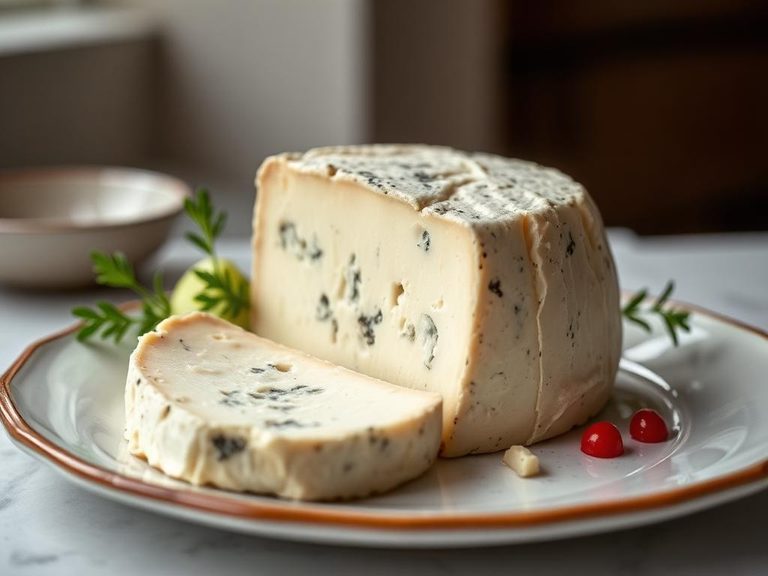
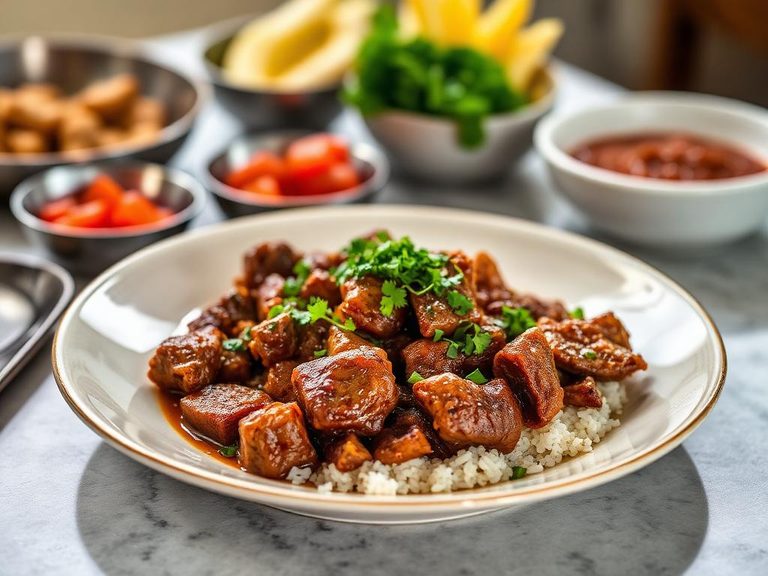
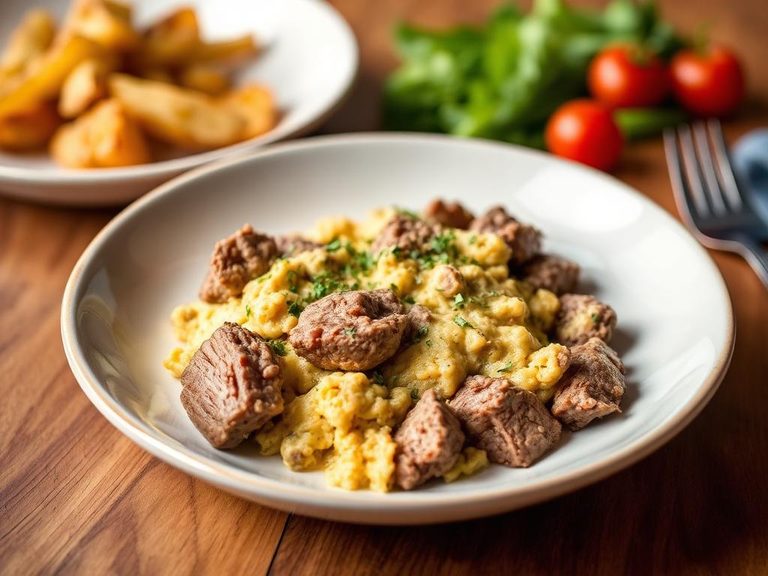
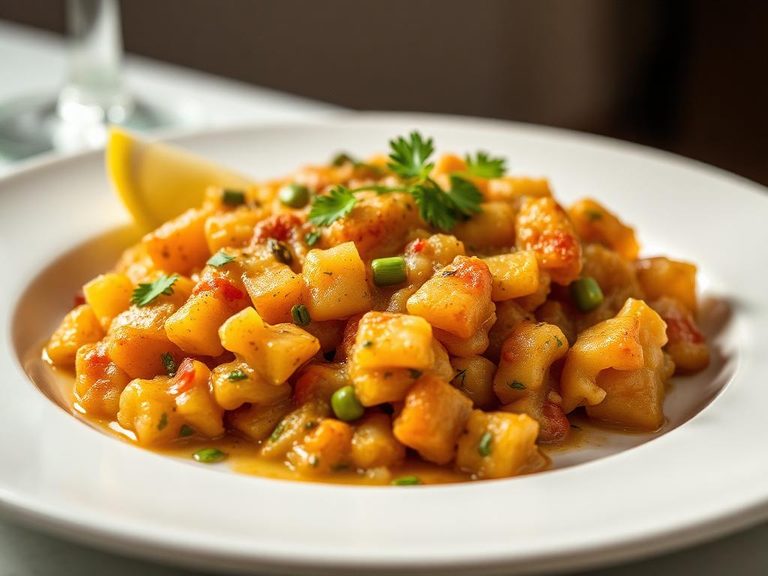
🍽️ Popular dishes
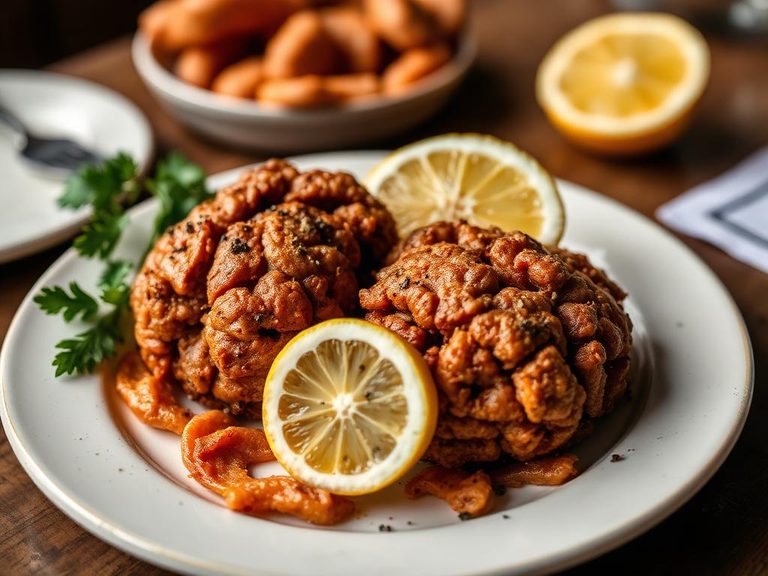
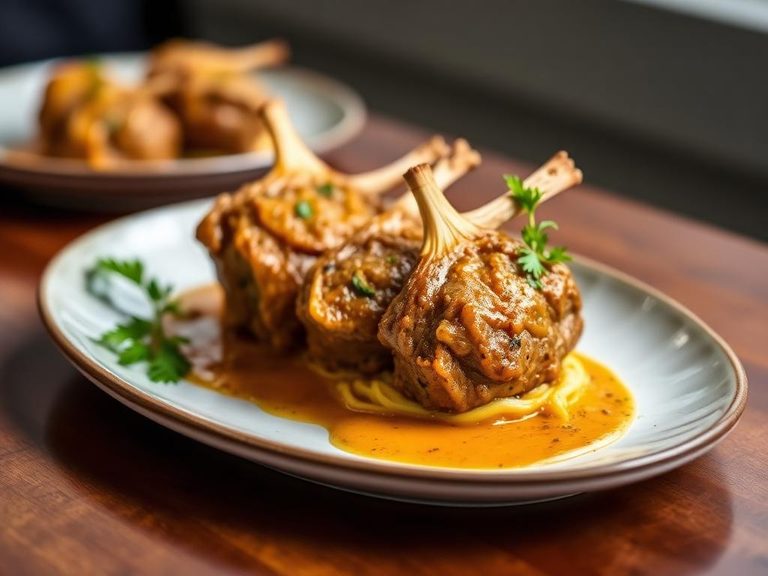
🌍 Where it's eaten
💡 Did you know?
In classical French cuisine, lamb brains were often used to create a 'mousse' or 'foie gras' substitute, prized for their similar rich, fatty texture.
Full nutrition (USDA data · scales with serving)
| Water | 78.5 g |
| Energy | 118 kcal |
| Energy | 492 kj |
| Protein | 11.3 g |
| Total lipid (fat) | 8.0 g |
| Ash | 2.5 g |
| Carbohydrate, by difference | 0.00 g |
| Fiber, total dietary | 0.00 g |
| Total Sugars | 0.00 g |
| Calcium, Ca | 4.0 mg |
| Iron, Fe | 1.1 mg |
| Magnesium, Mg | 14.0 mg |
| Phosphorus, P | 327 mg |
| Potassium, K | 307 mg |
| Sodium, Na | 117 mg |
| Zinc, Zn | 1.1 mg |
| Copper, Cu | 0.30 mg |
| Manganese, Mn | 0.03 mg |
| Selenium, Se | 13.5 ug |
| Vitamin C, total ascorbic acid | 0.00 mg |
| Thiamin | 0.10 mg |
| Riboflavin | 0.20 mg |
| Niacin | 3.8 mg |
| Pantothenic acid | 1.9 mg |
| Vitamin B-6 | 0.09 mg |
| Vitamin B-12 | 10.0 ug |
| Vitamin A, RAE | 3.0 ug |
| Retinol | 3.0 ug |
| Carotene, beta | 0.00 ug |
| Carotene, alpha | 0.00 ug |
| Cryptoxanthin, beta | 0.00 ug |
| Vitamin A, IU | 10.0 iu |
| Lycopene | 0.00 ug |
| Lutein + zeaxanthin | 0.00 ug |
| Vitamin E (alpha-tocopherol) | 0.87 mg |
| Vitamin D (D2 + D3), International Units | 0.00 iu |
| Vitamin D (D2 + D3) | 0.00 ug |
| Vitamin D3 (cholecalciferol) | 0.00 ug |
| Alcohol, ethyl | 0.00 g |
| Caffeine | 0.00 mg |
| Theobromine | 0.00 mg |
Fat & fatty acid profile (per 100g)
| Fatty acids, total saturated | 1.0 g |
| SFA 4:0 | 0.00 g |
| SFA 6:0 | 0.00 g |
| SFA 8:0 | 0.00 g |
| SFA 10:0 | 0.00 g |
| SFA 12:0 | 0.00 g |
| SFA 14:0 | 0.01 g |
| SFA 16:0 | 0.43 g |
| SFA 17:0 | 0.04 g |
| SFA 18:0 | 0.50 g |
| SFA 20:0 | 0.01 g |
| SFA 22:0 | 0.04 g |
| SFA 24:0 | 0.00 g |
| Fatty acids, total monounsaturated | 2.2 g |
| MUFA 14:1 | 0.00 g |
| MUFA 15:1 | 0.00 g |
| MUFA 16:1 | 0.02 g |
| MUFA 16:1 c | 0.01 g |
| MUFA 17:1 | 0.00 g |
| MUFA 18:1 | 1.3 g |
| MUFA 18:1 c | 0.59 g |
| MUFA 20:1 | 0.00 g |
| MUFA 22:1 | 0.07 g |
| MUFA 22:1 c | 0.03 g |
| MUFA 24:1 c | 0.18 g |
| Fatty acids, total polyunsaturated | 0.78 g |
| PUFA 18:2 | 0.01 g |
| PUFA 18:2 n-6 c,c | 0.01 g |
| PUFA 18:2 CLAs | 0.00 g |
| PUFA 18:3 | 0.00 g |
| PUFA 18:3 n-3 c,c,c (ALA) | 0.00 g |
| PUFA 18:3 n-6 c,c,c | 0.00 g |
| PUFA 18:4 | 0.00 g |
| PUFA 20:2 n-6 c,c | 0.00 g |
| PUFA 20:3 | 0.02 g |
| PUFA 20:3 n-3 | 0.00 g |
| PUFA 20:3 n-6 | 0.02 g |
| PUFA 20:4 | 0.15 g |
| PUFA 20:4 n-6 | 0.15 g |
| PUFA 20:5 n-3 (EPA) | 0.00 g |
| PUFA 22:5 n-3 (DPA) | 0.06 g |
| PUFA 22:6 n-3 (DHA) | 0.36 g |
| Fatty acids, total trans | 0.03 g |
| Fatty acids, total trans-monoenoic | 0.03 g |
| TFA 16:1 t | 0.00 g |
| TFA 18:1 t | 0.03 g |
| TFA 18:2 t,t | 0.00 g |
| Fatty acids, total trans-polyenoic | 0.00 g |
| Cholesterol | 2100 mg |
Amino acid profile (per 100g)
| Tryptophan | 0.13 g |
| Threonine | 0.54 g |
| Isoleucine | 0.51 g |
| Leucine | 0.88 g |
| Lysine | 0.99 g |
| Methionine | 0.37 g |
| Cystine | 0.15 g |
| Phenylalanine | 0.45 g |
| Tyrosine | 0.39 g |
| Valine | 0.58 g |
| Arginine | 0.76 g |
| Histidine | 0.24 g |
| Alanine | 0.56 g |
| Glutamic acid | 1.6 g |
| Glycine | 0.48 g |
| Proline | 0.36 g |
| Serine | 0.39 g |
FAQ
How do you prepare lamb brains before cooking?
Soak them in cold water or milk for 1-2 hours to draw out any blood, then carefully remove the thin membrane and any visible blood vessels before cooking.
What is the best cooking method for lamb brains?
Gentle cooking is key. Poaching in broth, lightly sautéing in butter, or breading and frying are popular methods that preserve their delicate texture.
Are lamb brains safe to eat?
When sourced from reputable suppliers and cooked thoroughly, they are safe. However, like all organ meats, they should be consumed in moderation as part of a balanced diet.
Nutrient density (calculated · NRF9.3)
Nutrient Rich Foods index: beneficial nutrients (protein, fiber, vitamins, minerals) minus saturated fat, added sugar & sodium, per 100 kcal.
NRF9.3 index — Fulgoni, Keast & Drewnowski, 2009. Computed from USDA nutrients.
Weight-loss friendliness (composite index)
Energy density 1.18 kcal/g · 38% calories from protein · 0.0 g fiber · 0.0 g sugar per 100 g.
Composite of energy density (Rolls et al., 1999), protein & fiber satiety, minus sugar. A calculated heuristic — ranks satiety-per-calorie, not a clinical measure.
Dietary load (calculated from USDA values)
Potential renal acid load. Positive = acid-forming, negative = alkaline-forming.
Sodium-to-potassium ratio: 0.38 (lower is better — aim for ≤ 1)
Sodium:potassium per WHO potassium guidance. Computed from USDA nutrients.