

Khash
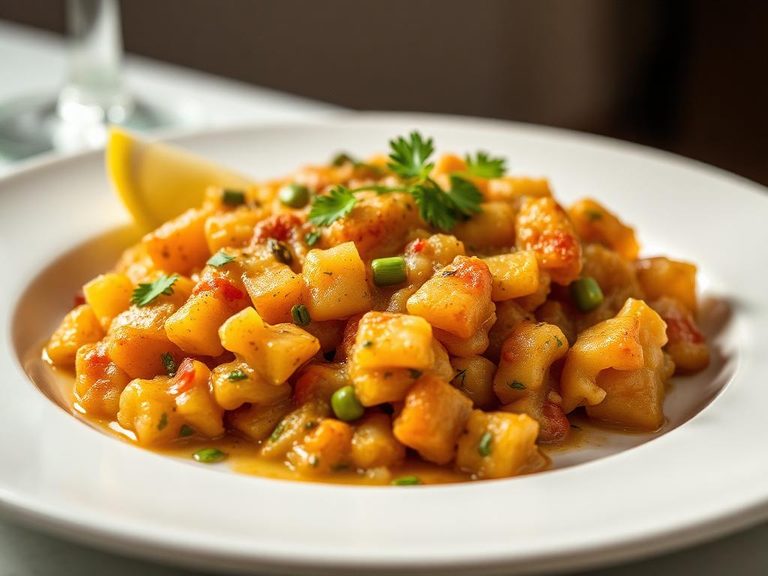
Khash is a traditional slow-cooked stew made from cow or sheep's feet (and sometimes head), typically served in a clear broth. It is a beloved winter dish originating from the Caucasus region, including Armenia, Georgia, Azerbaijan, and parts of Iran and Turkey. The dish is usually seasoned simply with salt, garlic, and served with accompaniments like lavash bread, fresh herbs, and a side of vinegar or lemon.
🍽️ Nutrition at a glance
Khash is very high in protein and collagen from the slow-cooked connective tissues, with a moderate amount of fat and virtually no carbohydrates. It is a rich source of minerals like iron, zinc, and phosphorus, and provides a substantial amount of glycine and proline amino acids. A typical serving can range from 300 to 500 calories, depending on the portion of meat and broth consumed.
Nutrition breakdown
| Calories | 420 kcal |
| Protein | 38 g |
| Carbs | 2 g |
| Fat | 28 g |
| Fiber | 0 g |
| Sugar | 0 g |
| Sodium | 850 mg |
| Iron | 4.5 mg |
| Zinc | 8 mg |
| Phosphorus | 280 mg |
| Potassium | 310 mg |
| Magnesium | 25 mg |
| Vitamin B12 | 2.8 mcg |
| Niacin (B3) | 5 mg |
| Collagen/Gelatin | High (estimated 15-20 g) |
Per 1 bowl (400 g, including broth and meat) · estimated, varies by recipe
💡 What's interesting
Culturally, Khash is often a communal dish, traditionally eaten for breakfast or a late-night meal during cold months, and its preparation is considered an event in itself. Nutritionally, the long simmering process breaks down collagen into gelatin, which is highly beneficial for gut, joint, and skin health.
AI estimate may be inaccurate · Terms