

Lamb, Australian, imported, fresh, leg, hindshank, heel on, bone-in, separable lean and fat, trimmed to 1/8" fat, raw
Whole food · Lamb, Veal, and Game Products

Photo: Wikipedia
This is a raw, bone-in hindshank from an Australian lamb, a cut prized for its deep, robust flavor and generous marbling. When slow-cooked, the abundant collagen melts into a silky, unctuous gelatin, transforming the tough muscle into fork-tender, succulent meat. Nutritionally, it's a powerhouse of protein and healthy fats, with virtually no carbohydrates.
Calorie split: 42% protein · 0% carbs · 58% fat
↓ Full nutrition💚 Why it's loved
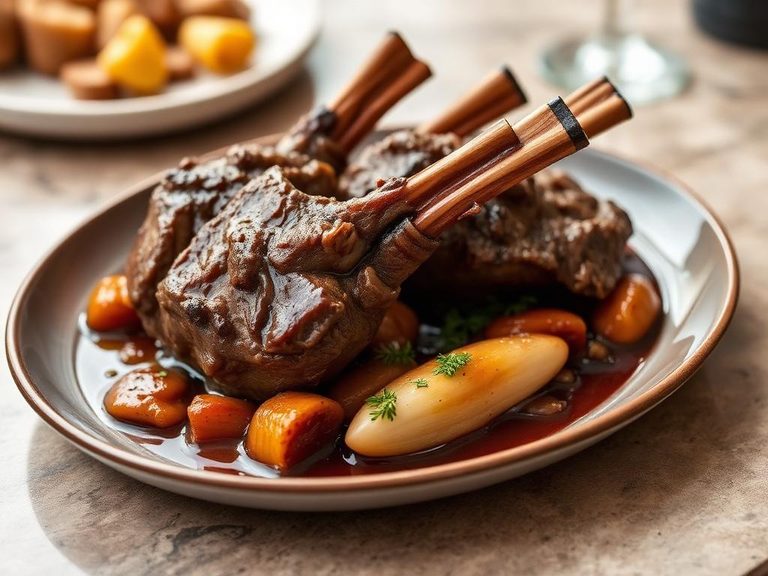
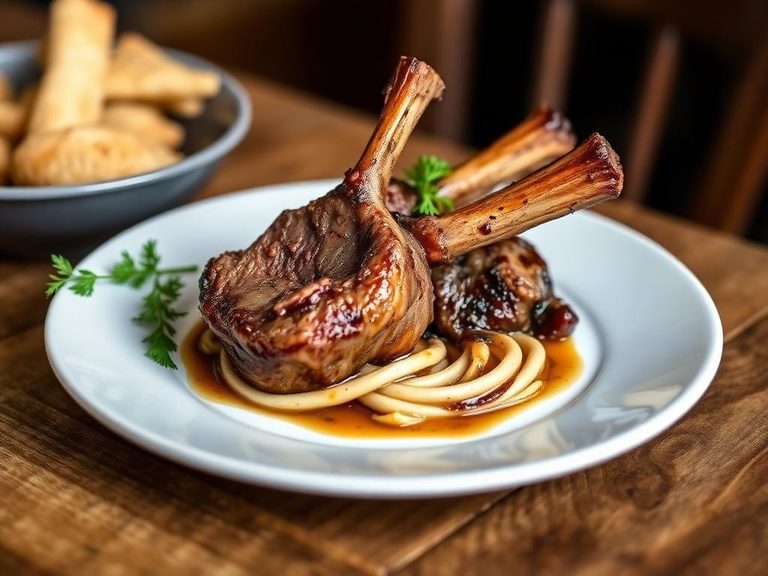
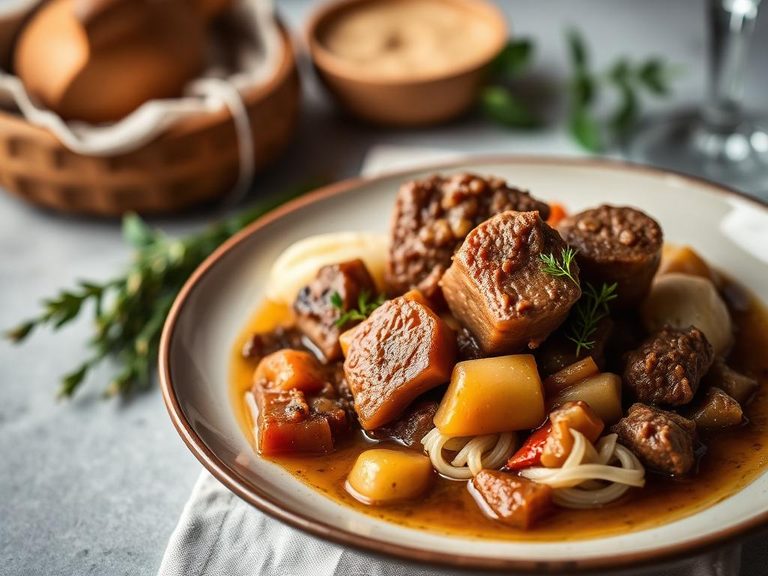
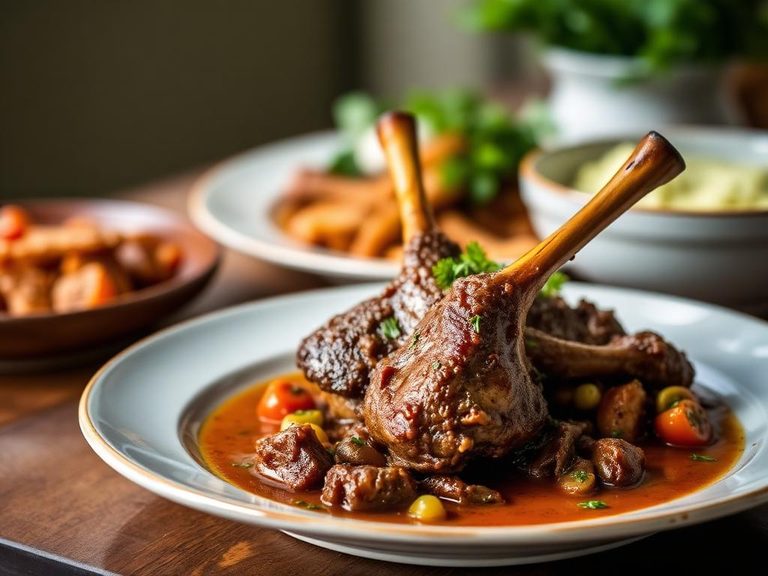
People adore the hindshank for its unparalleled depth of meaty flavor that intensifies with slow braising. Its versatility allows it to be the star of comforting, rustic dishes across many cultures, from French bistros to Moroccan tagines.
⚠️ Watch-outs & how to enjoy it better
The high fat content can be a concern for those monitoring saturated fat intake, and the cut is tough if not cooked properly. To counteract, trim excess external fat before cooking and use low-and-slow moist-heat methods like braising or stewing to break down connective tissue, which also renders much of the fat.
Key benefits
- Excellent source of high-quality protein for muscle maintenance.
- Rich in iron, zinc, and B vitamins like B12 and niacin.
- Provides healthy monounsaturated fats and conjugated linoleic acid (CLA).
- The bone and connective tissue yield collagen, beneficial for joint and gut health when cooked into broth.
- A nutrient-dense, low-carb food suitable for ketogenic and carnivore diets.
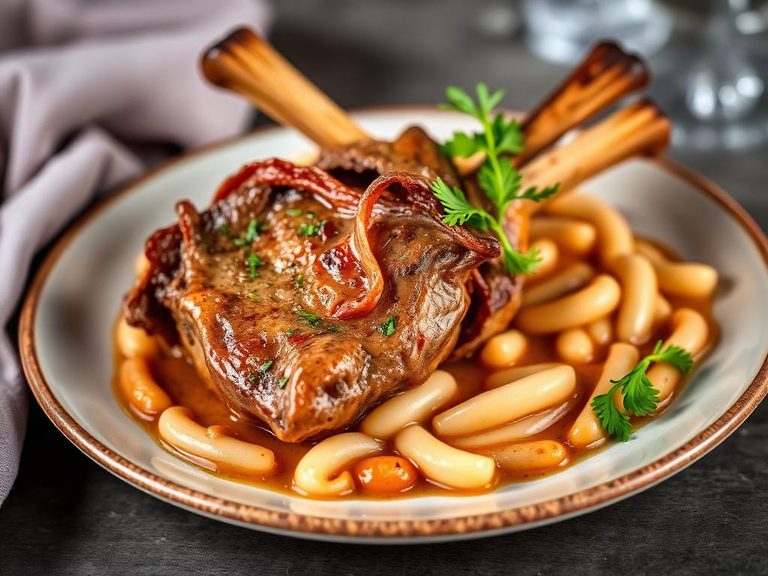
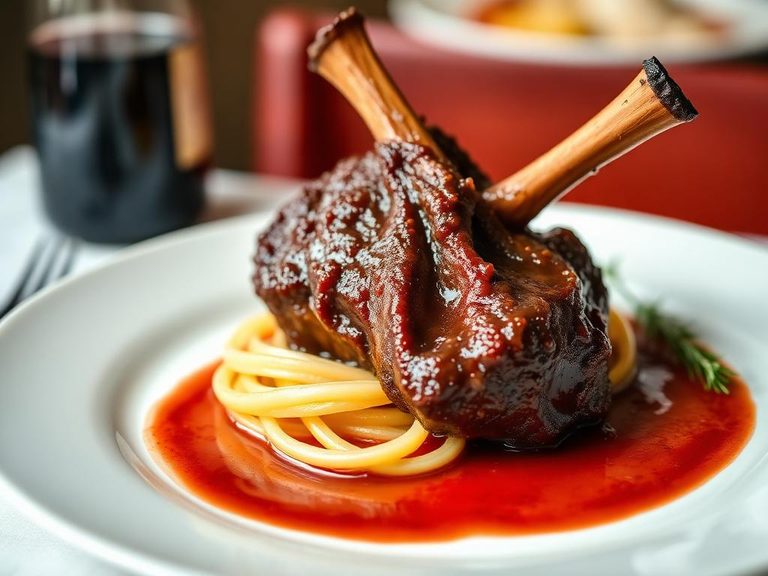
🍽️ Popular dishes
🌍 Where it's eaten
💡 Did you know?
The 'heel on' specification means the lower part of the shank, including the ankle joint, is left intact; this bone and cartilage are collagen powerhouses, contributing significantly to the rich body of any sauce or broth made from the cut.
Full nutrition (USDA data · scales with serving)
| Water | 67.3 g |
| Energy | 196 kcal |
| Energy | 822 kj |
| Protein | 20.6 g |
| Total lipid (fat) | 12.7 g |
| Ash | 0.88 g |
| Carbohydrate, by difference | 0.00 g |
| Fiber, total dietary | 0.00 g |
| Total Sugars | 0.00 g |
| Calcium, Ca | 5.0 mg |
| Iron, Fe | 1.5 mg |
| Magnesium, Mg | 18.0 mg |
| Phosphorus, P | 147 mg |
| Potassium, K | 210 mg |
| Sodium, Na | 87.0 mg |
| Zinc, Zn | 3.0 mg |
| Copper, Cu | 0.09 mg |
| Manganese, Mn | 0.01 mg |
| Selenium, Se | 10.7 ug |
| Vitamin C, total ascorbic acid | 0.00 mg |
| Thiamin | 0.09 mg |
| Riboflavin | 0.32 mg |
| Niacin | 5.1 mg |
| Pantothenic acid | 0.64 mg |
| Vitamin B-6 | 0.36 mg |
| Vitamin B-12 | 1.3 ug |
| Vitamin B-12, added | 0.00 ug |
| Vitamin A, RAE | 2.0 ug |
| Retinol | 2.0 ug |
| Carotene, beta | 0.00 ug |
| Carotene, alpha | 0.00 ug |
| Cryptoxanthin, beta | 0.00 ug |
| Vitamin A, IU | 6.0 iu |
| Lycopene | 0.00 ug |
| Lutein + zeaxanthin | 0.00 ug |
| Vitamin E (alpha-tocopherol) | 0.24 mg |
| Vitamin E, added | 0.00 mg |
| Vitamin D (D2 + D3), International Units | 0.00 iu |
| Vitamin D (D2 + D3) | 0.00 ug |
| Vitamin D2 (ergocalciferol) | 0.00 ug |
| Vitamin D3 (cholecalciferol) | 0.00 ug |
| Alcohol, ethyl | 0.00 g |
| Caffeine | 0.00 mg |
| Theobromine | 0.00 mg |
Fat & fatty acid profile (per 100g)
| Fatty acids, total saturated | 5.9 g |
| SFA 4:0 | 0.00 g |
| SFA 6:0 | 0.00 g |
| SFA 8:0 | 0.00 g |
| SFA 10:0 | 0.02 g |
| SFA 12:0 | 0.03 g |
| SFA 14:0 | 0.45 g |
| SFA 15:0 | 0.08 g |
| SFA 16:0 | 2.7 g |
| SFA 17:0 | 0.18 g |
| SFA 18:0 | 2.3 g |
| SFA 20:0 | 0.02 g |
| SFA 22:0 | 0.01 g |
| SFA 24:0 | 0.00 g |
| Fatty acids, total monounsaturated | 5.0 g |
| MUFA 14:1 | 0.01 g |
| MUFA 15:1 | 0.00 g |
| MUFA 16:1 | 0.17 g |
| MUFA 17:1 | 0.00 g |
| MUFA 18:1 | 4.8 g |
| MUFA 18:1 c | 4.2 g |
| MUFA 20:1 | 0.01 g |
| MUFA 22:1 | 0.00 g |
| MUFA 22:1 c | 0.00 g |
| Fatty acids, total polyunsaturated | 0.86 g |
| PUFA 18:2 | 0.59 g |
| PUFA 18:2 n-6 c,c | 0.25 g |
| PUFA 18:2 CLAs | 0.14 g |
| PUFA 18:3 | 0.15 g |
| PUFA 18:3 n-3 c,c,c (ALA) | 0.15 g |
| PUFA 18:3 n-6 c,c,c | 0.00 g |
| PUFA 18:4 | 0.00 g |
| PUFA 20:2 n-6 c,c | 0.00 g |
| PUFA 20:3 | 0.00 g |
| PUFA 20:4 | 0.04 g |
| PUFA 20:5 n-3 (EPA) | 0.03 g |
| PUFA 22:5 n-3 (DPA) | 0.04 g |
| PUFA 22:6 n-3 (DHA) | 0.01 g |
| Fatty acids, total trans | 0.86 g |
| Fatty acids, total trans-monoenoic | 0.66 g |
| TFA 18:1 t | 0.66 g |
| TFA 18:2 t not further defined | 0.20 g |
| Fatty acids, total trans-polyenoic | 0.20 g |
| Cholesterol | 59.0 mg |
Amino acid profile (per 100g)
| Tryptophan | 0.21 g |
| Threonine | 0.84 g |
| Isoleucine | 0.86 g |
| Leucine | 1.5 g |
| Lysine | 1.6 g |
| Methionine | 0.50 g |
| Cystine | 0.21 g |
| Phenylalanine | 0.77 g |
| Tyrosine | 0.64 g |
| Valine | 0.92 g |
| Arginine | 1.2 g |
| Histidine | 0.54 g |
| Alanine | 1.2 g |
| Aspartic acid | 1.7 g |
| Glutamic acid | 2.7 g |
| Glycine | 1.1 g |
| Proline | 0.87 g |
| Serine | 0.73 g |
FAQ
What does 'heel on, bone-in' mean?
It means the entire shank is sold with the leg bone and the lower ankle joint (the 'heel') attached. The bone adds flavor during cooking and helps the meat retain its shape.
Why is this cut so tough when raw?
The hindshank is a hard-working muscle with a lot of connective tissue (collagen). This makes it tough when raw but incredibly tender and flavorful when cooked slowly in liquid, which melts the collagen into gelatin.
How is Australian lamb different?
Australian lamb is typically pasture-raised, which can result in a leaner, more robust 'lamb' flavor compared to grain-finished lamb. The country's strict quality standards also ensure a consistent product.
Nutrient density (calculated · NRF9.3)
Nutrient Rich Foods index: beneficial nutrients (protein, fiber, vitamins, minerals) minus saturated fat, added sugar & sodium, per 100 kcal.
NRF9.3 index — Fulgoni, Keast & Drewnowski, 2009. Computed from USDA nutrients.
Weight-loss friendliness (composite index)
Energy density 1.96 kcal/g · 42% calories from protein · 0.0 g fiber · 0.0 g sugar per 100 g.
Composite of energy density (Rolls et al., 1999), protein & fiber satiety, minus sugar. A calculated heuristic — ranks satiety-per-calorie, not a clinical measure.
Dietary load (calculated from USDA values)
Potential renal acid load. Positive = acid-forming, negative = alkaline-forming.
Sodium-to-potassium ratio: 0.41 (lower is better — aim for ≤ 1)
Sodium:potassium per WHO potassium guidance. Computed from USDA nutrients.