

Carrots, frozen, unprepared
Whole food · Vegetables and Vegetable Products
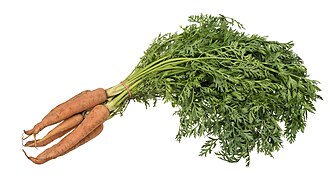
Photo: Wikipedia
Frozen unprepared carrots are flash-frozen at peak ripeness, preserving their vibrant orange color, crisp-tender texture, and natural sweetness. They offer a convenient, year-round source of beta-carotene and fiber with minimal preparation required. Their nutritional profile is remarkably close to fresh, making them a practical staple.
Calorie split: 8% protein · 81% carbs · 11% fat
↓ Full nutrition💚 Why it's loved
People love them for their dependable sweetness and satisfying crunch, which holds up well in both cooked and thawed applications. They are a kitchen workhorse, ready to elevate soups, stews, and stir-fries with minimal effort.
⚠️ Watch-outs & how to enjoy it better
Some may find their texture slightly less firm than fresh carrots after cooking, and the freezing process can cause minor cell breakdown. To counteract this, add them to dishes later in the cooking process or use them in applications where a softer texture is desired, like purees or sauces.
Key benefits
- Excellent source of beta-carotene, a precursor to vitamin A.
- High in dietary fiber for digestive health.
- Low in calories and naturally fat-free.
- Retains nutrients well due to flash-freezing.
- Long shelf life reduces food waste.
🍽️ Popular dishes
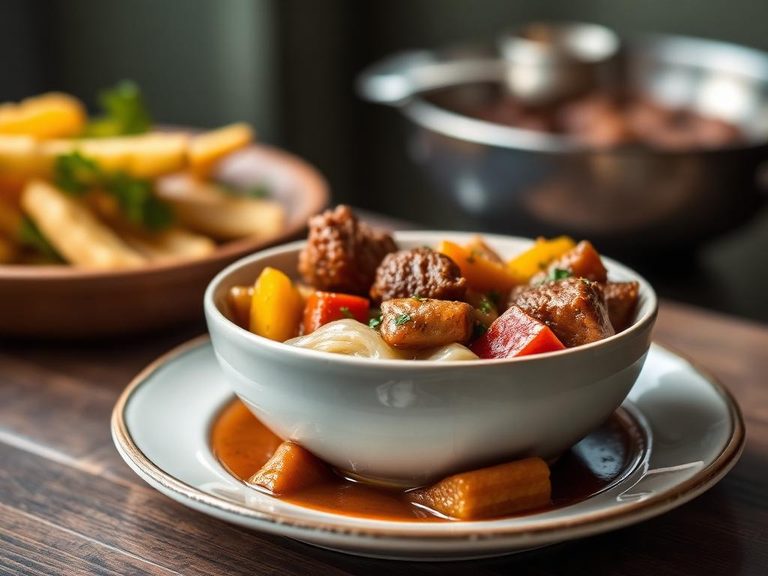

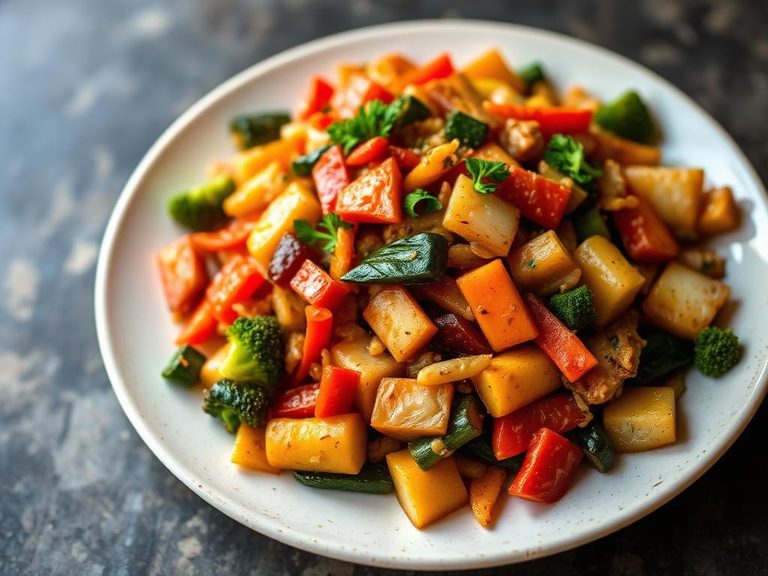
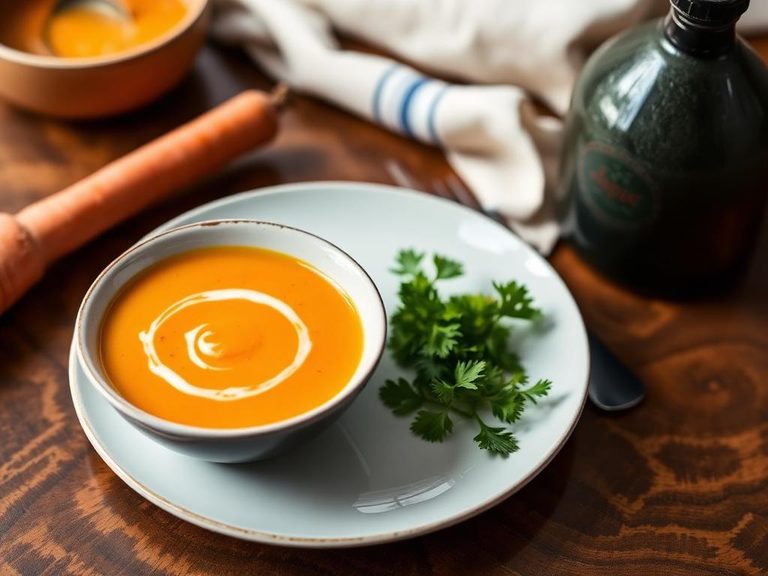
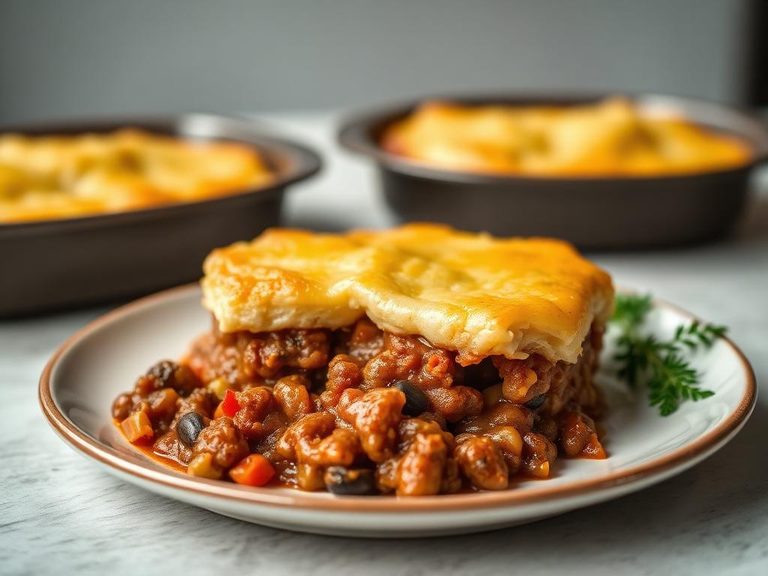
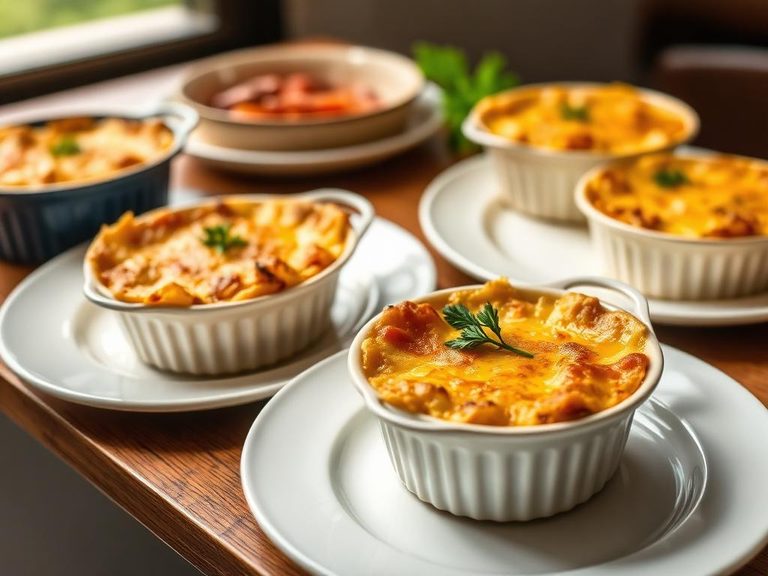
🌍 Where it's eaten
💡 Did you know?
The beta-carotene in carrots is actually more bioavailable to your body after cooking or freezing, as the process breaks down tough cell walls.
Full nutrition (USDA data · scales with serving)
| Water | 90.1 g |
| Energy (Atwater General Factors) | 39.0 kcal |
| Energy (Atwater Specific Factors) | 37.0 kcal |
| Energy | 37.0 kcal |
| Energy | 153 kj |
| Nitrogen | 0.13 g |
| Protein | 0.81 g |
| Total lipid (fat) | 0.47 g |
| Total fat (NLEA) | 0.33 g |
| Ash | 0.72 g |
| Carbohydrate, by difference | 7.9 g |
| Carbohydrate, by summation | 7.8 g |
| Fiber, total dietary | 3.2 g |
| Fiber, soluble | 1.4 g |
| Fiber, insoluble | 1.9 g |
| Sugars, Total | 4.2 g |
| Sucrose | 2.3 g |
| Glucose | 0.84 g |
| Fructose | 1.1 g |
| Lactose | 0.00 g |
| Maltose | 0.00 g |
| Galactose | 0.00 g |
| Starch | 0.38 g |
| Calcium, Ca | 33.0 mg |
| Iron, Fe | 0.43 mg |
| Magnesium, Mg | 10.8 mg |
| Phosphorus, P | 31.0 mg |
| Potassium, K | 210 mg |
| Sodium, Na | 66.0 mg |
| Zinc, Zn | 0.28 mg |
| Copper, Cu | 0.08 mg |
| Manganese, Mn | 0.14 mg |
| Vitamin C, total ascorbic acid | 2.2 mg |
| Thiamin | 0.04 mg |
| Riboflavin | 0.05 mg |
| Niacin | 0.47 mg |
| Pantothenic acid | 0.20 mg |
| Vitamin B-6 | 0.09 mg |
| Folate, total | 7.0 ug |
| Vitamin E (alpha-tocopherol) | 0.69 mg |
| Tocopherol, beta | 0.01 mg |
| Tocopherol, gamma | 0.01 mg |
| Tocopherol, delta | 0.00 mg |
| Tocotrienol, alpha | 0.00 mg |
| Tocotrienol, beta | 0.00 mg |
| Tocotrienol, gamma | 0.00 mg |
| Tocotrienol, delta | 0.00 mg |
| Vitamin K (phylloquinone) | 15.0 ug |
| Vitamin K (Dihydrophylloquinone) | 0.00 ug |
Fat & fatty acid profile (per 100g)
| Fatty acids, total saturated | 0.00 g |
| SFA 4:0 | 0.00 g |
| SFA 6:0 | 0.00 g |
| SFA 8:0 | 0.00 g |
| SFA 10:0 | 0.00 g |
| SFA 12:0 | 0.00 g |
| SFA 14:0 | 0.00 g |
| SFA 15:0 | 0.00 g |
| SFA 16:0 | 0.00 g |
| SFA 17:0 | 0.00 g |
| SFA 18:0 | 0.00 g |
| SFA 20:0 | 0.00 g |
| SFA 22:0 | 0.00 g |
| SFA 24:0 | 0.00 g |
| Fatty acids, total monounsaturated | 0.00 g |
| MUFA 14:1 c | 0.00 g |
| MUFA 16:1 c | 0.00 g |
| MUFA 18:1 | 0.00 g |
| MUFA 18:1 c | 0.00 g |
| MUFA 20:1 | 0.00 g |
| MUFA 20:1 c | 0.00 g |
| MUFA 22:1 | 0.00 g |
| MUFA 22:1 c | 0.00 g |
| Fatty acids, total polyunsaturated | 0.16 g |
| PUFA 18:2 | 0.16 g |
| PUFA 18:2 c | 0.16 g |
| PUFA 18:3 | 0.00 g |
| PUFA 18:3 c | 0.00 g |
| PUFA 18:4 | 0.00 g |
| PUFA 20:4 | 0.00 g |
| PUFA 20:4c | 0.00 g |
| PUFA 20:5c | 0.00 g |
| PUFA 20:5 n-3 (EPA) | 0.00 g |
| PUFA 22:5 c | 0.00 g |
| PUFA 22:5 n-3 (DPA) | 0.00 g |
| PUFA 22:6 c | 0.00 g |
| PUFA 22:6 n-3 (DHA) | 0.00 g |
Amino acid profile (per 100g)
| Tryptophan | 0.01 g |
| Threonine | 0.13 g |
| Isoleucine | 0.05 g |
| Leucine | 0.07 g |
| Lysine | 0.07 g |
| Methionine | 0.01 g |
| Cystine | 0.05 g |
| Phenylalanine | 0.04 g |
| Tyrosine | 0.03 g |
| Valine | 0.05 g |
| Arginine | 0.06 g |
| Histidine | 0.03 g |
| Alanine | 0.07 g |
| Aspartic acid | 0.11 g |
| Glutamic acid | 0.20 g |
| Glycine | 0.03 g |
| Proline | 0.03 g |
| Serine | 0.03 g |
FAQ
Are frozen carrots as nutritious as fresh?
Yes, often more so. They are frozen shortly after harvest, locking in nutrients like beta-carotene and vitamin C that can degrade over time in fresh produce.
Do I need to thaw frozen carrots before cooking?
Not necessarily. You can add them directly to soups, stews, or boiling water. Thawing first is only needed for specific recipes like salads or if you plan to roast them for crispiness.
Why are my frozen carrots mushy after cooking?
Overcooking is the common cause. Since they are blanched before freezing, they require less cooking time than fresh. Add them towards the end of cooking or steam/sauté briefly.
Nutrient density (calculated · NRF9.3)
Nutrient Rich Foods index: beneficial nutrients (protein, fiber, vitamins, minerals) minus saturated fat, added sugar & sodium, per 100 kcal.
NRF9.3 index — Fulgoni, Keast & Drewnowski, 2009. Computed from USDA nutrients.
Weight-loss friendliness (composite index)
Energy density 0.37 kcal/g · 9% calories from protein · 3.2 g fiber · 0.0 g sugar per 100 g.
Composite of energy density (Rolls et al., 1999), protein & fiber satiety, minus sugar. A calculated heuristic — ranks satiety-per-calorie, not a clinical measure.
Dietary load (calculated from USDA values)
Potential renal acid load. Positive = acid-forming, negative = alkaline-forming.
Sodium-to-potassium ratio: 0.31 (lower is better — aim for ≤ 1)
Sodium:potassium per WHO potassium guidance. Computed from USDA nutrients.