

Beef, chuck, under blade pot roast, boneless, separable lean and fat, trimmed to 0" fat, select, cooked, braised
Whole food · Beef Products

Photo: Wikipedia
This is a rich, deeply savory cut of beef from the chuck shoulder, slow-braised until the collagen melts into succulent, fork-tender meat. With a robust beefy flavor and a texture that practically falls apart, it's a powerhouse of protein (27g per 100g) and satisfying fat, containing zero carbohydrates. It's the quintessential comfort food, offering a melt-in-your-mouth experience that's both hearty and nourishing.
Calorie split: 39% protein · 0% carbs · 61% fat
↓ Full nutrition💚 Why it's loved
People adore this cut for its incredible depth of flavor and forgiving nature; the long, slow cooking transforms a tough piece of meat into something supremely tender and flavorful. It's a beloved centerpiece for family meals and gatherings, embodying the comforting, hearty essence of home cooking across many cultures.
⚠️ Watch-outs & how to enjoy it better
The high fat content (19g per 100g) can be a concern for those monitoring saturated fat intake or managing heart health. To counteract this, trim visible fat before cooking, skim excess fat from braising liquids, and pair the meat with large portions of fiber-rich vegetables like broccoli, carrots, or leafy greens to balance the meal and slow fat absorption.
Key benefits
- Excellent source of complete, high-quality protein for muscle maintenance and repair.
- Rich in heme iron, which is highly bioavailable and supports healthy blood and energy levels.
- Provides essential B vitamins, particularly B12 and niacin, crucial for nerve function and metabolism.
- Contains zinc and selenium, minerals important for immune system health and antioxidant defense.
- The slow-braising process breaks down tough connective tissue, making nutrients more accessible.
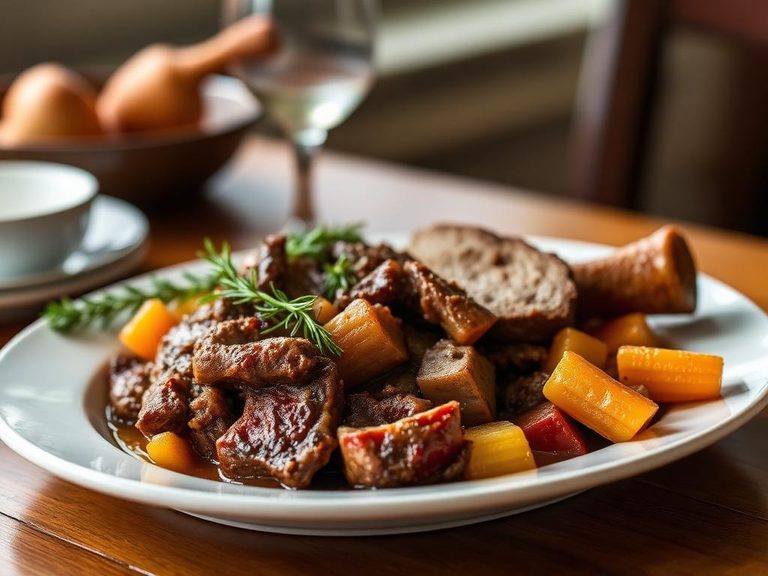
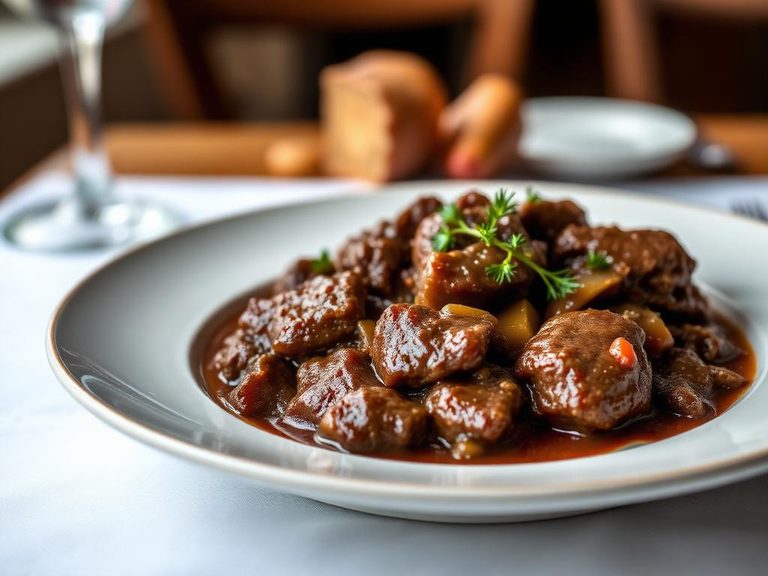
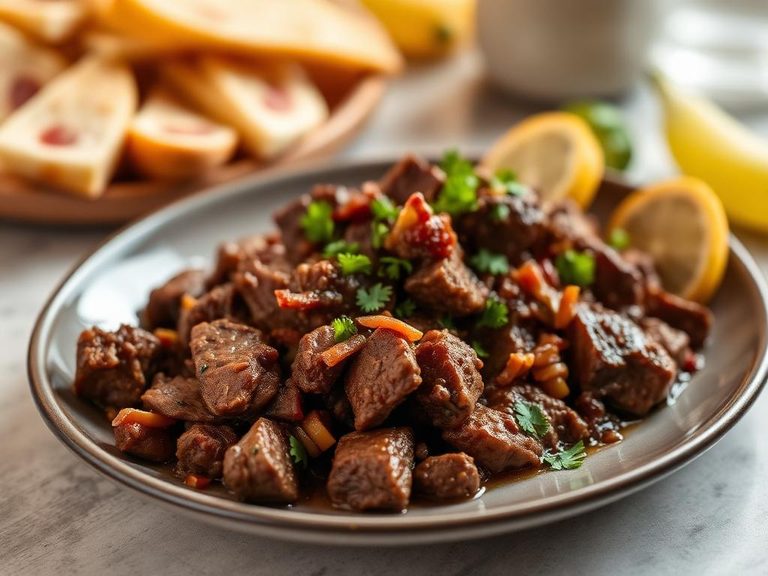
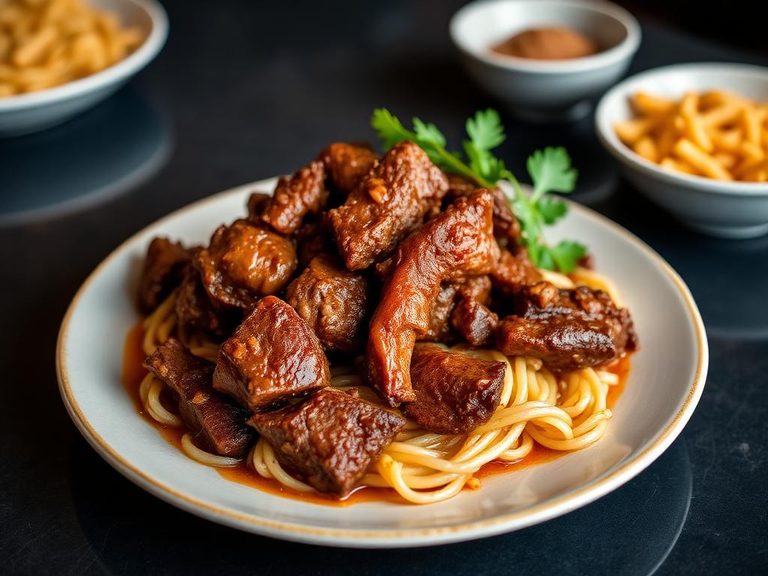
🍽️ Popular dishes
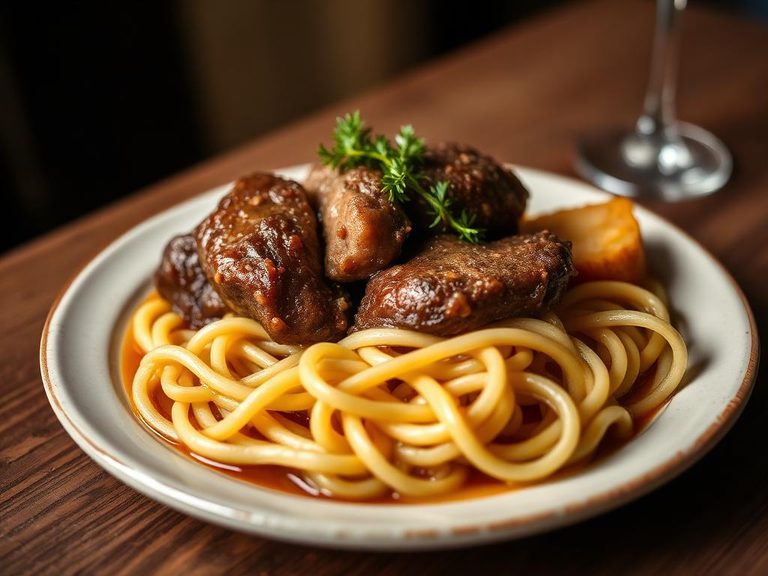
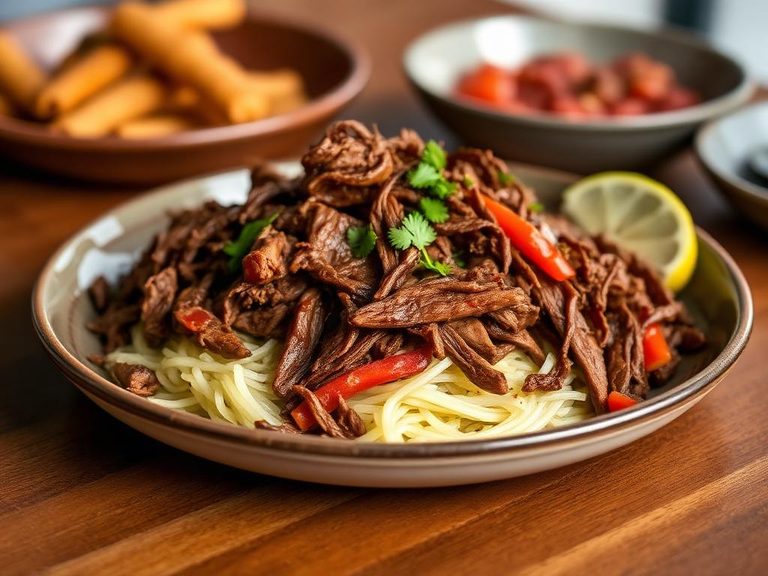
🌍 Where it's eaten
💡 Did you know?
The term 'under blade' refers to the specific muscle located beneath the scapula (shoulder blade); this area is heavily worked, which is why it's so full of flavor but requires slow, moist heat to become tender.
Full nutrition (USDA data · scales with serving)
| Water | 53.4 g |
| Energy | 288 kcal |
| Energy | 1203 kj |
| Protein | 27.2 g |
| Total lipid (fat) | 19.0 g |
| Ash | 1.3 g |
| Carbohydrate, by difference | 0.00 g |
| Fiber, total dietary | 0.00 g |
| Total Sugars | 0.00 g |
| Calcium, Ca | 14.0 mg |
| Iron, Fe | 2.7 mg |
| Magnesium, Mg | 20.0 mg |
| Phosphorus, P | 171 mg |
| Potassium, K | 261 mg |
| Sodium, Na | 64.0 mg |
| Zinc, Zn | 9.3 mg |
| Copper, Cu | 0.09 mg |
| Manganese, Mn | 0.01 mg |
| Selenium, Se | 31.7 ug |
| Vitamin C, total ascorbic acid | 0.00 mg |
| Thiamin | 0.07 mg |
| Riboflavin | 0.21 mg |
| Niacin | 3.5 mg |
| Pantothenic acid | 0.68 mg |
| Vitamin B-6 | 0.29 mg |
| Folate, total | 7.0 ug |
| Folic acid | 0.00 ug |
| Folate, food | 7.0 ug |
| Folate, DFE | 7.0 ug |
| Choline, total | 85.4 mg |
| Betaine | 10.1 mg |
| Vitamin B-12 | 2.9 ug |
| Vitamin B-12, added | 0.00 ug |
| Vitamin A, RAE | 8.0 ug |
| Retinol | 8.0 ug |
| Carotene, beta | 0.00 ug |
| Carotene, alpha | 0.00 ug |
| Cryptoxanthin, beta | 0.00 ug |
| Vitamin A, IU | 28.0 iu |
| Lycopene | 0.00 ug |
| Lutein + zeaxanthin | 0.00 ug |
| Vitamin E (alpha-tocopherol) | 0.06 mg |
| Vitamin E, added | 0.00 mg |
| Vitamin D (D2 + D3), International Units | 5.0 iu |
| Vitamin D (D2 + D3) | 0.10 ug |
| Vitamin D3 (cholecalciferol) | 0.10 ug |
| Vitamin K (phylloquinone) | 1.6 ug |
| Alcohol, ethyl | 0.00 g |
| Caffeine | 0.00 mg |
| Theobromine | 0.00 mg |
Fat & fatty acid profile (per 100g)
| Fatty acids, total saturated | 7.9 g |
| SFA 4:0 | 0.00 g |
| SFA 6:0 | 0.00 g |
| SFA 8:0 | 0.00 g |
| SFA 10:0 | 0.00 g |
| SFA 12:0 | 0.00 g |
| SFA 14:0 | 0.55 g |
| SFA 16:0 | 4.3 g |
| SFA 17:0 | 0.23 g |
| SFA 18:0 | 2.8 g |
| SFA 20:0 | 0.01 g |
| SFA 24:0 | 0.01 g |
| Fatty acids, total monounsaturated | 8.8 g |
| MUFA 14:1 | 0.11 g |
| MUFA 16:1 | 0.56 g |
| MUFA 16:1 c | 0.56 g |
| MUFA 17:1 | 0.14 g |
| MUFA 18:1 | 7.9 g |
| MUFA 18:1 c | 6.7 g |
| MUFA 18:1-11 t (18:1t n-7) | 0.41 g |
| MUFA 20:1 | 0.04 g |
| MUFA 22:1 | 0.00 g |
| Fatty acids, total polyunsaturated | 0.86 g |
| PUFA 18:2 | 0.74 g |
| PUFA 18:2 n-6 c,c | 0.65 g |
| PUFA 18:2 CLAs | 0.10 g |
| PUFA 18:3 | 0.04 g |
| PUFA 18:3 n-3 c,c,c (ALA) | 0.04 g |
| PUFA 18:4 | 0.00 g |
| PUFA 20:2 n-6 c,c | 0.01 g |
| PUFA 20:4 | 0.06 g |
| PUFA 20:5 n-3 (EPA) | 0.00 g |
| PUFA 22:5 n-3 (DPA) | 0.01 g |
| PUFA 22:6 n-3 (DHA) | 0.00 g |
| Fatty acids, total trans | 1.2 g |
| Fatty acids, total trans-monoenoic | 1.2 g |
| TFA 18:1 t | 1.2 g |
| Cholesterol | 98.0 mg |
Amino acid profile (per 100g)
| Tryptophan | 0.31 g |
| Threonine | 1.2 g |
| Isoleucine | 1.2 g |
| Leucine | 2.2 g |
| Lysine | 2.4 g |
| Methionine | 0.77 g |
| Cystine | 0.28 g |
| Phenylalanine | 1.0 g |
| Tyrosine | 0.94 g |
| Valine | 1.2 g |
| Arginine | 1.8 g |
| Histidine | 0.88 g |
| Alanine | 1.6 g |
| Aspartic acid | 2.4 g |
| Glutamic acid | 4.3 g |
| Glycine | 1.2 g |
| Proline | 1.1 g |
| Serine | 1.0 g |
| Hydroxyproline | 0.19 g |
FAQ
What is the best cooking method for this cut?
Braising is ideal. Sear the meat first, then cook it slowly in liquid (like broth or wine) at a low temperature for several hours until it's fork-tender.
Can I use this cut in a slow cooker or Instant Pot?
Yes, both are excellent. A slow cooker on low for 6-8 hours or an Instant Pot on high pressure for 45-60 minutes will yield perfectly tender results.
How do I know when it's done?
It's done when the meat easily pulls apart with a fork and the connective tissue has fully dissolved into a gelatinous, tender texture.
Nutrient density (calculated · NRF9.3)
Nutrient Rich Foods index: beneficial nutrients (protein, fiber, vitamins, minerals) minus saturated fat, added sugar & sodium, per 100 kcal.
NRF9.3 index — Fulgoni, Keast & Drewnowski, 2009. Computed from USDA nutrients.
Weight-loss friendliness (composite index)
Energy density 2.88 kcal/g · 38% calories from protein · 0.0 g fiber · 0.0 g sugar per 100 g.
Composite of energy density (Rolls et al., 1999), protein & fiber satiety, minus sugar. A calculated heuristic — ranks satiety-per-calorie, not a clinical measure.
Dietary load (calculated from USDA values)
Potential renal acid load. Positive = acid-forming, negative = alkaline-forming.
Sodium-to-potassium ratio: 0.25 (lower is better — aim for ≤ 1)
Sodium:potassium per WHO potassium guidance. Computed from USDA nutrients.