

Beef, chuck eye roast, boneless, America's Beef Roast, separable lean only, trimmed to 0" fat, choice, raw
Whole food · Beef Products
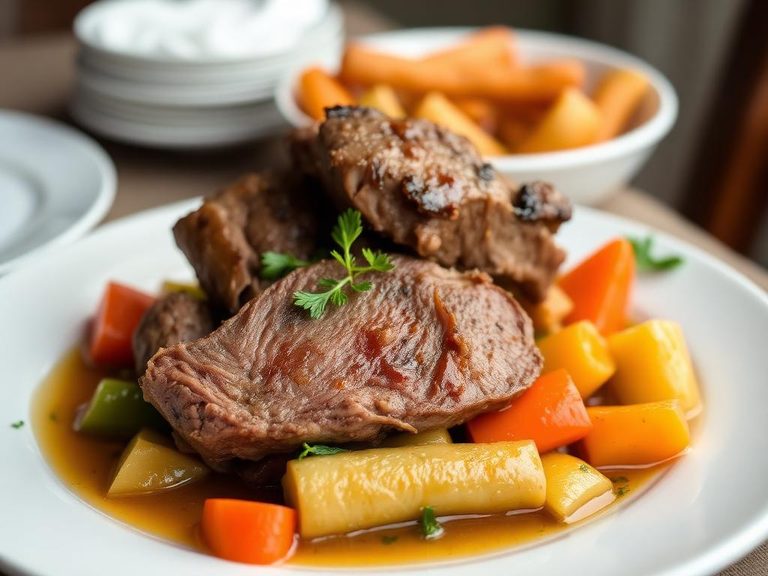
This is a lean, boneless cut from the shoulder's chuck roll, prized for its rich beefy flavor and fine-grained texture that becomes incredibly tender with slow cooking. With over 20g of protein and minimal fat per 100g, it's a powerhouse for muscle maintenance without excessive calories. Its raw, deep red color and marbling promise a succulent, hearty meal once properly prepared.
Calorie split: 60% protein · 0% carbs · 40% fat
↓ Full nutrition💚 Why it's loved
People cherish it for delivering deep, savory beef flavor at a more accessible price point than premium roasts. Its ability to transform from a tough cut into a fork-tender centerpiece makes it a beloved choice for family gatherings and comforting weeknight meals.
⚠️ Watch-outs & how to enjoy it better
If overcooked or prepared with high-fat additions, it can become dry or contribute to excessive saturated fat intake. To counteract dryness, use a meat thermometer to pull it at 135°F (57°C) for medium-rare and let it rest. Pairing with fiber-rich vegetables like roasted carrots or a leafy salad balances the meal nutritionally.
Key benefits
- Excellent source of complete, high-quality protein
- Very low in carbohydrates and sugars
- Provides essential minerals like iron and zinc
- Versatile for both slow-roasting and braising
🍽️ Popular dishes
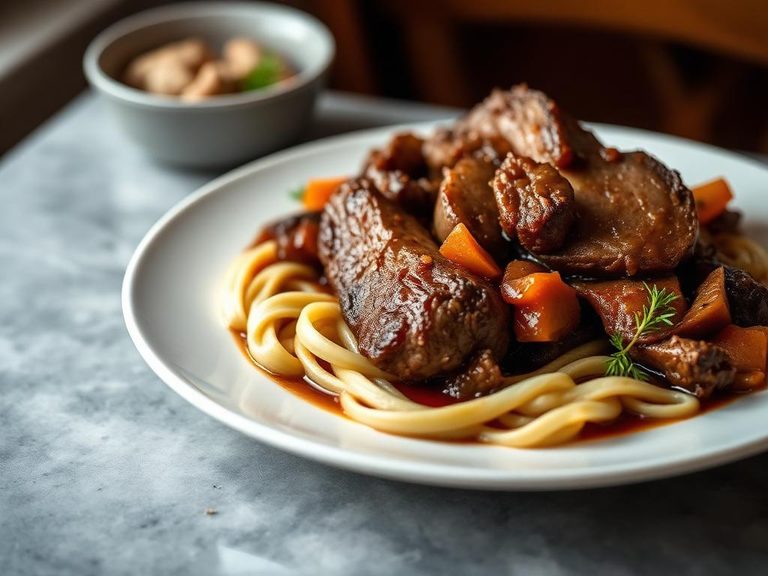
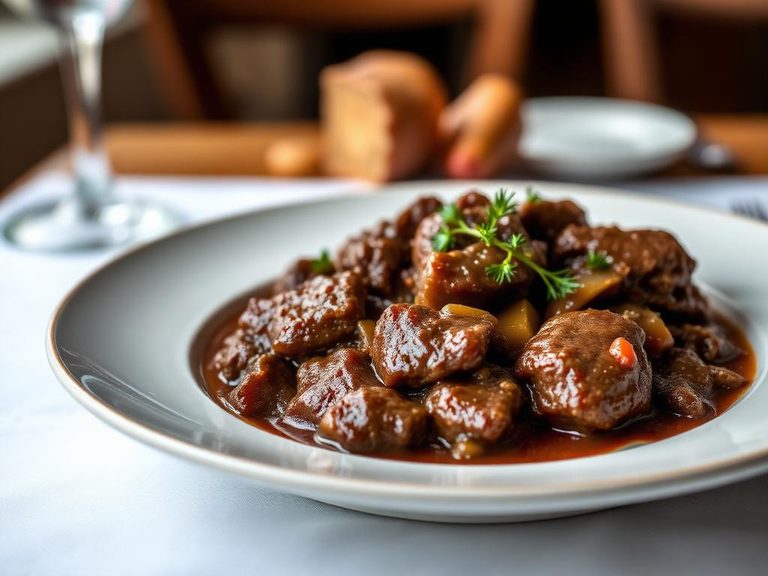
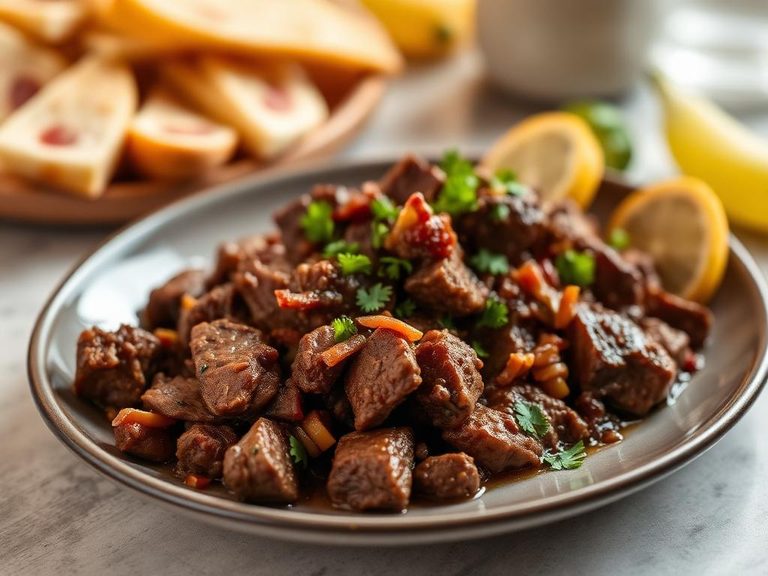
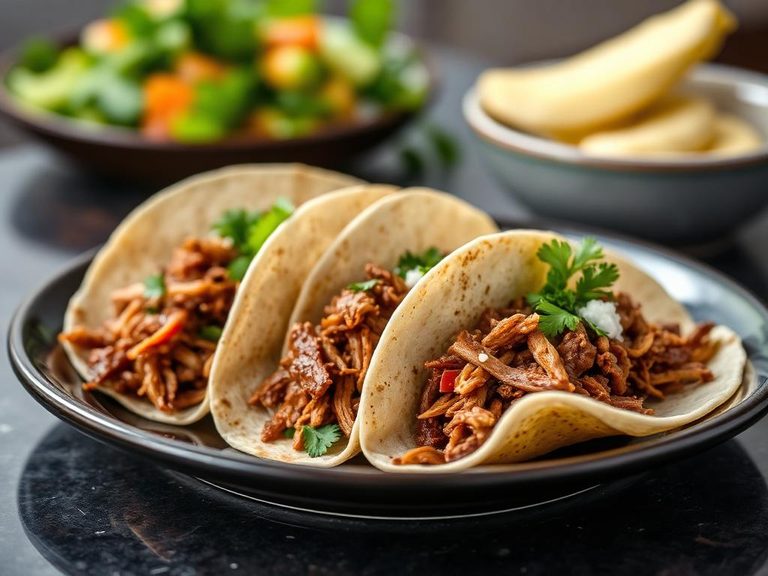
🌍 Where it's eaten
💡 Did you know?
The 'chuck eye' is sometimes called the 'poor man's ribeye' because it comes from the same muscle (the longissimus dorsi) as the prized ribeye steak, just from a different part of the animal.
Full nutrition (USDA data · scales with serving)
| Water | 72.2 g |
| Energy | 139 kcal |
| Energy | 580 kj |
| Protein | 20.7 g |
| Total lipid (fat) | 6.2 g |
| Ash | 1.1 g |
| Carbohydrate, by difference | 0.00 g |
| Fiber, total dietary | 0.00 g |
| Total Sugars | 0.00 g |
| Calcium, Ca | 17.0 mg |
| Iron, Fe | 2.2 mg |
| Magnesium, Mg | 21.0 mg |
| Phosphorus, P | 201 mg |
| Potassium, K | 332 mg |
| Sodium, Na | 85.0 mg |
| Zinc, Zn | 8.3 mg |
| Copper, Cu | 0.06 mg |
| Manganese, Mn | 0.01 mg |
| Selenium, Se | 21.8 ug |
| Vitamin C, total ascorbic acid | 0.00 mg |
| Thiamin | 0.06 mg |
| Riboflavin | 0.16 mg |
| Niacin | 4.6 mg |
| Pantothenic acid | 0.59 mg |
| Vitamin B-6 | 0.38 mg |
| Folate, total | 3.0 ug |
| Folic acid | 0.00 ug |
| Folate, food | 3.0 ug |
| Folate, DFE | 3.0 ug |
| Choline, total | 68.7 mg |
| Betaine | 29.1 mg |
| Vitamin B-12 | 2.9 ug |
| Vitamin B-12, added | 0.00 ug |
| Vitamin A, RAE | 2.0 ug |
| Retinol | 2.0 ug |
| Carotene, beta | 0.00 ug |
| Carotene, alpha | 0.00 ug |
| Cryptoxanthin, beta | 0.00 ug |
| Vitamin A, IU | 6.0 iu |
| Lycopene | 0.00 ug |
| Lutein + zeaxanthin | 0.00 ug |
| Vitamin E (alpha-tocopherol) | 0.23 mg |
| Vitamin E, added | 0.00 mg |
| Vitamin D (D2 + D3), International Units | 4.0 iu |
| Vitamin D (D2 + D3) | 0.10 ug |
| Vitamin D3 (cholecalciferol) | 0.10 ug |
| Vitamin K (phylloquinone) | 1.5 ug |
| Alcohol, ethyl | 0.00 g |
| Caffeine | 0.00 mg |
| Theobromine | 0.00 mg |
Fat & fatty acid profile (per 100g)
| Fatty acids, total saturated | 2.4 g |
| SFA 4:0 | 0.00 g |
| SFA 6:0 | 0.00 g |
| SFA 8:0 | 0.00 g |
| SFA 10:0 | 0.00 g |
| SFA 12:0 | 0.00 g |
| SFA 14:0 | 0.13 g |
| SFA 16:0 | 1.3 g |
| SFA 17:0 | 0.07 g |
| SFA 18:0 | 0.86 g |
| SFA 20:0 | 0.01 g |
| SFA 24:0 | 0.01 g |
| Fatty acids, total monounsaturated | 2.9 g |
| MUFA 14:1 | 0.03 g |
| MUFA 16:1 | 0.17 g |
| MUFA 17:1 | 0.05 g |
| MUFA 18:1 | 2.7 g |
| MUFA 18:1 c | 2.4 g |
| MUFA 18:1-11 t (18:1t n-7) | 0.15 g |
| MUFA 20:1 | 0.01 g |
| MUFA 22:1 | 0.00 g |
| Fatty acids, total polyunsaturated | 0.30 g |
| PUFA 18:2 | 0.25 g |
| PUFA 18:2 n-6 c,c | 0.23 g |
| PUFA 18:2 CLAs | 0.02 g |
| PUFA 18:3 | 0.01 g |
| PUFA 18:3 n-3 c,c,c (ALA) | 0.01 g |
| PUFA 18:4 | 0.00 g |
| PUFA 20:2 n-6 c,c | 0.00 g |
| PUFA 20:4 | 0.04 g |
| PUFA 20:5 n-3 (EPA) | 0.00 g |
| PUFA 22:5 n-3 (DPA) | 0.00 g |
| PUFA 22:6 n-3 (DHA) | 0.00 g |
| Fatty acids, total trans | 0.23 g |
| Fatty acids, total trans-monoenoic | 0.23 g |
| TFA 18:1 t | 0.23 g |
| Cholesterol | 67.0 mg |
Amino acid profile (per 100g)
| Tryptophan | 0.24 g |
| Threonine | 0.94 g |
| Isoleucine | 0.91 g |
| Leucine | 1.7 g |
| Lysine | 1.9 g |
| Methionine | 0.60 g |
| Cystine | 0.22 g |
| Phenylalanine | 0.81 g |
| Tyrosine | 0.73 g |
| Valine | 0.96 g |
| Arginine | 1.4 g |
| Histidine | 0.68 g |
| Alanine | 1.2 g |
| Aspartic acid | 1.9 g |
| Glutamic acid | 3.4 g |
| Glycine | 0.92 g |
| Proline | 0.85 g |
| Serine | 0.81 g |
| Hydroxyproline | 0.10 g |
FAQ
What's the best cooking method for this cut?
Slow, moist-heat methods like braising, pot roasting, or stewing are ideal. These break down the connective tissue, resulting in tender, flavorful meat.
Can I grill this cut?
It's not ideal for grilling as a whole roast due to its leanness and connective tissue. However, it can be cut into cubes for shish kebabs or thin strips for stir-fry if marinated first.
How does 'choice' grade affect it?
The 'choice' grade indicates good marbling, which means better flavor and juiciness compared to 'select' grade, but less marbling (and cost) than 'prime'.
Nutrient density (calculated · NRF9.3)
Nutrient Rich Foods index: beneficial nutrients (protein, fiber, vitamins, minerals) minus saturated fat, added sugar & sodium, per 100 kcal.
NRF9.3 index — Fulgoni, Keast & Drewnowski, 2009. Computed from USDA nutrients.
Weight-loss friendliness (composite index)
Energy density 1.39 kcal/g · 59% calories from protein · 0.0 g fiber · 0.0 g sugar per 100 g.
Composite of energy density (Rolls et al., 1999), protein & fiber satiety, minus sugar. A calculated heuristic — ranks satiety-per-calorie, not a clinical measure.
Dietary load (calculated from USDA values)
Potential renal acid load. Positive = acid-forming, negative = alkaline-forming.
Sodium-to-potassium ratio: 0.26 (lower is better — aim for ≤ 1)
Sodium:potassium per WHO potassium guidance. Computed from USDA nutrients.