Mollusks, oyster, eastern, wild, raw
Whole food · Finfish and Shellfish Products

Photo: Wikipedia
The Eastern wild oyster is a briny, plump bivalve with a creamy, slightly chewy texture and a clean, oceanic flavor that finishes with a hint of cucumber or melon. Nutritionally, it's a lean protein powerhouse, delivering over 5.7 grams of protein per 100 grams with minimal calories and fat.
💚 Why it's loved
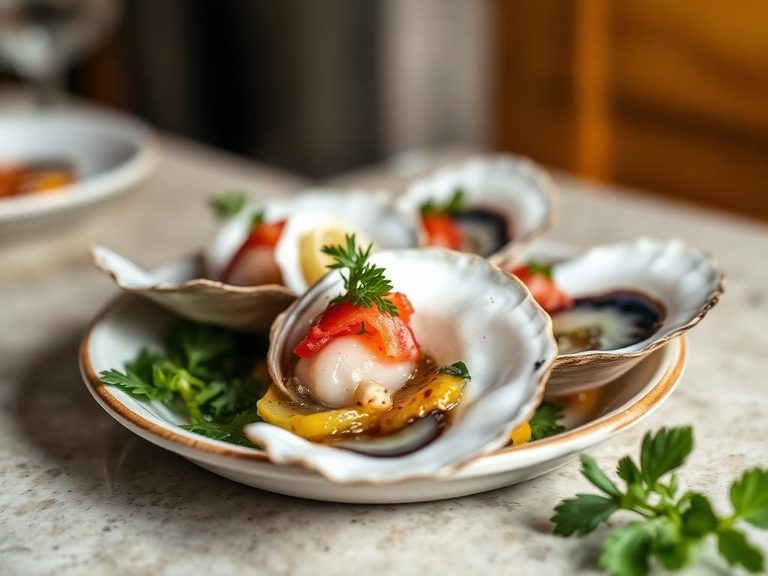
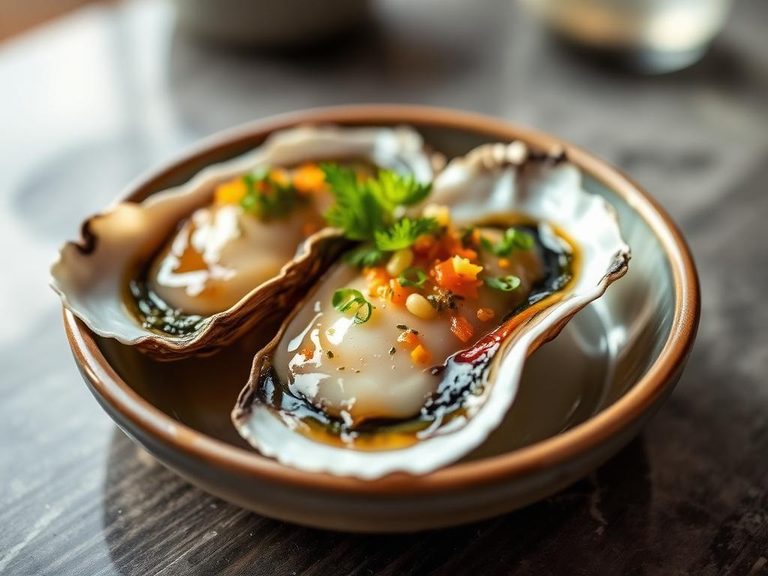
People adore oysters for their unique, terroir-driven taste—often described as tasting the sea—and their luxurious, celebratory appeal, especially when served raw on the half shell with a simple mignonette.
⚠️ Watch-outs & how to enjoy it better
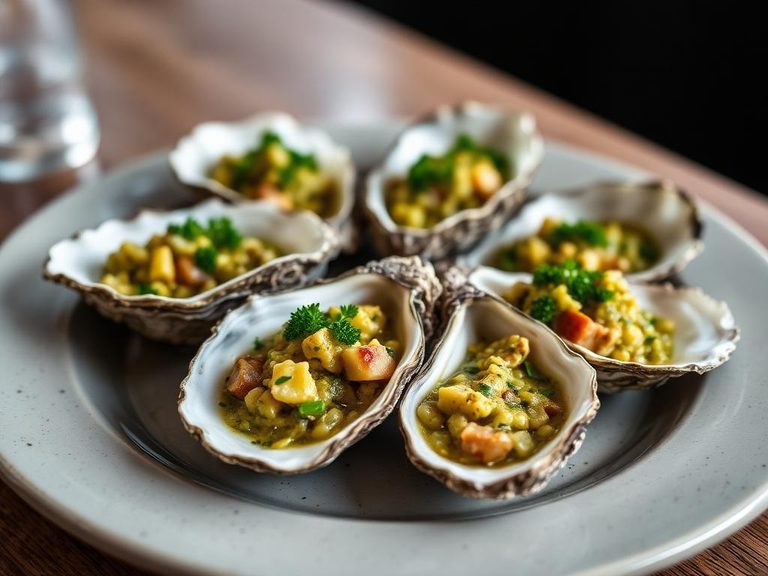
As raw shellfish, they carry a risk of foodborne illness and are a common allergen. Their high sodium content can be a concern for some, and they should be avoided by those with shellfish allergies or compromised immune systems. To mitigate risks, always purchase from reputable, refrigerated sources, consume them very fresh, and consider lightly cooking them to reduce pathogen risk.
Key benefits
- Excellent source of lean, complete protein
- Naturally low in calories and fat
- Rich in essential minerals like zinc, selenium, and iron
- Contains heart-healthy omega-3 fatty acids
- Good source of vitamin B12
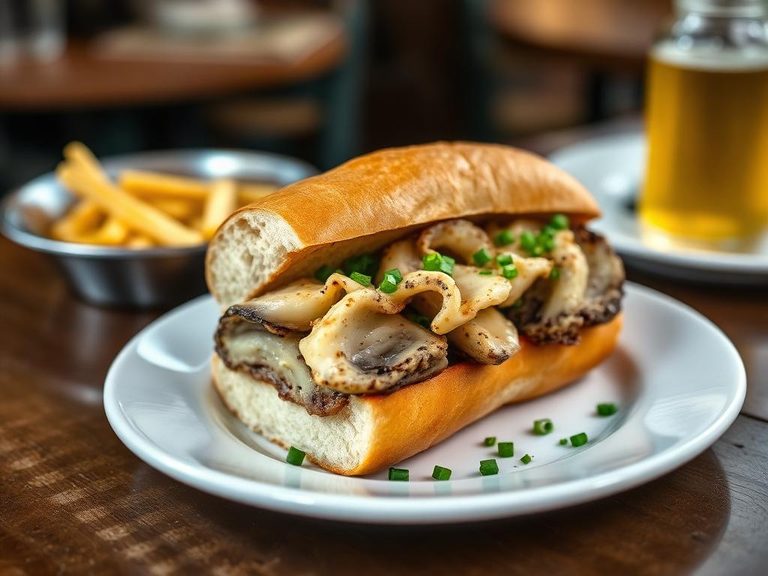
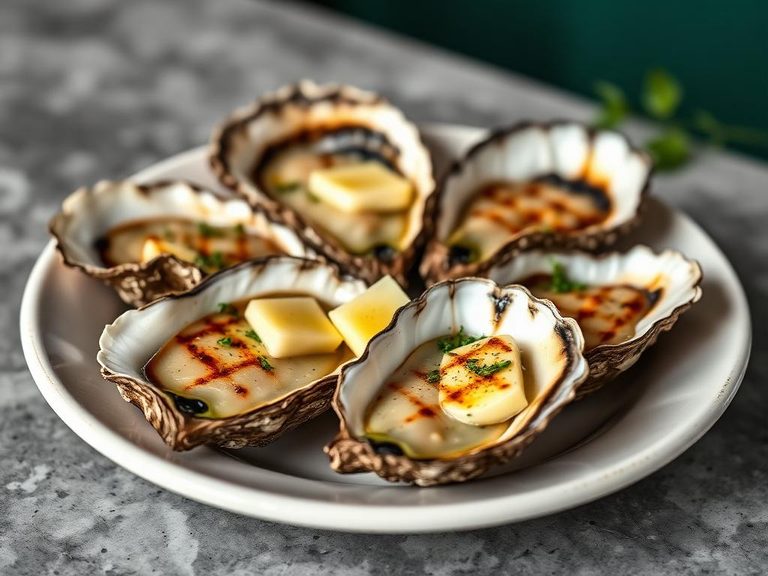
🍽️ Popular dishes
🌍 Where it's eaten
💡 Did you know?
An oyster can filter up to 190 liters of water per day, and its flavor profile can change dramatically based on the specific bay, tides, and algae it feeds on—a concept known as 'merroir.'
Full nutrition (scales with serving)
| Water | 89.0 g |
| Energy | 51.0 kcal |
| Energy | 213 kj |
| Protein | 5.7 g |
| Total lipid (fat) | 1.7 g |
| Ash | 0.82 g |
| Carbohydrate, by difference | 2.7 g |
| Fiber, total dietary | 0.00 g |
| Total Sugars | 0.62 g |
| Sucrose | 0.00 g |
| Glucose | 0.62 g |
| Fructose | 0.00 g |
| Lactose | 0.00 g |
| Maltose | 0.00 g |
| Galactose | 0.00 g |
| Starch | 0.45 g |
| Calcium, Ca | 59.0 mg |
| Iron, Fe | 4.6 mg |
| Magnesium, Mg | 18.0 mg |
| Phosphorus, P | 97.0 mg |
| Potassium, K | 156 mg |
| Sodium, Na | 85.0 mg |
| Zinc, Zn | 39.3 mg |
| Copper, Cu | 2.9 mg |
| Manganese, Mn | 0.30 mg |
| Selenium, Se | 19.7 ug |
| Fluoride, F | 40.5 ug |
| Vitamin C, total ascorbic acid | 0.00 mg |
| Thiamin | 0.02 mg |
| Riboflavin | 0.09 mg |
| Niacin | 0.93 mg |
| Pantothenic acid | 0.22 mg |
| Vitamin B-6 | 0.03 mg |
| Folate, total | 7.0 ug |
| Folic acid | 0.00 ug |
| Folate, food | 7.0 ug |
| Folate, DFE | 7.0 ug |
| Choline, total | 65.0 mg |
| Vitamin B-12 | 8.8 ug |
| Vitamin B-12, added | 0.00 ug |
| Vitamin A, RAE | 13.0 ug |
| Retinol | 13.0 ug |
| Carotene, beta | 0.00 ug |
| Carotene, alpha | 0.00 ug |
| Cryptoxanthin, beta | 0.00 ug |
| Vitamin A, IU | 44.0 iu |
| Lycopene | 0.00 ug |
| Lutein + zeaxanthin | 0.00 ug |
| Vitamin E (alpha-tocopherol) | 0.85 mg |
| Vitamin E, added | 0.00 mg |
| Vitamin D (D2 + D3), International Units | 1.0 iu |
| Vitamin D (D2 + D3) | 0.00 ug |
| Vitamin D3 (cholecalciferol) | 0.00 ug |
| Vitamin K (phylloquinone) | 1.0 ug |
| Vitamin K (Dihydrophylloquinone) | 0.00 ug |
| Vitamin K (Menaquinone-4) | 2.5 ug |
| Alcohol, ethyl | 0.00 g |
| Caffeine | 0.00 mg |
| Theobromine | 0.00 mg |
Fat & fatty acid profile (per 100g)
| Fatty acids, total saturated | 0.47 g |
| SFA 4:0 | 0.00 g |
| SFA 6:0 | 0.00 g |
| SFA 8:0 | 0.00 g |
| SFA 10:0 | 0.00 g |
| SFA 12:0 | 0.00 g |
| SFA 14:0 | 0.05 g |
| SFA 15:0 | 0.01 g |
| SFA 16:0 | 0.32 g |
| SFA 17:0 | 0.02 g |
| SFA 18:0 | 0.07 g |
| SFA 20:0 | 0.00 g |
| SFA 22:0 | 0.00 g |
| SFA 24:0 | 0.00 g |
| Fatty acids, total monounsaturated | 0.25 g |
| MUFA 14:1 | 0.00 g |
| MUFA 15:1 | 0.00 g |
| MUFA 16:1 | 0.05 g |
| MUFA 17:1 | 0.00 g |
| MUFA 18:1 | 0.17 g |
| MUFA 20:1 | 0.03 g |
| MUFA 22:1 | 0.00 g |
| MUFA 24:1 c | 0.00 g |
| Fatty acids, total polyunsaturated | 0.53 g |
| PUFA 18:2 | 0.04 g |
| PUFA 18:3 | 0.08 g |
| PUFA 18:4 | 0.05 g |
| PUFA 20:2 n-6 c,c | 0.00 g |
| PUFA 20:3 | 0.01 g |
| PUFA 20:4 | 0.02 g |
| PUFA 20:5 n-3 (EPA) | 0.18 g |
| PUFA 22:4 | 0.00 g |
| PUFA 22:5 n-3 (DPA) | 0.01 g |
| PUFA 22:6 n-3 (DHA) | 0.14 g |
| Fatty acids, total trans | 0.03 g |
| Cholesterol | 40.0 mg |
Amino acid profile (per 100g)
| Tryptophan | 0.07 g |
| Threonine | 0.02 g |
| Isoleucine | 0.23 g |
| Leucine | 0.36 g |
| Lysine | 0.38 g |
| Methionine | 0.13 g |
| Cystine | 0.06 g |
| Phenylalanine | 0.21 g |
| Tyrosine | 0.20 g |
| Valine | 0.26 g |
| Arginine | 0.37 g |
| Histidine | 0.11 g |
| Alanine | 0.27 g |
| Aspartic acid | 0.49 g |
| Glutamic acid | 0.68 g |
| Glycine | 0.28 g |
| Proline | 0.23 g |
| Serine | 0.23 g |
FAQ
How do I know if a raw oyster is safe to eat?
The shell should be tightly closed or close when tapped. If shucked, the meat should be plump, moist, and smell briny and fresh like the ocean, not fishy or ammonia-like. Always buy from reputable, refrigerated sources.
Can I eat oysters if I'm pregnant?
Health agencies generally recommend avoiding raw shellfish during pregnancy due to the risk of foodborne pathogens. Oysters can be safely enjoyed when thoroughly cooked to an internal temperature of 145°F (63°C).
What's the difference between raw and cooked oysters nutritionally?
Cooking slightly reduces some heat-sensitive nutrients like vitamin B12 but does not significantly alter the high protein, mineral, or omega-3 content. Cooking primarily reduces the risk of foodborne illness.