Nuts, walnuts, english
Whole food · Nut and Seed Products

Photo: Wikipedia
The English walnut, or Persian walnut, is a wrinkled, brain-shaped nut prized for its rich, earthy flavor and satisfyingly crisp yet tender texture. Nutritionally, it stands out as an exceptional source of plant-based omega-3 fatty acids (ALA) and a good source of protein and fiber. Its high fat content, primarily heart-healthy polyunsaturated and monounsaturated fats, makes it a calorie-dense powerhouse.
💚 Why it's loved
People adore walnuts for their deep, slightly tannic flavor that becomes buttery when toasted, and their versatile crunch that elevates both sweet and savory dishes. They are a cultural staple in holiday baking, trail mixes, and classic stuffings.
⚠️ Watch-outs & how to enjoy it better
The high fat and calorie density means portion control is key for weight management. The tannins in the skin can be mildly astringent for some, and walnuts are a common tree nut allergen. To enjoy mindfully, measure out a single serving (about 7-14 halves) and pair them with fiber-rich foods like fruit or whole grains to balance blood sugar impact.
Key benefits
- Excellent source of plant-based omega-3 (ALA) fatty acids
- Good source of plant protein and dietary fiber
- Contains antioxidants like polyphenols and vitamin E
- May support heart health as part of a balanced diet
- Provides minerals like manganese, copper, and magnesium
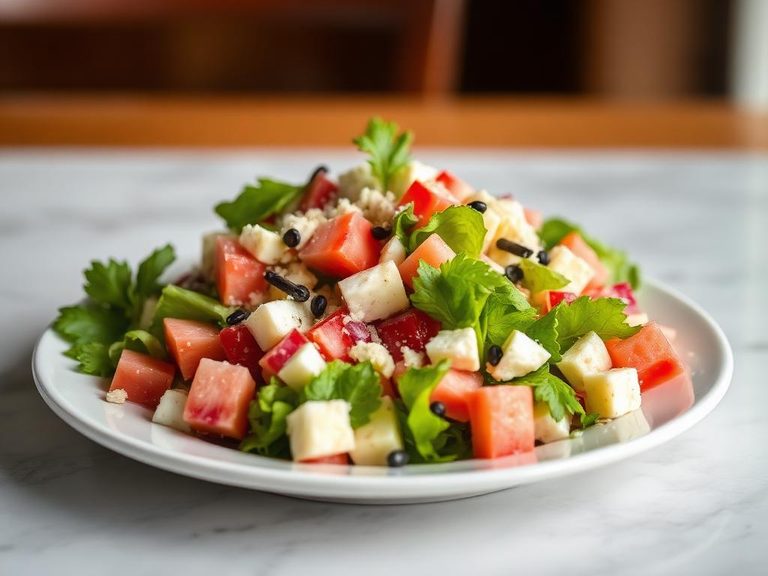
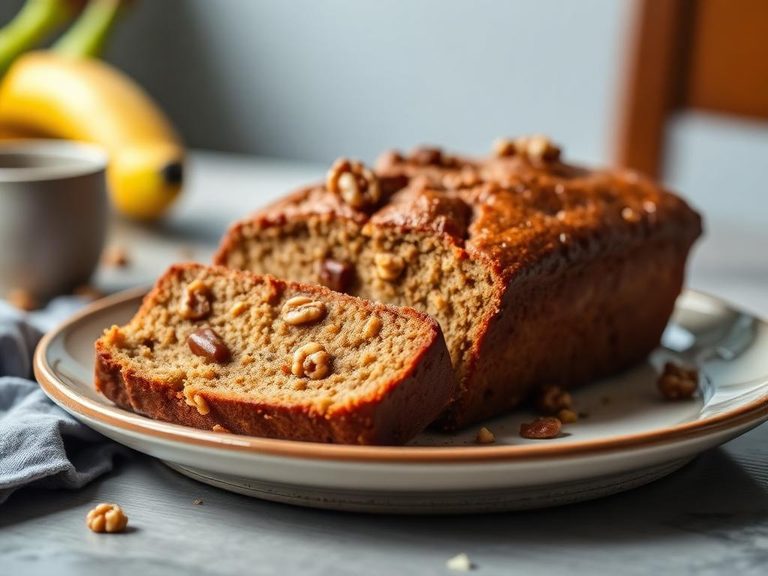
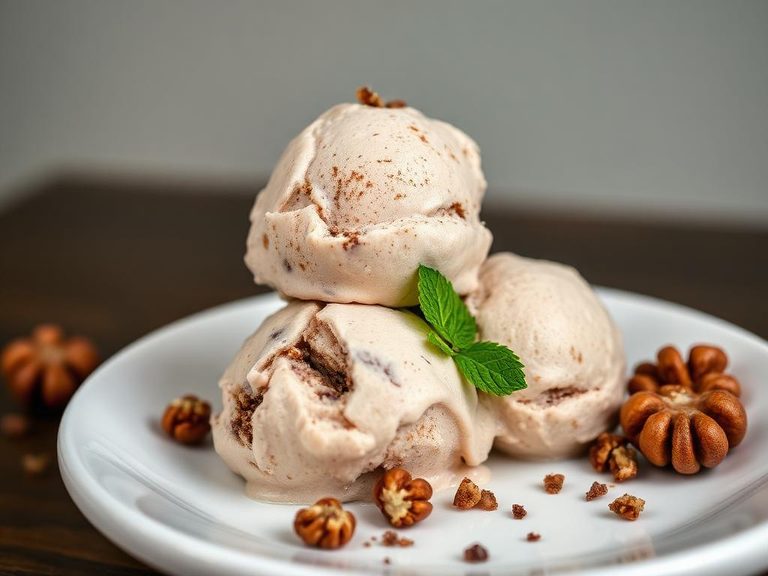
🍽️ Popular dishes
🌍 Where it's eaten
💡 Did you know?
The English walnut (Juglans regia) is not native to England at all; it originated in the region spanning from the Balkans to China, and was named 'English' to distinguish it from the native American Black Walnut after being introduced to Britain by the Romans.
Full nutrition (scales with serving)
| Water | 4.1 g |
| Energy | 654 kcal |
| Energy | 2738 kj |
| Protein | 15.2 g |
| Total lipid (fat) | 65.2 g |
| Ash | 1.8 g |
| Carbohydrate, by difference | 13.7 g |
| Fiber, total dietary | 6.7 g |
| Total Sugars | 2.6 g |
| Sucrose | 2.4 g |
| Glucose | 0.08 g |
| Fructose | 0.09 g |
| Lactose | 0.00 g |
| Maltose | 0.00 g |
| Starch | 0.06 g |
| Calcium, Ca | 98.0 mg |
| Iron, Fe | 2.9 mg |
| Magnesium, Mg | 158 mg |
| Phosphorus, P | 346 mg |
| Potassium, K | 441 mg |
| Sodium, Na | 2.0 mg |
| Zinc, Zn | 3.1 mg |
| Copper, Cu | 1.6 mg |
| Manganese, Mn | 3.4 mg |
| Selenium, Se | 4.9 ug |
| Vitamin C, total ascorbic acid | 1.3 mg |
| Thiamin | 0.34 mg |
| Riboflavin | 0.15 mg |
| Niacin | 1.1 mg |
| Pantothenic acid | 0.57 mg |
| Vitamin B-6 | 0.54 mg |
| Folate, total | 98.0 ug |
| Folic acid | 0.00 ug |
| Folate, food | 98.0 ug |
| Folate, DFE | 98.0 ug |
| Choline, total | 39.2 mg |
| Betaine | 0.30 mg |
| Vitamin B-12 | 0.00 ug |
| Vitamin B-12, added | 0.00 ug |
| Vitamin A, RAE | 1.0 ug |
| Retinol | 0.00 ug |
| Carotene, beta | 12.0 ug |
| Carotene, alpha | 0.00 ug |
| Cryptoxanthin, beta | 0.00 ug |
| Vitamin A, IU | 20.0 iu |
| Lycopene | 0.00 ug |
| Lutein + zeaxanthin | 9.0 ug |
| Vitamin E (alpha-tocopherol) | 0.70 mg |
| Vitamin E, added | 0.00 mg |
| Tocopherol, beta | 0.15 mg |
| Tocopherol, gamma | 20.8 mg |
| Tocopherol, delta | 1.9 mg |
| Vitamin D (D2 + D3), International Units | 0.00 iu |
| Vitamin D (D2 + D3) | 0.00 ug |
| Vitamin K (phylloquinone) | 2.7 ug |
| Vitamin K (Dihydrophylloquinone) | 0.00 ug |
| Alcohol, ethyl | 0.00 g |
| Caffeine | 0.00 mg |
| Theobromine | 0.00 mg |
Fat & fatty acid profile (per 100g)
| Fatty acids, total saturated | 6.1 g |
| SFA 4:0 | 0.00 g |
| SFA 6:0 | 0.00 g |
| SFA 8:0 | 0.00 g |
| SFA 10:0 | 0.00 g |
| SFA 12:0 | 0.00 g |
| SFA 13:0 | 0.00 g |
| SFA 14:0 | 0.00 g |
| SFA 15:0 | 0.00 g |
| SFA 16:0 | 4.4 g |
| SFA 17:0 | 0.00 g |
| SFA 18:0 | 1.7 g |
| SFA 20:0 | 0.06 g |
| SFA 22:0 | 0.00 g |
| SFA 24:0 | 0.00 g |
| Fatty acids, total monounsaturated | 8.9 g |
| MUFA 14:1 | 0.00 g |
| MUFA 16:1 | 0.00 g |
| MUFA 18:1 | 8.8 g |
| MUFA 20:1 | 0.13 g |
| MUFA 22:1 | 0.00 g |
| MUFA 24:1 c | 0.00 g |
| Fatty acids, total polyunsaturated | 47.2 g |
| PUFA 18:2 | 38.1 g |
| PUFA 18:3 | 9.1 g |
| PUFA 18:4 | 0.00 g |
| PUFA 20:2 n-6 c,c | 0.00 g |
| PUFA 20:3 | 0.00 g |
| PUFA 20:4 | 0.00 g |
| PUFA 20:5 n-3 (EPA) | 0.00 g |
| PUFA 22:5 n-3 (DPA) | 0.00 g |
| PUFA 22:6 n-3 (DHA) | 0.00 g |
| Cholesterol | 0.00 mg |
| Stigmasterol | 0.00 mg |
| Campesterol | 5.0 mg |
| Beta-sitosterol | 87.0 mg |
Amino acid profile (per 100g)
| Tryptophan | 0.17 g |
| Threonine | 0.60 g |
| Isoleucine | 0.63 g |
| Leucine | 1.2 g |
| Lysine | 0.42 g |
| Methionine | 0.24 g |
| Cystine | 0.21 g |
| Phenylalanine | 0.71 g |
| Tyrosine | 0.41 g |
| Valine | 0.75 g |
| Arginine | 2.3 g |
| Histidine | 0.39 g |
| Alanine | 0.70 g |
| Aspartic acid | 1.8 g |
| Glutamic acid | 2.8 g |
| Glycine | 0.82 g |
| Proline | 0.71 g |
| Serine | 0.93 g |
FAQ
Why do walnuts sometimes taste bitter?
The bitterness comes from tannins in the thin, papery skin. This is natural and indicates antioxidant content. Soaking walnuts can reduce bitterness.
How should I store walnuts to keep them fresh?
Store shelled walnuts in an airtight container in the refrigerator for up to 6 months or freezer for up to a year to prevent the oils from going rancid.
Are walnuts good for brain health?
Walnuts are a good source of ALA omega-3s and polyphenols, which are nutrients of interest in brain health research. They are part of a healthy dietary pattern, but not a cure or treatment.