

Tomato sauce, canned, no salt added
Whole food · Vegetables and Vegetable Products
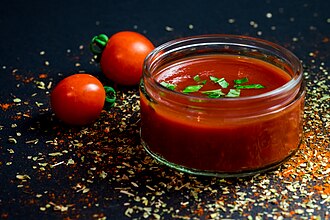
Photo: Wikipedia
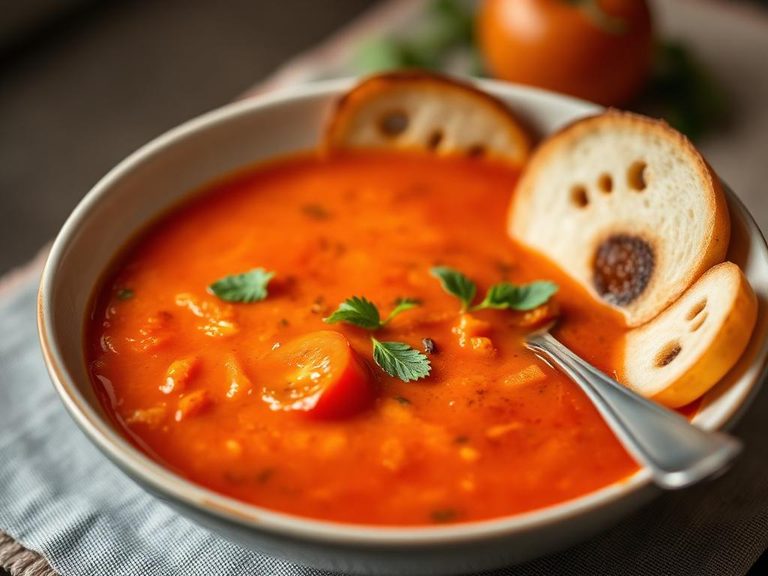
This is a pantry staple: smooth, vibrant tomato puree with a concentrated, sweet-tart flavor and velvety texture. With just 24 calories per 100g and no added salt, it's a light, versatile base for countless sauces, soups, and stews. Its natural sugars and fiber offer a clean, tomato-forward taste without the sodium load of many canned goods.
Calorie split: 17% protein · 74% carbs · 9% fat
↓ Full nutrition💚 Why it's loved
People love it for its incredible convenience and pure, bright tomato flavor that forms the backbone of dishes from pasta sauces to chili. It's a blank canvas that lets home cooks build complex flavors without starting from scratch.
⚠️ Watch-outs & how to enjoy it better
Its natural sugars (3.56g per 100g) can contribute to blood-sugar spikes if used in large quantities without balancing protein or fat. The acidity may also bother those with acid reflux or sensitive stomachs. To counteract, use it in moderation, pair with lean proteins like chicken or beans, and consider adding a pinch of baking soda to reduce acidity in cooked dishes.
Key benefits
- Low-calorie base for sauces and soups
- Good source of fiber (1.5g per 100g)
- Naturally low in fat
- No added sodium for heart-healthy cooking
- Provides natural sugars for balanced flavor
🍽️ Popular dishes
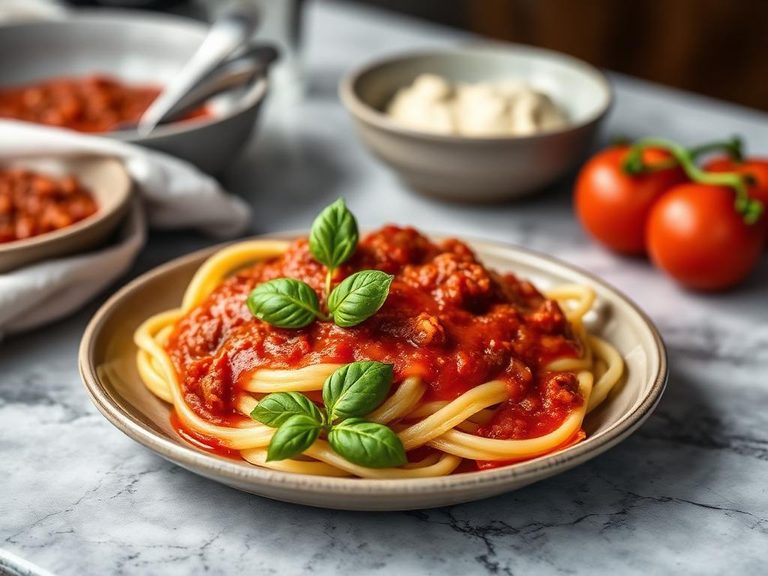
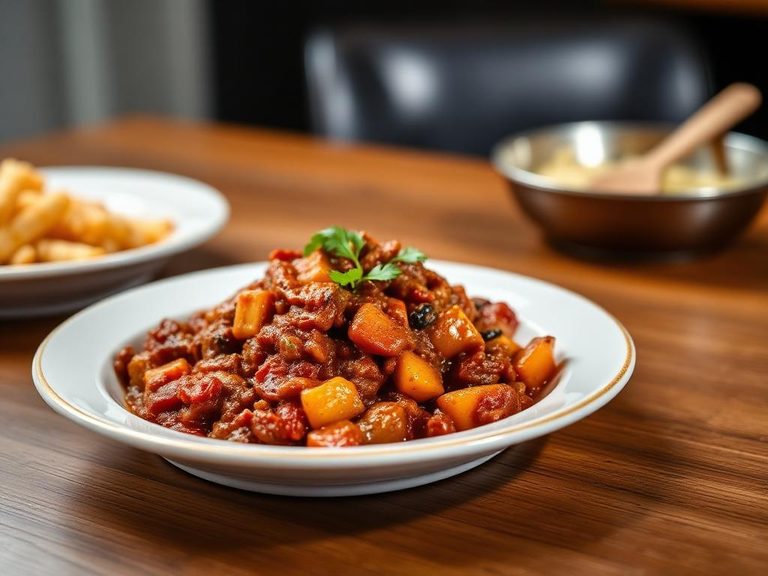
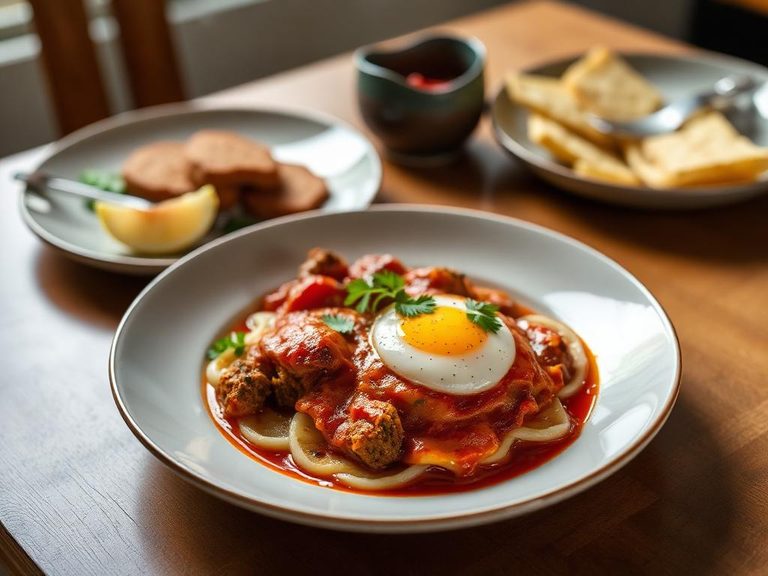


🌍 Where it's eaten
💡 Did you know?
Canned tomato products often have higher bioavailable lycopene than fresh tomatoes because the canning process breaks down cell walls, making this powerful antioxidant easier for your body to absorb.
Full nutrition (USDA data · scales with serving)
| Water | 91.3 g |
| Energy | 24.0 kcal |
| Energy | 102 kj |
| Protein | 1.2 g |
| Total lipid (fat) | 0.30 g |
| Ash | 1.9 g |
| Carbohydrate, by difference | 5.3 g |
| Fiber, total dietary | 1.5 g |
| Total Sugars | 3.6 g |
| Sucrose | 0.07 g |
| Glucose | 1.8 g |
| Fructose | 1.7 g |
| Lactose | 0.00 g |
| Maltose | 0.00 g |
| Galactose | 0.00 g |
| Calcium, Ca | 14.0 mg |
| Iron, Fe | 0.96 mg |
| Magnesium, Mg | 15.0 mg |
| Phosphorus, P | 27.0 mg |
| Potassium, K | 297 mg |
| Sodium, Na | 11.0 mg |
| Zinc, Zn | 0.22 mg |
| Copper, Cu | 0.12 mg |
| Manganese, Mn | 0.11 mg |
| Selenium, Se | 0.60 ug |
| Fluoride, F | 34.9 ug |
| Vitamin C, total ascorbic acid | 7.0 mg |
| Thiamin | 0.02 mg |
| Riboflavin | 0.07 mg |
| Niacin | 0.99 mg |
| Pantothenic acid | 0.31 mg |
| Vitamin B-6 | 0.10 mg |
| Folate, total | 9.0 ug |
| Folic acid | 0.00 ug |
| Folate, food | 9.0 ug |
| Folate, DFE | 9.0 ug |
| Choline, total | 9.9 mg |
| Betaine | 0.80 mg |
| Vitamin B-12 | 0.00 ug |
| Vitamin B-12, added | 0.00 ug |
| Vitamin A, RAE | 22.0 ug |
| Retinol | 0.00 ug |
| Carotene, beta | 259 ug |
| Carotene, alpha | 0.00 ug |
| Cryptoxanthin, beta | 3.0 ug |
| Vitamin A, IU | 435 iu |
| Lycopene | 13895 ug |
| Lutein + zeaxanthin | 24.0 ug |
| Vitamin E (alpha-tocopherol) | 1.4 mg |
| Vitamin E, added | 0.00 mg |
| Tocopherol, beta | 0.02 mg |
| Tocopherol, gamma | 0.10 mg |
| Tocopherol, delta | 0.00 mg |
| Vitamin D (D2 + D3), International Units | 0.00 iu |
| Vitamin D (D2 + D3) | 0.00 ug |
| Vitamin K (phylloquinone) | 2.8 ug |
| Vitamin K (Dihydrophylloquinone) | 0.00 ug |
| Alcohol, ethyl | 0.00 g |
| Caffeine | 0.00 mg |
| Theobromine | 0.00 mg |
Fat & fatty acid profile (per 100g)
| Fatty acids, total saturated | 0.04 g |
| SFA 4:0 | 0.00 g |
| SFA 6:0 | 0.00 g |
| SFA 8:0 | 0.00 g |
| SFA 10:0 | 0.00 g |
| SFA 12:0 | 0.00 g |
| SFA 14:0 | 0.00 g |
| SFA 16:0 | 0.03 g |
| SFA 18:0 | 0.01 g |
| Fatty acids, total monounsaturated | 0.04 g |
| MUFA 16:1 | 0.00 g |
| MUFA 18:1 | 0.04 g |
| MUFA 20:1 | 0.00 g |
| MUFA 22:1 | 0.00 g |
| Fatty acids, total polyunsaturated | 0.12 g |
| PUFA 18:2 | 0.12 g |
| PUFA 18:3 | 0.01 g |
| PUFA 18:4 | 0.00 g |
| PUFA 20:4 | 0.00 g |
| PUFA 20:5 n-3 (EPA) | 0.00 g |
| PUFA 22:5 n-3 (DPA) | 0.00 g |
| PUFA 22:6 n-3 (DHA) | 0.00 g |
| Fatty acids, total trans | 0.00 g |
| Cholesterol | 0.00 mg |
Amino acid profile (per 100g)
| Tryptophan | 0.01 g |
| Threonine | 0.04 g |
| Isoleucine | 0.03 g |
| Leucine | 0.03 g |
| Lysine | 0.04 g |
| Methionine | 0.01 g |
| Cystine | 0.01 g |
| Phenylalanine | 0.04 g |
| Tyrosine | 0.02 g |
| Valine | 0.03 g |
| Arginine | 0.03 g |
| Histidine | 0.02 g |
| Alanine | 0.04 g |
| Aspartic acid | 0.18 g |
| Glutamic acid | 0.59 g |
| Glycine | 0.03 g |
| Proline | 0.02 g |
| Serine | 0.04 g |
FAQ
How is this different from tomato paste or crushed tomatoes?
Tomato sauce is a smooth, strained puree with a medium consistency. Tomato paste is much thicker and more concentrated, while crushed tomatoes are chunkier with seeds and skin. This sauce is a versatile middle ground.
Can I use this as a substitute for fresh tomatoes?
Yes, in cooked dishes. Use about 1/2 cup of sauce to replace one medium fresh tomato. Note that the flavor will be more concentrated and cooked, so it's best for sauces, soups, and stews rather than fresh applications like salads.
Why choose 'no salt added'?
It gives you complete control over the sodium content of your final dish. This is especially important for people monitoring their blood pressure or those who prefer to season their food to their own taste during cooking.
Nutrient density (calculated · NRF9.3)
Nutrient Rich Foods index: beneficial nutrients (protein, fiber, vitamins, minerals) minus saturated fat, added sugar & sodium, per 100 kcal.
NRF9.3 index — Fulgoni, Keast & Drewnowski, 2009. Computed from USDA nutrients.
Weight-loss friendliness (composite index)
Energy density 0.24 kcal/g · 20% calories from protein · 1.5 g fiber · 3.6 g sugar per 100 g.
Composite of energy density (Rolls et al., 1999), protein & fiber satiety, minus sugar. A calculated heuristic — ranks satiety-per-calorie, not a clinical measure.
Dietary load (calculated from USDA values)
Potential renal acid load. Positive = acid-forming, negative = alkaline-forming.
Sodium-to-potassium ratio: 0.04 (lower is better — aim for ≤ 1)
Sodium:potassium per WHO potassium guidance. Computed from USDA nutrients.