

Potatoes, red, flesh and skin, raw
Whole food · Vegetables and Vegetable Products
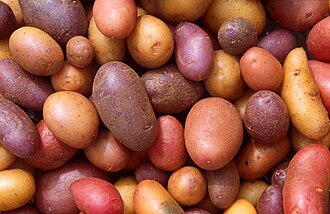
Photo: Wikipedia
The red potato, with its vibrant crimson skin and creamy white flesh, offers a subtly sweet, earthy flavor and a firm, waxy texture that holds its shape beautifully when cooked. Nutritionally, it's a lean source of energy, providing a good amount of fiber and vitamin C for its low calorie count.
Calorie split: 10% protein · 88% carbs · 2% fat
↓ Full nutrition💚 Why it's loved
People adore red potatoes for their buttery, slightly sweet flavor and versatile, waxy texture that makes them perfect for everything from creamy salads to crispy roasted wedges. They are a beloved staple in countless global cuisines, symbolizing comfort and hearty home cooking.
⚠️ Watch-outs & how to enjoy it better
Their high carbohydrate content can lead to blood sugar spikes, making portion control important for those managing diabetes. To mitigate this, pair them with protein (like beans or chicken) and healthy fats (like olive oil or avocado), or opt for cooking methods like boiling or roasting with skin on to retain fiber.
Key benefits
- Excellent source of potassium for heart and muscle function.
- High in vitamin C, an antioxidant that supports immune health.
- Provides resistant starch when cooked and cooled, aiding digestion.
- Naturally low in fat and a good source of dietary fiber.
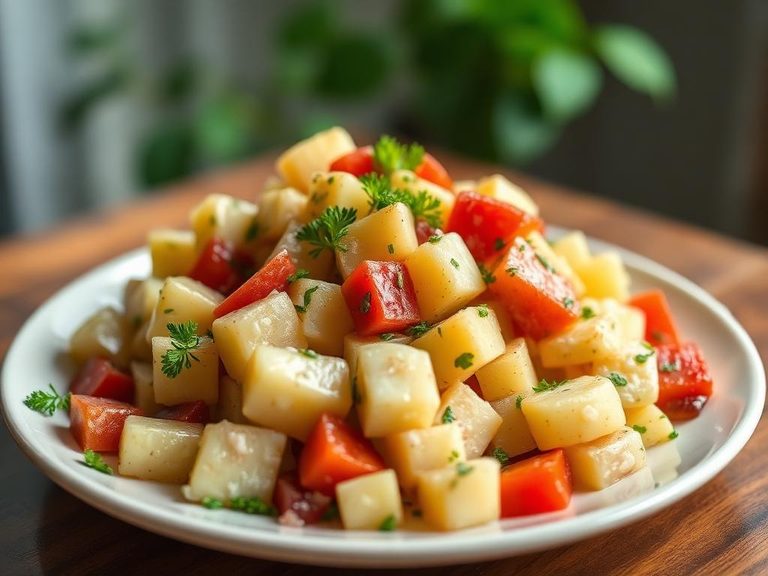
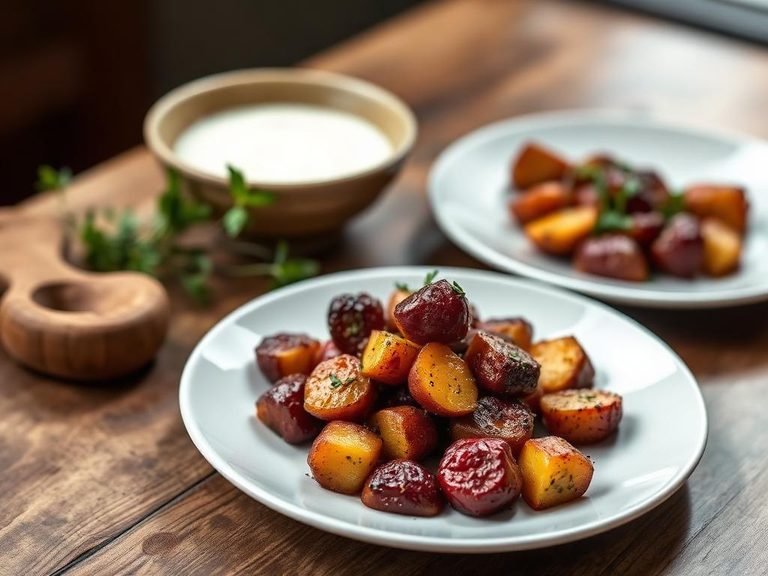
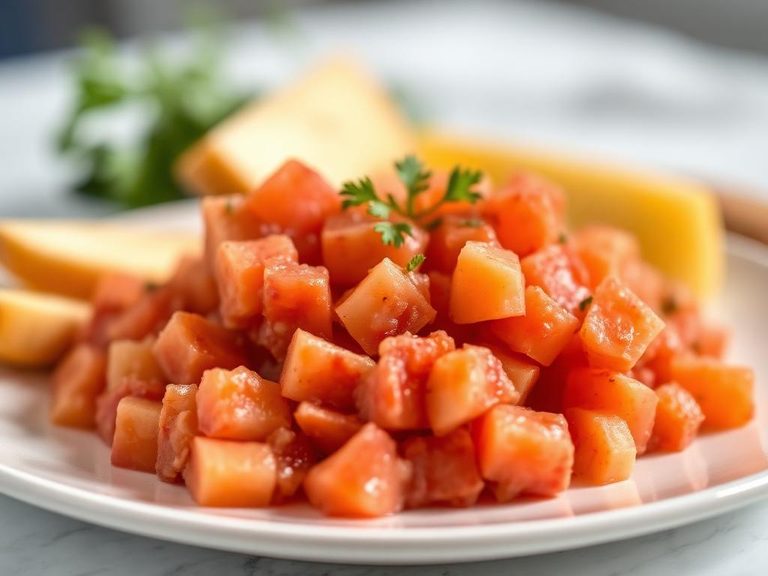
🍽️ Popular dishes
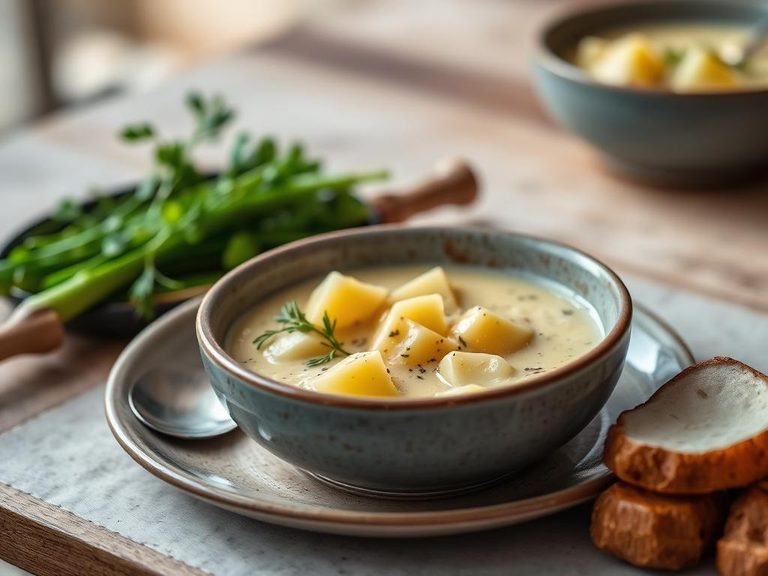
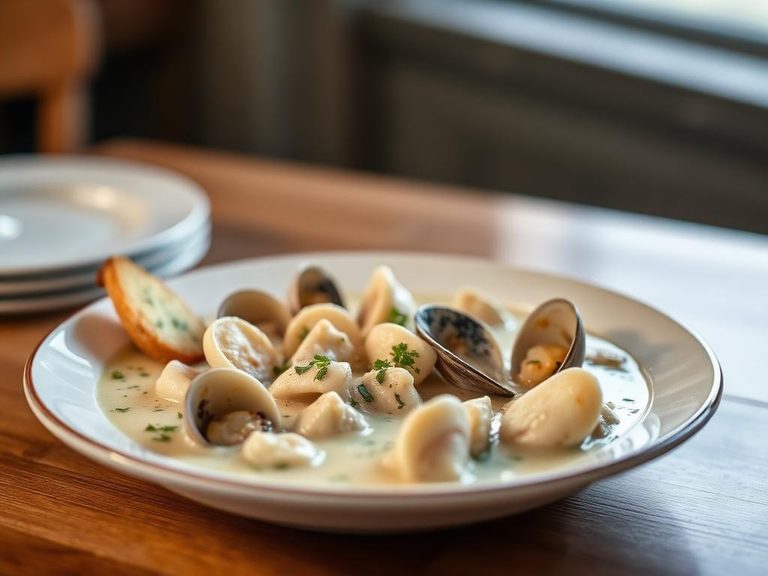
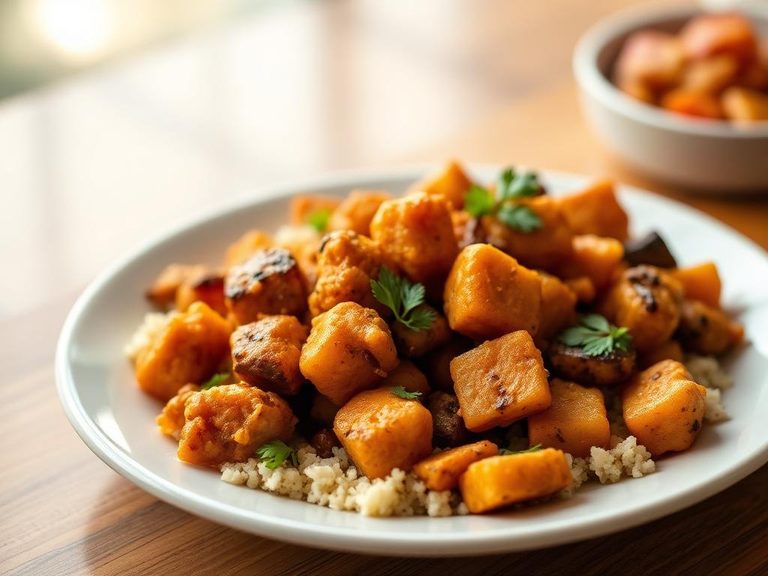
🌍 Where it's eaten
💡 Did you know?
The red color in the skin comes from anthocyanins, the same powerful antioxidants found in blueberries and red cabbage.
Full nutrition (USDA data · scales with serving)
| Water | 81.0 g |
| Energy | 70.0 kcal |
| Energy | 295 kj |
| Protein | 1.9 g |
| Total lipid (fat) | 0.14 g |
| Ash | 1.1 g |
| Carbohydrate, by difference | 15.9 g |
| Fiber, total dietary | 1.7 g |
| Total Sugars | 1.3 g |
| Sucrose | 0.29 g |
| Glucose | 0.40 g |
| Fructose | 0.31 g |
| Lactose | 0.00 g |
| Maltose | 0.00 g |
| Galactose | 0.00 g |
| Starch | 13.3 g |
| Calcium, Ca | 10.0 mg |
| Iron, Fe | 0.73 mg |
| Magnesium, Mg | 22.0 mg |
| Phosphorus, P | 61.0 mg |
| Potassium, K | 455 mg |
| Sodium, Na | 18.0 mg |
| Zinc, Zn | 0.33 mg |
| Copper, Cu | 0.13 mg |
| Manganese, Mn | 0.14 mg |
| Selenium, Se | 0.50 ug |
| Vitamin C, total ascorbic acid | 8.6 mg |
| Thiamin | 0.08 mg |
| Riboflavin | 0.03 mg |
| Niacin | 1.1 mg |
| Pantothenic acid | 0.28 mg |
| Vitamin B-6 | 0.17 mg |
| Folate, total | 18.0 ug |
| Folic acid | 0.00 ug |
| Folate, food | 18.0 ug |
| Folate, DFE | 18.0 ug |
| Choline, total | 16.4 mg |
| Betaine | 0.20 mg |
| Vitamin B-12 | 0.00 ug |
| Vitamin A, RAE | 0.00 ug |
| Retinol | 0.00 ug |
| Carotene, beta | 4.0 ug |
| Carotene, alpha | 0.00 ug |
| Cryptoxanthin, beta | 0.00 ug |
| Vitamin A, IU | 7.0 iu |
| Lycopene | 0.00 ug |
| Lutein + zeaxanthin | 21.0 ug |
| Vitamin E (alpha-tocopherol) | 0.01 mg |
| Tocopherol, beta | 0.00 mg |
| Tocopherol, gamma | 0.00 mg |
| Tocopherol, delta | 0.00 mg |
| Vitamin D (D2 + D3), International Units | 0.00 iu |
| Vitamin D (D2 + D3) | 0.00 ug |
| Vitamin K (phylloquinone) | 2.9 ug |
| Vitamin K (Dihydrophylloquinone) | 0.00 ug |
| Alcohol, ethyl | 0.00 g |
| Caffeine | 0.00 mg |
| Theobromine | 0.00 mg |
Fat & fatty acid profile (per 100g)
| Fatty acids, total saturated | 0.04 g |
| SFA 4:0 | 0.00 g |
| SFA 6:0 | 0.00 g |
| SFA 8:0 | 0.00 g |
| SFA 10:0 | 0.00 g |
| SFA 12:0 | 0.00 g |
| SFA 14:0 | 0.00 g |
| SFA 16:0 | 0.02 g |
| SFA 18:0 | 0.01 g |
| Fatty acids, total monounsaturated | 0.00 g |
| MUFA 16:1 | 0.00 g |
| MUFA 18:1 | 0.00 g |
| MUFA 20:1 | 0.00 g |
| MUFA 22:1 | 0.00 g |
| Fatty acids, total polyunsaturated | 0.06 g |
| PUFA 18:2 | 0.04 g |
| PUFA 18:3 | 0.01 g |
| PUFA 18:4 | 0.00 g |
| PUFA 20:4 | 0.00 g |
| PUFA 20:5 n-3 (EPA) | 0.00 g |
| PUFA 22:5 n-3 (DPA) | 0.00 g |
| PUFA 22:6 n-3 (DHA) | 0.00 g |
| Fatty acids, total trans | 0.00 g |
| Cholesterol | 0.00 mg |
| Phytosterols | 5.0 mg |
Amino acid profile (per 100g)
| Tryptophan | 0.02 g |
| Threonine | 0.06 g |
| Isoleucine | 0.06 g |
| Leucine | 0.09 g |
| Lysine | 0.10 g |
| Methionine | 0.03 g |
| Cystine | 0.02 g |
| Phenylalanine | 0.07 g |
| Tyrosine | 0.04 g |
| Valine | 0.10 g |
| Arginine | 0.09 g |
| Histidine | 0.03 g |
| Alanine | 0.06 g |
| Aspartic acid | 0.44 g |
| Glutamic acid | 0.32 g |
| Glycine | 0.05 g |
| Proline | 0.06 g |
| Serine | 0.07 g |
FAQ
What's the difference between red and white potatoes?
Red potatoes have a waxy texture, thin skin, and a slightly sweet flavor, making them ideal for salads, boiling, and roasting. White potatoes are starchier and fluffier, better for mashing and baking.
Should I eat the skin of a red potato?
Yes! The skin is thin, edible, and contains a significant portion of the potato's fiber, iron, and potassium. Just give it a good scrub before cooking.
How can I keep red potatoes from turning brown after cutting?
Submerge the cut pieces in cold water with a splash of lemon juice or vinegar. This prevents oxidation. Use them within a few hours for best texture.
Nutrient density (calculated · NRF9.3)
Nutrient Rich Foods index: beneficial nutrients (protein, fiber, vitamins, minerals) minus saturated fat, added sugar & sodium, per 100 kcal.
NRF9.3 index — Fulgoni, Keast & Drewnowski, 2009. Computed from USDA nutrients.
Weight-loss friendliness (composite index)
Energy density 0.70 kcal/g · 11% calories from protein · 1.7 g fiber · 1.3 g sugar per 100 g.
Composite of energy density (Rolls et al., 1999), protein & fiber satiety, minus sugar. A calculated heuristic — ranks satiety-per-calorie, not a clinical measure.
Dietary load (calculated from USDA values)
Potential renal acid load. Positive = acid-forming, negative = alkaline-forming.
Sodium-to-potassium ratio: 0.04 (lower is better — aim for ≤ 1)
Sodium:potassium per WHO potassium guidance. Computed from USDA nutrients.