

Peanuts, all types, oil-roasted, with salt
Whole food · Legumes and Legume Products

Photo: Wikipedia
Oil-roasted peanuts are a crunchy, savory snack with a deep, nutty flavor and a satisfyingly firm texture. They are a calorie-dense powerhouse, packing over 52g of healthy fats and 28g of protein per 100g, making them exceptionally satiating. The roasting process in oil enhances their rich taste and golden color, while a light salt coating amplifies their savory appeal.
Calorie split: 17% protein · 9% carbs · 73% fat
↓ Full nutrition💚 Why it's loved
People adore them for the perfect marriage of salty, savory flavor and an addictive, crunchy texture. They are a beloved, portable snack across cultures, from ballpark stands to Asian street markets, and are a foundational ingredient in sauces and confections worldwide.
⚠️ Watch-outs & how to enjoy it better
Their high calorie density can lead to overconsumption, and the added salt is a concern for those monitoring sodium intake. They are a top allergen, and the roasting process can form acrylamides. To counteract, practice strict portion control (e.g., a small handful), choose low-sodium versions when possible, and pair them with fiber-rich fruits or vegetables to promote fullness.
Key benefits
- Excellent source of plant-based protein for muscle maintenance.
- Rich in heart-healthy monounsaturated fats.
- Provides dietary fiber for digestive health.
- Contains important minerals like magnesium and phosphorus.
- High in energy, making it a potent fuel for active lifestyles.
🍽️ Popular dishes
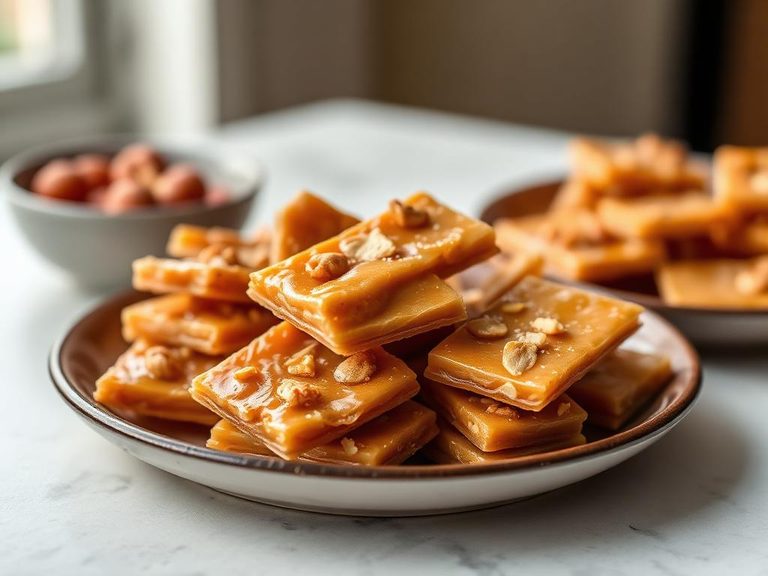
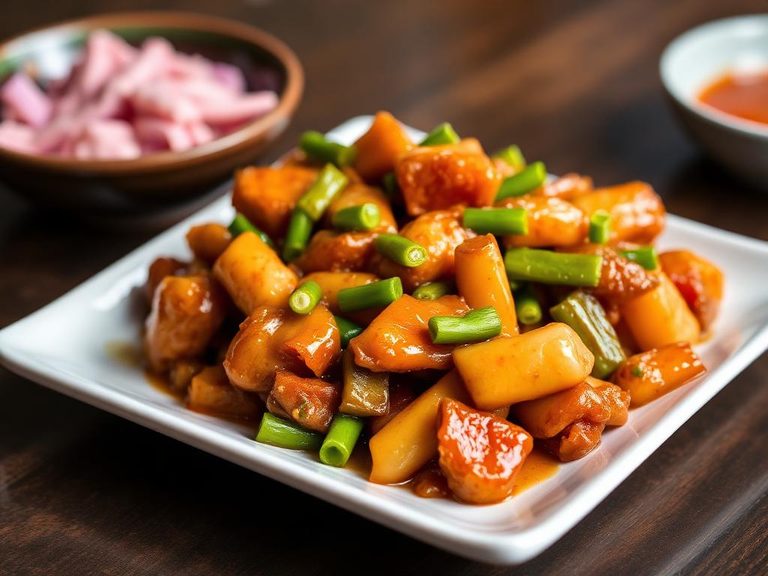

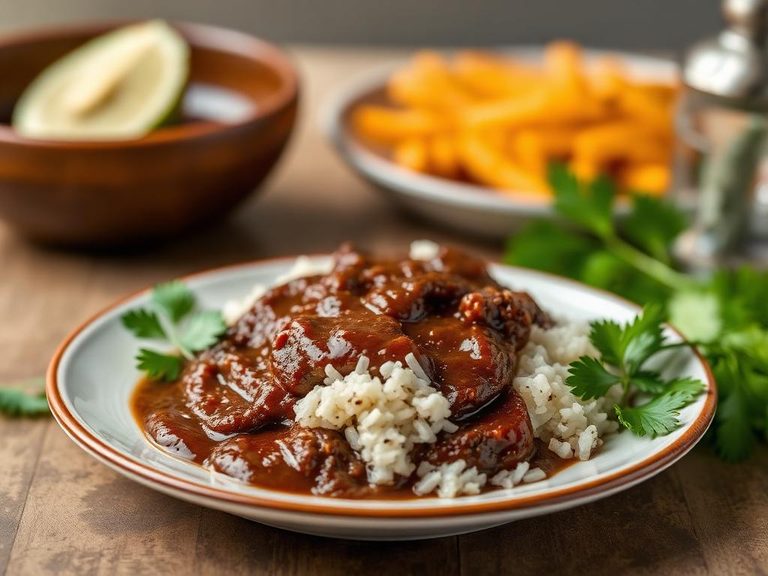
🌍 Where it's eaten
💡 Did you know?
Peanuts are not true nuts; they are legumes that develop underground, a trait called geocarpy, which is why they are also known as 'groundnuts'.
Full nutrition (USDA data · scales with serving)
| Water | 1.4 g |
| Energy | 599 kcal |
| Energy | 2506 kj |
| Protein | 28.0 g |
| Total lipid (fat) | 52.5 g |
| Ash | 2.8 g |
| Carbohydrate, by difference | 15.3 g |
| Fiber, total dietary | 9.4 g |
| Total Sugars | 4.2 g |
| Sucrose | 4.0 g |
| Glucose | 0.08 g |
| Fructose | 0.08 g |
| Lactose | 0.00 g |
| Maltose | 0.00 g |
| Galactose | 0.00 g |
| Starch | 3.1 g |
| Calcium, Ca | 61.0 mg |
| Iron, Fe | 1.5 mg |
| Magnesium, Mg | 176 mg |
| Phosphorus, P | 397 mg |
| Potassium, K | 726 mg |
| Sodium, Na | 320 mg |
| Zinc, Zn | 3.3 mg |
| Copper, Cu | 0.53 mg |
| Manganese, Mn | 1.8 mg |
| Selenium, Se | 3.3 ug |
| Vitamin C, total ascorbic acid | 0.80 mg |
| Thiamin | 0.09 mg |
| Riboflavin | 0.09 mg |
| Niacin | 13.8 mg |
| Pantothenic acid | 1.2 mg |
| Vitamin B-6 | 0.46 mg |
| Folate, total | 120 ug |
| Folic acid | 0.00 ug |
| Folate, food | 120 ug |
| Folate, DFE | 120 ug |
| Choline, total | 55.3 mg |
| Vitamin B-12 | 0.00 ug |
| Vitamin B-12, added | 0.00 ug |
| Vitamin A, RAE | 0.00 ug |
| Retinol | 0.00 ug |
| Carotene, beta | 0.00 ug |
| Carotene, alpha | 0.00 ug |
| Cryptoxanthin, beta | 0.00 ug |
| Vitamin A, IU | 0.00 iu |
| Lycopene | 0.00 ug |
| Lutein + zeaxanthin | 0.00 ug |
| Vitamin E (alpha-tocopherol) | 6.9 mg |
| Vitamin E, added | 0.00 mg |
| Vitamin D (D2 + D3), International Units | 0.00 iu |
| Vitamin D (D2 + D3) | 0.00 ug |
| Vitamin K (phylloquinone) | 0.00 ug |
| Vitamin K (Dihydrophylloquinone) | 0.00 ug |
| Alcohol, ethyl | 0.00 g |
| Caffeine | 0.00 mg |
| Theobromine | 0.00 mg |
Fat & fatty acid profile (per 100g)
| Fatty acids, total saturated | 8.7 g |
| SFA 4:0 | 0.00 g |
| SFA 6:0 | 0.00 g |
| SFA 8:0 | 0.00 g |
| SFA 10:0 | 0.04 g |
| SFA 12:0 | 0.04 g |
| SFA 14:0 | 0.04 g |
| SFA 15:0 | 0.04 g |
| SFA 16:0 | 5.0 g |
| SFA 17:0 | 0.06 g |
| SFA 18:0 | 1.4 g |
| SFA 20:0 | 0.67 g |
| SFA 22:0 | 1.3 g |
| Fatty acids, total monounsaturated | 26.0 g |
| MUFA 14:1 | 0.04 g |
| MUFA 15:1 | 0.04 g |
| MUFA 16:1 | 0.04 g |
| MUFA 17:1 | 0.04 g |
| MUFA 18:1 | 25.2 g |
| MUFA 20:1 | 0.61 g |
| MUFA 22:1 | 0.00 g |
| Fatty acids, total polyunsaturated | 15.3 g |
| PUFA 18:2 | 15.1 g |
| PUFA 18:3 | 0.04 g |
| PUFA 18:3 n-6 c,c,c | 0.04 g |
| PUFA 18:4 | 0.00 g |
| PUFA 20:2 n-6 c,c | 0.04 g |
| PUFA 20:3 | 0.04 g |
| PUFA 20:4 | 0.04 g |
| PUFA 20:5 n-3 (EPA) | 0.00 g |
| PUFA 22:5 n-3 (DPA) | 0.00 g |
| PUFA 22:6 n-3 (DHA) | 0.00 g |
| Cholesterol | 0.00 mg |
Amino acid profile (per 100g)
| Tryptophan | 0.23 g |
| Threonine | 0.61 g |
| Isoleucine | 0.98 g |
| Leucine | 1.8 g |
| Lysine | 0.94 g |
| Methionine | 0.29 g |
| Cystine | 0.38 g |
| Phenylalanine | 1.4 g |
| Tyrosine | 1.0 g |
| Valine | 1.1 g |
| Arginine | 3.2 g |
| Histidine | 0.66 g |
| Alanine | 1.1 g |
| Aspartic acid | 3.3 g |
| Glutamic acid | 5.4 g |
| Glycine | 1.6 g |
| Proline | 1.2 g |
| Serine | 1.3 g |
FAQ
Are oil-roasted peanuts healthy?
They can be a part of a healthy diet. They offer beneficial fats, protein, and nutrients, but their high calorie and sodium content means moderation is key. Opting for dry-roasted or unsalted versions can reduce fat and salt intake.
Why are peanuts so high in calories?
Their calorie density comes primarily from their high fat content (over 50% by weight). Fats provide 9 calories per gram, compared to 4 for protein or carbs, making peanuts a very concentrated energy source.
Can I eat peanuts if I'm watching my blood sugar?
Peanuts themselves have a very low glycemic index and are high in fiber and protein, which can help stabilize blood sugar. However, be cautious of flavored or candy-coated varieties that add sugar, and always account for their calories in your overall meal plan.
Nutrient density (calculated · NRF9.3)
Nutrient Rich Foods index: beneficial nutrients (protein, fiber, vitamins, minerals) minus saturated fat, added sugar & sodium, per 100 kcal.
NRF9.3 index — Fulgoni, Keast & Drewnowski, 2009. Computed from USDA nutrients.
Weight-loss friendliness (composite index)
Energy density 5.99 kcal/g · 19% calories from protein · 9.4 g fiber · 4.2 g sugar per 100 g.
Composite of energy density (Rolls et al., 1999), protein & fiber satiety, minus sugar. A calculated heuristic — ranks satiety-per-calorie, not a clinical measure.
Dietary load (calculated from USDA values)
Potential renal acid load. Positive = acid-forming, negative = alkaline-forming.
Sodium-to-potassium ratio: 0.44 (lower is better — aim for ≤ 1)
Sodium:potassium per WHO potassium guidance. Computed from USDA nutrients.