

Game meat, deer, ground, cooked, pan-broiled
Whole food · Lamb, Veal, and Game Products

Photo: Wikipedia
Pan-broiled ground deer meat is a lean, deeply savory protein with a robust, slightly sweet, and earthy flavor profile distinct from beef. Its texture is fine-grained and tender when cooked properly, but can become dry if overcooked due to its minimal fat content. Nutritionally, it's a powerhouse of protein with virtually no carbohydrates, making it a staple for low-carb and high-protein diets.
Calorie split: 59% protein · 0% carbs · 41% fat
↓ Full nutrition💚 Why it's loved
People cherish its distinctive, rich gamey flavor that offers a more complex and 'wild' taste than conventional beef. Its leanness makes it incredibly versatile for health-conscious cooking, from hearty burgers to delicate pasta sauces, while also connecting to cultural traditions of hunting and sustainable, field-to-table eating.
⚠️ Watch-outs & how to enjoy it better
Its very low fat content means it can dry out quickly and become tough if overcooked, requiring careful temperature control. Some may find the strong, gamey flavor unfamiliar or overpowering if not prepared with complementary herbs and fats. To counteract dryness, mix in a small amount of healthy fat like olive oil or cook with moisture-rich ingredients (tomatoes, mushrooms). To mellow the flavor, use marinades with acidic components like wine or vinegar.
Key benefits
- Excellent source of high-quality, complete protein (26g per 100g).
- Very low in fat and calories compared to other ground meats.
- Naturally zero in carbohydrates, sugars, and fiber.
- Rich in iron, zinc, and B vitamins, especially B12.
- Often sourced from wild, free-ranging animals with a more natural diet.
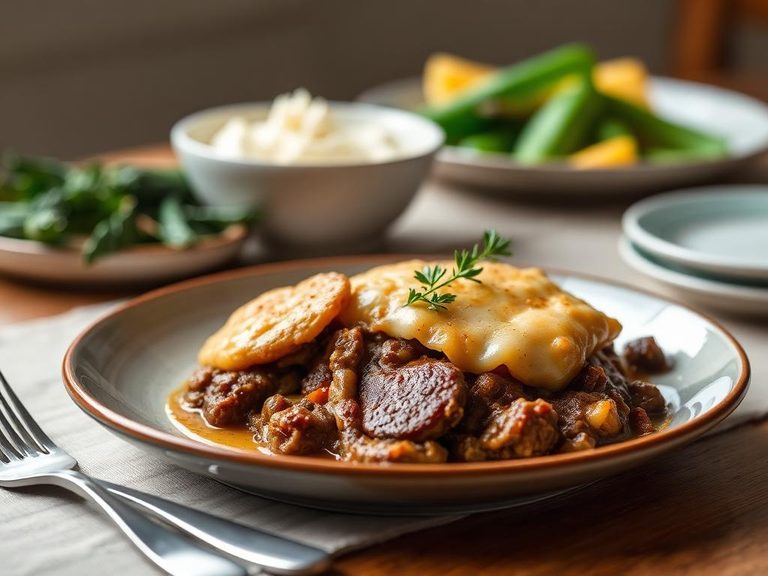
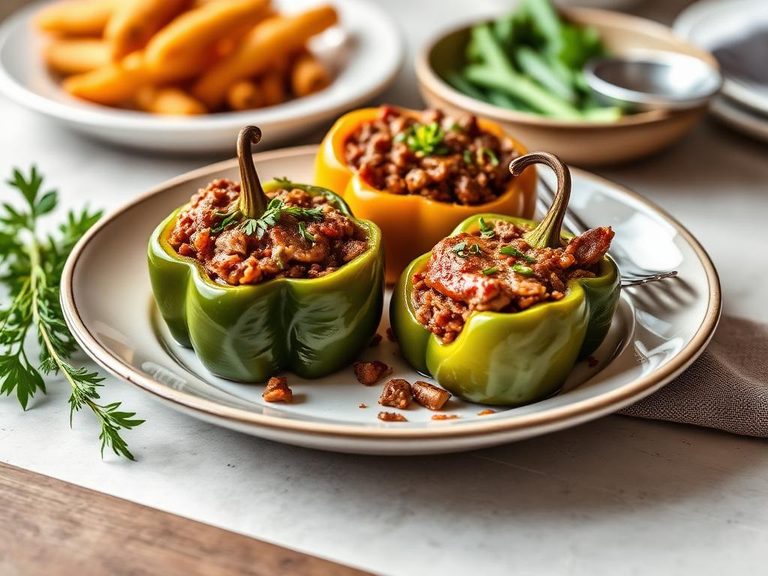
🍽️ Popular dishes
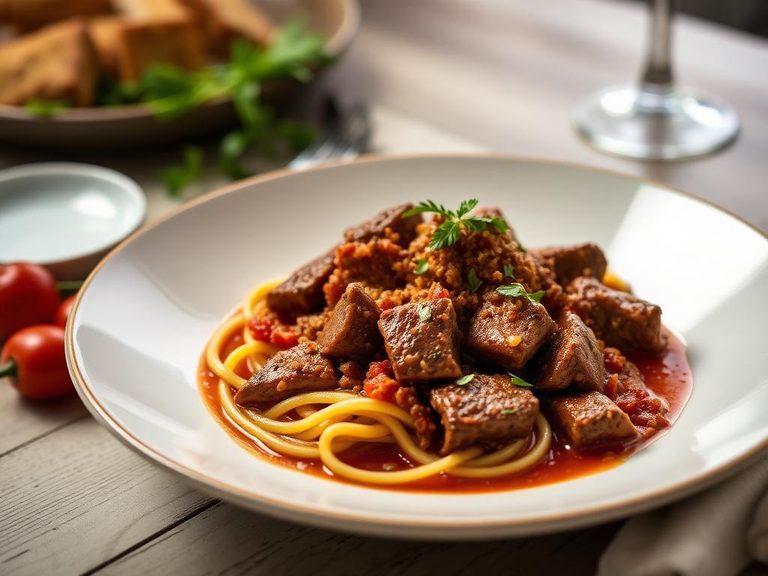
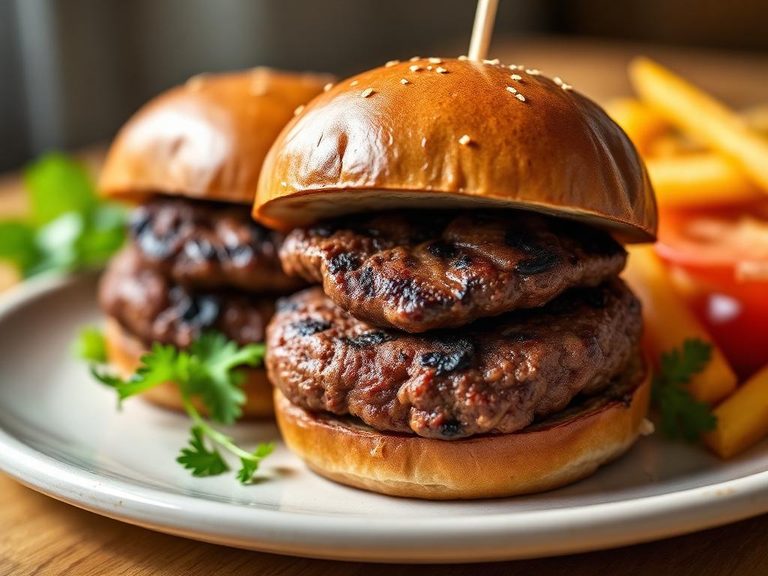
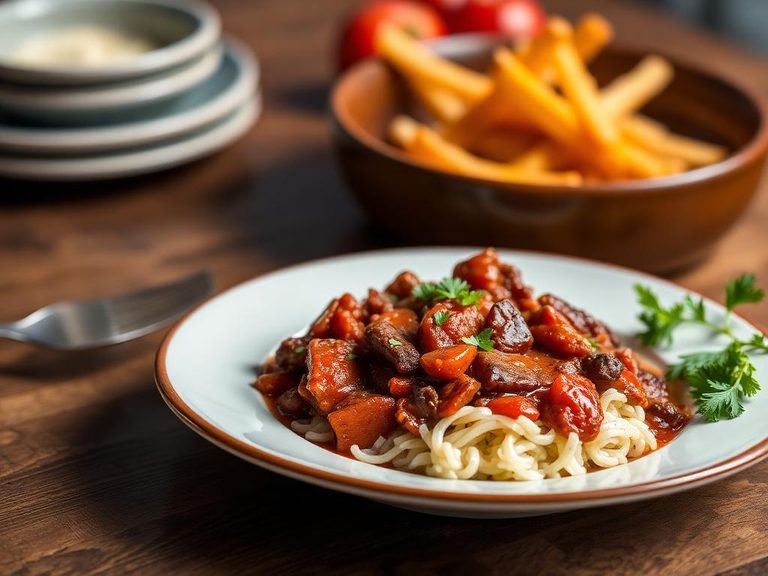
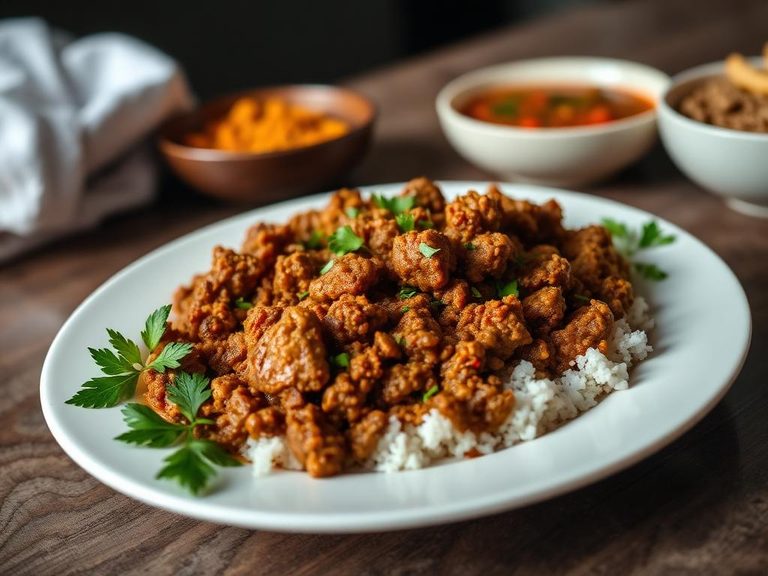
🌍 Where it's eaten
💡 Did you know?
Venison is so low in fat that traditional recipes often call for adding pork fat or bacon to prevent it from becoming a dry, crumbly disappointment in dishes like meatloaf or sausages.
Full nutrition (USDA data · scales with serving)
| Water | 64.2 g |
| Energy | 187 kcal |
| Energy | 783 kj |
| Protein | 26.4 g |
| Total lipid (fat) | 8.2 g |
| Ash | 1.1 g |
| Carbohydrate, by difference | 0.00 g |
| Fiber, total dietary | 0.00 g |
| Total Sugars | 0.00 g |
| Calcium, Ca | 14.0 mg |
| Iron, Fe | 3.4 mg |
| Magnesium, Mg | 24.0 mg |
| Phosphorus, P | 228 mg |
| Potassium, K | 364 mg |
| Sodium, Na | 78.0 mg |
| Zinc, Zn | 5.2 mg |
| Copper, Cu | 0.10 mg |
| Manganese, Mn | 0.01 mg |
| Selenium, Se | 10.3 ug |
| Vitamin C, total ascorbic acid | 0.00 mg |
| Thiamin | 0.50 mg |
| Riboflavin | 0.33 mg |
| Niacin | 9.3 mg |
| Pantothenic acid | 0.76 mg |
| Vitamin B-6 | 0.47 mg |
| Folate, total | 8.0 ug |
| Folic acid | 0.00 ug |
| Folate, food | 8.0 ug |
| Folate, DFE | 8.0 ug |
| Choline, total | 102 mg |
| Betaine | 13.4 mg |
| Vitamin B-12 | 2.3 ug |
| Vitamin B-12, added | 0.00 ug |
| Vitamin A, RAE | 0.00 ug |
| Retinol | 0.00 ug |
| Carotene, beta | 0.00 ug |
| Carotene, alpha | 0.00 ug |
| Cryptoxanthin, beta | 0.00 ug |
| Vitamin A, IU | 0.00 iu |
| Lycopene | 0.00 ug |
| Lutein + zeaxanthin | 0.00 ug |
| Vitamin E (alpha-tocopherol) | 0.68 mg |
| Vitamin E, added | 0.00 mg |
| Vitamin D (D2 + D3), International Units | 0.00 iu |
| Vitamin D (D2 + D3) | 0.00 ug |
| Vitamin D3 (cholecalciferol) | 0.00 ug |
| Vitamin K (phylloquinone) | 1.4 ug |
| Alcohol, ethyl | 0.00 g |
| Caffeine | 0.00 mg |
| Theobromine | 0.00 mg |
Fat & fatty acid profile (per 100g)
| Fatty acids, total saturated | 4.0 g |
| SFA 4:0 | 0.00 g |
| SFA 6:0 | 0.00 g |
| SFA 8:0 | 0.00 g |
| SFA 10:0 | 0.00 g |
| SFA 12:0 | 0.01 g |
| SFA 14:0 | 0.32 g |
| SFA 15:0 | 0.09 g |
| SFA 16:0 | 1.8 g |
| SFA 17:0 | 0.10 g |
| SFA 18:0 | 1.7 g |
| SFA 20:0 | 0.02 g |
| SFA 22:0 | 0.00 g |
| Fatty acids, total monounsaturated | 1.9 g |
| MUFA 14:1 | 0.06 g |
| MUFA 15:1 | 0.00 g |
| MUFA 16:1 | 0.29 g |
| MUFA 17:1 | 0.03 g |
| MUFA 18:1 | 1.5 g |
| MUFA 20:1 | 0.01 g |
| MUFA 22:1 | 0.00 g |
| Fatty acids, total polyunsaturated | 0.44 g |
| PUFA 18:2 | 0.26 g |
| PUFA 18:3 | 0.10 g |
| PUFA 18:3 n-6 c,c,c | 0.00 g |
| PUFA 18:4 | 0.00 g |
| PUFA 20:2 n-6 c,c | 0.00 g |
| PUFA 20:3 | 0.00 g |
| PUFA 20:4 | 0.08 g |
| PUFA 20:5 n-3 (EPA) | 0.00 g |
| PUFA 22:5 n-3 (DPA) | 0.00 g |
| PUFA 22:6 n-3 (DHA) | 0.00 g |
| Cholesterol | 98.0 mg |
Amino acid profile (per 100g)
| Tryptophan | 0.23 g |
| Threonine | 1.00 g |
| Isoleucine | 1.1 g |
| Leucine | 2.0 g |
| Lysine | 2.1 g |
| Methionine | 0.62 g |
| Cystine | 0.25 g |
| Phenylalanine | 1.00 g |
| Tyrosine | 0.82 g |
| Valine | 1.3 g |
| Arginine | 1.6 g |
| Histidine | 0.79 g |
| Alanine | 1.5 g |
| Aspartic acid | 2.3 g |
| Glutamic acid | 3.7 g |
| Glycine | 1.4 g |
| Proline | 1.2 g |
| Serine | 0.91 g |
| Hydroxyproline | 0.38 g |
FAQ
How does ground venison taste different from ground beef?
Ground venison has a richer, more complex, and slightly sweet or earthy 'gamey' flavor compared to the milder, more straightforward taste of beef. It's often described as more robust and 'meaty.'
Why is my ground venison always dry and tough?
The primary reason is its extremely low fat content. Unlike ground beef, it has almost no marbling to keep it moist. To prevent this, avoid overcooking, mix in a little healthy fat or finely chopped mushrooms before cooking, or use it in saucy dishes like chili or bolognese.
Is ground venison healthier than ground beef?
Generally, yes. It is significantly lower in calories and total fat, while providing a comparable or higher amount of protein. It's also a good source of iron and zinc. However, the exact comparison depends on the cut and fat percentage of the beef.
Nutrient density (calculated · NRF9.3)
Nutrient Rich Foods index: beneficial nutrients (protein, fiber, vitamins, minerals) minus saturated fat, added sugar & sodium, per 100 kcal.
NRF9.3 index — Fulgoni, Keast & Drewnowski, 2009. Computed from USDA nutrients.
Weight-loss friendliness (composite index)
Energy density 1.87 kcal/g · 57% calories from protein · 0.0 g fiber · 0.0 g sugar per 100 g.
Composite of energy density (Rolls et al., 1999), protein & fiber satiety, minus sugar. A calculated heuristic — ranks satiety-per-calorie, not a clinical measure.
Dietary load (calculated from USDA values)
Potential renal acid load. Positive = acid-forming, negative = alkaline-forming.
Sodium-to-potassium ratio: 0.21 (lower is better — aim for ≤ 1)
Sodium:potassium per WHO potassium guidance. Computed from USDA nutrients.