

Beef, New Zealand, imported, sweetbread, raw
Whole food · Beef Products

Photo: Wikipedia
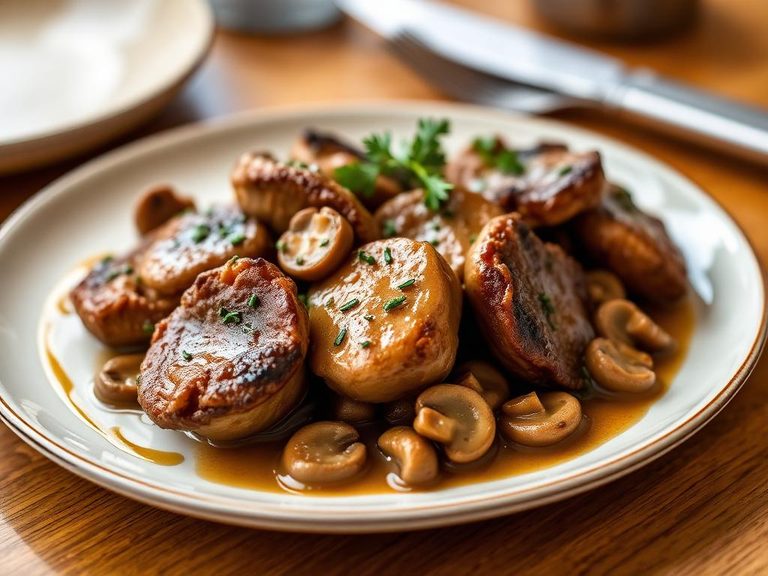
Sweetbread is the thymus or pancreas gland of a calf, prized for its delicate, creamy texture and mild, slightly nutty flavor when raw. Nutritionally, it is a dense source of high-quality protein and fat, with virtually no carbohydrates, making it a staple in classic charcuterie and fine dining. Its raw state is a blank canvas, transforming into a luxurious, melt-in-your-mouth delicacy when properly prepared.
Calorie split: 15% protein · 0% carbs · 85% fat
↓ Full nutrition💚 Why it's loved
Chefs and food lovers adore sweetbread for its unique, luxurious texture—crispy on the outside and impossibly creamy within when cooked. It's celebrated for its versatility, absorbing sauces and seasonings beautifully while offering a refined, savory flavor that anchors classic dishes from French to South American cuisine.
⚠️ Watch-outs & how to enjoy it better
Its high fat and calorie density (303 kcal per 100g) means it should be enjoyed in moderation, especially by those monitoring saturated fat intake. The preparation is labor-intensive, requiring careful soaking and cleaning to remove any residual bitterness. For a healthier balance, pair a small portion with acidic or fibrous sides like a sharp vinaigrette salad or roasted vegetables to cut the richness.
Key benefits
- Excellent source of complete protein for muscle maintenance
- Rich in healthy fats for sustained energy
- Provides essential minerals like iron and zinc
- Naturally low in carbohydrates and sugars
- A traditional, nose-to-tail ingredient reducing food waste
🍽️ Popular dishes

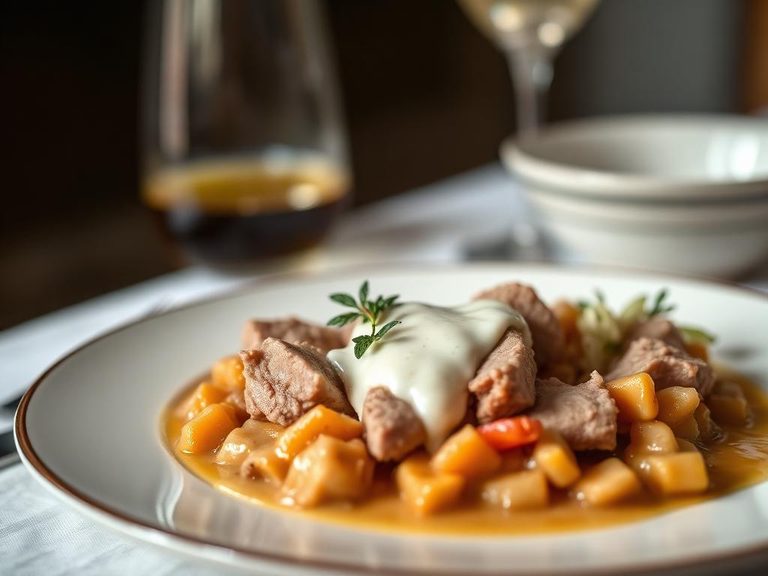
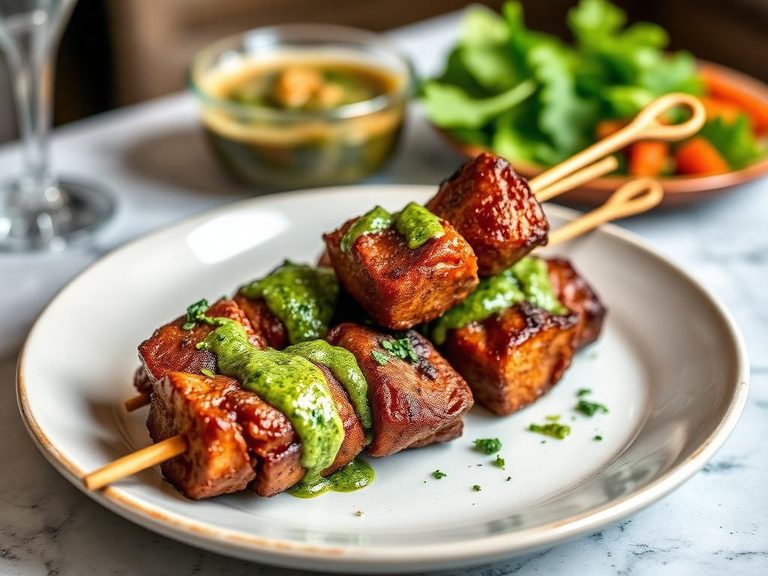
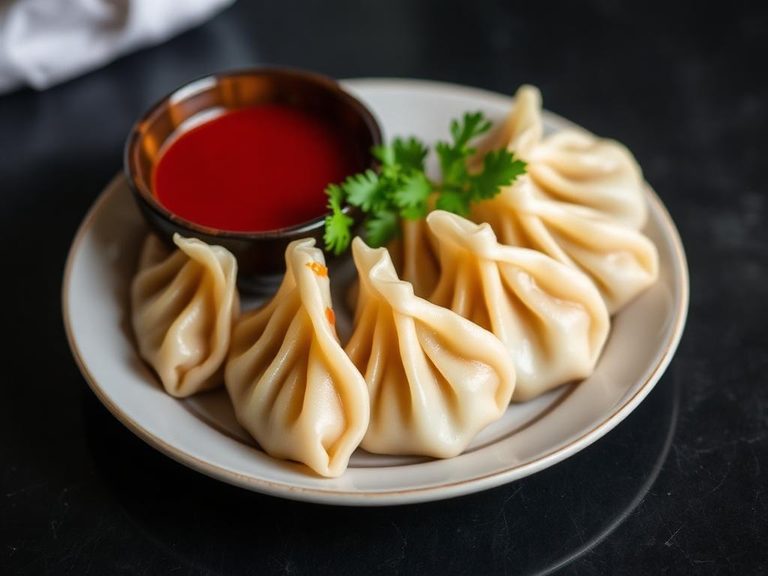
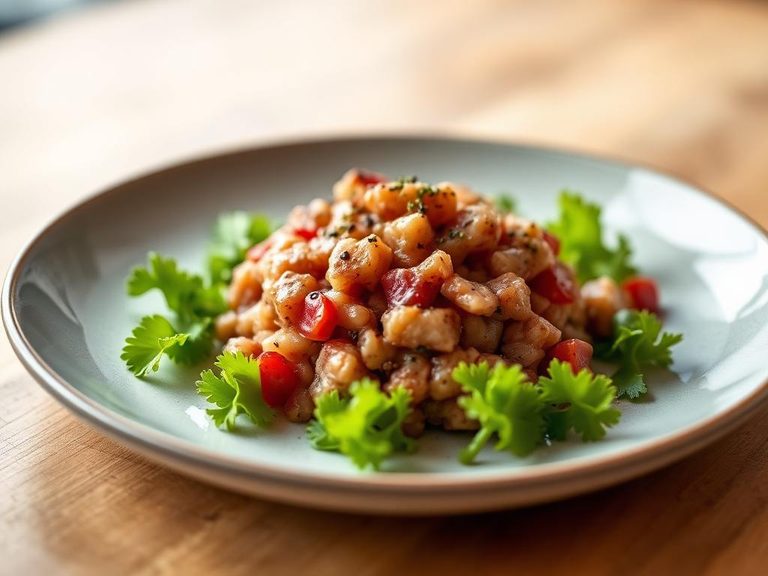
🌍 Where it's eaten
💡 Did you know?
The term 'sweetbread' is believed to derive from the Old English 'swete broð' (sweet broth), not from its taste, as the glands themselves are not particularly sweet.
Full nutrition (USDA data · scales with serving)
| Water | 57.7 g |
| Energy | 303 kcal |
| Energy | 1270 kj |
| Protein | 11.5 g |
| Total lipid (fat) | 28.6 g |
| Ash | 2.4 g |
| Carbohydrate, by difference | 0.00 g |
| Fiber, total dietary | 0.00 g |
| Total Sugars | 0.00 g |
| Calcium, Ca | 4.0 mg |
| Iron, Fe | 1.1 mg |
| Magnesium, Mg | 15.0 mg |
| Phosphorus, P | 331 mg |
| Potassium, K | 318 mg |
| Sodium, Na | 64.0 mg |
| Zinc, Zn | 1.0 mg |
| Copper, Cu | 5.1 mg |
| Manganese, Mn | 0.01 mg |
| Selenium, Se | 9.0 ug |
| Vitamin C, total ascorbic acid | 0.00 mg |
| Thiamin | 0.09 mg |
| Riboflavin | 0.12 mg |
| Niacin | 2.0 mg |
| Pantothenic acid | 0.60 mg |
| Vitamin B-6 | 0.04 mg |
| Vitamin B-12 | 2.1 ug |
| Vitamin B-12, added | 0.00 ug |
| Vitamin A, RAE | 19.0 ug |
| Retinol | 19.0 ug |
| Carotene, beta | 0.00 ug |
| Carotene, alpha | 0.00 ug |
| Cryptoxanthin, beta | 0.00 ug |
| Vitamin A, IU | 65.0 iu |
| Lycopene | 0.00 ug |
| Lutein + zeaxanthin | 0.00 ug |
| Vitamin E (alpha-tocopherol) | 0.69 mg |
| Vitamin E, added | 0.00 mg |
| Vitamin D (D2 + D3), International Units | 25.0 iu |
| Vitamin D (D2 + D3) | 0.60 ug |
| Vitamin D3 (cholecalciferol) | 0.60 ug |
| Alcohol, ethyl | 0.00 g |
| Caffeine | 0.00 mg |
| Theobromine | 0.00 mg |
Fat & fatty acid profile (per 100g)
| Fatty acids, total saturated | 12.3 g |
| SFA 4:0 | 0.00 g |
| SFA 6:0 | 0.00 g |
| SFA 8:0 | 0.00 g |
| SFA 10:0 | 0.01 g |
| SFA 12:0 | 0.05 g |
| SFA 14:0 | 0.74 g |
| SFA 16:0 | 5.9 g |
| SFA 17:0 | 0.40 g |
| SFA 18:0 | 5.1 g |
| SFA 20:0 | 0.04 g |
| SFA 22:0 | 0.00 g |
| SFA 24:0 | 0.00 g |
| Fatty acids, total monounsaturated | 8.1 g |
| MUFA 14:1 | 0.08 g |
| MUFA 15:1 | 0.00 g |
| MUFA 16:1 | 0.53 g |
| MUFA 16:1 c | 0.41 g |
| MUFA 17:1 | 0.00 g |
| MUFA 18:1 | 7.4 g |
| MUFA 18:1 c | 7.0 g |
| MUFA 20:1 | 0.03 g |
| MUFA 22:1 | 0.00 g |
| MUFA 22:1 c | 0.00 g |
| MUFA 24:1 c | 0.00 g |
| Fatty acids, total polyunsaturated | 0.65 g |
| PUFA 18:2 | 0.36 g |
| PUFA 18:2 n-6 c,c | 0.23 g |
| PUFA 18:2 CLAs | 0.13 g |
| PUFA 18:3 | 0.13 g |
| PUFA 18:3 n-3 c,c,c (ALA) | 0.13 g |
| PUFA 18:3 n-6 c,c,c | 0.00 g |
| PUFA 18:4 | 0.00 g |
| PUFA 20:2 n-6 c,c | 0.01 g |
| PUFA 20:3 | 0.02 g |
| PUFA 20:3 n-3 | 0.00 g |
| PUFA 20:3 n-6 | 0.02 g |
| PUFA 20:4 | 0.04 g |
| PUFA 20:4 n-6 | 0.04 g |
| PUFA 20:5 n-3 (EPA) | 0.02 g |
| PUFA 22:5 n-3 (DPA) | 0.05 g |
| PUFA 22:6 n-3 (DHA) | 0.00 g |
| Fatty acids, total trans | 0.59 g |
| Fatty acids, total trans-monoenoic | 0.59 g |
| TFA 16:1 t | 0.12 g |
| TFA 18:1 t | 0.48 g |
| TFA 18:2 t,t | 0.00 g |
| Fatty acids, total trans-polyenoic | 0.00 g |
| Cholesterol | 217 mg |
Amino acid profile (per 100g)
| Tryptophan | 0.12 g |
| Threonine | 0.42 g |
| Isoleucine | 0.48 g |
| Leucine | 0.87 g |
| Lysine | 0.91 g |
| Methionine | 0.38 g |
| Phenylalanine | 0.45 g |
| Tyrosine | 0.39 g |
| Valine | 0.51 g |
| Arginine | 0.76 g |
| Histidine | 0.41 g |
| Alanine | 0.60 g |
| Glutamic acid | 1.6 g |
| Glycine | 0.63 g |
| Proline | 0.37 g |
| Serine | 0.41 g |
FAQ
What part of the animal is sweetbread?
Sweetbread most commonly refers to the thymus gland, found in the neck of young calves. The pancreas gland, located near the stomach, is also used and sometimes called 'stomach sweetbread.'
How do you prepare raw sweetbread before cooking?
It must be soaked in cold water or milk for several hours (or overnight) to draw out impurities and blood. It is then typically blanched, shocked in ice water, and carefully trimmed of any membranes or fat before cooking.
Is sweetbread the same as pancreas?
Often, yes. 'Sweetbread' is a general culinary term that can refer to either the thymus or the pancreas gland. The thymus is considered the more prized cut for its finer texture.
Nutrient density (calculated · NRF9.3)
Nutrient Rich Foods index: beneficial nutrients (protein, fiber, vitamins, minerals) minus saturated fat, added sugar & sodium, per 100 kcal.
NRF9.3 index — Fulgoni, Keast & Drewnowski, 2009. Computed from USDA nutrients.
Weight-loss friendliness (composite index)
Energy density 3.03 kcal/g · 15% calories from protein · 0.0 g fiber · 0.0 g sugar per 100 g.
Composite of energy density (Rolls et al., 1999), protein & fiber satiety, minus sugar. A calculated heuristic — ranks satiety-per-calorie, not a clinical measure.
Dietary load (calculated from USDA values)
Potential renal acid load. Positive = acid-forming, negative = alkaline-forming.
Sodium-to-potassium ratio: 0.20 (lower is better — aim for ≤ 1)
Sodium:potassium per WHO potassium guidance. Computed from USDA nutrients.