

Beef, New Zealand, imported, sweetbread, cooked, boiled
Whole food · Beef Products

Photo: Wikipedia
Sweetbread, specifically the thymus gland of the animal, is a prized offal known for its remarkably creamy, delicate texture and mild, rich flavor. When boiled, it becomes tender and succulent, offering a luxurious mouthfeel that is often described as a cross between a rich scallop and a tender piece of meat. Nutritionally, it is a high-fat, high-protein food with zero carbohydrates, providing a dense source of energy and essential nutrients.
Calorie split: 16% protein · 0% carbs · 84% fat
↓ Full nutrition💚 Why it's loved
People love sweetbread for its unparalleled, melt-in-your-mouth texture and subtle, savory taste that acts as a canvas for rich sauces and seasonings. It is a celebrated delicacy in many cultures, often featured in gourmet dishes and traditional feasts, representing a form of nose-to-tail eating that honors the entire animal.
⚠️ Watch-outs & how to enjoy it better
Due to its high fat content (nearly 30g per 100g), it can be heavy and is not suitable for low-fat diets. Those with specific health conditions like gout or high cholesterol should consume it in moderation. To counteract the richness, pair it with acidic or fresh elements like a sharp vinaigrette, pickled vegetables, or a crisp salad to cut through the fat and balance the meal.
Key benefits
- Excellent source of high-quality protein for muscle maintenance.
- Rich in B vitamins, particularly B12, which supports nerve function and energy production.
- Contains essential minerals like selenium and phosphorus.
- Provides a dense source of energy due to its high fat content.
- Offers a unique culinary texture and flavor profile.
🍽️ Popular dishes
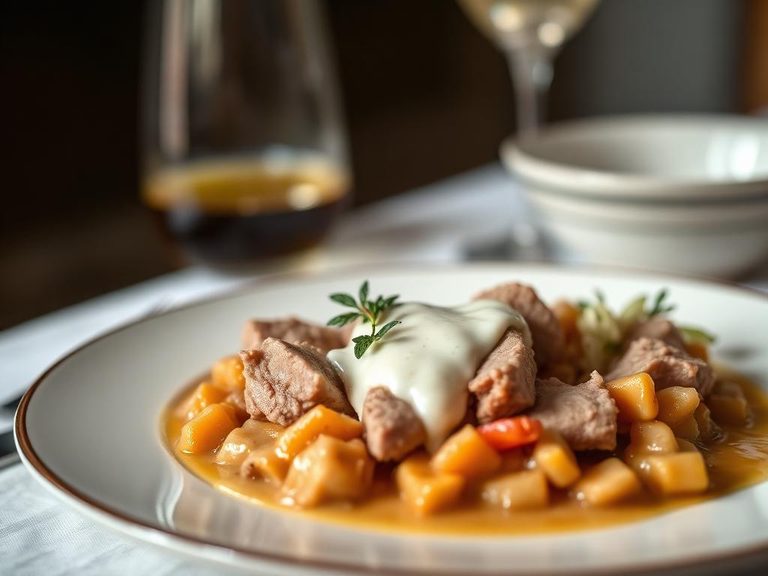
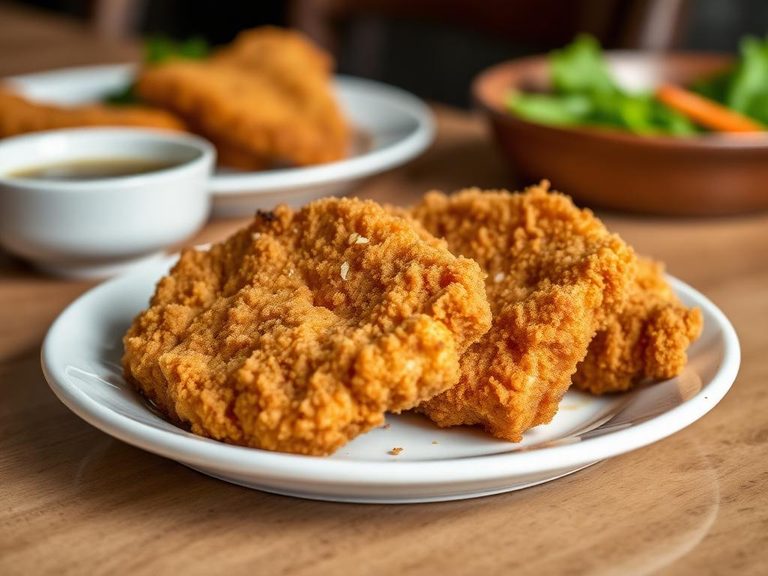
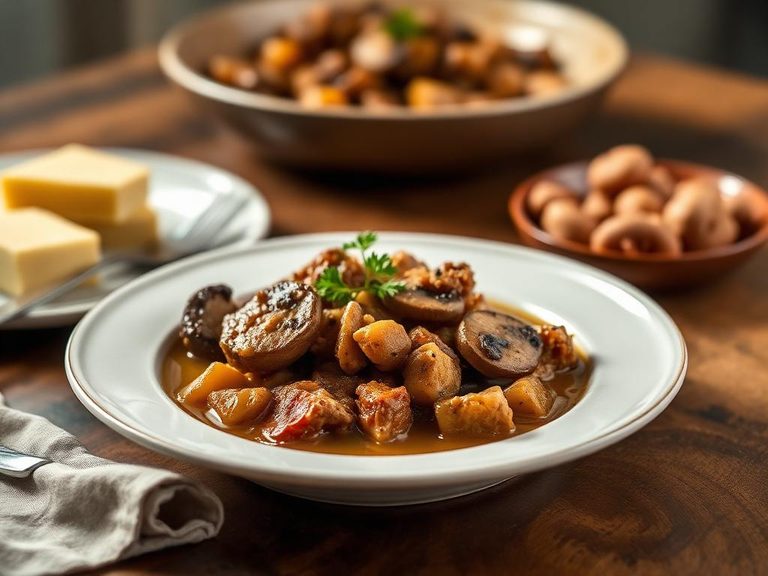
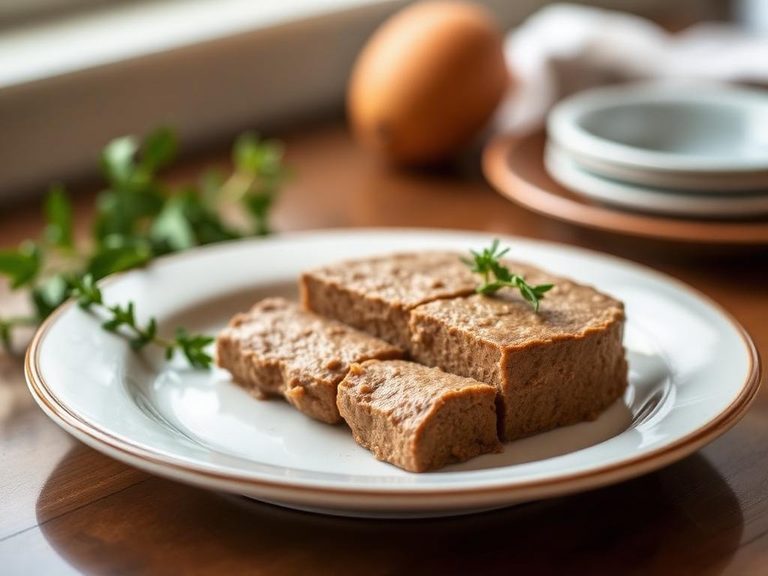

🌍 Where it's eaten
💡 Did you know?
Despite the name, sweetbreads are not sweet and are not bread; the term is believed to derive from the Old English 'swete bræð,' meaning 'sweet breath' or 'sweet meat,' referring to the organ's pleasant taste and aroma when cooked.
Full nutrition (USDA data · scales with serving)
| Water | 56.3 g |
| Energy | 318 kcal |
| Energy | 1332 kj |
| Protein | 12.5 g |
| Total lipid (fat) | 29.8 g |
| Ash | 1.9 g |
| Carbohydrate, by difference | 0.00 g |
| Fiber, total dietary | 0.00 g |
| Total Sugars | 0.00 g |
| Calcium, Ca | 4.0 mg |
| Iron, Fe | 1.1 mg |
| Magnesium, Mg | 16.0 mg |
| Phosphorus, P | 356 mg |
| Potassium, K | 258 mg |
| Sodium, Na | 52.0 mg |
| Zinc, Zn | 1.2 mg |
| Copper, Cu | 5.1 mg |
| Manganese, Mn | 0.01 mg |
| Selenium, Se | 11.0 ug |
| Vitamin C, total ascorbic acid | 0.00 mg |
| Thiamin | 0.08 mg |
| Riboflavin | 0.11 mg |
| Niacin | 1.6 mg |
| Pantothenic acid | 0.50 mg |
| Vitamin B-6 | 0.04 mg |
| Vitamin B-12 | 1.5 ug |
| Vitamin B-12, added | 0.00 ug |
| Vitamin A, RAE | 19.0 ug |
| Retinol | 19.0 ug |
| Carotene, beta | 0.00 ug |
| Carotene, alpha | 0.00 ug |
| Cryptoxanthin, beta | 0.00 ug |
| Vitamin A, IU | 62.0 iu |
| Lycopene | 0.00 ug |
| Lutein + zeaxanthin | 0.00 ug |
| Vitamin E (alpha-tocopherol) | 0.79 mg |
| Vitamin E, added | 0.00 mg |
| Vitamin D (D2 + D3), International Units | 22.0 iu |
| Vitamin D (D2 + D3) | 0.60 ug |
| Vitamin D3 (cholecalciferol) | 0.60 ug |
| Alcohol, ethyl | 0.00 g |
| Caffeine | 0.00 mg |
| Theobromine | 0.00 mg |
Fat & fatty acid profile (per 100g)
| Fatty acids, total saturated | 12.5 g |
| SFA 4:0 | 0.00 g |
| SFA 6:0 | 0.00 g |
| SFA 8:0 | 0.00 g |
| SFA 10:0 | 0.01 g |
| SFA 12:0 | 0.04 g |
| SFA 14:0 | 0.74 g |
| SFA 16:0 | 5.9 g |
| SFA 17:0 | 0.40 g |
| SFA 18:0 | 5.4 g |
| SFA 20:0 | 0.04 g |
| SFA 22:0 | 0.00 g |
| SFA 24:0 | 0.00 g |
| Fatty acids, total monounsaturated | 7.8 g |
| MUFA 14:1 | 0.07 g |
| MUFA 15:1 | 0.00 g |
| MUFA 16:1 | 0.49 g |
| MUFA 16:1 c | 0.38 g |
| MUFA 17:1 | 0.00 g |
| MUFA 18:1 | 7.3 g |
| MUFA 18:1 c | 6.8 g |
| MUFA 20:1 | 0.03 g |
| MUFA 22:1 | 0.00 g |
| MUFA 22:1 c | 0.00 g |
| MUFA 24:1 c | 0.00 g |
| Fatty acids, total polyunsaturated | 0.63 g |
| PUFA 18:2 | 0.32 g |
| PUFA 18:2 n-6 c,c | 0.23 g |
| PUFA 18:2 CLAs | 0.10 g |
| PUFA 18:3 | 0.14 g |
| PUFA 18:3 n-3 c,c,c (ALA) | 0.14 g |
| PUFA 18:3 n-6 c,c,c | 0.00 g |
| PUFA 18:4 | 0.00 g |
| PUFA 20:2 n-6 c,c | 0.01 g |
| PUFA 20:3 | 0.02 g |
| PUFA 20:3 n-3 | 0.01 g |
| PUFA 20:3 n-6 | 0.01 g |
| PUFA 20:4 | 0.05 g |
| PUFA 20:4 n-6 | 0.05 g |
| PUFA 20:5 n-3 (EPA) | 0.02 g |
| PUFA 22:5 n-3 (DPA) | 0.05 g |
| PUFA 22:6 n-3 (DHA) | 0.00 g |
| Fatty acids, total trans | 0.59 g |
| Fatty acids, total trans-monoenoic | 0.59 g |
| TFA 16:1 t | 0.11 g |
| TFA 18:1 t | 0.47 g |
| TFA 18:2 t,t | 0.00 g |
| Fatty acids, total trans-polyenoic | 0.00 g |
| Cholesterol | 249 mg |
Amino acid profile (per 100g)
| Tryptophan | 0.13 g |
| Threonine | 0.45 g |
| Isoleucine | 0.52 g |
| Leucine | 0.94 g |
| Lysine | 0.99 g |
| Methionine | 0.41 g |
| Phenylalanine | 0.49 g |
| Tyrosine | 0.42 g |
| Valine | 0.55 g |
| Arginine | 0.82 g |
| Histidine | 0.45 g |
| Alanine | 0.65 g |
| Glutamic acid | 1.7 g |
| Glycine | 0.68 g |
| Proline | 0.40 g |
| Serine | 0.44 g |
FAQ
What part of the animal is sweetbread?
Sweetbread typically refers to the thymus gland, though it can also refer to the pancreas. The thymus is located in the neck area of young animals, usually calves or lambs.
How should I prepare sweetbread before cooking?
Sweetbread should be soaked in cold water for several hours or overnight to remove any blood and impurities. It is often blanched in boiling water for a few minutes before being shocked in ice water to firm it up and make it easier to handle.
Is sweetbread high in cholesterol?
Yes, sweetbread is relatively high in cholesterol due to its fat content. A 100g serving can contain a significant portion of the daily recommended intake, so it's best enjoyed in moderation as part of a balanced diet.
Nutrient density (calculated · NRF9.3)
Nutrient Rich Foods index: beneficial nutrients (protein, fiber, vitamins, minerals) minus saturated fat, added sugar & sodium, per 100 kcal.
NRF9.3 index — Fulgoni, Keast & Drewnowski, 2009. Computed from USDA nutrients.
Weight-loss friendliness (composite index)
Energy density 3.18 kcal/g · 16% calories from protein · 0.0 g fiber · 0.0 g sugar per 100 g.
Composite of energy density (Rolls et al., 1999), protein & fiber satiety, minus sugar. A calculated heuristic — ranks satiety-per-calorie, not a clinical measure.
Dietary load (calculated from USDA values)
Potential renal acid load. Positive = acid-forming, negative = alkaline-forming.
Sodium-to-potassium ratio: 0.20 (lower is better — aim for ≤ 1)
Sodium:potassium per WHO potassium guidance. Computed from USDA nutrients.