

Beef, ground, 90% lean meat / 10% fat, patty, cooked, pan-broiled
Whole food · Beef Products
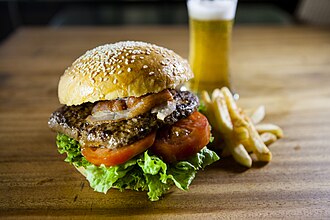
Photo: Wikipedia
This is a lean, pan-broiled ground beef patty, a staple of quick, savory meals. It has a firm, slightly crumbly texture with a rich, meaty flavor and minimal grease due to its low fat content. Nutritionally, it's a powerhouse of complete protein with virtually no carbohydrates.
Calorie split: 51% protein · 0% carbs · 49% fat
↓ Full nutrition💚 Why it's loved
People love it for its straightforward, savory beef flavor and its incredible versatility as a blank canvas for seasonings, from simple salt and pepper to global spice blends. It's the foundation of countless comfort foods, from classic burgers to meatloaf, making it a cultural icon of convenience and hearty eating.
⚠️ Watch-outs & how to enjoy it better
The primary caution is its high content of saturated fat and cholesterol, which may be a concern for individuals managing heart health. To counteract this, practice strict portion control (a patty should be palm-sized) and pair it with fiber-rich vegetables like broccoli or a large salad to balance the meal. Additionally, opt for cooking methods that allow fat to drain, like the pan-broiling specified here, rather than frying in the retained fat.
Key benefits
- Excellent source of high-quality, complete protein for muscle maintenance.
- Naturally zero-carb, fitting ketogenic and low-carb dietary patterns.
- Provides essential minerals like iron (heme form, highly absorbable) and zinc.
- Pan-broiling allows excess fat to drain away, keeping it lean.
🍽️ Popular dishes
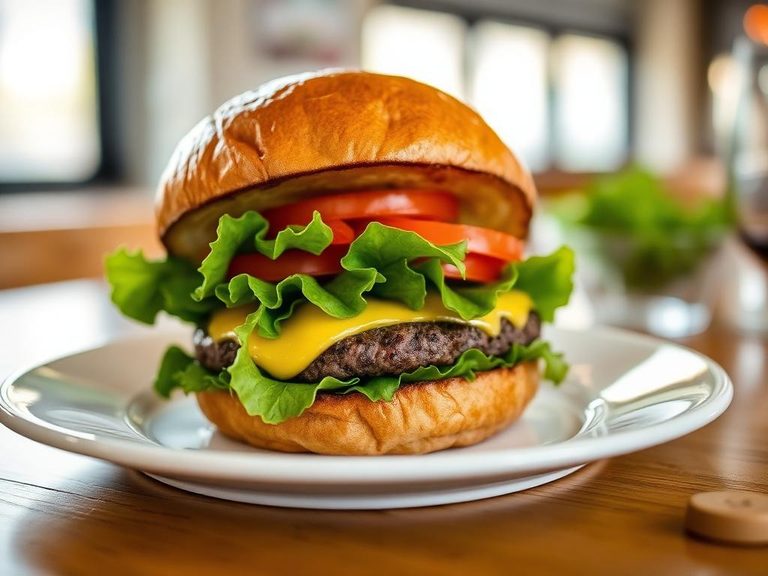
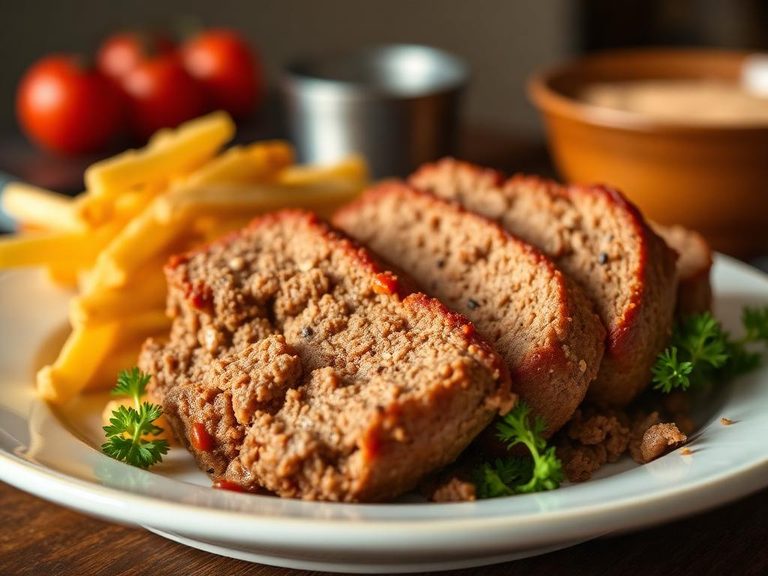
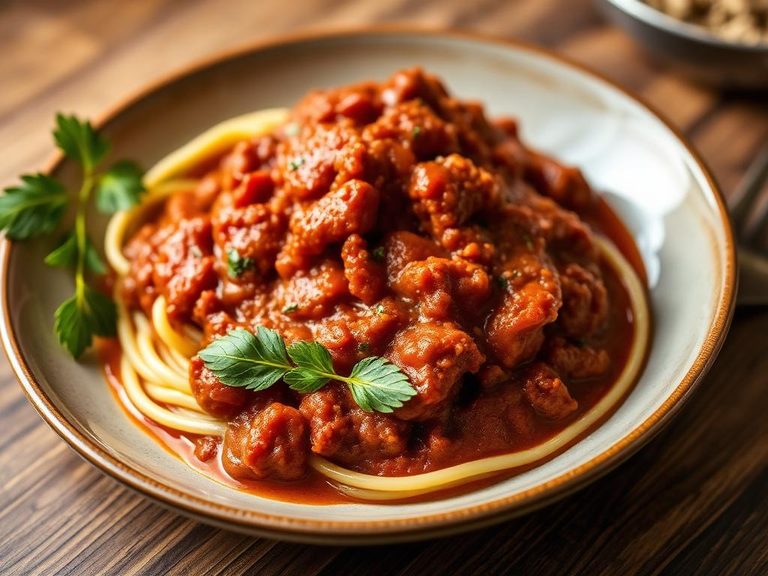
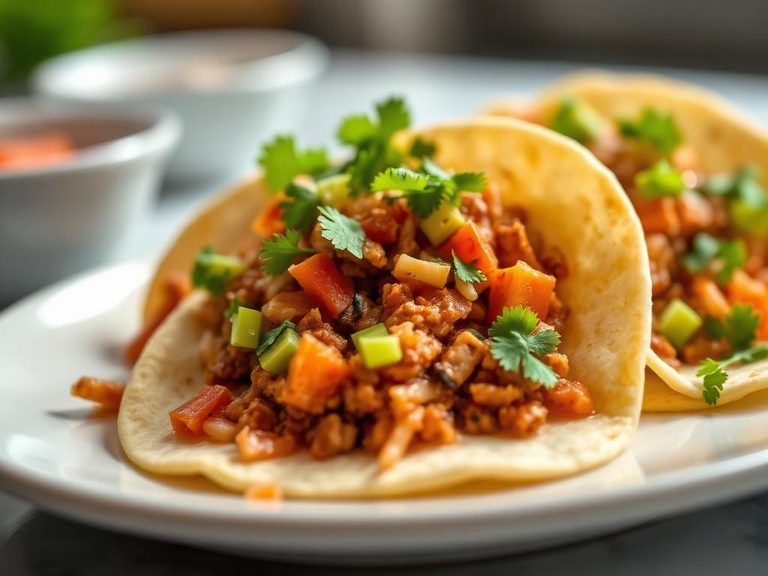
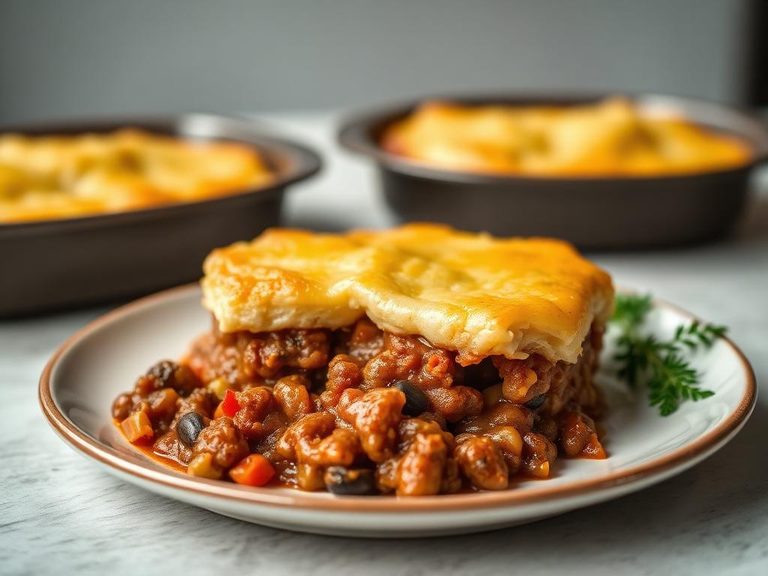
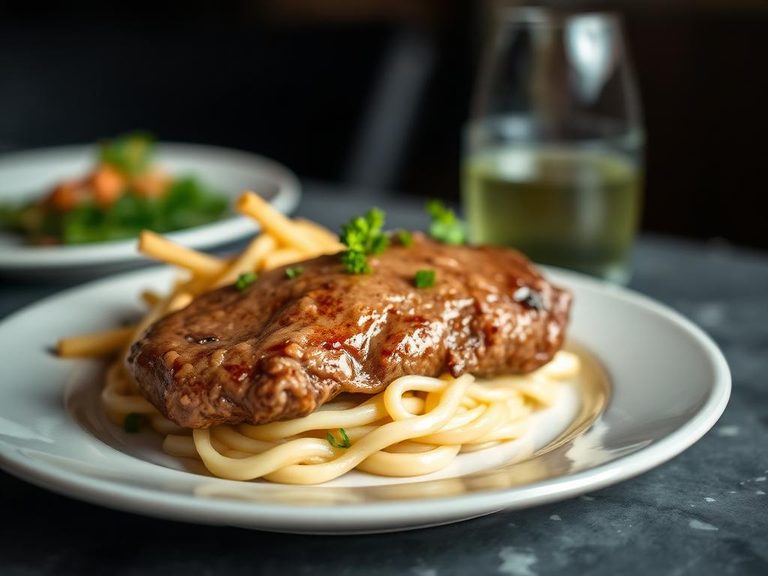
🌍 Where it's eaten
💡 Did you know?
The term 'hamburger' likely derives from Hamburg, Germany, where a similar style of minced beef steak was a popular dish among sailors in the 19th century before it migrated to the United States.
Full nutrition (USDA data · scales with serving)
| Water | 63.2 g |
| Energy | 204 kcal |
| Energy | 854 kj |
| Protein | 25.2 g |
| Total lipid (fat) | 10.7 g |
| Ash | 1.1 g |
| Carbohydrate, by difference | 0.00 g |
| Fiber, total dietary | 0.00 g |
| Total Sugars | 0.00 g |
| Calcium, Ca | 15.0 mg |
| Iron, Fe | 2.8 mg |
| Magnesium, Mg | 23.0 mg |
| Phosphorus, P | 216 mg |
| Potassium, K | 363 mg |
| Sodium, Na | 75.0 mg |
| Zinc, Zn | 6.3 mg |
| Copper, Cu | 0.09 mg |
| Manganese, Mn | 0.01 mg |
| Selenium, Se | 20.7 ug |
| Vitamin C, total ascorbic acid | 0.00 mg |
| Thiamin | 0.04 mg |
| Riboflavin | 0.18 mg |
| Niacin | 6.0 mg |
| Pantothenic acid | 0.64 mg |
| Vitamin B-6 | 0.38 mg |
| Folate, total | 8.0 ug |
| Folic acid | 0.00 ug |
| Folate, food | 8.0 ug |
| Folate, DFE | 8.0 ug |
| Choline, total | 81.0 mg |
| Betaine | 7.7 mg |
| Vitamin B-12 | 2.8 ug |
| Vitamin B-12, added | 0.00 ug |
| Vitamin A, RAE | 3.0 ug |
| Retinol | 3.0 ug |
| Carotene, beta | 0.00 ug |
| Carotene, alpha | 0.00 ug |
| Cryptoxanthin, beta | 0.00 ug |
| Vitamin A, IU | 10.0 iu |
| Lycopene | 0.00 ug |
| Lutein + zeaxanthin | 0.00 ug |
| Vitamin E (alpha-tocopherol) | 0.13 mg |
| Vitamin E, added | 0.00 mg |
| Vitamin D (D2 + D3), International Units | 2.0 iu |
| Vitamin D (D2 + D3) | 0.00 ug |
| Vitamin D3 (cholecalciferol) | 0.00 ug |
| Vitamin K (phylloquinone) | 1.1 ug |
| Vitamin K (Dihydrophylloquinone) | 0.00 ug |
| Alcohol, ethyl | 0.00 g |
| Caffeine | 0.00 mg |
| Theobromine | 0.00 mg |
Fat & fatty acid profile (per 100g)
| Fatty acids, total saturated | 4.2 g |
| SFA 4:0 | 0.00 g |
| SFA 6:0 | 0.00 g |
| SFA 8:0 | 0.00 g |
| SFA 10:0 | 0.00 g |
| SFA 12:0 | 0.01 g |
| SFA 14:0 | 0.28 g |
| SFA 15:0 | 0.05 g |
| SFA 16:0 | 2.2 g |
| SFA 17:0 | 0.11 g |
| SFA 18:0 | 1.3 g |
| SFA 20:0 | 0.01 g |
| Fatty acids, total monounsaturated | 4.5 g |
| MUFA 14:1 | 0.07 g |
| MUFA 16:1 | 0.35 g |
| MUFA 17:1 | 0.09 g |
| MUFA 18:1 | 3.8 g |
| MUFA 20:1 | 0.03 g |
| MUFA 22:1 | 0.00 g |
| Fatty acids, total polyunsaturated | 0.38 g |
| PUFA 18:2 | 0.27 g |
| PUFA 18:3 | 0.01 g |
| PUFA 18:3 n-6 c,c,c | 0.01 g |
| PUFA 18:4 | 0.00 g |
| PUFA 20:4 | 0.04 g |
| PUFA 20:5 n-3 (EPA) | 0.00 g |
| PUFA 22:5 n-3 (DPA) | 0.00 g |
| PUFA 22:6 n-3 (DHA) | 0.00 g |
| Fatty acids, total trans | 0.40 g |
| Fatty acids, total trans-monoenoic | 0.40 g |
| TFA 18:1 t | 0.40 g |
| Cholesterol | 84.0 mg |
Amino acid profile (per 100g)
| Tryptophan | 0.13 g |
| Threonine | 0.98 g |
| Isoleucine | 1.1 g |
| Leucine | 2.0 g |
| Lysine | 2.1 g |
| Methionine | 0.65 g |
| Cystine | 0.26 g |
| Phenylalanine | 0.98 g |
| Tyrosine | 0.78 g |
| Valine | 1.2 g |
| Arginine | 1.6 g |
| Histidine | 0.82 g |
| Alanine | 1.6 g |
| Aspartic acid | 2.3 g |
| Glutamic acid | 3.8 g |
| Glycine | 1.7 g |
| Proline | 1.3 g |
| Serine | 1.0 g |
FAQ
Is this the same as a hamburger?
It is the core ingredient of a hamburger patty. A 'hamburger' typically refers to the assembled sandwich with a bun and toppings, while this is the cooked beef component itself.
Why is it called '90% lean'?
This refers to the raw weight ratio before cooking. It means the ground meat is composed of 90% lean muscle tissue and 10% fat. Cooking, especially pan-broiling, renders out much of that remaining fat.
Can I use this for dishes that call for higher fat ground beef?
You can, but the result will be drier and less juicy. For dishes like meatballs or meatloaf, you might consider adding a small amount of moisture, like a tablespoon of tomato paste or broth per pound, to compensate.
Nutrient density (calculated · NRF9.3)
Nutrient Rich Foods index: beneficial nutrients (protein, fiber, vitamins, minerals) minus saturated fat, added sugar & sodium, per 100 kcal.
NRF9.3 index — Fulgoni, Keast & Drewnowski, 2009. Computed from USDA nutrients.
Weight-loss friendliness (composite index)
Energy density 2.04 kcal/g · 49% calories from protein · 0.0 g fiber · 0.0 g sugar per 100 g.
Composite of energy density (Rolls et al., 1999), protein & fiber satiety, minus sugar. A calculated heuristic — ranks satiety-per-calorie, not a clinical measure.
Dietary load (calculated from USDA values)
Potential renal acid load. Positive = acid-forming, negative = alkaline-forming.
Sodium-to-potassium ratio: 0.21 (lower is better — aim for ≤ 1)
Sodium:potassium per WHO potassium guidance. Computed from USDA nutrients.