

Beef, ground, 70% lean meat / 30% fat, patty, cooked, broiled
Whole food · Beef Products
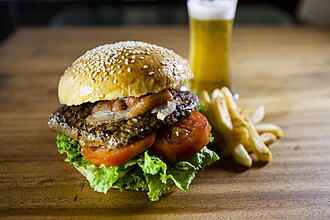
Photo: Wikipedia
This is a classic, juicy beef patty cooked by broiling, delivering a deeply savory, meaty flavor with a satisfyingly firm yet tender texture. It's a protein powerhouse with zero carbs, making it a staple for low-carb and ketogenic diets. The 30% fat content ensures a rich mouthfeel and helps lock in moisture during cooking.
Calorie split: 38% protein · 0% carbs · 62% fat
↓ Full nutrition💚 Why it's loved
People adore it for its fundamental, satisfying beefy flavor that forms the backbone of countless comfort foods. Its versatility is unmatched—it can be the star of a simple weeknight meal or dressed up for a gourmet burger.
⚠️ Watch-outs & how to enjoy it better
The high saturated fat content means it should be enjoyed in moderation, especially by those monitoring cholesterol or heart health. To balance, pair it with fiber-rich vegetables like broccoli or a side salad to aid digestion and add nutrients.
Key benefits
- Excellent source of complete protein for muscle maintenance.
- Zero carbohydrates, ideal for keto and low-carb diets.
- Provides essential minerals like iron, zinc, and B12.
- Fat content enhances satiety and nutrient absorption.
🍽️ Popular dishes
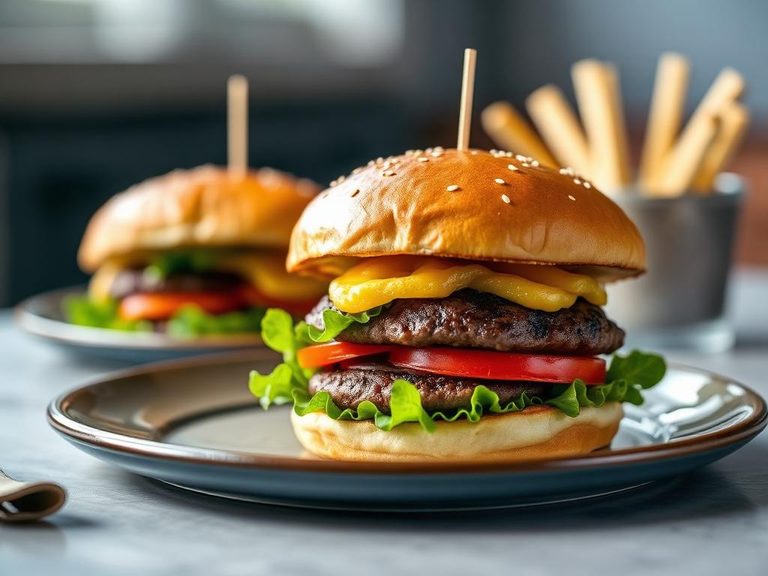
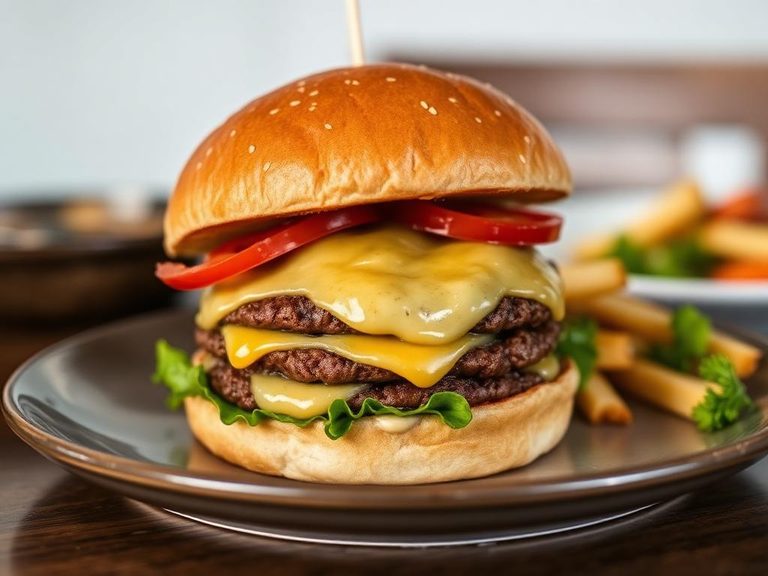
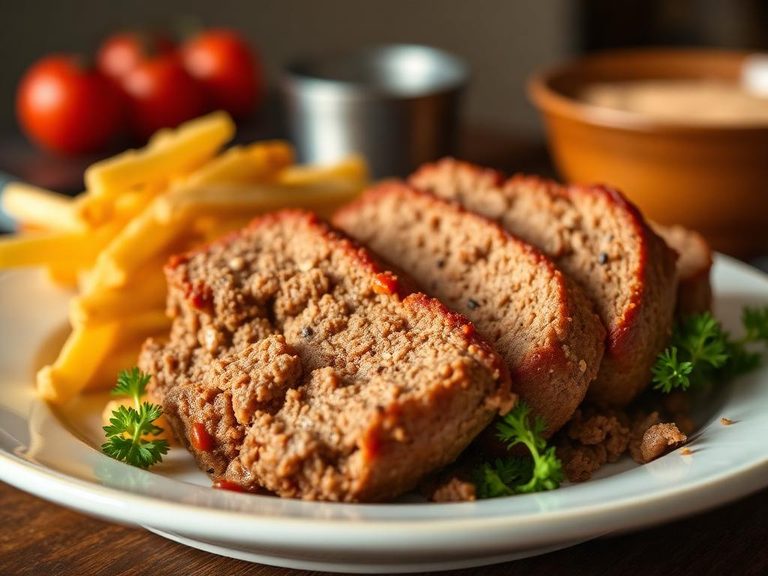
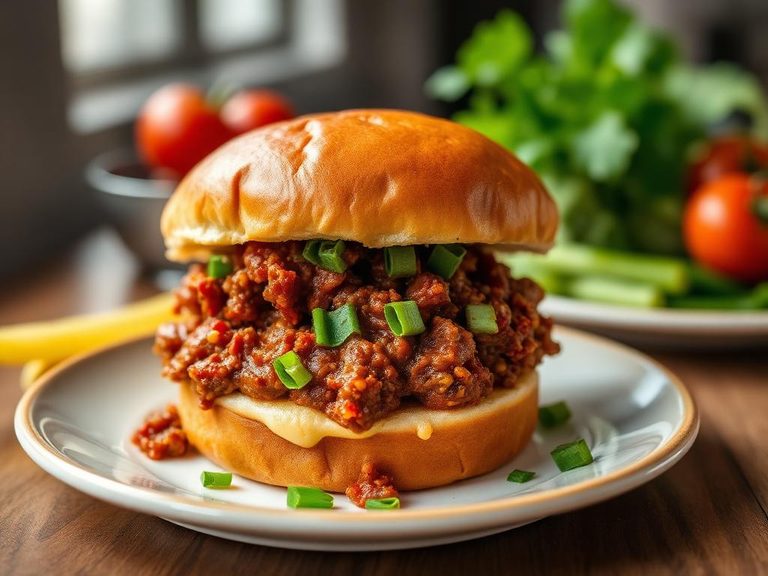
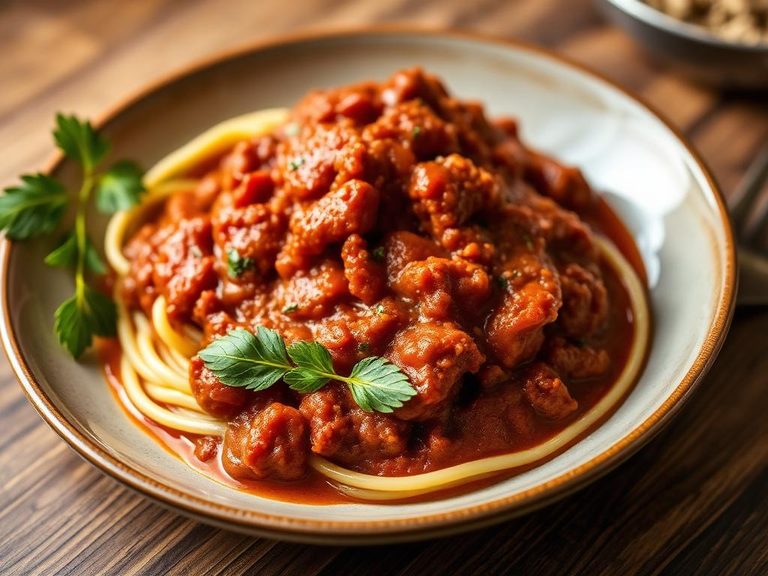
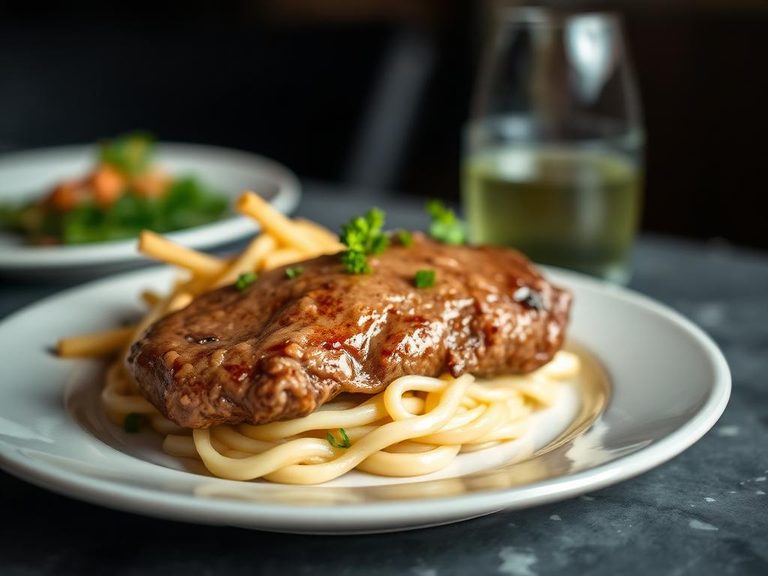
🌍 Where it's eaten
💡 Did you know?
The term 'hamburger' is widely believed to derive from Hamburg, Germany, where a similar style of minced beef steak was popular in the 19th century before immigrants brought the concept to the United States.
Full nutrition (USDA data · scales with serving)
| Water | 55.9 g |
| Energy | 277 kcal |
| Energy | 1158 kj |
| Protein | 25.4 g |
| Total lipid (fat) | 18.7 g |
| Ash | 0.97 g |
| Carbohydrate, by difference | 0.00 g |
| Fiber, total dietary | 0.00 g |
| Total Sugars | 0.00 g |
| Calcium, Ca | 35.0 mg |
| Iron, Fe | 2.3 mg |
| Magnesium, Mg | 19.0 mg |
| Phosphorus, P | 185 mg |
| Potassium, K | 275 mg |
| Sodium, Na | 81.0 mg |
| Zinc, Zn | 6.1 mg |
| Copper, Cu | 0.07 mg |
| Manganese, Mn | 0.01 mg |
| Selenium, Se | 21.5 ug |
| Vitamin C, total ascorbic acid | 0.00 mg |
| Thiamin | 0.05 mg |
| Riboflavin | 0.18 mg |
| Niacin | 4.5 mg |
| Pantothenic acid | 0.66 mg |
| Vitamin B-6 | 0.34 mg |
| Folate, total | 11.0 ug |
| Folic acid | 0.00 ug |
| Folate, food | 11.0 ug |
| Folate, DFE | 11.0 ug |
| Choline, total | 77.8 mg |
| Betaine | 10.1 mg |
| Vitamin B-12 | 2.9 ug |
| Vitamin B-12, added | 0.00 ug |
| Vitamin A, RAE | 3.0 ug |
| Retinol | 3.0 ug |
| Carotene, beta | 0.00 ug |
| Carotene, alpha | 0.00 ug |
| Cryptoxanthin, beta | 0.00 ug |
| Vitamin A, IU | 9.0 iu |
| Lycopene | 0.00 ug |
| Lutein + zeaxanthin | 0.00 ug |
| Vitamin E (alpha-tocopherol) | 0.12 mg |
| Vitamin E, added | 0.00 mg |
| Vitamin D (D2 + D3), International Units | 2.0 iu |
| Vitamin D (D2 + D3) | 0.00 ug |
| Vitamin D3 (cholecalciferol) | 0.00 ug |
| Vitamin K (phylloquinone) | 3.0 ug |
| Alcohol, ethyl | 0.00 g |
| Caffeine | 0.00 mg |
| Theobromine | 0.00 mg |
Fat & fatty acid profile (per 100g)
| Fatty acids, total saturated | 7.3 g |
| SFA 4:0 | 0.00 g |
| SFA 6:0 | 0.00 g |
| SFA 8:0 | 0.00 g |
| SFA 10:0 | 0.00 g |
| SFA 12:0 | 0.01 g |
| SFA 14:0 | 0.57 g |
| SFA 15:0 | 0.09 g |
| SFA 16:0 | 4.1 g |
| SFA 17:0 | 0.22 g |
| SFA 18:0 | 2.0 g |
| SFA 20:0 | 0.01 g |
| Fatty acids, total monounsaturated | 8.9 g |
| MUFA 14:1 | 0.16 g |
| MUFA 16:1 | 0.71 g |
| MUFA 17:1 | 0.18 g |
| MUFA 18:1 | 7.5 g |
| MUFA 20:1 | 0.07 g |
| MUFA 22:1 | 0.00 g |
| Fatty acids, total polyunsaturated | 0.49 g |
| PUFA 18:2 | 0.39 g |
| PUFA 18:3 | 0.06 g |
| PUFA 18:3 n-3 c,c,c (ALA) | 0.04 g |
| PUFA 18:3 n-6 c,c,c | 0.01 g |
| PUFA 18:4 | 0.00 g |
| PUFA 20:4 | 0.05 g |
| PUFA 20:5 n-3 (EPA) | 0.00 g |
| PUFA 22:5 n-3 (DPA) | 0.00 g |
| PUFA 22:6 n-3 (DHA) | 0.00 g |
| Fatty acids, total trans | 1.2 g |
| Fatty acids, total trans-monoenoic | 1.2 g |
| TFA 18:1 t | 1.2 g |
| Cholesterol | 88.0 mg |
Amino acid profile (per 100g)
| Tryptophan | 0.13 g |
| Threonine | 0.98 g |
| Isoleucine | 1.1 g |
| Leucine | 2.0 g |
| Lysine | 2.1 g |
| Methionine | 0.65 g |
| Cystine | 0.26 g |
| Phenylalanine | 0.99 g |
| Tyrosine | 0.78 g |
| Valine | 1.2 g |
| Arginine | 1.7 g |
| Histidine | 0.82 g |
| Alanine | 1.6 g |
| Aspartic acid | 2.3 g |
| Glutamic acid | 3.8 g |
| Glycine | 1.7 g |
| Proline | 1.3 g |
| Serine | 1.0 g |
FAQ
Why is broiling a good cooking method for this patty?
Broiling uses high, direct overhead heat, which quickly sears the exterior to create a flavorful crust while keeping the interior juicy. It also allows excess fat to drip away, unlike pan-frying.
How does the 30% fat content affect cooking?
The higher fat content provides excellent flavor and moisture, reducing the risk of a dry patty. However, it will render more fat during cooking, so ensure your broiler pan is designed to catch drippings.
Can I use this for meatballs or meatloaf?
Absolutely. This lean-to-fat ratio is ideal for meatballs and meatloaf, as the fat keeps the mixture tender and flavorful throughout baking or simmering.
Nutrient density (calculated · NRF9.3)
Nutrient Rich Foods index: beneficial nutrients (protein, fiber, vitamins, minerals) minus saturated fat, added sugar & sodium, per 100 kcal.
NRF9.3 index — Fulgoni, Keast & Drewnowski, 2009. Computed from USDA nutrients.
Weight-loss friendliness (composite index)
Energy density 2.77 kcal/g · 37% calories from protein · 0.0 g fiber · 0.0 g sugar per 100 g.
Composite of energy density (Rolls et al., 1999), protein & fiber satiety, minus sugar. A calculated heuristic — ranks satiety-per-calorie, not a clinical measure.
Dietary load (calculated from USDA values)
Potential renal acid load. Positive = acid-forming, negative = alkaline-forming.
Sodium-to-potassium ratio: 0.29 (lower is better — aim for ≤ 1)
Sodium:potassium per WHO potassium guidance. Computed from USDA nutrients.