

Tomato products, canned, puree, without salt added
Whole food · Vegetables and Vegetable Products

Photo: Wikipedia
This is a concentrated, smooth tomato paste made from ripe tomatoes that have been cooked down and strained, with no added salt. It has a deep, vibrant red color, a thick, spreadable texture, and an intensely savory, umami-rich flavor with a hint of natural sweetness. Nutritionally, it's a low-calorie, high-fiber ingredient packed with lycopene.
Calorie split: 15% protein · 81% carbs · 4% fat
↓ Full nutrition💚 Why it's loved
People love it for its incredible versatility and the deep, savory base it provides to countless dishes. It's the secret weapon for enriching the color and flavor of sauces, stews, and soups, embodying the essence of sun-ripened tomatoes in a convenient form.
⚠️ Watch-outs & how to enjoy it better
Its concentrated nature means the natural sugars are also concentrated, which could cause a quicker blood-sugar rise if consumed in large amounts alone. Those monitoring their intake should pair it with protein or healthy fats (like in a meat sauce) and use it as a component of a dish, not a main course. Its high acidity may also be a concern for some with acid reflux.
Key benefits
- Excellent source of the antioxidant lycopene, linked to heart health.
- Provides dietary fiber for digestive health.
- Very low in fat and calories, making it a lean flavor booster.
- Adds umami depth without added salt or fat.
- Concentrated source of vitamins A and C.
🍽️ Popular dishes
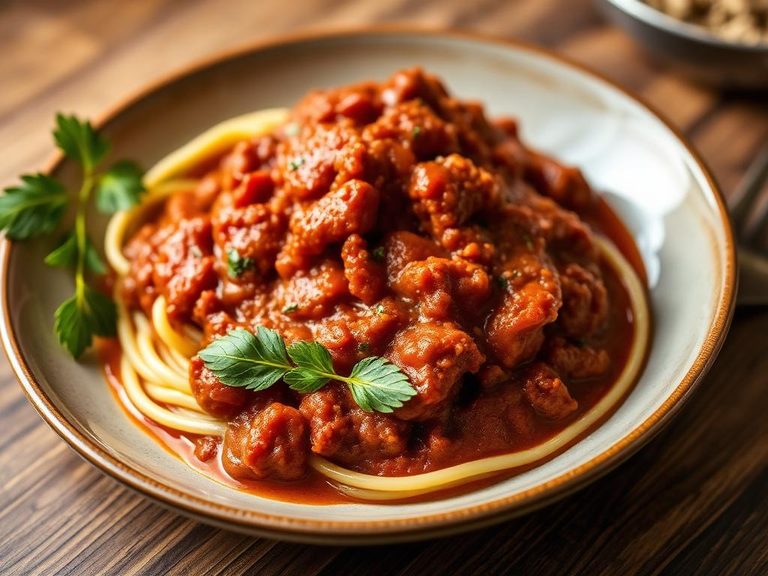
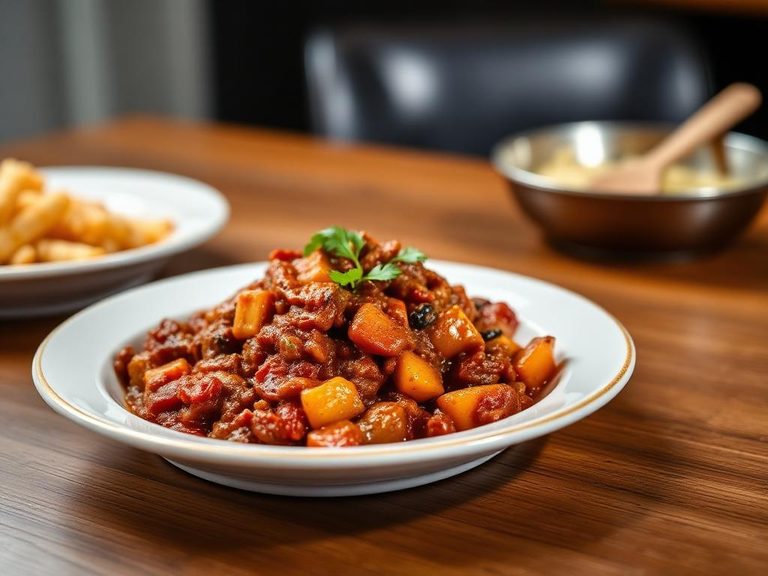
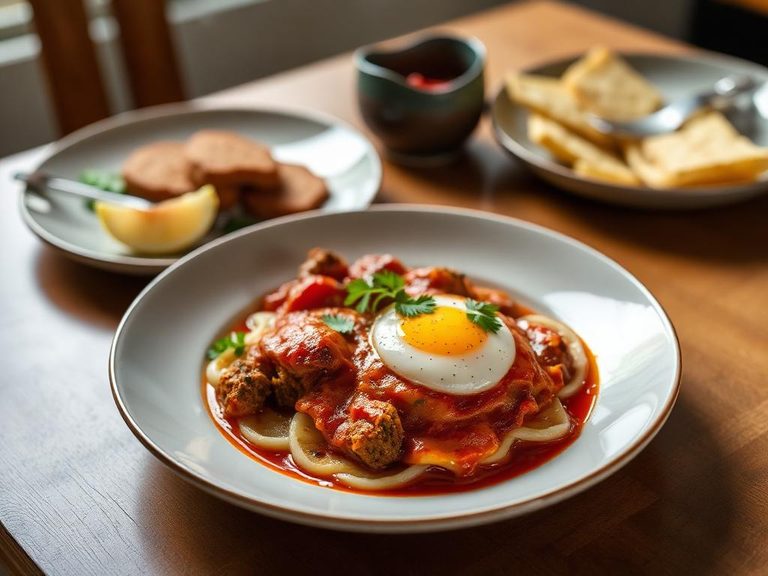
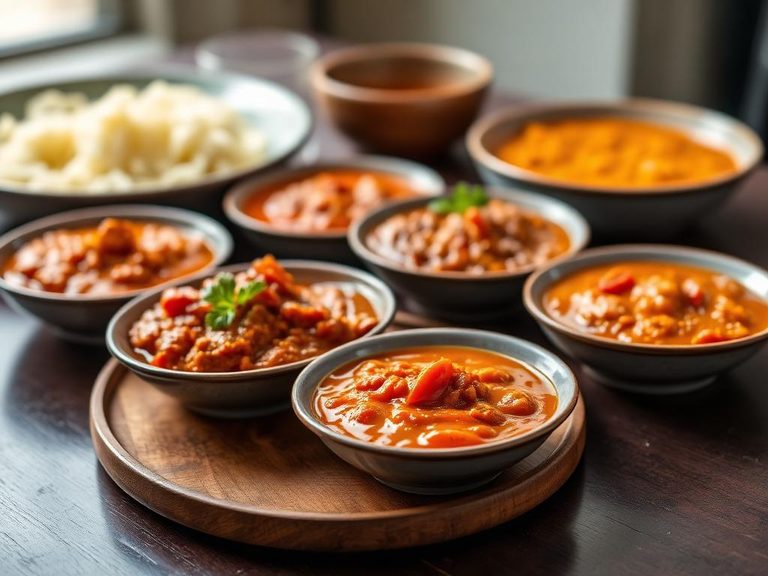

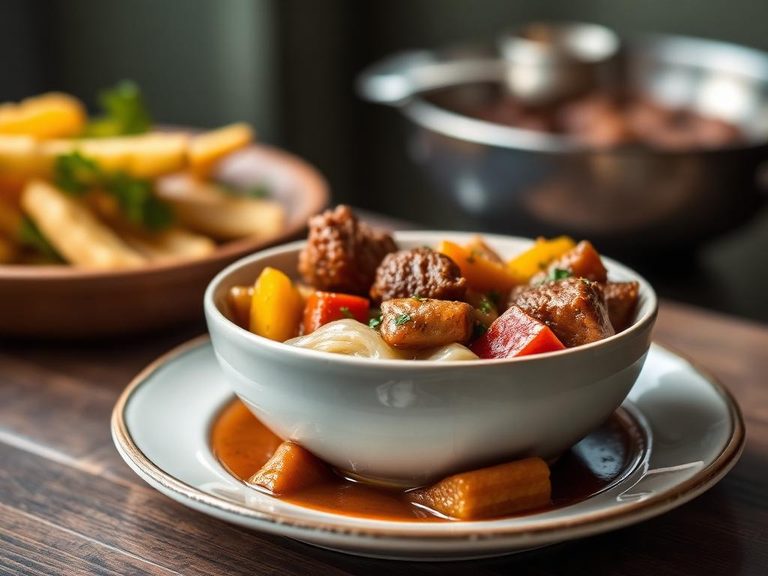
🌍 Where it's eaten
💡 Did you know?
Cooking tomatoes, as in making this puree, significantly increases the bioavailability of the antioxidant lycopene, making it easier for your body to absorb compared to raw tomatoes.
Full nutrition (USDA data · scales with serving)
| Water | 87.9 g |
| Energy | 38.0 kcal |
| Energy | 158 kj |
| Protein | 1.6 g |
| Total lipid (fat) | 0.21 g |
| Ash | 1.3 g |
| Carbohydrate, by difference | 9.0 g |
| Fiber, total dietary | 1.9 g |
| Total Sugars | 4.8 g |
| Sucrose | 0.00 g |
| Glucose | 2.5 g |
| Fructose | 2.4 g |
| Lactose | 0.00 g |
| Maltose | 0.00 g |
| Galactose | 0.00 g |
| Calcium, Ca | 18.0 mg |
| Iron, Fe | 1.8 mg |
| Magnesium, Mg | 23.0 mg |
| Phosphorus, P | 40.0 mg |
| Potassium, K | 439 mg |
| Sodium, Na | 28.0 mg |
| Zinc, Zn | 0.36 mg |
| Copper, Cu | 0.29 mg |
| Manganese, Mn | 0.17 mg |
| Selenium, Se | 0.70 ug |
| Vitamin C, total ascorbic acid | 10.6 mg |
| Thiamin | 0.03 mg |
| Riboflavin | 0.08 mg |
| Niacin | 1.5 mg |
| Pantothenic acid | 0.44 mg |
| Vitamin B-6 | 0.13 mg |
| Folate, total | 11.0 ug |
| Folic acid | 0.00 ug |
| Folate, food | 11.0 ug |
| Folate, DFE | 11.0 ug |
| Choline, total | 17.6 mg |
| Betaine | 0.20 mg |
| Vitamin B-12 | 0.00 ug |
| Vitamin B-12, added | 0.00 ug |
| Vitamin A, RAE | 26.0 ug |
| Retinol | 0.00 ug |
| Carotene, beta | 306 ug |
| Carotene, alpha | 0.00 ug |
| Cryptoxanthin, beta | 0.00 ug |
| Vitamin A, IU | 510 iu |
| Lycopene | 21754 ug |
| Lutein + zeaxanthin | 0.00 ug |
| Vitamin E (alpha-tocopherol) | 2.0 mg |
| Vitamin E, added | 0.00 mg |
| Tocopherol, beta | 0.00 mg |
| Tocopherol, gamma | 0.24 mg |
| Tocopherol, delta | 0.00 mg |
| Vitamin D (D2 + D3), International Units | 0.00 iu |
| Vitamin D (D2 + D3) | 0.00 ug |
| Vitamin K (phylloquinone) | 3.4 ug |
| Vitamin K (Dihydrophylloquinone) | 0.00 ug |
| Alcohol, ethyl | 0.00 g |
| Caffeine | 0.00 mg |
| Theobromine | 0.00 mg |
Fat & fatty acid profile (per 100g)
| Fatty acids, total saturated | 0.03 g |
| SFA 4:0 | 0.00 g |
| SFA 6:0 | 0.00 g |
| SFA 8:0 | 0.00 g |
| SFA 10:0 | 0.00 g |
| SFA 12:0 | 0.00 g |
| SFA 14:0 | 0.00 g |
| SFA 16:0 | 0.02 g |
| SFA 18:0 | 0.01 g |
| Fatty acids, total monounsaturated | 0.03 g |
| MUFA 16:1 | 0.00 g |
| MUFA 18:1 | 0.03 g |
| MUFA 20:1 | 0.00 g |
| MUFA 22:1 | 0.00 g |
| Fatty acids, total polyunsaturated | 0.09 g |
| PUFA 18:2 | 0.08 g |
| PUFA 18:3 | 0.00 g |
| PUFA 18:4 | 0.00 g |
| PUFA 20:4 | 0.00 g |
| PUFA 20:5 n-3 (EPA) | 0.00 g |
| PUFA 22:5 n-3 (DPA) | 0.00 g |
| PUFA 22:6 n-3 (DHA) | 0.00 g |
| Fatty acids, total trans | 0.00 g |
| Cholesterol | 0.00 mg |
Amino acid profile (per 100g)
| Tryptophan | 0.01 g |
| Threonine | 0.04 g |
| Isoleucine | 0.03 g |
| Leucine | 0.05 g |
| Lysine | 0.05 g |
| Methionine | 0.01 g |
| Cystine | 0.01 g |
| Phenylalanine | 0.03 g |
| Tyrosine | 0.02 g |
| Valine | 0.03 g |
| Arginine | 0.03 g |
| Histidine | 0.03 g |
| Alanine | 0.05 g |
| Aspartic acid | 0.21 g |
| Glutamic acid | 0.66 g |
| Glycine | 0.03 g |
| Proline | 0.04 g |
| Serine | 0.04 g |
FAQ
What's the difference between tomato puree, paste, and sauce?
Tomato puree is cooked and strained tomatoes, thinner than paste but thicker than sauce. Paste is cooked much longer for a very thick, concentrated product. Sauce is typically thinner and may contain added herbs and spices.
Can I use this instead of fresh tomatoes?
Yes, but it's more concentrated. A general rule is 1 cup of puree replaces about 2 pounds of fresh tomatoes, but you'll lose the fresh texture and may need to adjust liquid in the recipe.
How should I store an opened can?
Transfer any unused puree to an airtight container and refrigerate. It will keep for about 5-7 days. You can also freeze it in ice cube trays for perfect portioning later.
Nutrient density (calculated · NRF9.3)
Nutrient Rich Foods index: beneficial nutrients (protein, fiber, vitamins, minerals) minus saturated fat, added sugar & sodium, per 100 kcal.
NRF9.3 index — Fulgoni, Keast & Drewnowski, 2009. Computed from USDA nutrients.
Weight-loss friendliness (composite index)
Energy density 0.38 kcal/g · 17% calories from protein · 1.9 g fiber · 4.8 g sugar per 100 g.
Composite of energy density (Rolls et al., 1999), protein & fiber satiety, minus sugar. A calculated heuristic — ranks satiety-per-calorie, not a clinical measure.
Dietary load (calculated from USDA values)
Potential renal acid load. Positive = acid-forming, negative = alkaline-forming.
Sodium-to-potassium ratio: 0.06 (lower is better — aim for ≤ 1)
Sodium:potassium per WHO potassium guidance. Computed from USDA nutrients.