

Spelt, uncooked
Whole food · Cereal Grains and Pasta
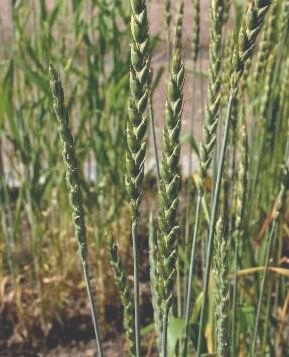
Photo: Wikipedia
Spelt is an ancient, hulled wheat with a distinctive nutty, slightly sweet flavor and a pleasantly chewy texture when cooked. It's a nutritional powerhouse, boasting a high protein content and significant dietary fiber, making it a more robust and flavorful alternative to modern wheat.
Calorie split: 16% protein · 78% carbs · 6% fat
↓ Full nutrition💚 Why it's loved
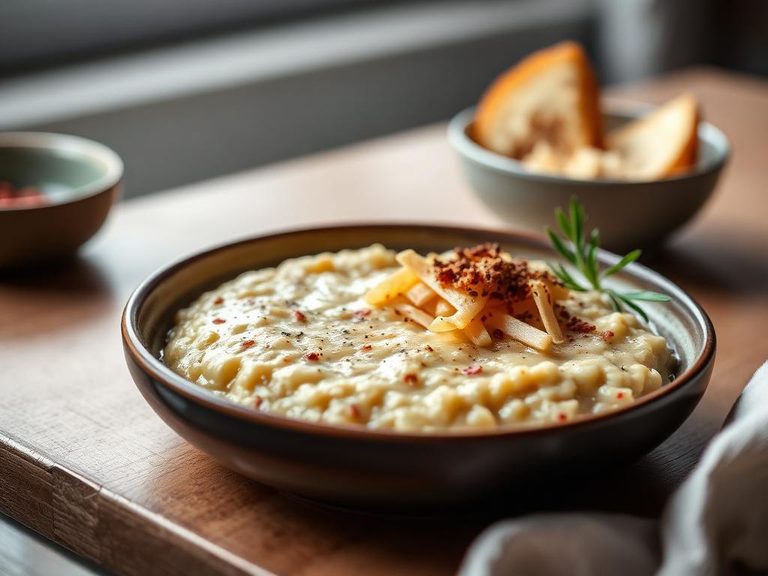
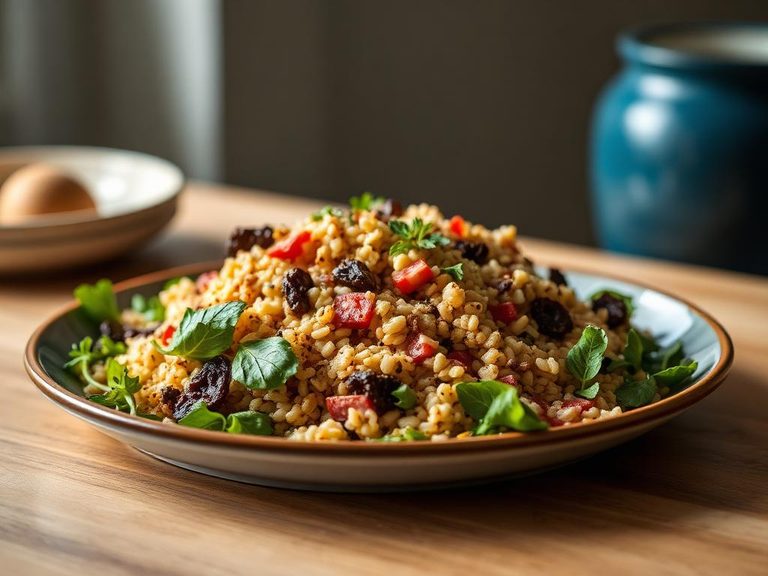
People adore spelt for its deep, earthy, and slightly sweet taste that adds complexity to both savory and sweet dishes. Its versatility allows it to shine in hearty salads, comforting risottos, and rustic breads, connecting modern eaters to a long culinary heritage.
⚠️ Watch-outs & how to enjoy it better
Spelt contains gluten, making it unsafe for those with celiac disease or gluten sensitivity. Its high fiber content can cause digestive discomfort if introduced too quickly; start with small portions and ensure adequate water intake. As a whole grain, it has a moderate glycemic index, so pairing it with protein or healthy fats can help manage blood sugar response.
Key benefits
- Excellent source of plant-based protein (14.57g per 100g dry).
- High in dietary fiber (10.7g per 100g dry) for digestive health.
- Rich in minerals like manganese, phosphorus, and niacin.
- Contains more protein and fiber than common whole wheat.
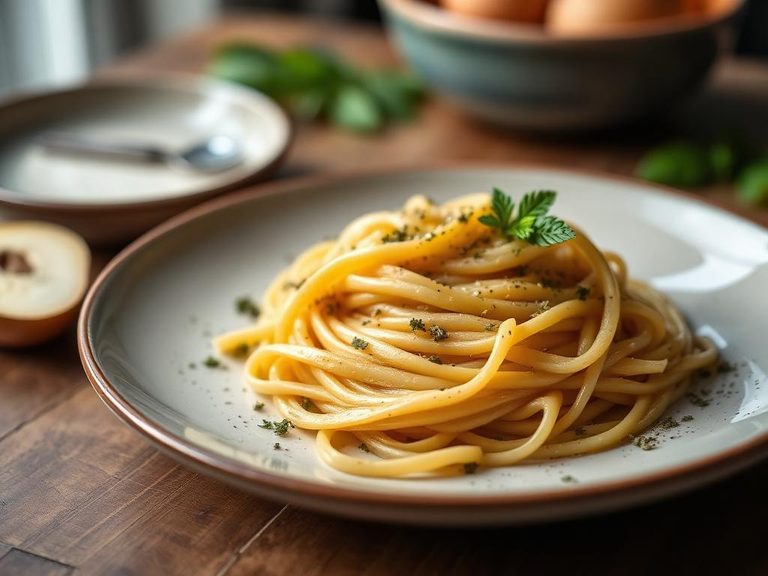
🍽️ Popular dishes
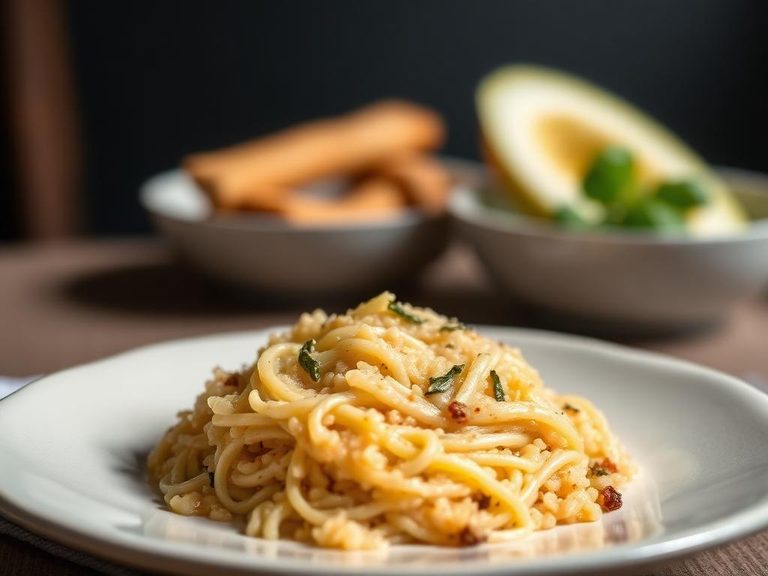
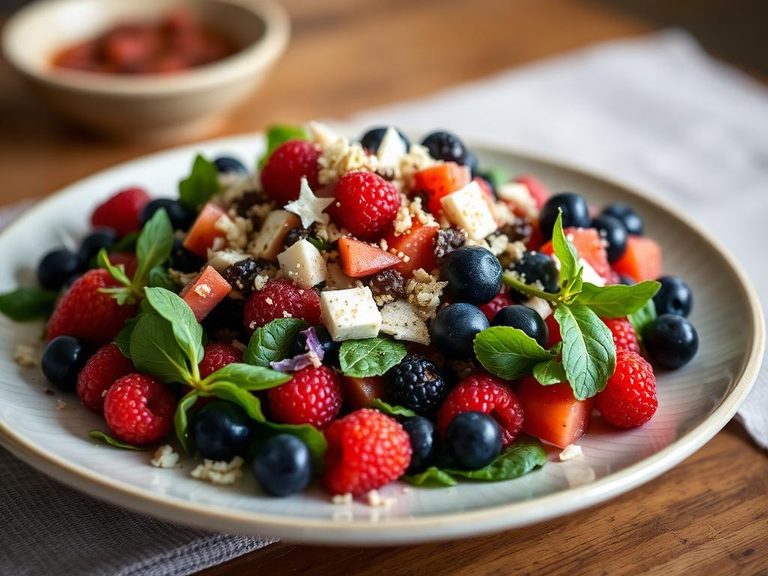
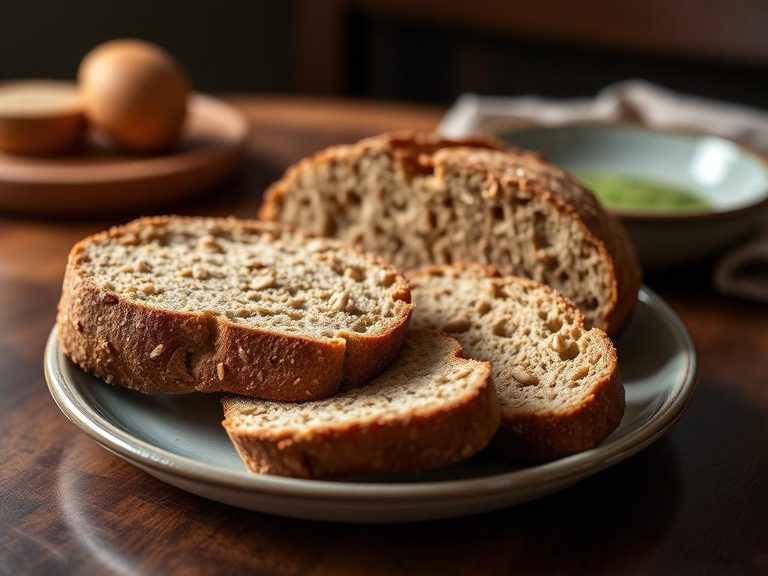
🌍 Where it's eaten
💡 Did you know?
Spelt was a staple grain in parts of Europe for centuries, even being mentioned in the Bible, but was largely replaced by modern wheat due to its tougher hull, which made processing more labor-intensive before modern machinery.
Full nutrition (USDA data · scales with serving)
| Water | 11.0 g |
| Energy | 338 kcal |
| Energy | 1414 kj |
| Protein | 14.6 g |
| Total lipid (fat) | 2.4 g |
| Ash | 1.8 g |
| Carbohydrate, by difference | 70.2 g |
| Fiber, total dietary | 10.7 g |
| Total Sugars | 6.8 g |
| Sucrose | 0.59 g |
| Glucose | 0.84 g |
| Fructose | 0.24 g |
| Lactose | 0.00 g |
| Maltose | 5.2 g |
| Galactose | 0.00 g |
| Starch | 53.9 g |
| Calcium, Ca | 27.0 mg |
| Iron, Fe | 4.4 mg |
| Magnesium, Mg | 136 mg |
| Phosphorus, P | 401 mg |
| Potassium, K | 388 mg |
| Sodium, Na | 8.0 mg |
| Zinc, Zn | 3.3 mg |
| Copper, Cu | 0.51 mg |
| Manganese, Mn | 3.0 mg |
| Selenium, Se | 11.7 ug |
| Vitamin C, total ascorbic acid | 0.00 mg |
| Thiamin | 0.36 mg |
| Riboflavin | 0.11 mg |
| Niacin | 6.8 mg |
| Pantothenic acid | 1.1 mg |
| Vitamin B-6 | 0.23 mg |
| Folate, total | 45.0 ug |
| Folic acid | 0.00 ug |
| Folate, food | 45.0 ug |
| Folate, DFE | 45.0 ug |
| Vitamin B-12 | 0.00 ug |
| Vitamin A, RAE | 0.00 ug |
| Retinol | 0.00 ug |
| Carotene, beta | 5.0 ug |
| Carotene, alpha | 0.00 ug |
| Cryptoxanthin, beta | 0.00 ug |
| Vitamin A, IU | 10.0 iu |
| Lycopene | 0.00 ug |
| Lutein + zeaxanthin | 169 ug |
| Vitamin E (alpha-tocopherol) | 0.79 mg |
| Tocopherol, beta | 0.25 mg |
| Tocopherol, gamma | 1.7 mg |
| Tocopherol, delta | 0.00 mg |
| Tocotrienol, alpha | 0.35 mg |
| Tocotrienol, beta | 0.00 mg |
| Tocotrienol, gamma | 0.00 mg |
| Tocotrienol, delta | 0.00 mg |
| Vitamin K (phylloquinone) | 3.6 ug |
| Vitamin K (Dihydrophylloquinone) | 0.00 ug |
| Vitamin K (Menaquinone-4) | 0.00 ug |
Fat & fatty acid profile (per 100g)
| Fatty acids, total saturated | 0.41 g |
| SFA 8:0 | 0.00 g |
| SFA 10:0 | 0.00 g |
| SFA 12:0 | 0.00 g |
| SFA 14:0 | 0.00 g |
| SFA 15:0 | 0.00 g |
| SFA 16:0 | 0.37 g |
| SFA 17:0 | 0.00 g |
| SFA 18:0 | 0.02 g |
| SFA 20:0 | 0.00 g |
| SFA 22:0 | 0.01 g |
| Fatty acids, total monounsaturated | 0.45 g |
| MUFA 14:1 | 0.00 g |
| MUFA 15:1 | 0.00 g |
| MUFA 16:1 | 0.00 g |
| MUFA 17:1 | 0.00 g |
| MUFA 18:1 | 0.42 g |
| MUFA 20:1 | 0.02 g |
| Fatty acids, total polyunsaturated | 1.3 g |
| PUFA 18:2 | 1.2 g |
| PUFA 18:3 | 0.07 g |
| PUFA 18:3 n-3 c,c,c (ALA) | 0.07 g |
| PUFA 18:3 n-6 c,c,c | 0.00 g |
| PUFA 20:2 n-6 c,c | 0.00 g |
| PUFA 20:3 | 0.00 g |
| PUFA 20:4 | 0.00 g |
| Cholesterol | 0.00 mg |
Amino acid profile (per 100g)
| Tryptophan | 0.13 g |
| Threonine | 0.44 g |
| Isoleucine | 0.55 g |
| Leucine | 1.1 g |
| Lysine | 0.41 g |
| Methionine | 0.26 g |
| Cystine | 0.33 g |
| Phenylalanine | 0.74 g |
| Tyrosine | 0.38 g |
| Valine | 0.68 g |
| Arginine | 0.69 g |
| Histidine | 0.36 g |
| Alanine | 0.53 g |
| Aspartic acid | 0.76 g |
| Glutamic acid | 4.7 g |
| Glycine | 0.60 g |
| Proline | 1.6 g |
| Serine | 0.72 g |
FAQ
Is spelt gluten-free?
No, spelt is a type of wheat and contains gluten. It is not suitable for individuals with celiac disease or non-celiac gluten sensitivity.
How do I cook spelt berries?
Rinse 1 cup of spelt berries. Combine with 3 cups of water or broth in a pot. Bring to a boil, then reduce heat, cover, and simmer for 30-40 minutes until tender but still chewy. Drain any excess liquid.
What's the difference between spelt and farro?
While often used interchangeably, true farro (Triticum dicoccum) is a specific emmer wheat. Spelt (Triticum spelta) is a different ancient wheat species with a slightly sweeter flavor and softer bran layer.
Nutrient density (calculated · NRF9.3)
Nutrient Rich Foods index: beneficial nutrients (protein, fiber, vitamins, minerals) minus saturated fat, added sugar & sodium, per 100 kcal.
NRF9.3 index — Fulgoni, Keast & Drewnowski, 2009. Computed from USDA nutrients.
Weight-loss friendliness (composite index)
Energy density 3.38 kcal/g · 17% calories from protein · 10.7 g fiber · 6.8 g sugar per 100 g.
Composite of energy density (Rolls et al., 1999), protein & fiber satiety, minus sugar. A calculated heuristic — ranks satiety-per-calorie, not a clinical measure.
Dietary load (calculated from USDA values)
Potential renal acid load. Positive = acid-forming, negative = alkaline-forming.
Sodium-to-potassium ratio: 0.02 (lower is better — aim for ≤ 1)
Sodium:potassium per WHO potassium guidance. Computed from USDA nutrients.