Spelt Flour Pasta
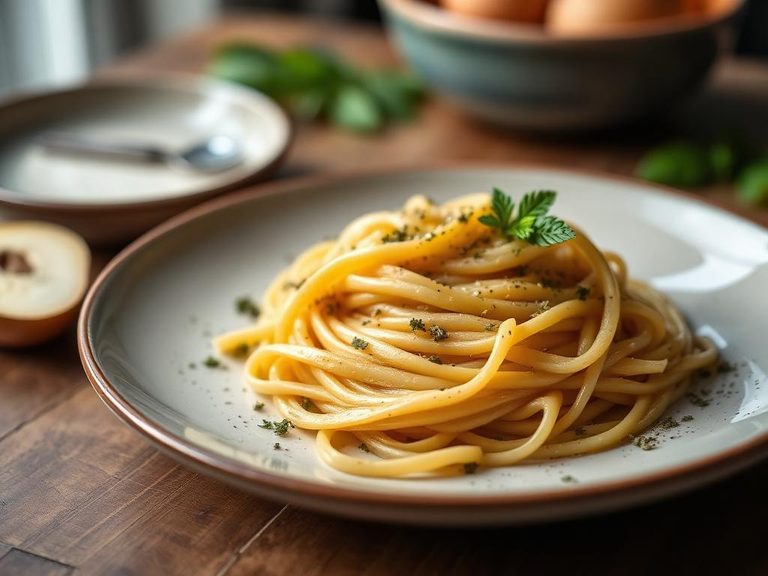
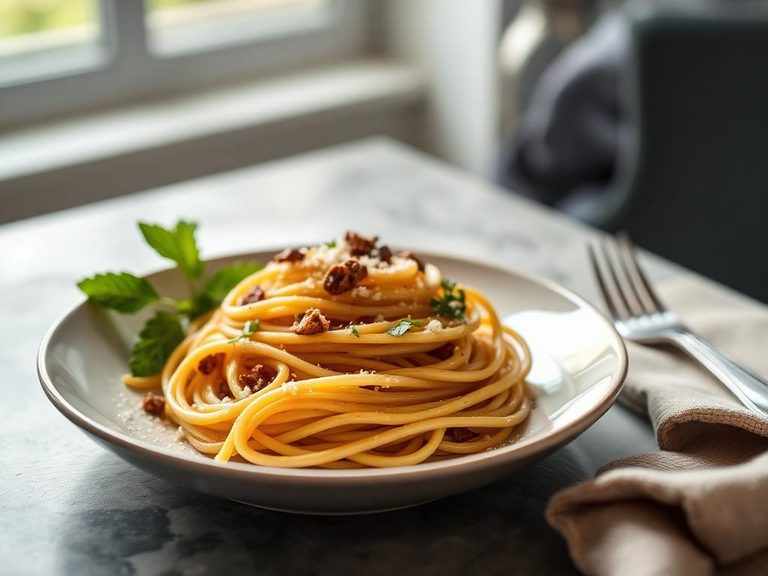
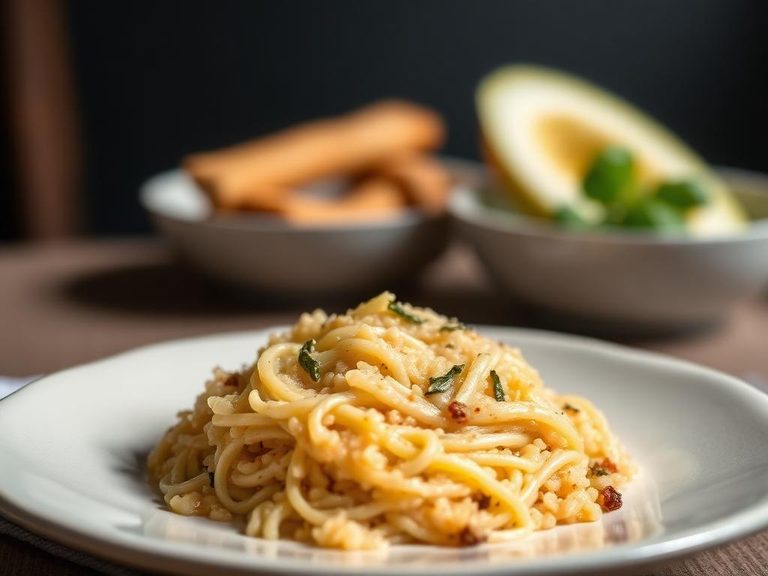
Spelt flour pasta is a type of pasta made primarily from the ancient grain spelt, a cousin of modern wheat. It typically consists of spelt flour, water, and sometimes eggs, and has been a traditional food in parts of Europe for centuries. This pasta offers a slightly nutty flavor and a tender texture compared to standard wheat pasta.
🍽️ Nutrition at a glance
Spelt flour pasta is a good source of complex carbohydrates and provides a moderate amount of plant-based protein. It is naturally rich in dietary fiber, B vitamins like niacin and thiamine, and essential minerals such as manganese and phosphorus. A typical serving contains roughly 180-220 calories.
Nutrition breakdown
| Calories | 200 kcal |
| Protein | 8 g |
| Carbs | 38 g |
| Fat | 1.5 g |
| Fiber | 5 g |
| Sugar | 1 g |
| Sodium | 5 mg |
| Manganese | 1.2 mg |
| Phosphorus | 150 mg |
| Niacin (B3) | 3 mg |
| Thiamine (B1) | 0.2 mg |
| Magnesium | 40 mg |
| Iron | 1.5 mg |
| Zinc | 1 mg |
| Selenium | 10 mcg |
Per 1 cup cooked (140 g) · estimated, varies by recipe
💡 What's interesting
Spelt is an ancient grain that was cultivated by the Romans and has been grown in Europe for over 3,000 years, making it a historically significant crop. Nutritionally, its protein structure is often considered more digestible than that of modern wheat for some people, though it is not gluten-free.