Sausage, Italian, pork, mild, cooked, pan-fried
Whole food · Sausages and Luncheon Meats
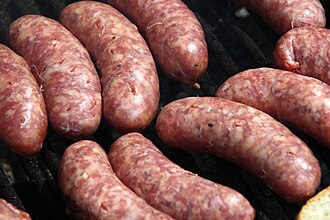
Photo: Wikipedia
This is a savory, juicy pork sausage seasoned with classic Italian herbs like fennel and garlic, then pan-fried to develop a crisp, golden-brown exterior while keeping the interior tender and moist. It's a protein-dense, high-fat food that delivers a robust, savory flavor with a satisfying, meaty texture. Its nutrition is characterized by being very low in carbohydrates and sugars, making it a staple in low-carb and ketogenic diets.
💚 Why it's loved
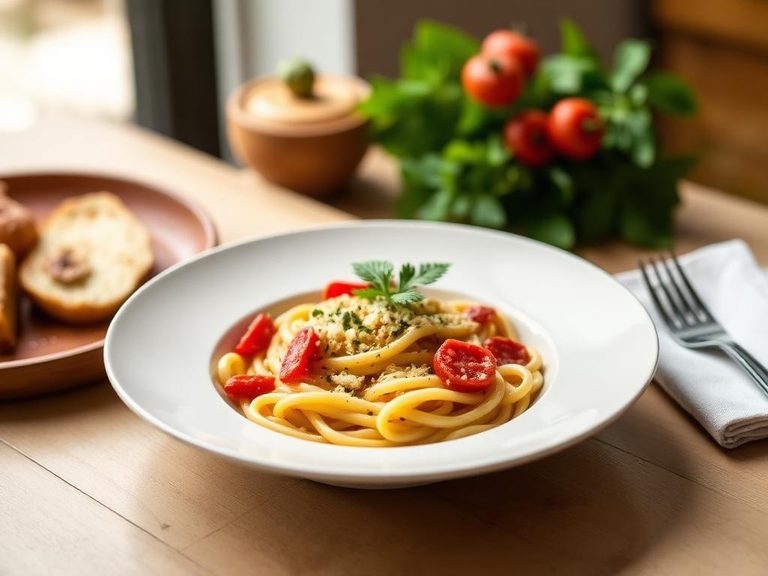
People love it for its deeply savory, aromatic flavor profile—a perfect balance of pork richness, herbal fennel, and a hint of garlic. Its versatility makes it a beloved ingredient that can be the star of a simple pasta dish, a hearty breakfast, or a flavorful addition to soups and stews.
⚠️ Watch-outs & how to enjoy it better
Due to its high saturated fat and sodium content, it should be consumed in moderation by individuals monitoring heart health or blood pressure. To counteract this, pair it with fiber-rich vegetables (like roasted broccoli or a large salad) to slow digestion and balance the meal, and practice portion control. Choosing lower-sodium varieties or rinsing the cooked sausage lightly can also help reduce salt intake.
Key benefits
- Excellent source of complete protein for muscle maintenance.
- Very low in carbohydrates and sugars, suitable for low-carb diets.
- Provides B vitamins, particularly B12, from pork.
- Contains minerals like zinc and selenium.
- Offers a quick, calorie-dense energy source.
🍽️ Popular dishes
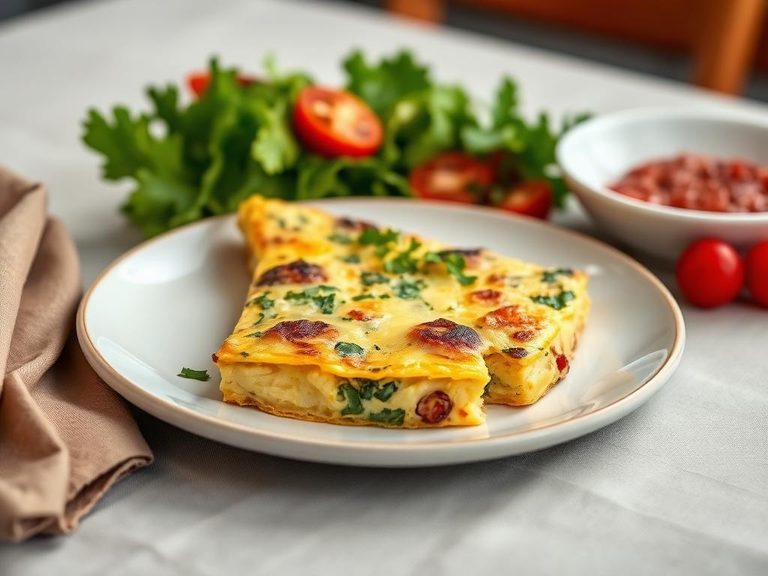
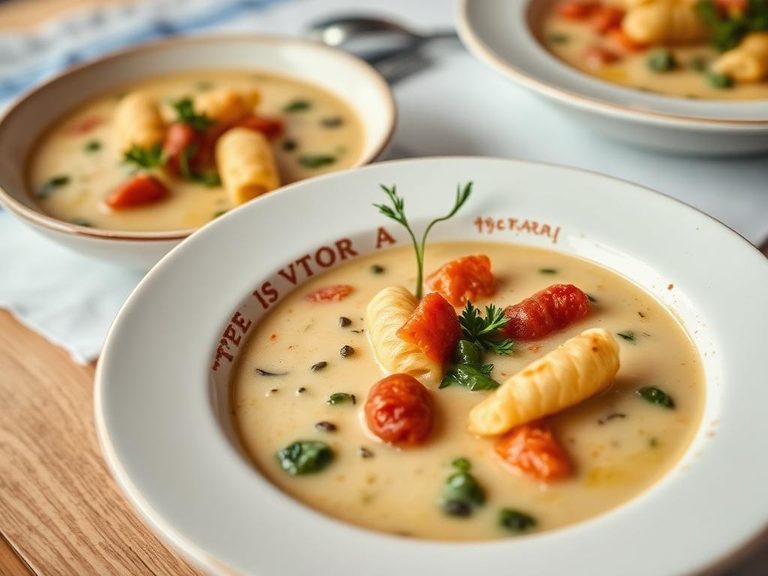
🌍 Where it's eaten
💡 Did you know?
The term 'mild' in Italian sausage typically refers to the level of heat from chili peppers, not the intensity of the fennel or garlic seasoning, which can still be very pronounced.
Full nutrition (scales with serving)
| Water | 50.9 g |
| Energy | 322 kcal |
| Energy | 1350 kj |
| Nitrogen | 2.9 g |
| Protein | 18.2 g |
| Total lipid (fat) | 26.2 g |
| Total fat (NLEA) | 25.8 g |
| Ash | 2.6 g |
| Carbohydrate, by difference | 2.1 g |
| Sugars, Total | 1.5 g |
| Sucrose | 0.00 g |
| Glucose | 1.5 g |
| Fructose | 0.00 g |
| Lactose | 0.00 g |
| Maltose | 0.00 g |
| Galactose | 0.00 g |
| Calcium, Ca | 12.0 mg |
| Iron, Fe | 1.3 mg |
| Magnesium, Mg | 18.6 mg |
| Phosphorus, P | 145 mg |
| Potassium, K | 310 mg |
| Sodium, Na | 766 mg |
| Zinc, Zn | 2.4 mg |
| Copper, Cu | 0.07 mg |
| Manganese, Mn | 0.03 mg |
| Selenium, Se | 20.2 ug |
| Thiamin | 0.31 mg |
| Riboflavin | 0.24 mg |
| Niacin | 5.7 mg |
| Pantothenic acid | 0.78 mg |
| Vitamin B-6 | 0.34 mg |
| Folate, total | 0.00 ug |
| Choline, total | 70.4 mg |
| Choline, free | 5.9 mg |
| Choline, from phosphocholine | 46.1 mg |
| Choline, from phosphotidyl choline | 0.30 mg |
| Choline, from glycerophosphocholine | 10.5 mg |
| Choline, from sphingomyelin | 7.6 mg |
| Betaine | 3.9 mg |
| Vitamin B-12 | 1.1 ug |
| Vitamin A, RAE | 22.0 ug |
| Retinol | 22.0 ug |
| Vitamin E (alpha-tocopherol) | 0.80 mg |
| Tocopherol, beta | 0.00 mg |
| Tocopherol, gamma | 0.15 mg |
| Tocopherol, delta | 0.00 mg |
| Tocotrienol, alpha | 0.00 mg |
| Tocotrienol, beta | 0.00 mg |
| Tocotrienol, gamma | 0.00 mg |
| Tocotrienol, delta | 0.00 mg |
| Vitamin K (phylloquinone) | 0.00 ug |
| Vitamin K (Dihydrophylloquinone) | 0.00 ug |
| Vitamin K (Menaquinone-4) | 18.8 ug |
| Fatty acids, total saturated | 9.2 g |
| SFA 4:0 | 0.01 g |
| SFA 6:0 | 0.00 g |
| SFA 8:0 | 0.00 g |
| SFA 10:0 | 0.02 g |
| SFA 11:0 | 0.00 g |
| SFA 12:0 | 0.02 g |
| SFA 14:0 | 0.34 g |
| SFA 15:0 | 0.01 g |
| SFA 16:0 | 5.7 g |
| SFA 17:0 | 0.07 g |
| SFA 18:0 | 2.9 g |
| SFA 20:0 | 0.07 g |
| SFA 22:0 | 0.01 g |
| SFA 24:0 | 0.00 g |
| Fatty acids, total monounsaturated | 11.6 g |
| MUFA 14:1 c | 0.01 g |
| MUFA 15:1 | 0.00 g |
| MUFA 16:1 c | 0.58 g |
| MUFA 17:1 | 0.06 g |
| MUFA 17:1 c | 0.06 g |
| MUFA 18:1 c | 10.7 g |
| MUFA 20:1 c | 0.30 g |
| MUFA 22:1 c | 0.01 g |
| MUFA 22:1 n-9 | 0.01 g |
| MUFA 24:1 c | 0.00 g |
| Fatty acids, total polyunsaturated | 5.0 g |
| PUFA 18:2 c | 4.3 g |
| PUFA 18:2 n-6 c,c | 4.3 g |
| PUFA 18:2 CLAs | 0.03 g |
| PUFA 18:3 c | 0.18 g |
| PUFA 18:3 n-3 c,c,c (ALA) | 0.17 g |
| PUFA 18:3 n-6 c,c,c | 0.01 g |
| PUFA 18:4 | 0.00 g |
| PUFA 20:2 c | 0.22 g |
| PUFA 20:2 n-6 c,c | 0.22 g |
| PUFA 20:3 c | 0.06 g |
| PUFA 20:3 n-3 | 0.03 g |
| PUFA 20:3 n-6 | 0.04 g |
| PUFA 20:3 n-9 | 0.00 g |
| PUFA 20:4 | 0.13 g |
| PUFA 20:4c | 0.13 g |
| PUFA 20:5c | 0.01 g |
| PUFA 20:5 n-3 (EPA) | 0.01 g |
| PUFA 22:2 | 0.00 g |
| PUFA 22:5 c | 0.02 g |
| PUFA 22:4 | 0.05 g |
| PUFA 22:5 n-3 (DPA) | 0.02 g |
| PUFA 22:6 c | 0.00 g |
| PUFA 22:6 n-3 (DHA) | 0.00 g |
| Fatty acids, total trans | 0.10 g |
| Fatty acids, total trans-monoenoic | 0.08 g |
| TFA 16:1 t | 0.01 g |
| TFA 18:1 t | 0.07 g |
| TFA 22:1 t | 0.00 g |
| Fatty acids, total trans-dienoic | 0.02 g |
| TFA 18:2 t not further defined | 0.02 g |
| Fatty acids, total trans-polyenoic | 0.00 g |
| TFA 18:3 t | 0.00 g |
| Cholesterol | 80.0 mg |
FAQ
How is Italian sausage different from breakfast sausage?
Italian sausage is defined by its specific seasoning blend, prominently featuring fennel seed and often garlic and anise. Breakfast sausage is typically seasoned with sage, thyme, and black pepper, with a different flavor profile.
Can I eat this on a keto diet?
Yes, it's an excellent keto-friendly food due to its high fat, high protein, and virtually zero carbohydrate content, making it a perfect fit for ketogenic meal plans.
Why does my Italian sausage sometimes turn out dry?
Overcooking is the main cause. Since it's pre-cooked, you're essentially just reheating and browning it. Cook over medium heat until heated through and nicely browned, but avoid prolonged high heat which can drive out moisture.