

Potatoes, russet, flesh and skin, raw (Includes foods for USDA's Food Distribution Program)
Whole food · Vegetables and Vegetable Products
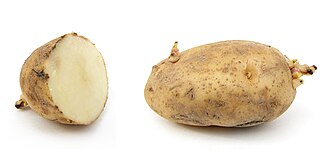
Photo: Wikipedia
The russet potato, with its rough, brown skin and starchy white flesh, is the workhorse of the American kitchen. When raw, it has a firm, dense texture and a mild, earthy flavor that transforms into a fluffy, comforting staple when cooked. Nutritionally, it's a powerhouse of energy-rich carbohydrates and a surprisingly good source of potassium and vitamin C.
Calorie split: 10% protein · 89% carbs · 1% fat
↓ Full nutrition💚 Why it's loved
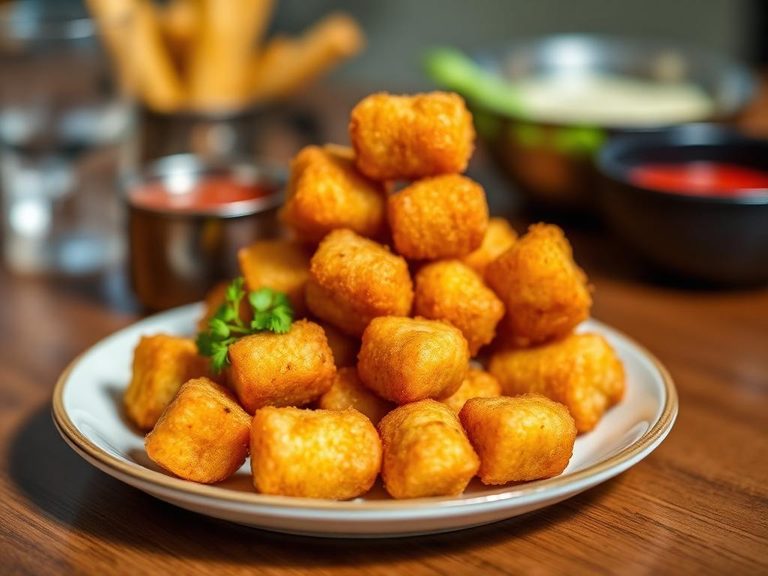
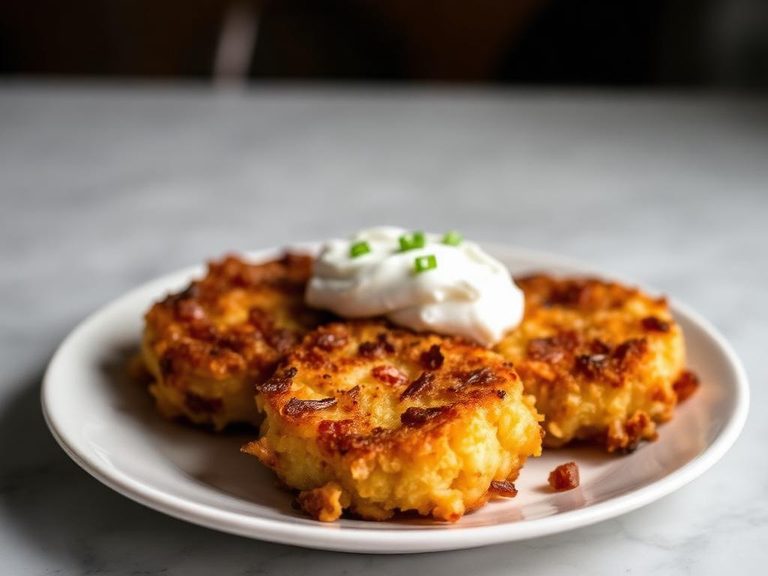
People love russets for their unparalleled fluffiness when baked or mashed, and their ability to absorb flavors and become crispy when fried. They are the cultural cornerstone of classic comfort foods, from American steakhouse baked potatoes to the golden French fry.
⚠️ Watch-outs & how to enjoy it better
Their high glycemic index can cause rapid blood sugar spikes, which is a concern for diabetics. To mitigate this, pair them with protein (like beans or meat) and healthy fats (like olive oil or avocado), or consume them cooled (as in potato salad) to increase resistant starch. They also absorb a lot of oil when fried, increasing calorie density.
Key benefits
- Excellent source of potassium, supporting heart and muscle function.
- High in vitamin C, an antioxidant that aids immune function.
- Provides resistant starch when cooked and cooled, which can benefit gut health.
- Naturally fat-free and cholesterol-free.
- A versatile, affordable base for countless meals.
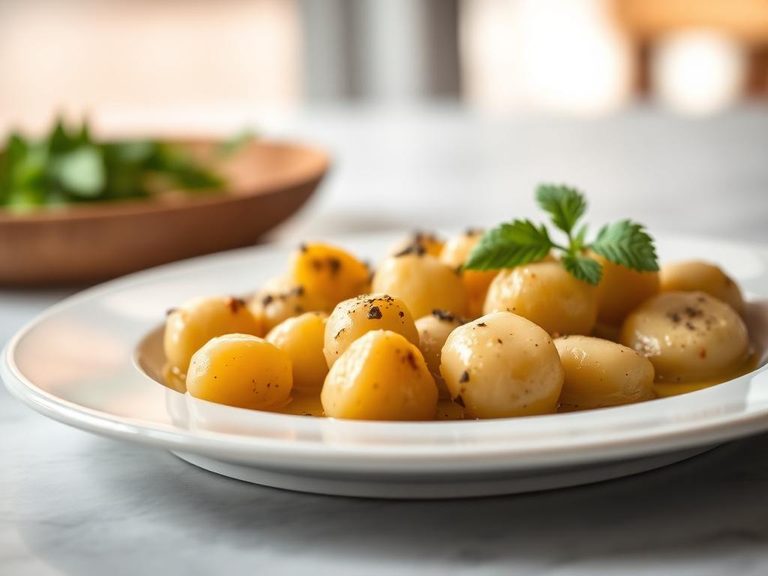
🍽️ Popular dishes
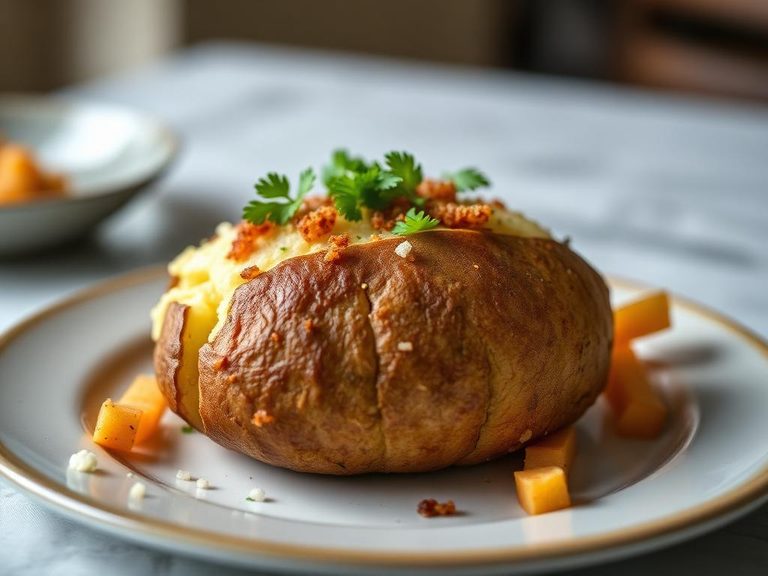
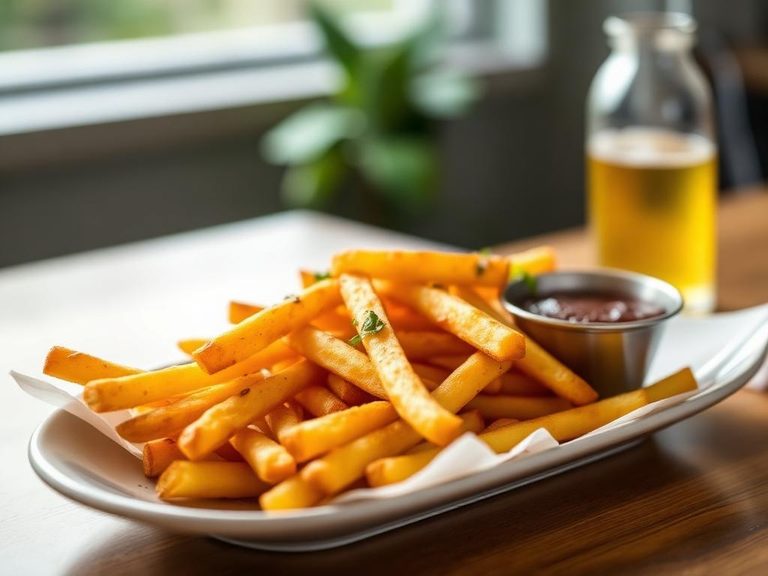
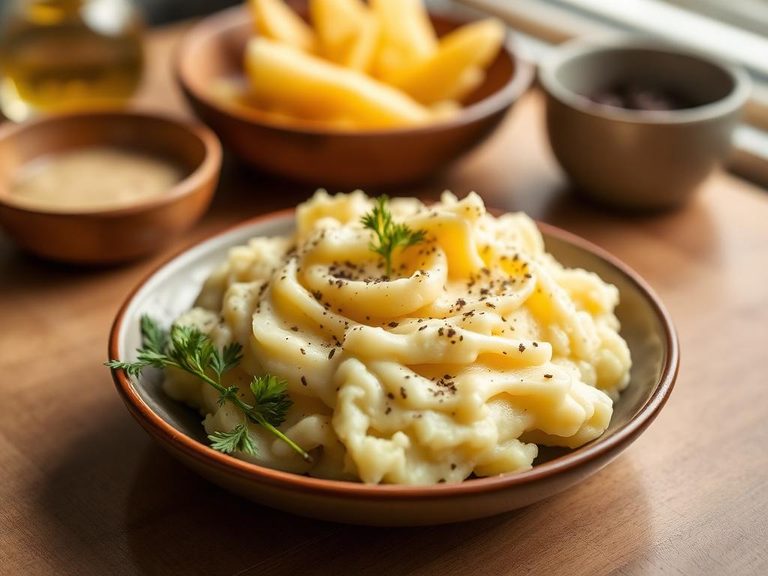
🌍 Where it's eaten
💡 Did you know?
The 'russet' name comes from the reddish-brown, russet-colored skin, and this variety was specifically bred in the 1870s to be immune to the potato blight that caused the Irish Potato Famine.
Full nutrition (USDA data · scales with serving)
| Water | 78.6 g |
| Energy | 79.0 kcal |
| Energy | 332 kj |
| Protein | 2.1 g |
| Total lipid (fat) | 0.08 g |
| Ash | 1.1 g |
| Carbohydrate, by difference | 18.1 g |
| Fiber, total dietary | 1.3 g |
| Total Sugars | 0.62 g |
| Sucrose | 0.13 g |
| Glucose | 0.25 g |
| Fructose | 0.23 g |
| Lactose | 0.00 g |
| Maltose | 0.00 g |
| Galactose | 0.00 g |
| Starch | 15.9 g |
| Calcium, Ca | 13.0 mg |
| Iron, Fe | 0.86 mg |
| Magnesium, Mg | 23.0 mg |
| Phosphorus, P | 55.0 mg |
| Potassium, K | 417 mg |
| Sodium, Na | 5.0 mg |
| Zinc, Zn | 0.29 mg |
| Copper, Cu | 0.10 mg |
| Manganese, Mn | 0.16 mg |
| Selenium, Se | 0.40 ug |
| Vitamin C, total ascorbic acid | 5.7 mg |
| Thiamin | 0.08 mg |
| Riboflavin | 0.03 mg |
| Niacin | 1.0 mg |
| Pantothenic acid | 0.30 mg |
| Vitamin B-6 | 0.34 mg |
| Folate, total | 14.0 ug |
| Folic acid | 0.00 ug |
| Folate, food | 14.0 ug |
| Folate, DFE | 14.0 ug |
| Choline, total | 12.6 mg |
| Betaine | 0.20 mg |
| Vitamin B-12 | 0.00 ug |
| Vitamin A, RAE | 0.00 ug |
| Retinol | 0.00 ug |
| Carotene, beta | 0.00 ug |
| Carotene, alpha | 0.00 ug |
| Cryptoxanthin, beta | 0.00 ug |
| Vitamin A, IU | 1.0 iu |
| Lycopene | 0.00 ug |
| Lutein + zeaxanthin | 5.0 ug |
| Vitamin E (alpha-tocopherol) | 0.01 mg |
| Tocopherol, beta | 0.00 mg |
| Tocopherol, gamma | 0.00 mg |
| Tocopherol, delta | 0.00 mg |
| Vitamin D (D2 + D3), International Units | 0.00 iu |
| Vitamin D (D2 + D3) | 0.00 ug |
| Vitamin K (phylloquinone) | 1.8 ug |
| Vitamin K (Dihydrophylloquinone) | 0.00 ug |
| Caffeine | 0.00 mg |
| Theobromine | 0.00 mg |
Fat & fatty acid profile (per 100g)
| Fatty acids, total saturated | 0.03 g |
| SFA 4:0 | 0.00 g |
| SFA 6:0 | 0.00 g |
| SFA 8:0 | 0.00 g |
| SFA 10:0 | 0.00 g |
| SFA 12:0 | 0.00 g |
| SFA 14:0 | 0.00 g |
| SFA 16:0 | 0.02 g |
| SFA 18:0 | 0.00 g |
| Fatty acids, total monounsaturated | 0.00 g |
| MUFA 16:1 | 0.00 g |
| MUFA 18:1 | 0.00 g |
| MUFA 20:1 | 0.00 g |
| MUFA 22:1 | 0.00 g |
| Fatty acids, total polyunsaturated | 0.04 g |
| PUFA 18:2 | 0.03 g |
| PUFA 18:3 | 0.01 g |
| PUFA 18:4 | 0.00 g |
| PUFA 20:4 | 0.00 g |
| PUFA 20:5 n-3 (EPA) | 0.00 g |
| PUFA 22:5 n-3 (DPA) | 0.00 g |
| PUFA 22:6 n-3 (DHA) | 0.00 g |
| Fatty acids, total trans | 0.00 g |
| Cholesterol | 0.00 mg |
| Phytosterols | 5.0 mg |
Amino acid profile (per 100g)
Estimated from Potatoes, french fried, all types, salt added in processing, frozen, unprepared — USDA does not publish this profile for Potatoes.
| Tryptophan | 0.02 g |
| Threonine | 0.08 g |
| Isoleucine | 0.08 g |
| Leucine | 0.13 g |
| Lysine | 0.13 g |
| Methionine | 0.04 g |
| Cystine | 0.04 g |
| Phenylalanine | 0.10 g |
| Tyrosine | 0.08 g |
| Valine | 0.12 g |
| Arginine | 0.13 g |
| Histidine | 0.05 g |
| Alanine | 0.09 g |
| Aspartic acid | 0.50 g |
| Glutamic acid | 0.40 g |
| Glycine | 0.07 g |
| Proline | 0.08 g |
| Serine | 0.10 g |
FAQ
What's the difference between a russet and a red potato?
Russets have thick, brown skin and high starch content, making them fluffy and ideal for baking, mashing, and frying. Red potatoes have thin, red skin, waxy flesh, and hold their shape well, making them perfect for boiling, roasting, and salads.
Are the skin and flesh equally nutritious?
The skin contains a significant portion of the fiber, iron, and potassium. Eating the skin (after thorough washing) maximizes the nutritional benefit.
Why do my mashed potatoes turn gluey?
Overworking the potatoes with a blender or food processor ruptures their starch cells, releasing too much starch and creating a gluey texture. Use a ricer, masher, or hand mixer on low for the best fluffy result.
Nutrient density (calculated · NRF9.3)
Nutrient Rich Foods index: beneficial nutrients (protein, fiber, vitamins, minerals) minus saturated fat, added sugar & sodium, per 100 kcal.
NRF9.3 index — Fulgoni, Keast & Drewnowski, 2009. Computed from USDA nutrients.
Weight-loss friendliness (composite index)
Energy density 0.79 kcal/g · 11% calories from protein · 1.3 g fiber · 0.6 g sugar per 100 g.
Composite of energy density (Rolls et al., 1999), protein & fiber satiety, minus sugar. A calculated heuristic — ranks satiety-per-calorie, not a clinical measure.
Dietary load (calculated from USDA values)
Potential renal acid load. Positive = acid-forming, negative = alkaline-forming.
Sodium-to-potassium ratio: 0.01 (lower is better — aim for ≤ 1)
Sodium:potassium per WHO potassium guidance. Computed from USDA nutrients.