

Lentils, raw
Whole food · Legumes and Legume Products

Photo: Wikipedia
Lentils are tiny, lens-shaped legumes that cook into a tender, earthy, and slightly peppery staple. They come in a rainbow of colors, from earthy brown and green to vibrant red and black, each with a distinct texture. Nutritionally, they are a powerhouse of plant-based protein and complex carbohydrates, providing sustained energy with minimal fat.
Calorie split: 27% protein · 70% carbs · 3% fat
↓ Full nutrition💚 Why it's loved
People love lentils for their incredible versatility, ability to absorb flavors, and quick cooking time compared to other dried beans. They are the hearty, comforting base of iconic dishes from dal to soup, offering profound nutrition and satisfaction on a budget.
⚠️ Watch-outs & how to enjoy it better
Lentils contain oligosaccharides, which can cause gas and bloating in some individuals. To mitigate this, start with small portions, increase intake gradually, and ensure they are thoroughly cooked. Rinsing them before cooking can also help. Some people may need to limit intake if they are prone to kidney stones, as lentils contain oxalates.
Key benefits
- Excellent source of plant-based protein for muscle maintenance.
- High in dietary fiber to support digestive health and satiety.
- Rich in iron and folate, essential for energy and cell function.
- Low glycemic index food that helps manage blood sugar levels.
- Naturally low in fat and a good source of minerals like potassium.
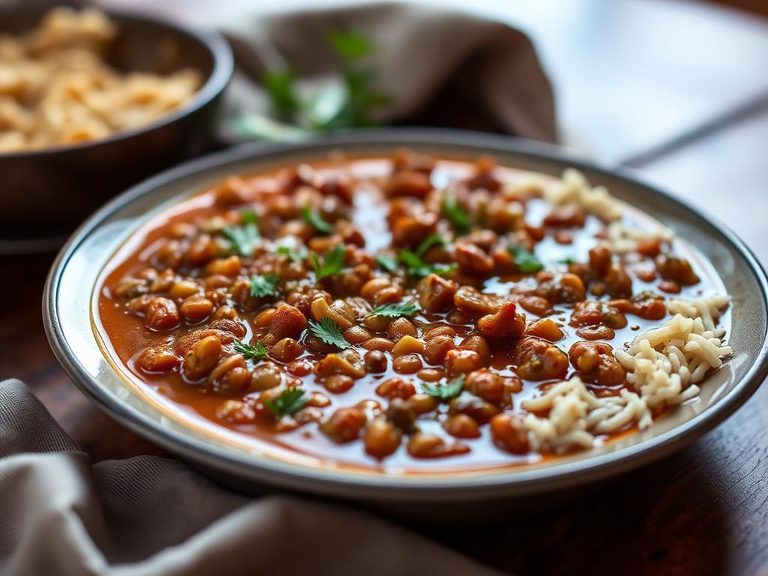
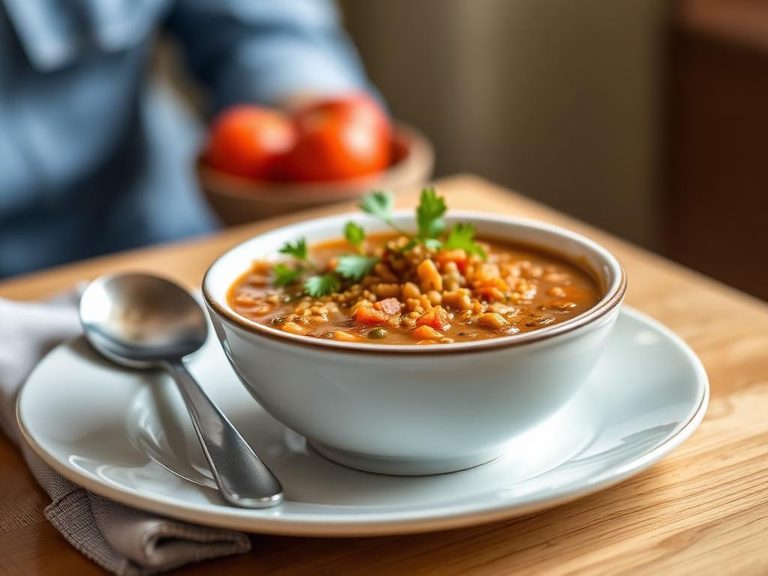
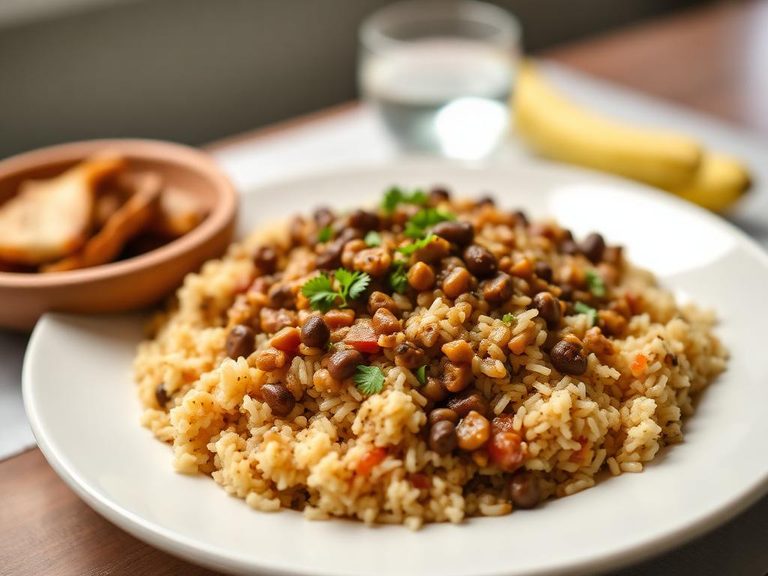
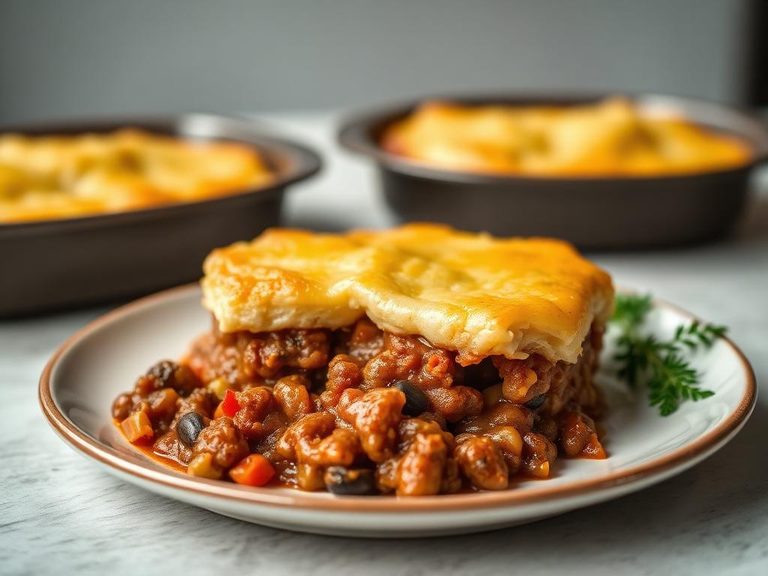
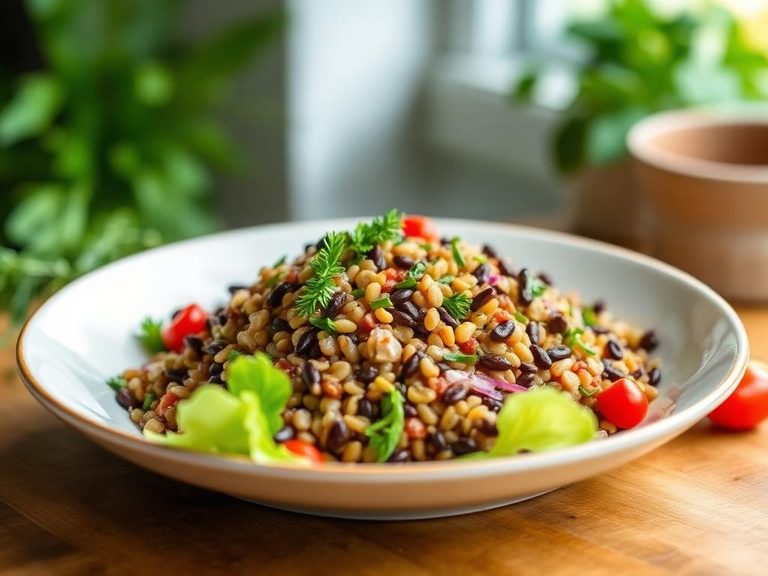
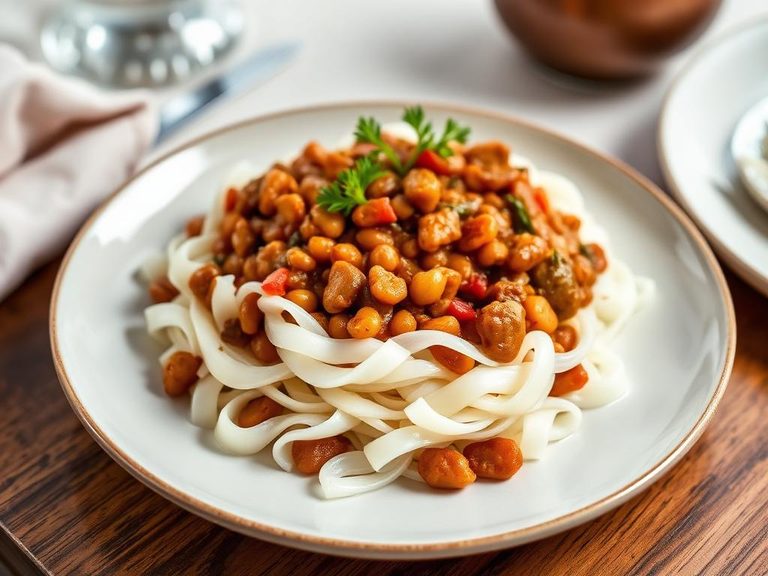
🍽️ Popular dishes
🌍 Where it's eaten
💡 Did you know?
Lentils are one of the oldest known cultivated crops, with evidence of their consumption dating back over 8,000 years to the Fertile Crescent.
Full nutrition (USDA data · scales with serving)
| Water | 8.3 g |
| Energy | 352 kcal |
| Energy | 1473 kj |
| Protein | 24.6 g |
| Total lipid (fat) | 1.1 g |
| Ash | 2.7 g |
| Carbohydrate, by difference | 63.4 g |
| Fiber, total dietary | 10.7 g |
| Total Sugars | 2.0 g |
| Sucrose | 1.5 g |
| Glucose | 0.00 g |
| Fructose | 0.27 g |
| Lactose | 0.00 g |
| Maltose | 0.30 g |
| Galactose | 0.00 g |
| Starch | 49.9 g |
| Calcium, Ca | 35.0 mg |
| Iron, Fe | 6.5 mg |
| Magnesium, Mg | 47.0 mg |
| Phosphorus, P | 281 mg |
| Potassium, K | 677 mg |
| Sodium, Na | 6.0 mg |
| Zinc, Zn | 3.3 mg |
| Copper, Cu | 0.75 mg |
| Manganese, Mn | 1.4 mg |
| Selenium, Se | 0.10 ug |
| Vitamin C, total ascorbic acid | 4.5 mg |
| Thiamin | 0.87 mg |
| Riboflavin | 0.21 mg |
| Niacin | 2.6 mg |
| Pantothenic acid | 2.1 mg |
| Vitamin B-6 | 0.54 mg |
| Folate, total | 479 ug |
| Folic acid | 0.00 ug |
| Folate, food | 479 ug |
| Folate, DFE | 479 ug |
| Choline, total | 96.4 mg |
| Vitamin B-12 | 0.00 ug |
| Vitamin B-12, added | 0.00 ug |
| Vitamin A, RAE | 2.0 ug |
| Retinol | 0.00 ug |
| Carotene, beta | 23.0 ug |
| Carotene, alpha | 0.00 ug |
| Cryptoxanthin, beta | 0.00 ug |
| Vitamin A, IU | 39.0 iu |
| Lycopene | 0.00 ug |
| Lutein + zeaxanthin | 0.00 ug |
| Vitamin E (alpha-tocopherol) | 0.49 mg |
| Vitamin E, added | 0.00 mg |
| Tocopherol, beta | 0.00 mg |
| Tocopherol, gamma | 4.2 mg |
| Tocopherol, delta | 0.00 mg |
| Tocotrienol, alpha | 0.00 mg |
| Tocotrienol, beta | 0.00 mg |
| Tocotrienol, gamma | 0.00 mg |
| Tocotrienol, delta | 0.00 mg |
| Vitamin D (D2 + D3), International Units | 0.00 iu |
| Vitamin D (D2 + D3) | 0.00 ug |
| Vitamin K (phylloquinone) | 5.0 ug |
| Alcohol, ethyl | 0.00 g |
| Caffeine | 0.00 mg |
| Theobromine | 0.00 mg |
Fat & fatty acid profile (per 100g)
| Fatty acids, total saturated | 0.15 g |
| SFA 4:0 | 0.00 g |
| SFA 6:0 | 0.00 g |
| SFA 8:0 | 0.00 g |
| SFA 10:0 | 0.00 g |
| SFA 12:0 | 0.00 g |
| SFA 14:0 | 0.00 g |
| SFA 16:0 | 0.14 g |
| SFA 18:0 | 0.01 g |
| Fatty acids, total monounsaturated | 0.19 g |
| MUFA 16:1 | 0.00 g |
| MUFA 18:1 | 0.18 g |
| MUFA 20:1 | 0.01 g |
| MUFA 22:1 | 0.00 g |
| Fatty acids, total polyunsaturated | 0.53 g |
| PUFA 18:2 | 0.41 g |
| PUFA 18:3 | 0.11 g |
| PUFA 18:4 | 0.00 g |
| PUFA 20:4 | 0.00 g |
| PUFA 20:5 n-3 (EPA) | 0.00 g |
| PUFA 22:5 n-3 (DPA) | 0.00 g |
| PUFA 22:6 n-3 (DHA) | 0.00 g |
| Fatty acids, total trans | 0.00 g |
| Cholesterol | 0.00 mg |
Amino acid profile (per 100g)
| Tryptophan | 0.22 g |
| Threonine | 0.88 g |
| Isoleucine | 1.1 g |
| Leucine | 1.8 g |
| Lysine | 1.7 g |
| Methionine | 0.21 g |
| Cystine | 0.32 g |
| Phenylalanine | 1.2 g |
| Tyrosine | 0.66 g |
| Valine | 1.2 g |
| Arginine | 1.9 g |
| Histidine | 0.69 g |
| Alanine | 1.0 g |
| Aspartic acid | 2.7 g |
| Glutamic acid | 3.8 g |
| Glycine | 1.0 g |
| Proline | 1.0 g |
| Serine | 1.1 g |
FAQ
Do I need to soak lentils before cooking?
Unlike many other dried beans, lentils generally do not require soaking. They cook quickly (15-25 minutes for most varieties). Simply rinse them under cold water to remove any dust or debris before cooking.
What's the difference between green, brown, and red lentils?
Green and brown lentils hold their shape well after cooking, making them ideal for salads and side dishes. Red and yellow lentils break down easily, becoming creamy, which is perfect for soups, stews, and Indian dals.
Are lentils a complete protein?
Lentils are very high in protein but are low in the amino acid methionine. To create a complete protein profile, pair them with grains like rice, bread, or corn, which are rich in methionine. This is a classic combination in many cuisines.
Nutrient density (calculated · NRF9.3)
Nutrient Rich Foods index: beneficial nutrients (protein, fiber, vitamins, minerals) minus saturated fat, added sugar & sodium, per 100 kcal.
NRF9.3 index — Fulgoni, Keast & Drewnowski, 2009. Computed from USDA nutrients.
Weight-loss friendliness (composite index)
Energy density 3.52 kcal/g · 28% calories from protein · 10.7 g fiber · 2.0 g sugar per 100 g.
Composite of energy density (Rolls et al., 1999), protein & fiber satiety, minus sugar. A calculated heuristic — ranks satiety-per-calorie, not a clinical measure.
Dietary load (calculated from USDA values)
Potential renal acid load. Positive = acid-forming, negative = alkaline-forming.
Sodium-to-potassium ratio: 0.01 (lower is better — aim for ≤ 1)
Sodium:potassium per WHO potassium guidance. Computed from USDA nutrients.