

Flour, sorghum
Whole food · Cereal Grains and Pasta

Photo: Wikipedia
Sorghum flour is a finely milled, gluten-free powder made from the whole grain of the sorghum plant. It has a mild, slightly sweet, and earthy flavor with a texture that is denser than wheat flour but lighter than many other gluten-free alternatives. Nutritionally, it's a robust source of complex carbohydrates and dietary fiber, providing sustained energy.
Calorie split: 9% protein · 83% carbs · 9% fat
↓ Full nutrition💚 Why it's loved
People love sorghum flour for its mild, versatile flavor that doesn't overpower other ingredients, making it perfect for both sweet and savory baking. It's also cherished in many cultures as a traditional, hearty staple grain that brings a satisfying, wholesome texture to breads and porridges.
⚠️ Watch-outs & how to enjoy it better
Its dense, slightly gritty texture can be challenging for those used to refined wheat flour, potentially leading to dry or crumbly baked goods. To counteract this, it's often best blended with other gluten-free flours (like tapioca or rice flour) and paired with adequate moisture or fats (like eggs, oil, or yogurt). Those monitoring blood sugar should note its high carbohydrate content and pair it with protein or healthy fats to moderate the glycemic response.
Key benefits
- Naturally gluten-free, ideal for celiac or gluten-sensitive diets.
- High in dietary fiber, supporting digestive health and satiety.
- Good source of antioxidants, particularly phenolic compounds.
- Provides sustained energy due to its complex carbohydrate profile.
- Contains essential minerals like iron and phosphorus.
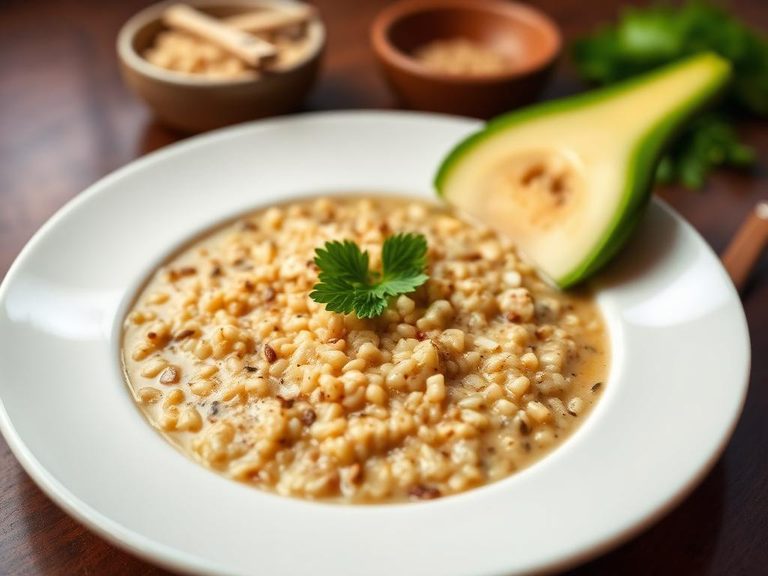
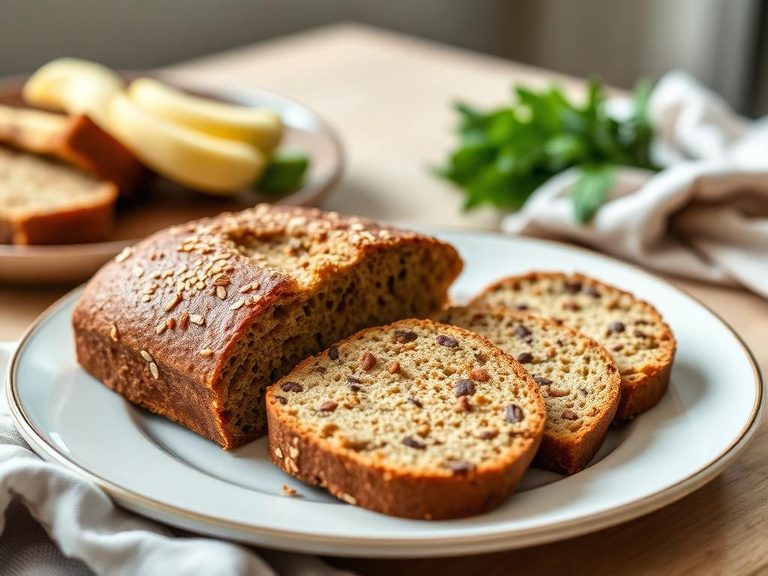
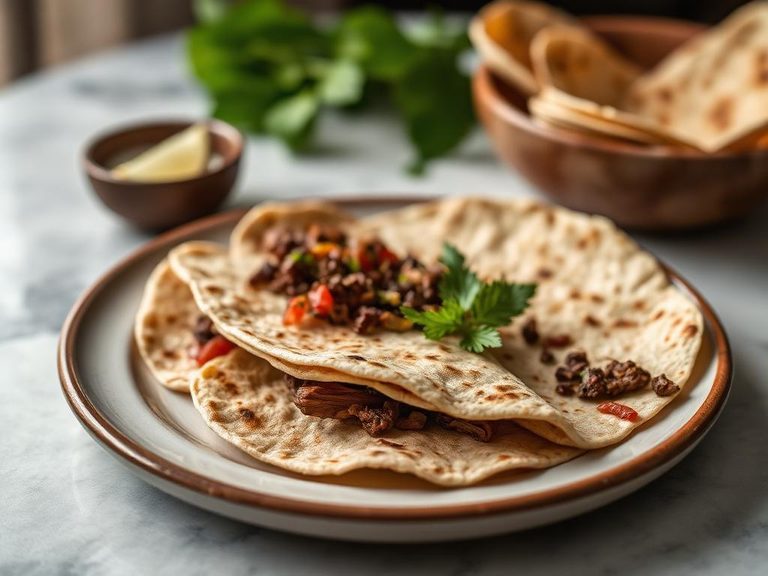
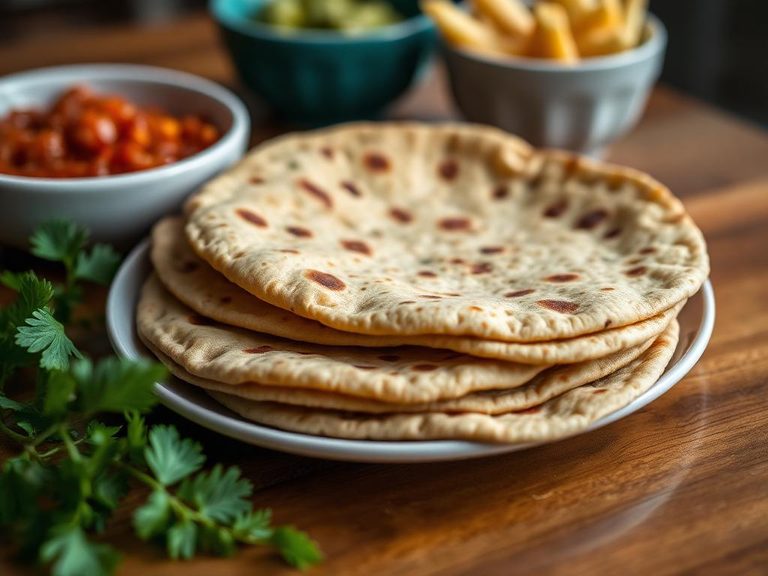
🍽️ Popular dishes
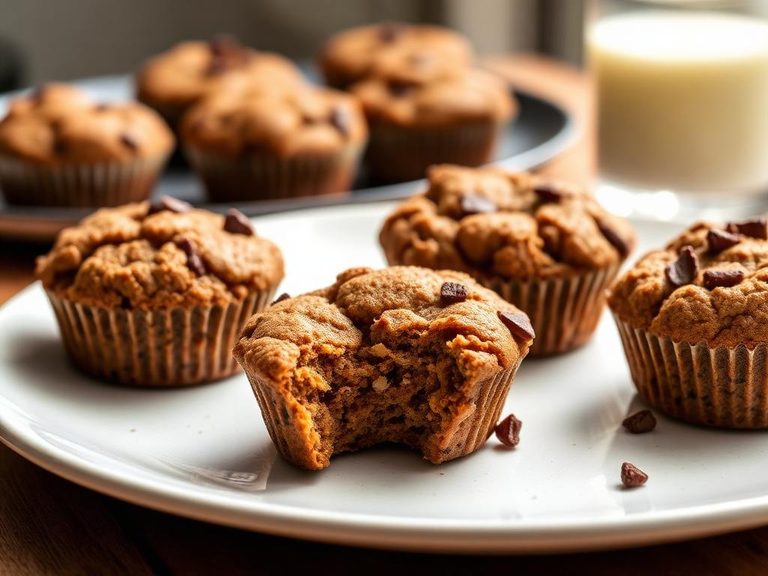
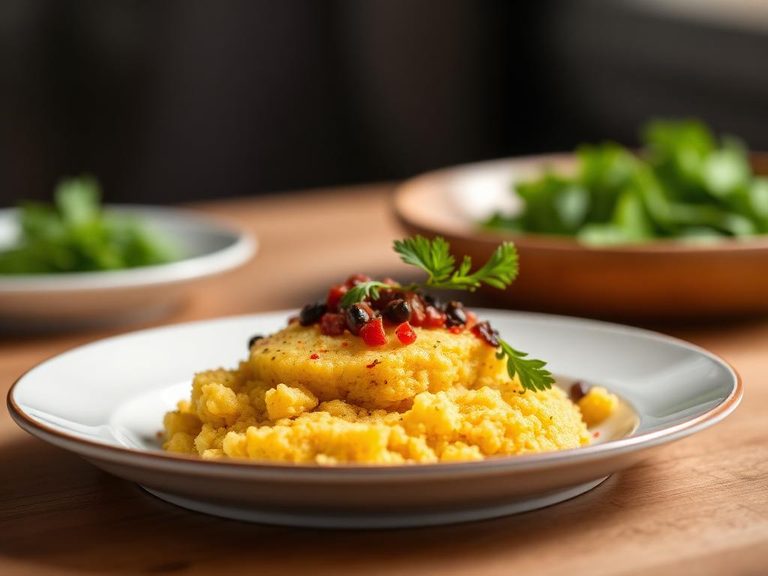
🌍 Where it's eaten
💡 Did you know?
Sorghum is the fifth most important cereal crop in the world, and it's so drought-resistant that it can survive in conditions where corn would fail, making it a vital food security crop.
Full nutrition (USDA data · scales with serving)
| Water | 9.4 g |
| Energy (Atwater General Factors) | 375 kcal |
| Energy (Atwater Specific Factors) | 364 kcal |
| Nitrogen | 1.4 g |
| Protein | 8.3 g |
| Total lipid (fat) | 3.6 g |
| Ash | 1.3 g |
| Carbohydrate, by difference | 77.4 g |
| Fiber, total dietary | 6.0 g |
| Total dietary fiber (AOAC 2011.25) | 8.2 g |
| High Molecular Weight Dietary Fiber (HMWDF) | 7.4 g |
| Low Molecular Weight Dietary Fiber (LMWDF) | 0.00 g |
| Beta-glucan | 0.19 g |
| Starch | 66.3 g |
| Calcium, Ca | 11.4 mg |
| Iron, Fe | 3.7 mg |
| Magnesium, Mg | 116 mg |
| Phosphorus, P | 262 mg |
| Potassium, K | 335 mg |
| Sodium, Na | 0.00 mg |
| Zinc, Zn | 1.7 mg |
| Copper, Cu | 0.24 mg |
| Manganese, Mn | 1.1 mg |
| Selenium, Se | 12.4 ug |
| Molybdenum, Mo | 48.2 ug |
| Thiamin | 0.27 mg |
| Riboflavin | 0.15 mg |
| Niacin | 4.0 mg |
| Vitamin B-6 | 0.17 mg |
| Biotin | 24.2 ug |
Fat & fatty acid profile (per 100g)
Estimated from Pasta, gluten-free, corn flour and quinoa flour, cooked, ANCIENT HARVEST — USDA does not publish this profile for Flour.
| Fatty acids, total saturated | 0.15 g |
| SFA 4:0 | 0.00 g |
| SFA 6:0 | 0.00 g |
| SFA 8:0 | 0.00 g |
| SFA 10:0 | 0.00 g |
| SFA 12:0 | 0.00 g |
| SFA 14:0 | 0.01 g |
| SFA 15:0 | 0.00 g |
| SFA 16:0 | 0.09 g |
| SFA 17:0 | 0.00 g |
| SFA 18:0 | 0.04 g |
| SFA 20:0 | 0.01 g |
| SFA 22:0 | 0.00 g |
| SFA 24:0 | 0.00 g |
| Fatty acids, total monounsaturated | 0.66 g |
| MUFA 14:1 | 0.00 g |
| MUFA 15:1 | 0.17 g |
| MUFA 16:1 | 0.00 g |
| MUFA 16:1 c | 0.00 g |
| MUFA 17:1 | 0.00 g |
| MUFA 18:1 | 0.48 g |
| MUFA 18:1 c | 0.47 g |
| MUFA 20:1 | 0.01 g |
| MUFA 22:1 | 0.00 g |
| MUFA 22:1 c | 0.00 g |
| MUFA 24:1 c | 0.00 g |
| Fatty acids, total polyunsaturated | 0.95 g |
| PUFA 18:2 | 0.91 g |
| PUFA 18:2 n-6 c,c | 0.91 g |
| PUFA 18:2 CLAs | 0.00 g |
| PUFA 18:3 | 0.03 g |
| PUFA 18:3 n-3 c,c,c (ALA) | 0.03 g |
| PUFA 18:3 n-6 c,c,c | 0.00 g |
| PUFA 18:3i | 0.00 g |
| PUFA 18:4 | 0.00 g |
| PUFA 20:2 n-6 c,c | 0.00 g |
| PUFA 20:3 | 0.00 g |
| PUFA 20:3 n-3 | 0.00 g |
| PUFA 20:3 n-6 | 0.00 g |
| PUFA 20:4 | 0.00 g |
| PUFA 20:5 n-3 (EPA) | 0.00 g |
| PUFA 22:4 | 0.00 g |
| PUFA 22:5 n-3 (DPA) | 0.00 g |
| PUFA 22:6 n-3 (DHA) | 0.00 g |
| Fatty acids, total trans | 0.01 g |
| Fatty acids, total trans-monoenoic | 0.00 g |
| TFA 16:1 t | 0.00 g |
| TFA 18:1 t | 0.00 g |
| TFA 22:1 t | 0.00 g |
| TFA 18:2 t not further defined | 0.00 g |
| Fatty acids, total trans-polyenoic | 0.00 g |
| Cholesterol | 0.00 mg |
Amino acid profile (per 100g)
Estimated from Pasta, gluten-free, corn flour and quinoa flour, cooked, ANCIENT HARVEST — USDA does not publish this profile for Flour.
| Tryptophan | 0.02 g |
| Threonine | 0.10 g |
| Isoleucine | 0.09 g |
| Leucine | 0.35 g |
| Lysine | 0.16 g |
| Methionine | 0.06 g |
| Cystine | 0.07 g |
| Phenylalanine | 0.15 g |
| Tyrosine | 0.12 g |
| Valine | 0.11 g |
| Arginine | 0.18 g |
| Histidine | 0.09 g |
| Alanine | 0.21 g |
| Aspartic acid | 0.19 g |
| Glutamic acid | 0.46 g |
| Glycine | 0.12 g |
| Proline | 0.29 g |
| Serine | 0.15 g |
| Hydroxyproline | 0.00 g |
FAQ
Is sorghum flour the same as jowar flour?
Yes, 'jowar' is the Hindi word for sorghum, so jowar flour and sorghum flour are the same product.
Can I use sorghum flour 1:1 to replace wheat flour?
Not typically. Due to its lack of gluten, it's best used in a blend with other flours and binders (like xanthan gum or psyllium husk) for baking to achieve proper structure and texture.
Does sorghum flour need to be cooked?
Yes, like all raw flours, it should be cooked before consumption. It's used in baked goods, porridges, or flatbreads that are cooked.
Nutrient density (calculated · NRF9.3)
Nutrient Rich Foods index: beneficial nutrients (protein, fiber, vitamins, minerals) minus saturated fat, added sugar & sodium, per 100 kcal.
NRF9.3 index — Fulgoni, Keast & Drewnowski, 2009. Computed from USDA nutrients.
Weight-loss friendliness (composite index)
Energy density 3.75 kcal/g · 9% calories from protein · 6.0 g fiber · 0.0 g sugar per 100 g.
Composite of energy density (Rolls et al., 1999), protein & fiber satiety, minus sugar. A calculated heuristic — ranks satiety-per-calorie, not a clinical measure.
Dietary load (calculated from USDA values)
Potential renal acid load. Positive = acid-forming, negative = alkaline-forming.
Sodium-to-potassium ratio: 0.00 (lower is better — aim for ≤ 1)
Sodium:potassium per WHO potassium guidance. Computed from USDA nutrients.