Sorghum-based cookies or muffins

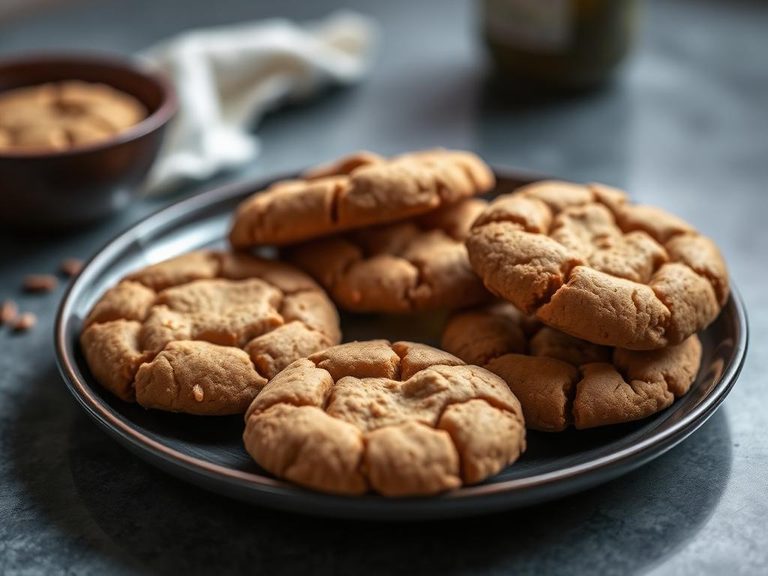
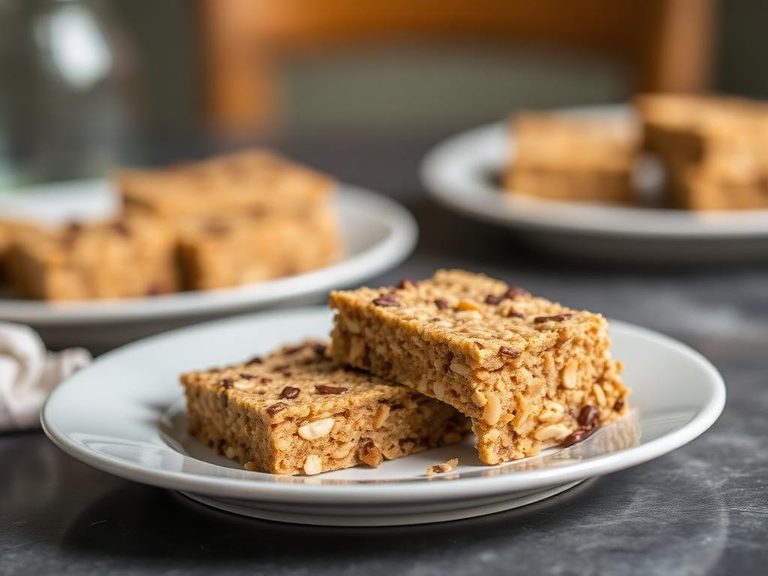
Sorghum-based cookies or muffins are baked goods that utilize the whole-grain flour of sorghum, an ancient cereal crop, as their primary ingredient. They often feature a blend of sorghum flour with other gluten-free flours, sweeteners like honey or molasses, and fats such as butter or oil. This dish has roots in various global cuisines, particularly in Africa and parts of Asia where sorghum is a staple, and has gained popularity in modern gluten-free baking.
🍽️ Nutrition at a glance
These baked goods are primarily a source of complex carbohydrates, providing sustained energy, and contain a moderate amount of dietary fiber. A typical muffin or two cookies offer a calorie count in the range of 200-300 kcal, with key nutrients including iron, magnesium, and B vitamins from the whole grain.
Nutrition breakdown
| Calories | 245 kcal |
| Protein | 4.5 g |
| Carbs | 38 g |
| Fat | 9 g |
| Fiber | 3.5 g |
| Sugar | 12 g |
| Sodium | 180 mg |
| Iron | 2.1 mg |
| Magnesium | 45 mg |
| Phosphorus | 95 mg |
| Potassium | 120 mg |
| Niacin (B3) | 1.8 mg |
| Thiamin (B1) | 0.2 mg |
| Folate | 35 mcg |
| Zinc | 0.8 mg |
Per 1 medium muffin (113 g) · estimated, varies by recipe
💡 What's interesting
Sorghum is a drought-resistant, gluten-free ancient grain that's a nutritional powerhouse, making these treats a culturally significant and adaptable option for diverse dietary needs. Its use connects modern baking to traditional agricultural practices in arid regions of Africa and Asia.