

Flour, amaranth
Whole food · Cereal Grains and Pasta

Photo: Wikipedia
Amaranth flour is a fine, tan-colored powder milled from the tiny seeds of the amaranth plant, offering a distinctively earthy, nutty flavor with a subtle peppery finish. Its texture is soft but can be slightly gritty, and it lacks gluten, making it a staple for gluten-free baking. Nutritionally, it's a powerhouse, packing over 13 grams of complete protein and over 7 grams of fiber per 100 grams.
Calorie split: 14% protein · 72% carbs · 15% fat
↓ Full nutrition💚 Why it's loved
People love amaranth flour for its robust, earthy flavor that adds depth to breads, tortillas, and pancakes, and for its ability to boost the nutritional profile of any dish. It's a cherished ingredient in traditional Latin American cuisines, where its use connects modern cooks to ancient culinary heritage.
⚠️ Watch-outs & how to enjoy it better
The strong, earthy flavor can be overpowering if used as a 1:1 substitute for wheat flour, and its lack of gluten can lead to crumbly textures. To counteract this, blend it with other gluten-free flours (like rice or tapioca) at a 25-50% ratio, and use binding agents like eggs, xanthan gum, or psyllium husk. Its high protein and fiber content may also cause digestive discomfort in some if introduced too quickly.
Key benefits
- Excellent source of complete plant protein, containing all essential amino acids.
- High in dietary fiber, supporting digestive health.
- Naturally gluten-free, suitable for celiac or gluten-sensitive diets.
- Rich in minerals like iron, magnesium, and phosphorus.
- Contains antioxidants like lunacin and peptides.
🍽️ Popular dishes
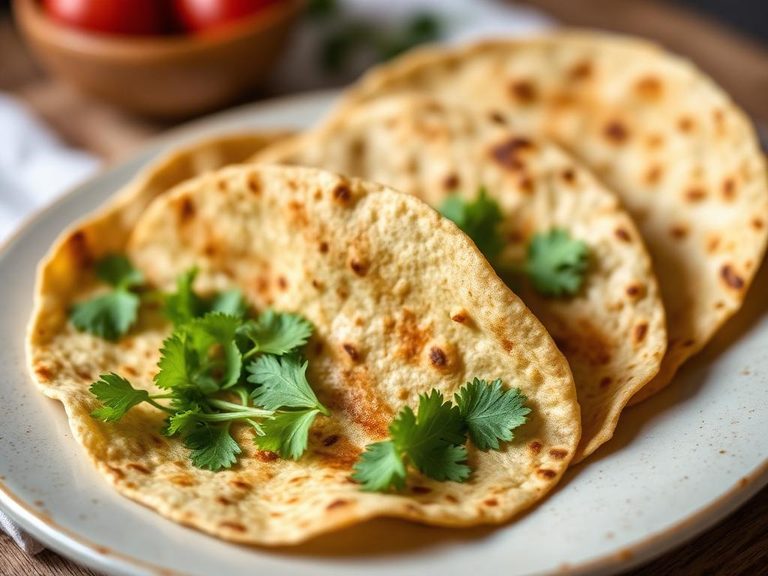
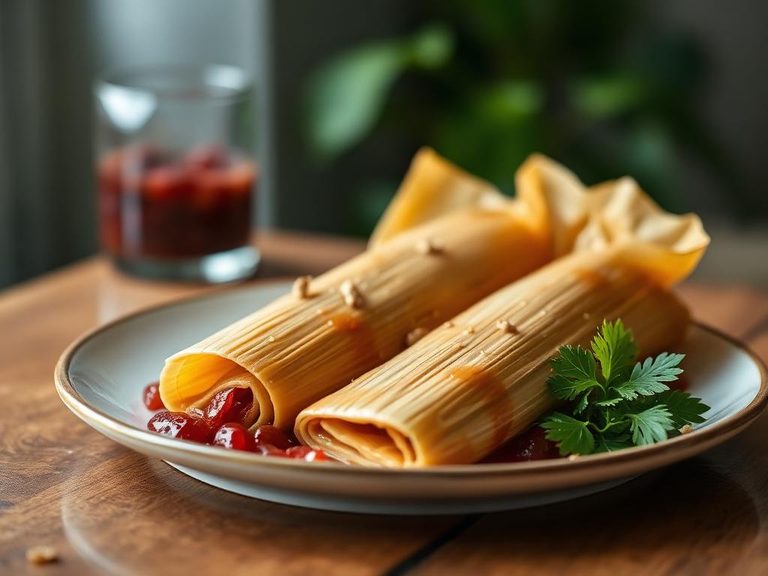

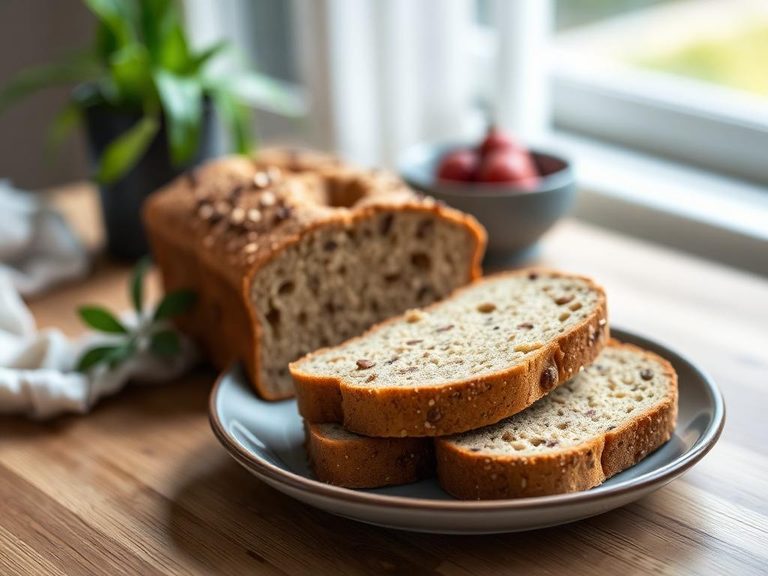
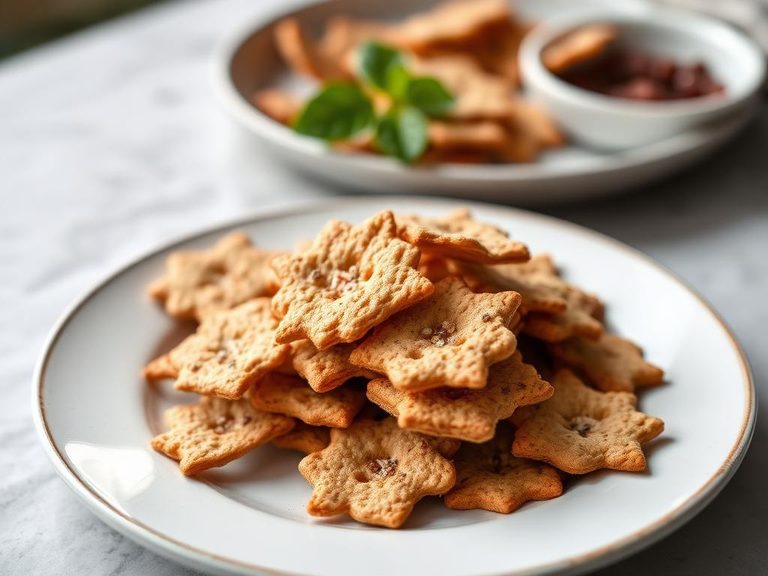
🌍 Where it's eaten
💡 Did you know?
Amaranth was a sacred crop to the Aztecs, who used it in ritual ceremonies and even molded it into deity figures, a practice that led to its temporary banning by Spanish colonizers.
Full nutrition (USDA data · scales with serving)
| Water | 9.5 g |
| Energy (Atwater General Factors) | 384 kcal |
| Energy (Atwater Specific Factors) | 378 kcal |
| Nitrogen | 2.3 g |
| Protein | 13.2 g |
| Total lipid (fat) | 6.2 g |
| Ash | 2.3 g |
| Carbohydrate, by difference | 68.8 g |
| Fiber, total dietary | 7.2 g |
| Total dietary fiber (AOAC 2011.25) | 9.0 g |
| High Molecular Weight Dietary Fiber (HMWDF) | 7.9 g |
| Low Molecular Weight Dietary Fiber (LMWDF) | 1.1 g |
| Beta-glucan | 0.00 g |
| Starch | 55.7 g |
| Calcium, Ca | 135 mg |
| Iron, Fe | 7.6 mg |
| Magnesium, Mg | 233 mg |
| Phosphorus, P | 425 mg |
| Potassium, K | 396 mg |
| Sodium, Na | 0.00 mg |
| Zinc, Zn | 3.0 mg |
| Copper, Cu | 0.52 mg |
| Manganese, Mn | 2.3 mg |
| Selenium, Se | 21.1 ug |
| Molybdenum, Mo | 35.1 ug |
| Thiamin | 0.06 mg |
| Riboflavin | 0.17 mg |
| Niacin | 0.75 mg |
| Vitamin B-6 | 0.39 mg |
| Biotin | 25.4 ug |
Fat & fatty acid profile (per 100g)
Estimated from Pasta, gluten-free, corn flour and quinoa flour, cooked, ANCIENT HARVEST — USDA does not publish this profile for Flour.
| Fatty acids, total saturated | 0.15 g |
| SFA 4:0 | 0.00 g |
| SFA 6:0 | 0.00 g |
| SFA 8:0 | 0.00 g |
| SFA 10:0 | 0.00 g |
| SFA 12:0 | 0.00 g |
| SFA 14:0 | 0.01 g |
| SFA 15:0 | 0.00 g |
| SFA 16:0 | 0.09 g |
| SFA 17:0 | 0.00 g |
| SFA 18:0 | 0.04 g |
| SFA 20:0 | 0.01 g |
| SFA 22:0 | 0.00 g |
| SFA 24:0 | 0.00 g |
| Fatty acids, total monounsaturated | 0.66 g |
| MUFA 14:1 | 0.00 g |
| MUFA 15:1 | 0.17 g |
| MUFA 16:1 | 0.00 g |
| MUFA 16:1 c | 0.00 g |
| MUFA 17:1 | 0.00 g |
| MUFA 18:1 | 0.48 g |
| MUFA 18:1 c | 0.47 g |
| MUFA 20:1 | 0.01 g |
| MUFA 22:1 | 0.00 g |
| MUFA 22:1 c | 0.00 g |
| MUFA 24:1 c | 0.00 g |
| Fatty acids, total polyunsaturated | 0.95 g |
| PUFA 18:2 | 0.91 g |
| PUFA 18:2 n-6 c,c | 0.91 g |
| PUFA 18:2 CLAs | 0.00 g |
| PUFA 18:3 | 0.03 g |
| PUFA 18:3 n-3 c,c,c (ALA) | 0.03 g |
| PUFA 18:3 n-6 c,c,c | 0.00 g |
| PUFA 18:3i | 0.00 g |
| PUFA 18:4 | 0.00 g |
| PUFA 20:2 n-6 c,c | 0.00 g |
| PUFA 20:3 | 0.00 g |
| PUFA 20:3 n-3 | 0.00 g |
| PUFA 20:3 n-6 | 0.00 g |
| PUFA 20:4 | 0.00 g |
| PUFA 20:5 n-3 (EPA) | 0.00 g |
| PUFA 22:4 | 0.00 g |
| PUFA 22:5 n-3 (DPA) | 0.00 g |
| PUFA 22:6 n-3 (DHA) | 0.00 g |
| Fatty acids, total trans | 0.01 g |
| Fatty acids, total trans-monoenoic | 0.00 g |
| TFA 16:1 t | 0.00 g |
| TFA 18:1 t | 0.00 g |
| TFA 22:1 t | 0.00 g |
| TFA 18:2 t not further defined | 0.00 g |
| Fatty acids, total trans-polyenoic | 0.00 g |
| Cholesterol | 0.00 mg |
Amino acid profile (per 100g)
Estimated from Pasta, gluten-free, corn flour and quinoa flour, cooked, ANCIENT HARVEST — USDA does not publish this profile for Flour.
| Tryptophan | 0.02 g |
| Threonine | 0.10 g |
| Isoleucine | 0.09 g |
| Leucine | 0.35 g |
| Lysine | 0.16 g |
| Methionine | 0.06 g |
| Cystine | 0.07 g |
| Phenylalanine | 0.15 g |
| Tyrosine | 0.12 g |
| Valine | 0.11 g |
| Arginine | 0.18 g |
| Histidine | 0.09 g |
| Alanine | 0.21 g |
| Aspartic acid | 0.19 g |
| Glutamic acid | 0.46 g |
| Glycine | 0.12 g |
| Proline | 0.29 g |
| Serine | 0.15 g |
| Hydroxyproline | 0.00 g |
FAQ
Can I use amaranth flour for all my baking?
It's best used as part of a flour blend (25-50% amaranth flour mixed with other GF flours) because its strong flavor and lack of gluten can alter texture and taste if used alone.
Is amaranth flour high in calories?
At 384 kcal per 100g, it's comparable to other whole-grain flours, but its high protein and fiber content makes it more satiating.
How should I store amaranth flour?
Due to its high oil content, store it in an airtight container in the refrigerator or freezer to prevent rancidity and extend freshness.
Nutrient density (calculated · NRF9.3)
Nutrient Rich Foods index: beneficial nutrients (protein, fiber, vitamins, minerals) minus saturated fat, added sugar & sodium, per 100 kcal.
NRF9.3 index — Fulgoni, Keast & Drewnowski, 2009. Computed from USDA nutrients.
Weight-loss friendliness (composite index)
Energy density 3.84 kcal/g · 14% calories from protein · 7.2 g fiber · 0.0 g sugar per 100 g.
Composite of energy density (Rolls et al., 1999), protein & fiber satiety, minus sugar. A calculated heuristic — ranks satiety-per-calorie, not a clinical measure.
Dietary load (calculated from USDA values)
Potential renal acid load. Positive = acid-forming, negative = alkaline-forming.
Sodium-to-potassium ratio: 0.00 (lower is better — aim for ≤ 1)
Sodium:potassium per WHO potassium guidance. Computed from USDA nutrients.