

Amaranth crackers
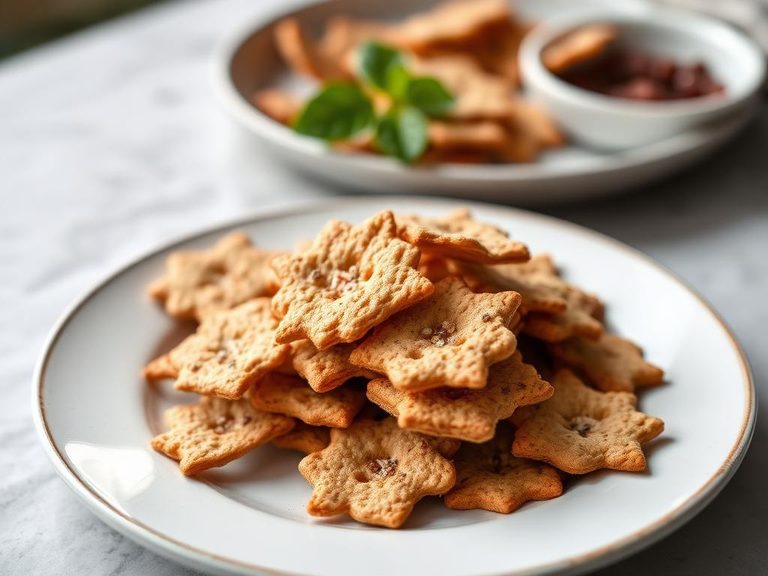
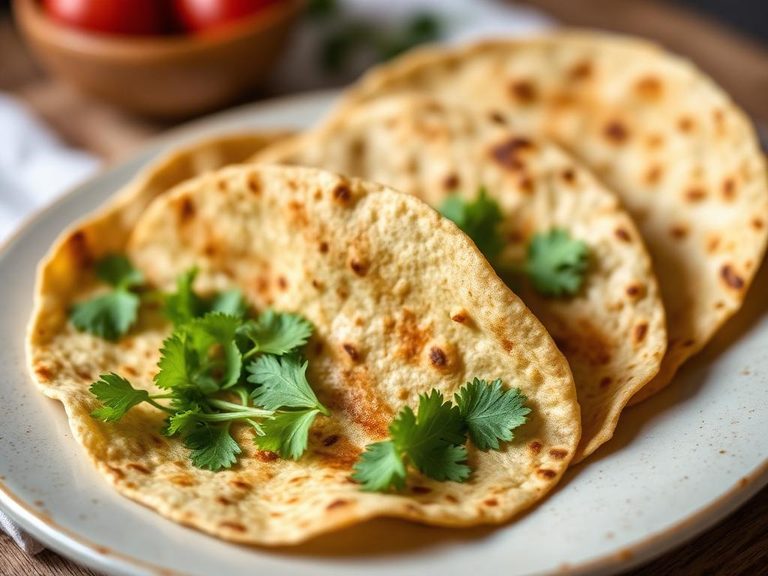
Amaranth crackers are a crunchy, savory snack made primarily from amaranth flour or seeds, often combined with whole wheat or other flours, oil, and seasonings. They originate from modern health-food and gluten-free culinary traditions, though amaranth itself is an ancient grain with roots in Mesoamerican cuisine. These crackers are valued for their nutty flavor and crisp texture.
🍽️ Nutrition at a glance
Amaranth crackers are generally a moderate source of carbohydrates and provide a good amount of plant-based protein and dietary fiber. A typical serving offers a balanced mix of nutrients, including iron and magnesium, with a calorie count roughly in the 120-150 kcal range per ounce (about 28g).
Nutrition breakdown
| Calories | 130 kcal |
| Protein | 4 g |
| Carbs | 18 g |
| Fat | 5 g |
| Fiber | 3 g |
| Sugar | 0 g |
| Sodium | 200 mg |
| Iron | 2 mg |
| Magnesium | 50 mg |
| Phosphorus | 100 mg |
| Manganese | 0.5 mg |
| Copper | 0.2 mg |
| Selenium | 4 mcg |
| Vitamin B6 | 0.1 mg |
| Folate | 30 mcg |
Per 1 ounce (28 g), about 6-8 crackers · estimated, varies by recipe
💡 What's interesting
Amaranth is technically a pseudocereal, not a true grain, and was a staple food for the Aztecs. Nutritionally, it stands out for being a complete protein, containing all nine essential amino acids, which is rare for plant-based foods.
🍽️ Related dishes
AI estimate may be inaccurate · Terms