

Porridge
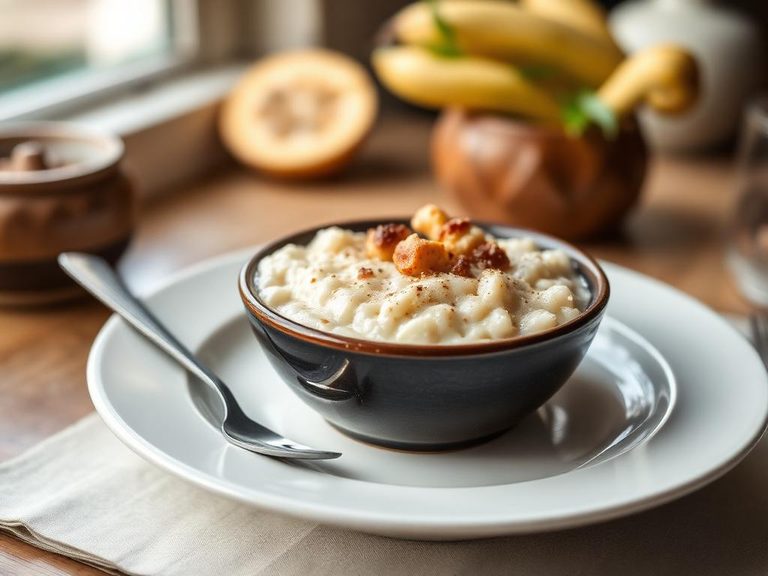
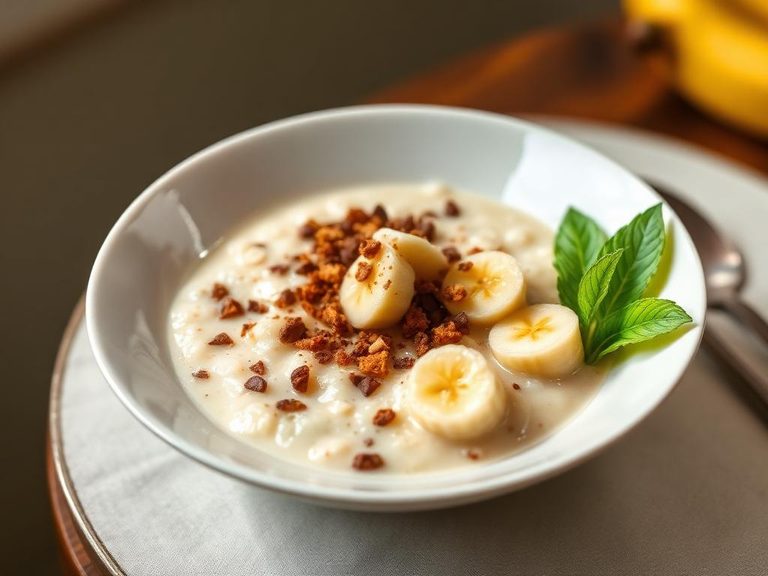
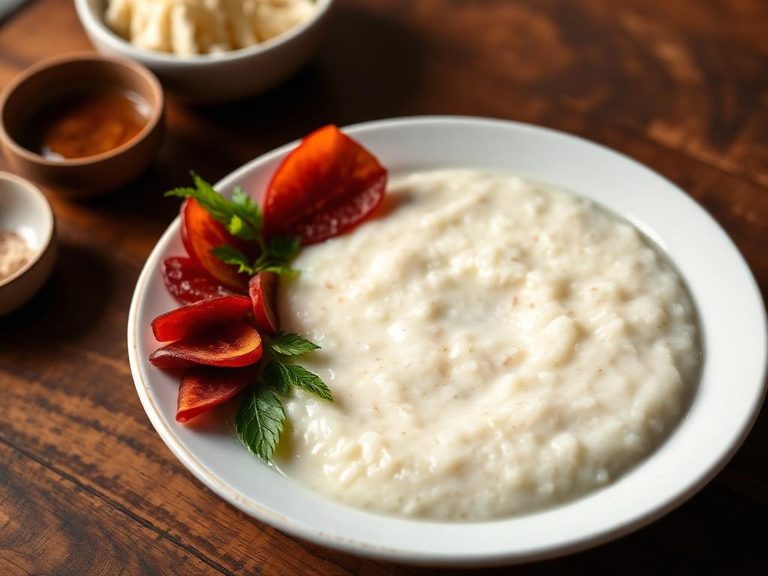
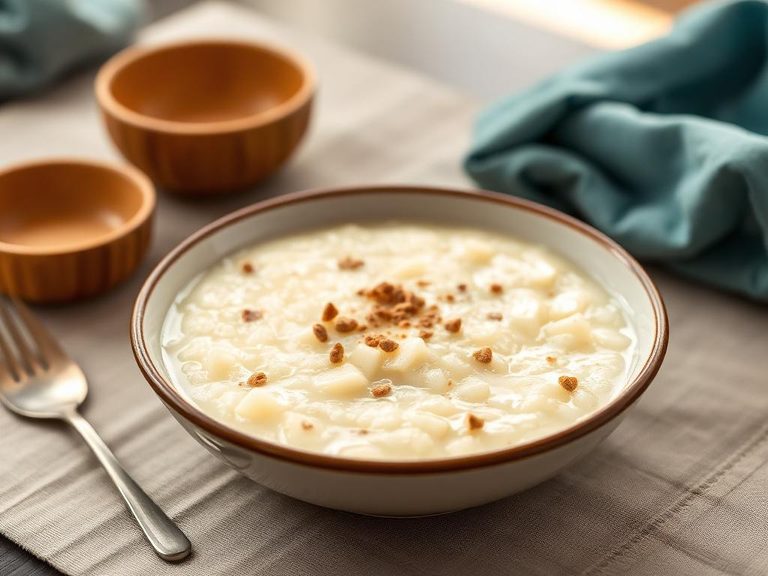
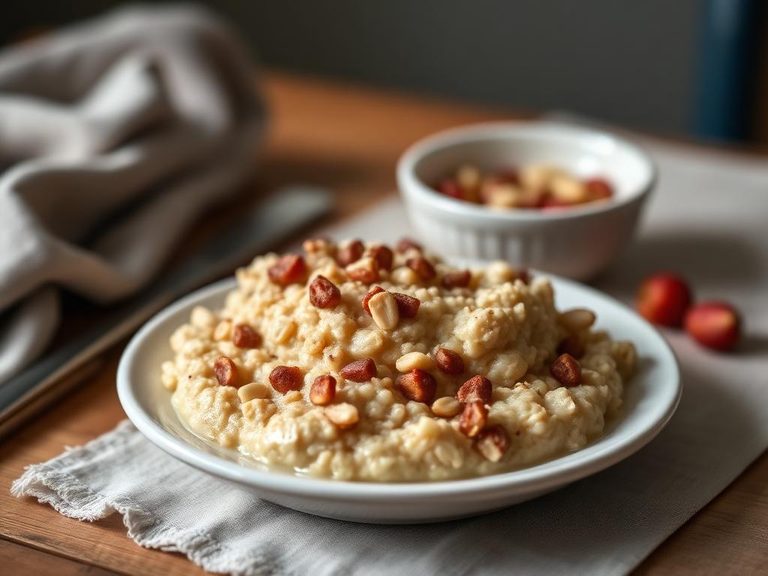
Porridge is a warm, comforting breakfast dish made by boiling grains, typically oats, in water or milk until they reach a creamy consistency. It is a staple breakfast in many cultures, particularly in Scotland and the UK, but variations exist worldwide using rice, corn, or other grains. Often served with toppings like honey, fruit, or nuts, it is a versatile and hearty way to start the day.
🍳 View the full Porridge recipe →
🍽️ Nutrition at a glance
Porridge is primarily a carbohydrate-rich dish, providing sustained energy through complex carbs and dietary fiber. It also offers essential nutrients like iron, magnesium, and B vitamins, with a typical serving containing around 150-300 calories depending on the preparation and toppings.
Nutrition breakdown
| Calories | 150 kcal |
| Protein | 3.5 g |
| Carbs | 28 g |
| Fat | 2.5 g |
| Fiber | 2 g |
| Sugar | 1 g |
| Sodium | 200 mg |
| Potassium | 150 mg |
| Magnesium | 40 mg |
| Phosphorus | 100 mg |
| Iron | 1.5 mg |
| Zinc | 0.8 mg |
| Thiamin (B1) | 0.2 mg |
| Niacin (B3) | 1.5 mg |
| Folate | 30 mcg |
Per 1 cup (240 g) · estimated, varies by recipe
💡 What's interesting
Porridge has a long history as a humble yet nourishing food, often associated with traditional Scottish culture and even celebrated in folklore. Nutritionally, its high fiber content makes it excellent for digestive health, and its ability to be customized with various toppings ensures it remains a beloved and adaptable breakfast choice.
🍽️ Related dishes

AI estimate may be inaccurate · Terms