Classic baby porridge
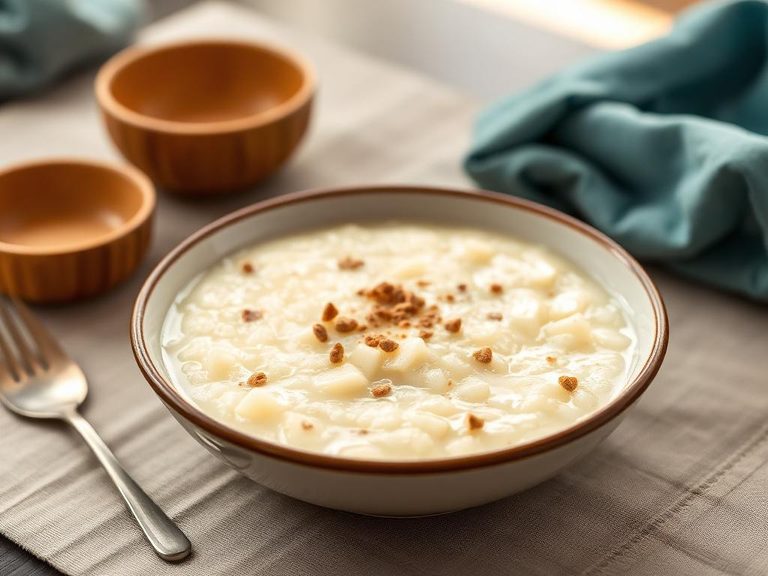
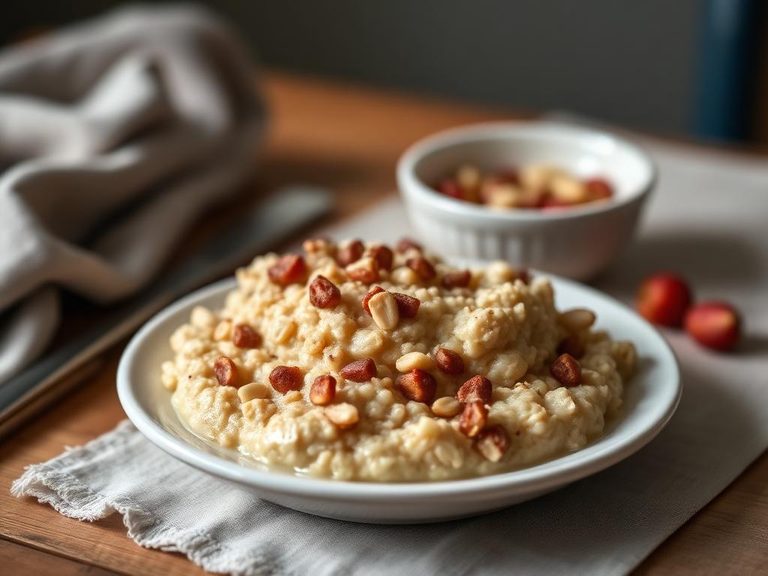
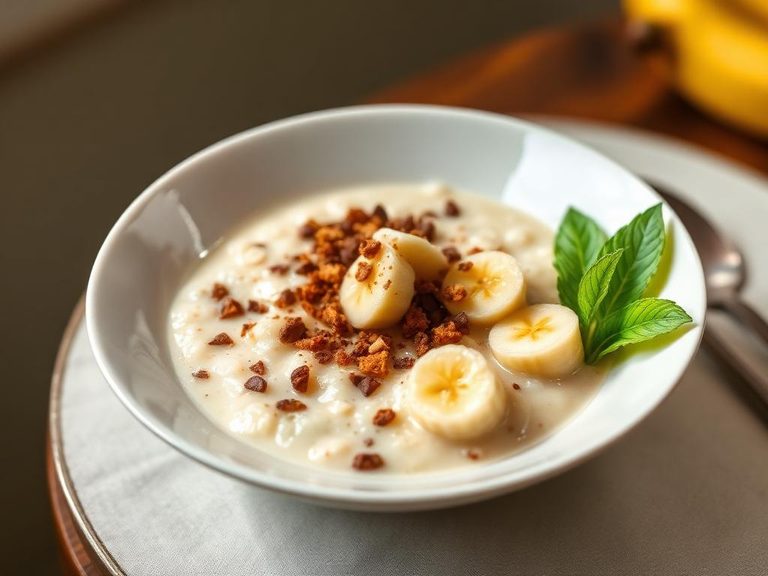
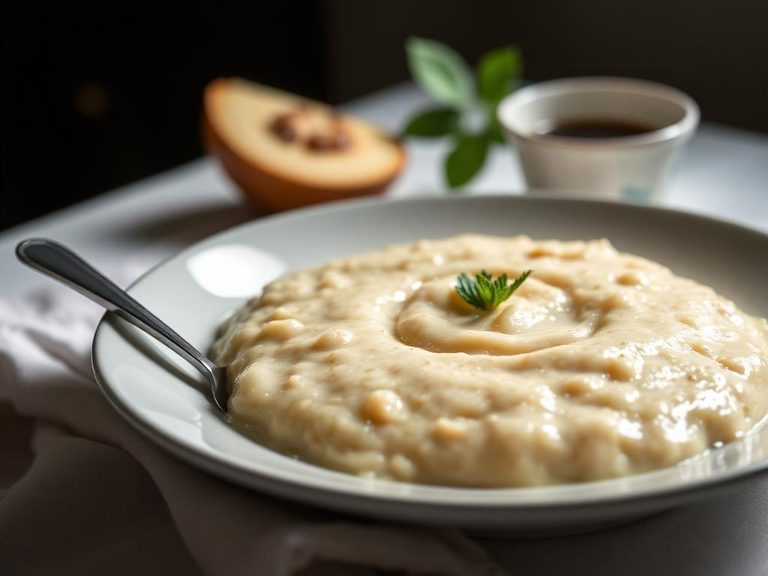
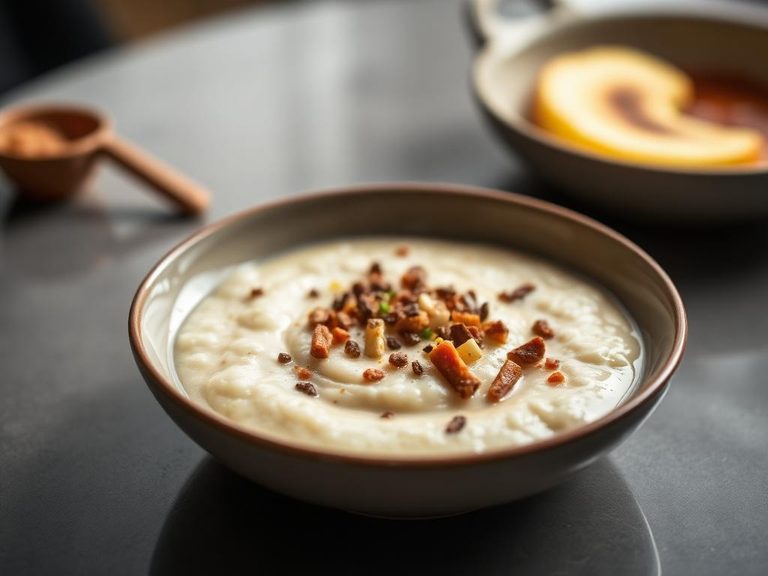
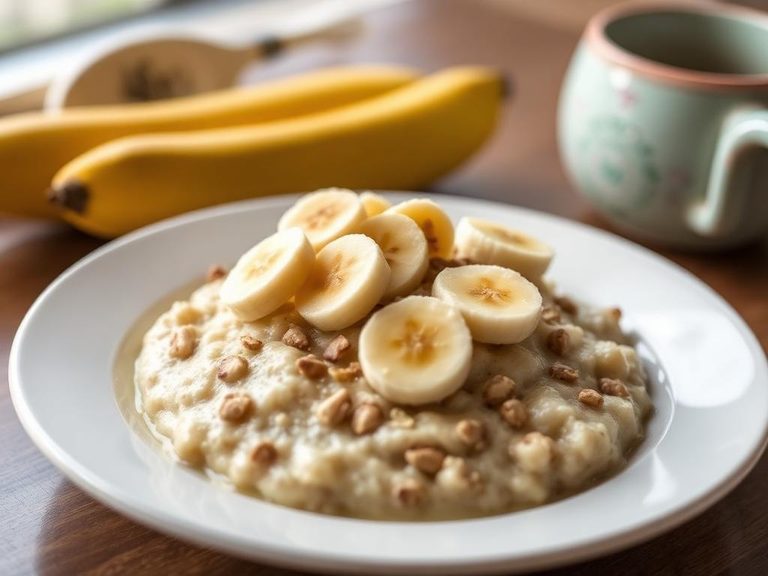
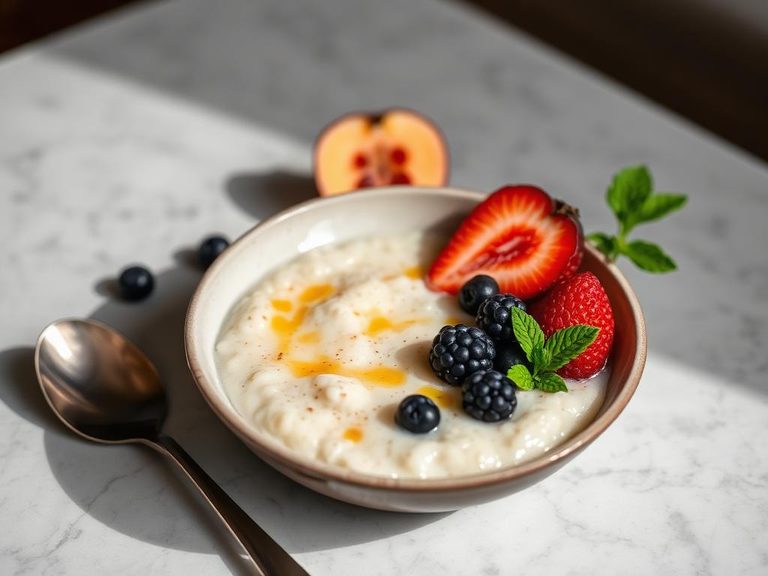
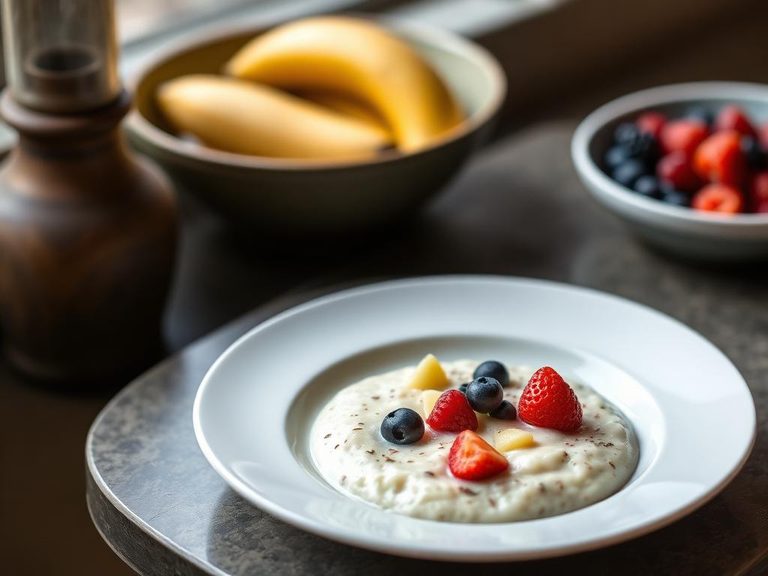
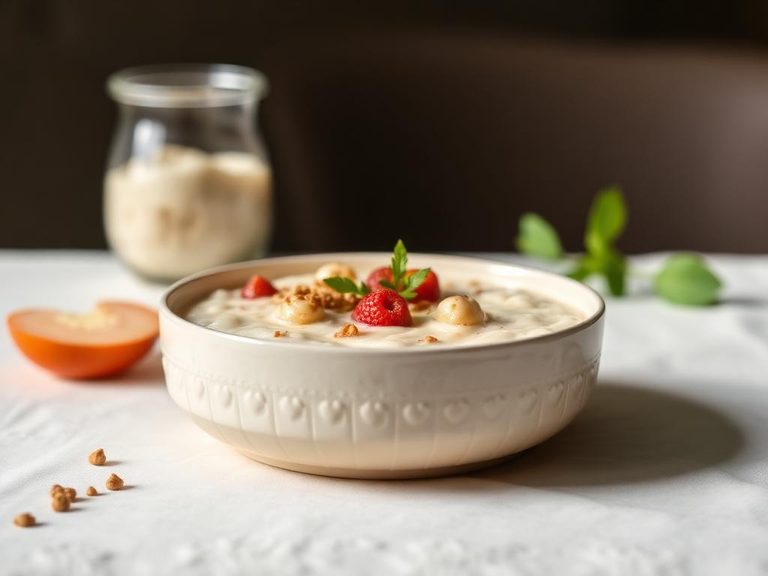
Classic baby porridge is a smooth, easily digestible first food for infants, typically made from rice or millet cooked with water or broth until soft and creamy. It originates from various culinary traditions across Asia, particularly in China, where it's a staple in early childhood nutrition. The dish often includes mild, natural ingredients to support a baby's developing digestive system.
🍽️ Nutrition at a glance
This porridge is primarily high in carbohydrates for energy, with minimal fat and protein, making it gentle on young stomachs. Key nutrients include iron (if fortified) and B vitamins, providing roughly 100-150 calories per small serving, ideal for a baby's needs.
Nutrition breakdown
| Calories | 120 kcal |
| Protein | 3 g |
| Carbs | 22 g |
| Fat | 2 g |
| Fiber | 2.5 g |
| Sugar | 1 g |
| Sodium | 15 mg |
| Iron | 2.5 mg |
| Calcium | 100 mg |
| Potassium | 100 mg |
| Magnesium | 30 mg |
| Phosphorus | 80 mg |
| Zinc | 1.0 mg |
| Thiamin (B1) | 0.3 mg |
| Niacin (B3) | 2.0 mg |
Per 1 cup (240 g) · estimated, varies by recipe
💡 What's interesting
Culturally, baby porridge reflects the importance of gradual food introduction in many Asian families, symbolizing care and growth. Nutritionally, its simplicity allows for easy customization with pureed vegetables or fruits, adapting to a baby's tolerance while promoting healthy eating habits early on.