Simple baby porridge
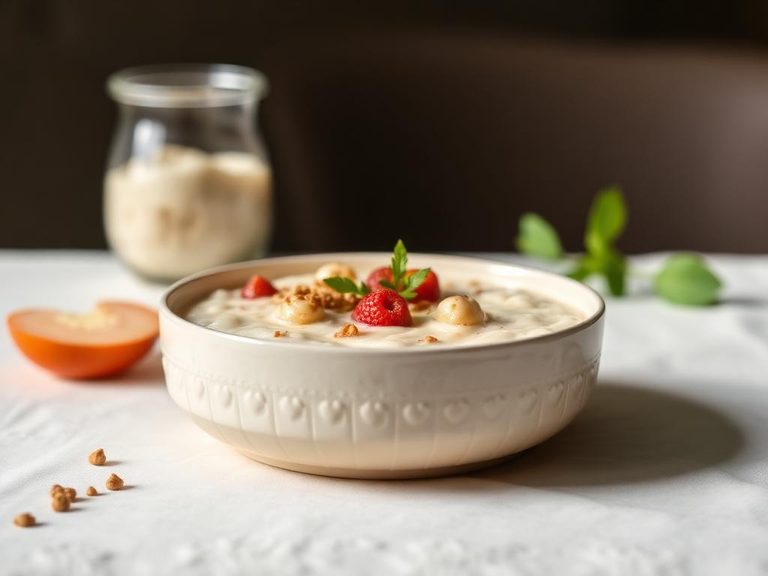
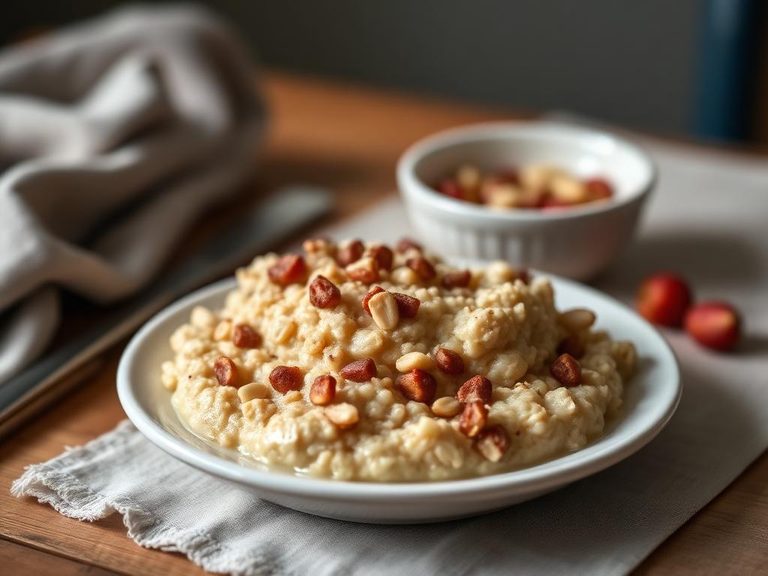
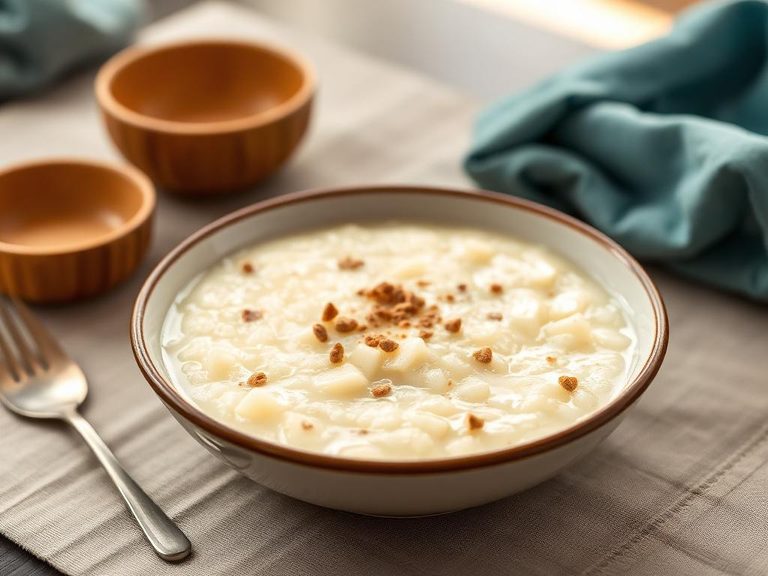
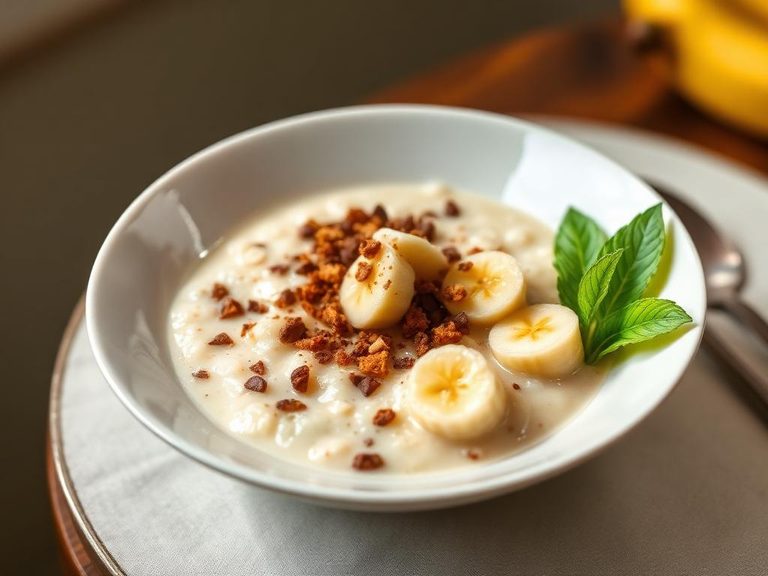
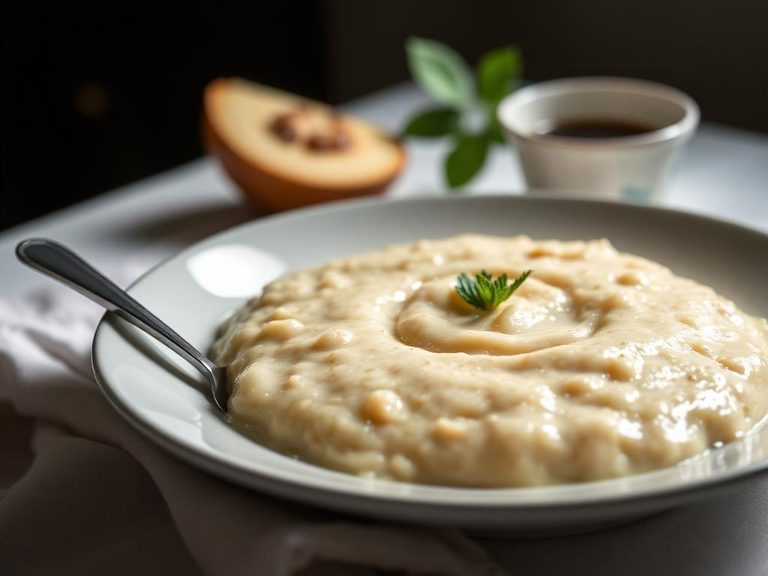
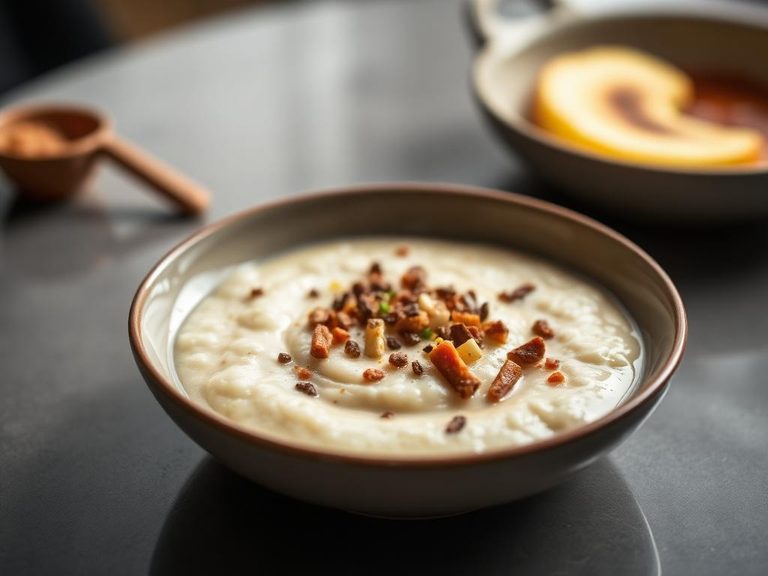
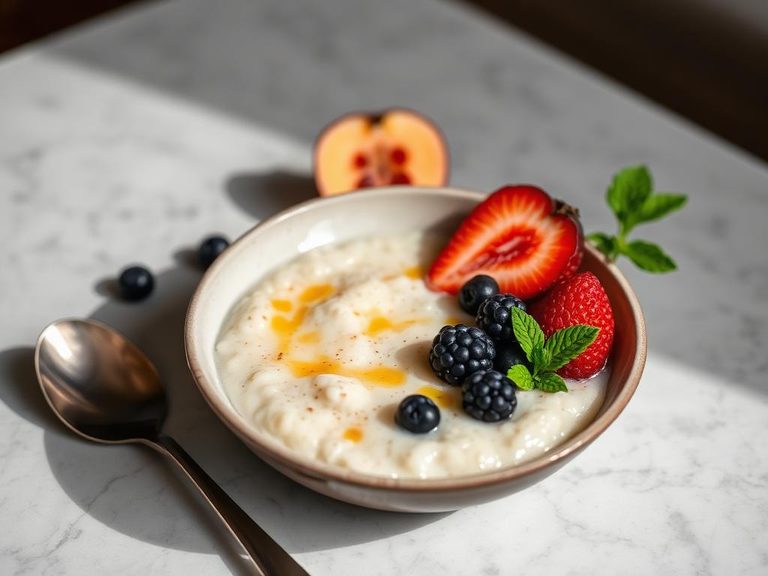
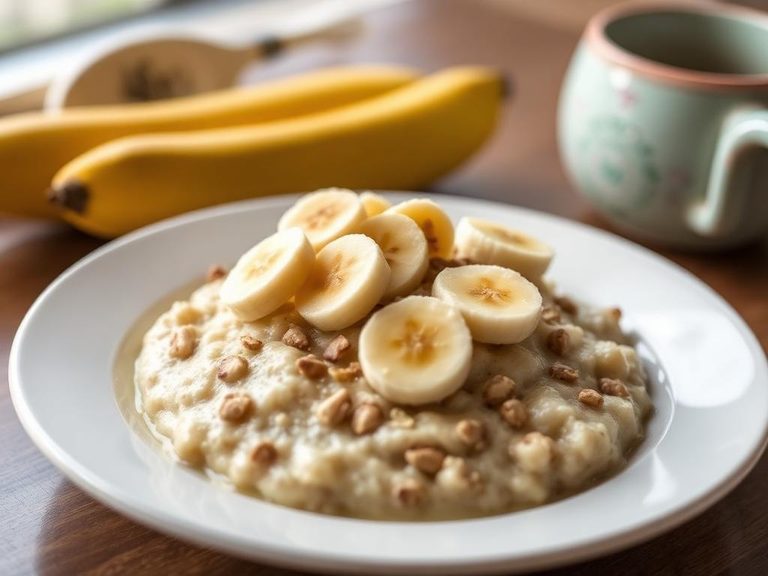
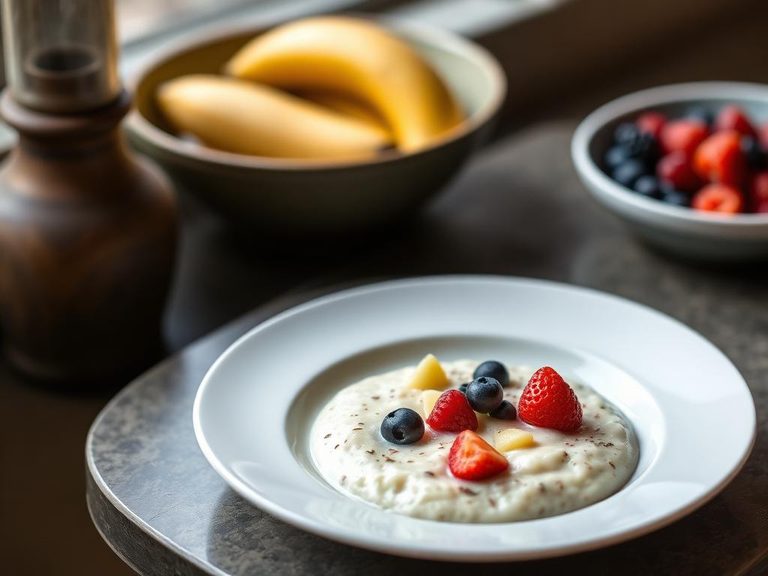
Simple baby porridge is a smooth, easily digestible first food for infants, typically made from a single grain like rice or millet cooked with water or milk until it reaches a thin, creamy consistency. It is a foundational dish in many cultures worldwide, from Asian rice congee to European oat-based porridges, designed to be gentle on a baby's developing digestive system.
🍽️ Nutrition at a glance
This dish is primarily a source of easily digestible carbohydrates for energy, with minimal fat and protein unless enriched. It provides essential nutrients like iron (often fortified), B vitamins, and minerals such as magnesium and selenium, with a typical serving containing around 100-150 calories.
Nutrition breakdown
| Calories | 120 kcal |
| Protein | 3 g |
| Carbs | 22 g |
| Fat | 1.5 g |
| Fiber | 1 g |
| Sugar | 0 g |
| Sodium | 5 mg |
| Iron | 4 mg |
| Calcium | 100 mg |
| Potassium | 80 mg |
| Magnesium | 25 mg |
| Phosphorus | 70 mg |
| Thiamin (B1) | 0.3 mg |
| Niacin (B3) | 2 mg |
| Folate | 30 mcg |
Per 1 cup (240 g) · estimated, varies by recipe
💡 What's interesting
Culturally, introducing porridge is often a significant milestone in a baby's first year, symbolizing the transition to solid foods. Nutritionally, its bland, smooth texture is intentionally designed to be non-threatening, allowing babies to acclimate to new tastes and textures without overwhelming their senses.