Basic Baby Porridge
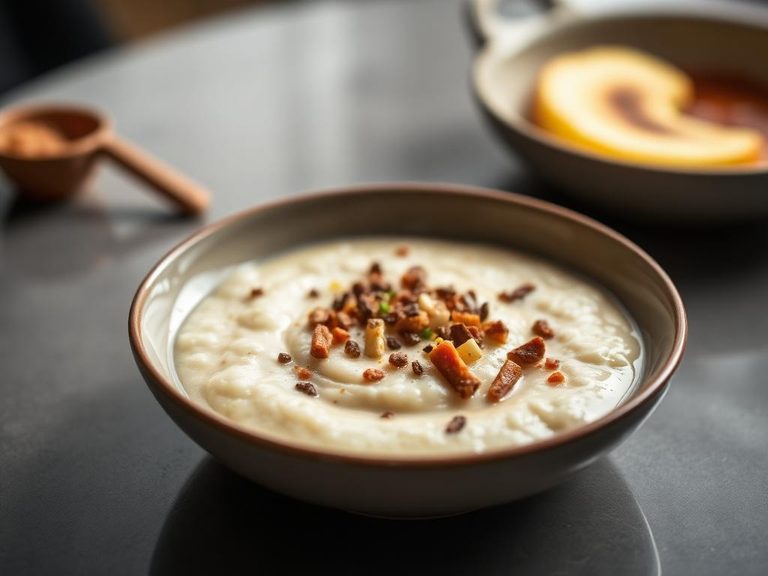
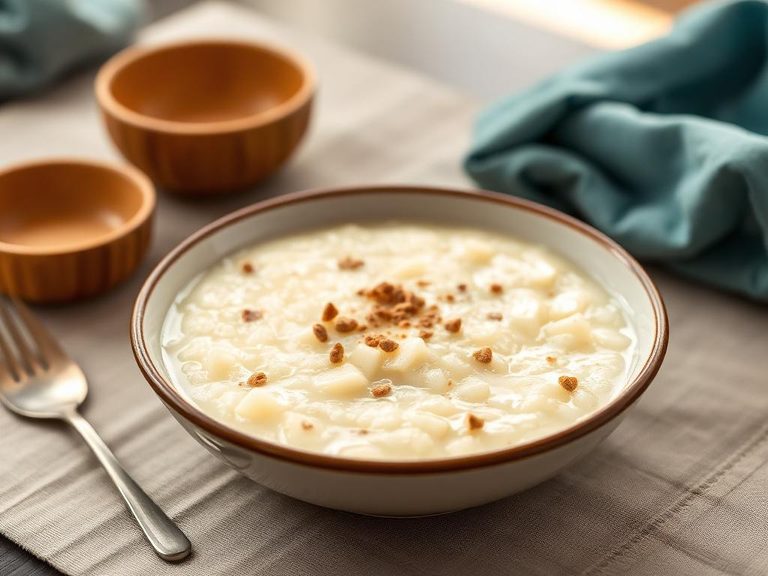
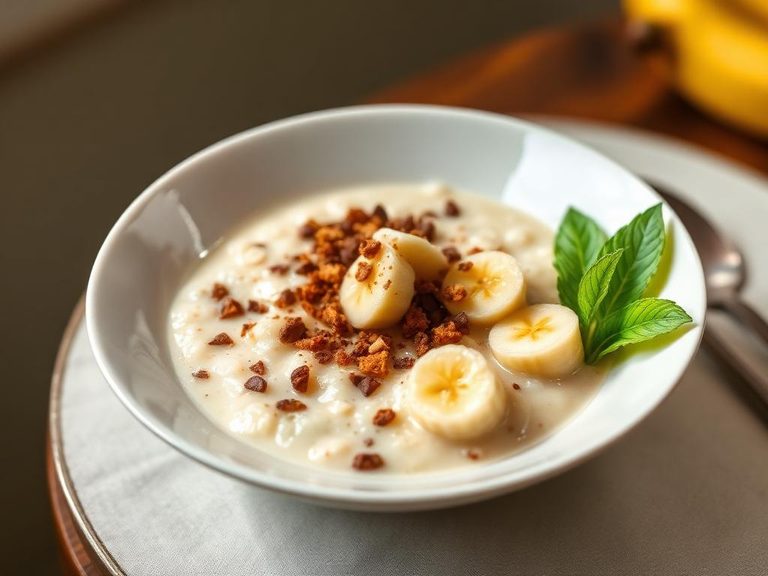
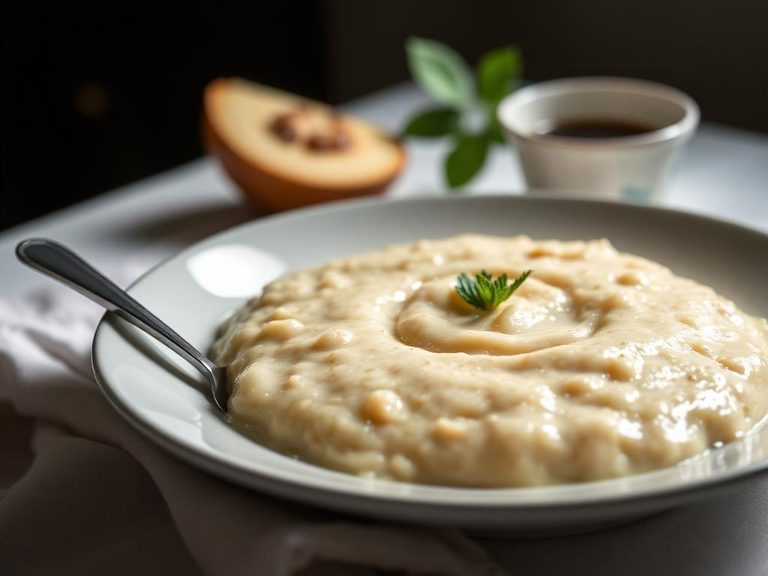
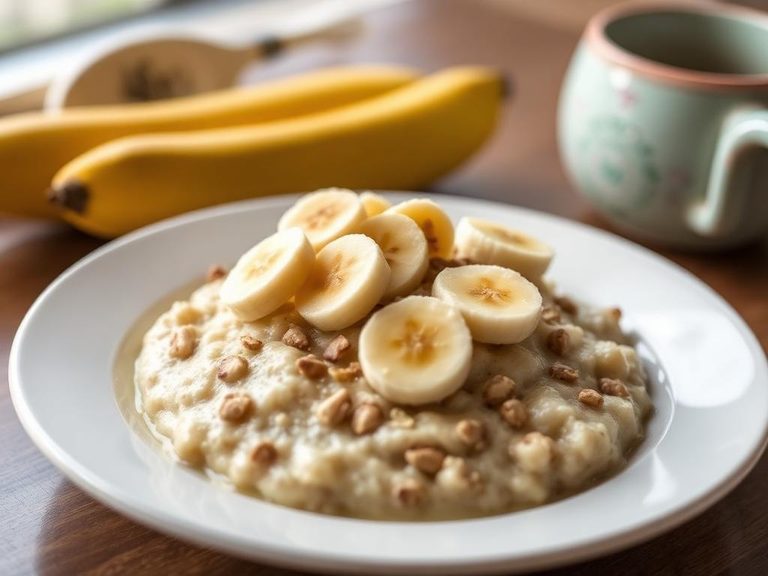
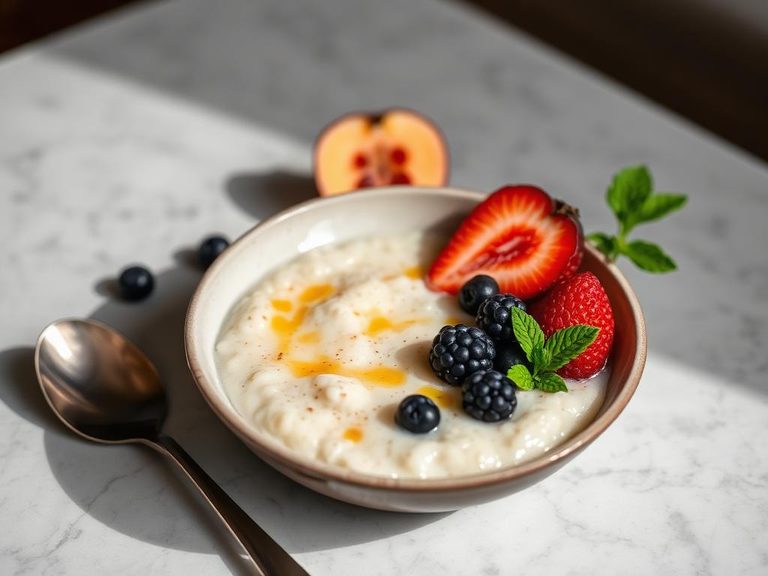
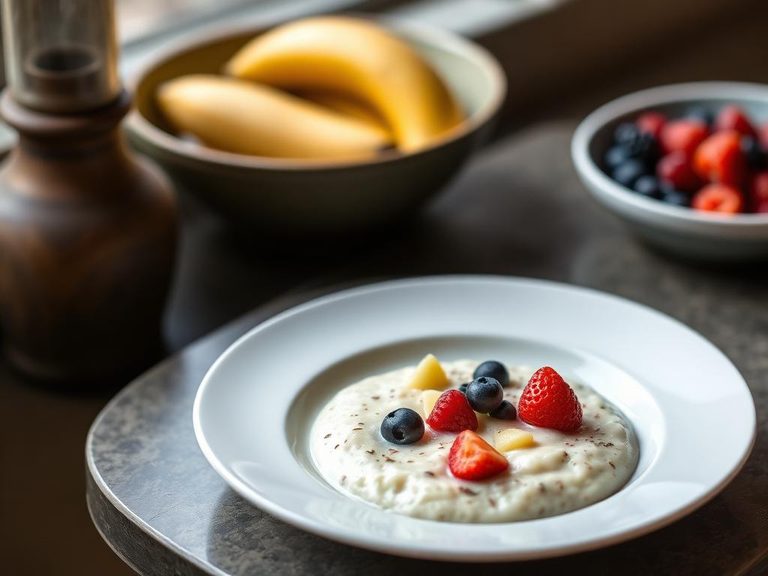
Basic Baby Porridge is a simple, smooth, and easily digestible first food for infants, typically made by cooking finely ground grains like rice, oats, or barley with water, breast milk, or formula. It is a foundational dish in many cultures worldwide, serving as a gentle introduction to solid foods and a primary source of energy for growing babies.
🍽️ Nutrition at a glance
This dish is primarily a source of complex carbohydrates for sustained energy, with a modest amount of protein and minimal fat. It provides key nutrients like iron (if fortified), B vitamins, and fiber, and a typical serving contains roughly 80-120 calories.
Nutrition breakdown
| Calories | 120 kcal |
| Protein | 3 g |
| Carbs | 22 g |
| Fat | 2.5 g |
| Fiber | 2 g |
| Sugar | 1 g |
| Sodium | 10 mg |
| Iron | 4.5 mg |
| Calcium | 150 mg |
| Potassium | 100 mg |
| Phosphorus | 80 mg |
| Magnesium | 20 mg |
| Zinc | 1.5 mg |
| Niacin (B3) | 3.0 mg |
| Thiamin (B1) | 0.2 mg |
Per 1 cup (240 g) · estimated, varies by recipe
💡 What's interesting
Culturally, the choice of grain for baby porridge often reflects local agricultural staples, from rice in Asia to oats in Europe. Nutritionally, its bland, neutral taste and smooth texture are intentionally designed to be non-threatening to a baby's developing palate and digestive system, making it an ideal blank canvas for introducing new flavors.