Basic Scrambled Eggs
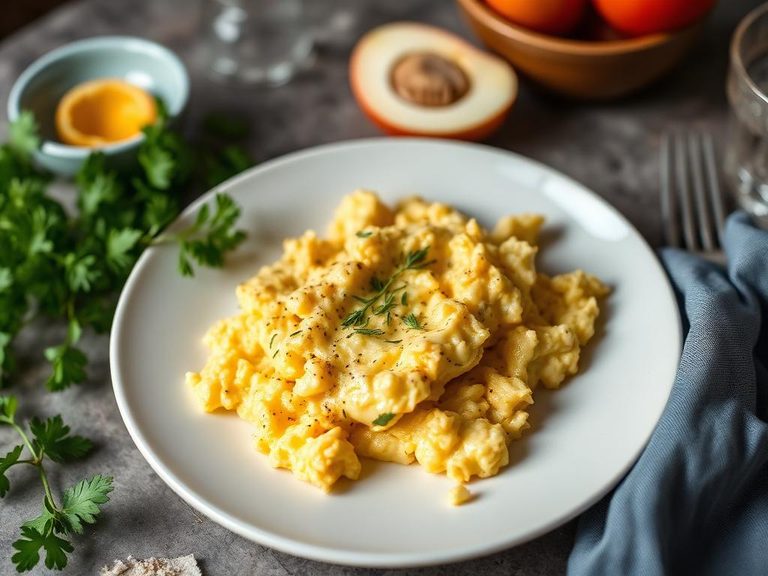
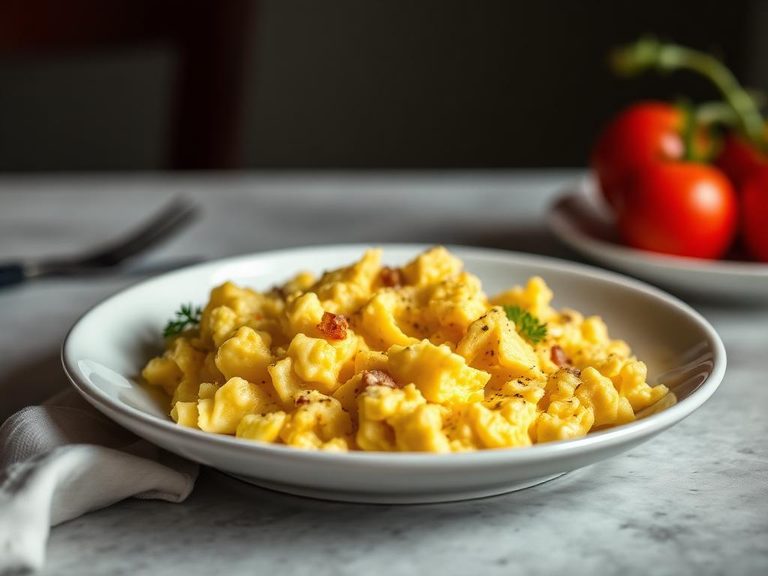
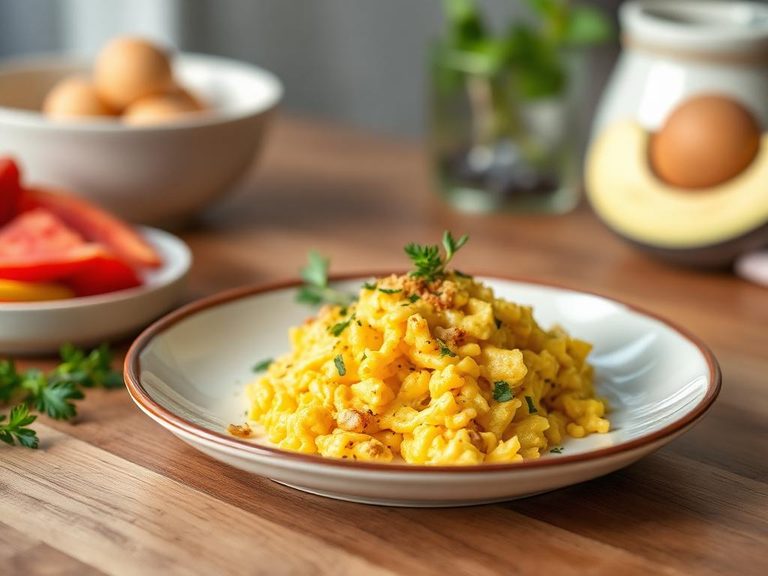
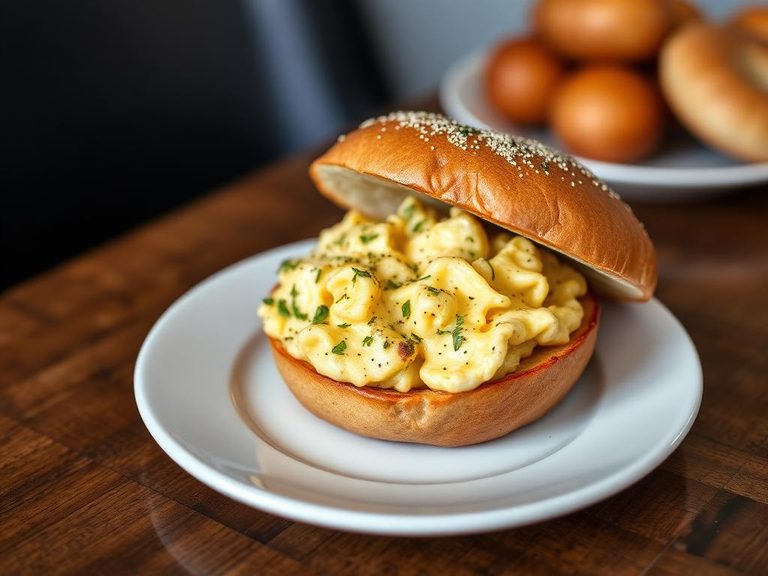
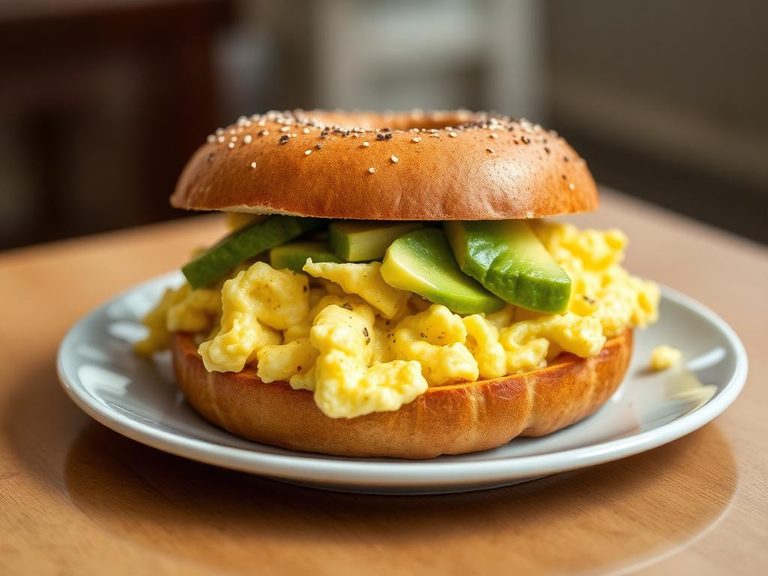
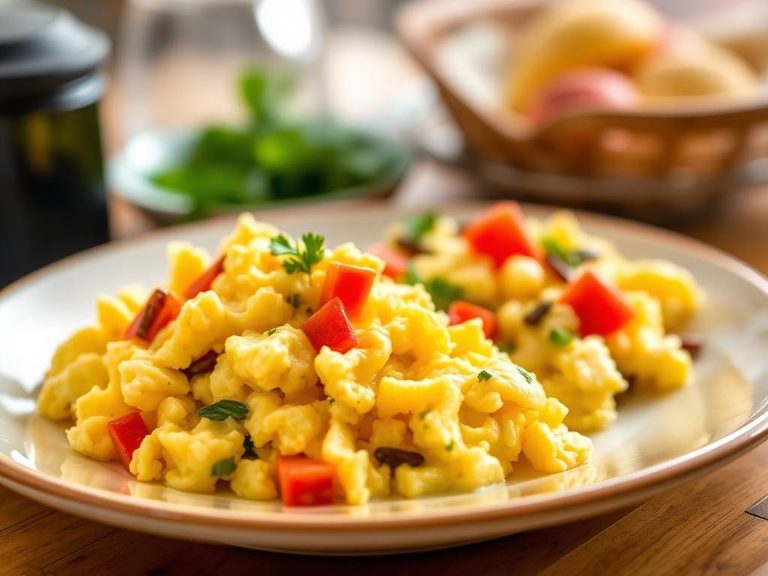
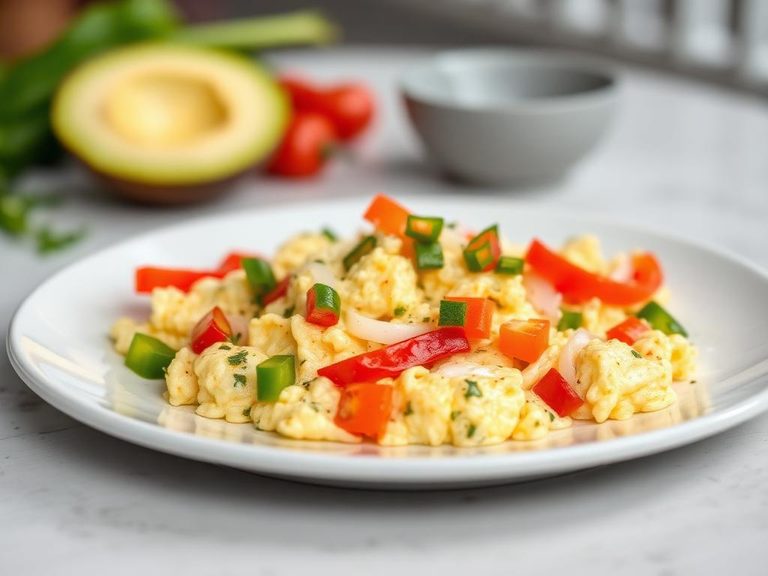
Basic scrambled eggs are a simple, classic dish made by beating eggs and cooking them gently in a pan until soft curds form, often with a splash of milk or cream and a pinch of salt and pepper. While eggs are a global staple, this particular method of scrambling is especially popular in American and European breakfasts, though variations exist worldwide.
🍽️ Nutrition at a glance
Scrambled eggs are high in protein and healthy fats, with minimal carbohydrates, making them a filling, low-carb option. A typical two-egg serving provides around 140-180 calories, along with key nutrients like vitamin B12, vitamin D, and choline.
Nutrition breakdown
| Calories | 143 kcal |
| Protein | 12.6 g |
| Carbs | 0.7 g |
| Fat | 9.5 g |
| Fiber | 0 g |
| Sugar | 0.4 g |
| Sodium | 142 mg |
| Vitamin A | 270 µg |
| Vitamin D | 2.2 µg |
| Vitamin B12 | 0.9 µg |
| Riboflavin (B2) | 0.5 mg |
| Choline | 294 mg |
| Selenium | 30.7 µg |
| Phosphorus | 198 mg |
| Iron | 1.8 mg |
Per 2 large eggs (100 g) · estimated, varies by recipe
💡 What's interesting
Nutritionally, eggs are often called a 'complete protein' because they contain all nine essential amino acids our bodies need. Culturally, the simplicity of scrambled eggs makes them a universal comfort food, adaptable to local tastes—from adding herbs in France to serving with rice in Japan.