Fried Eggs or Scrambled Eggs
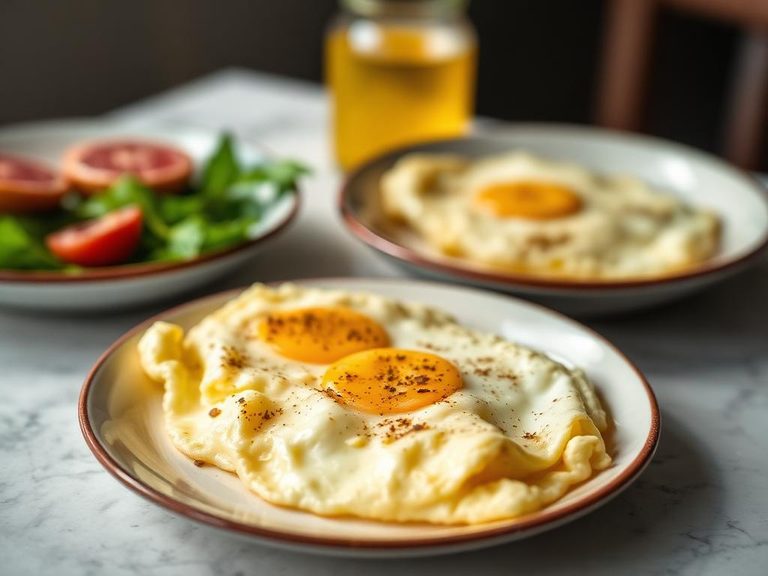
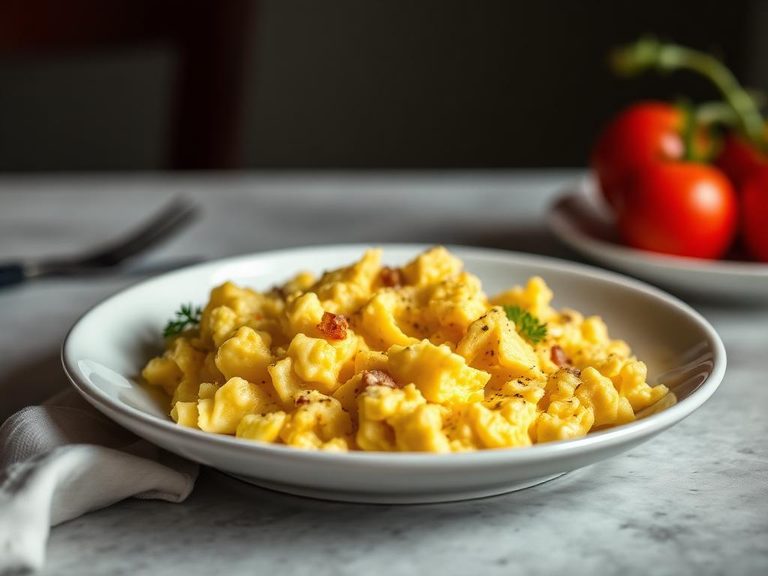
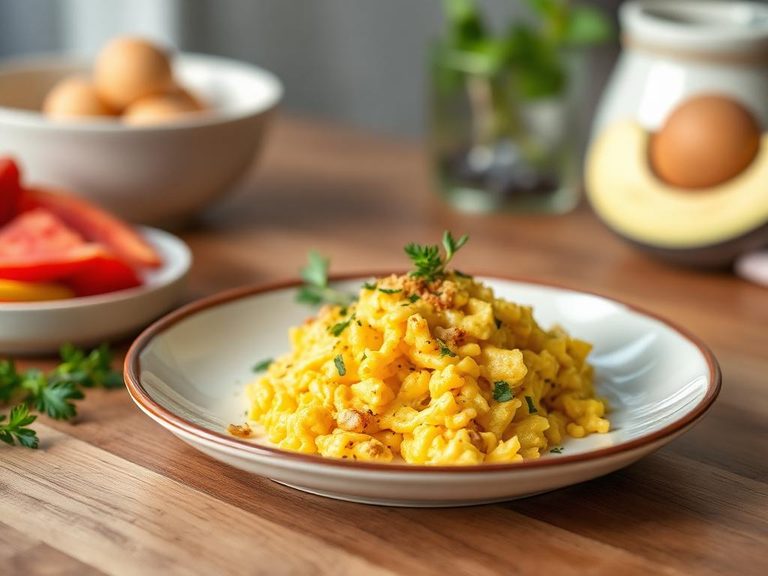
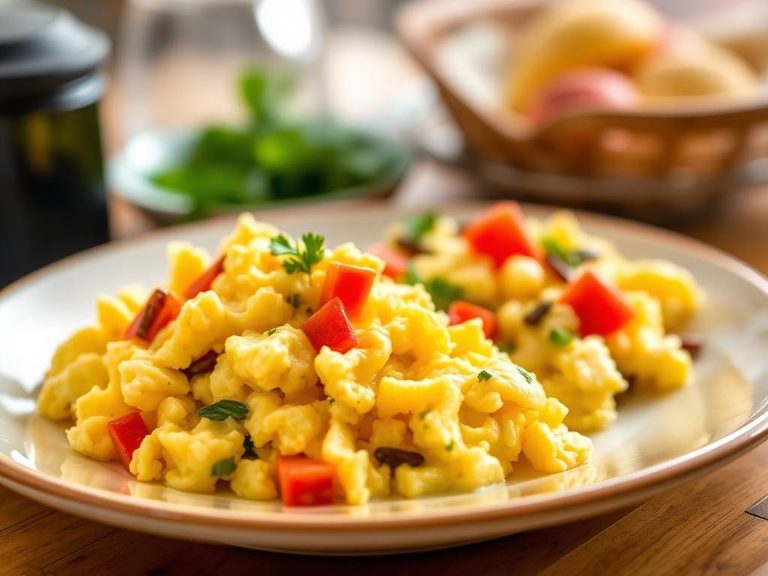
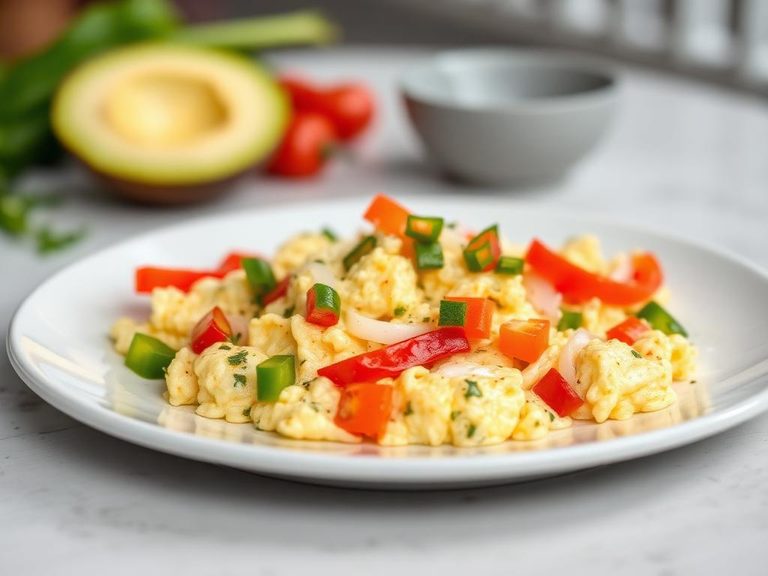
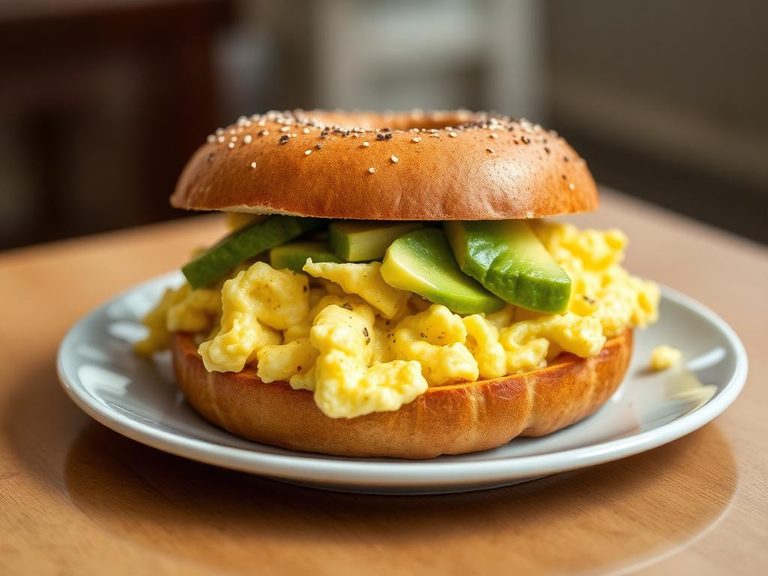
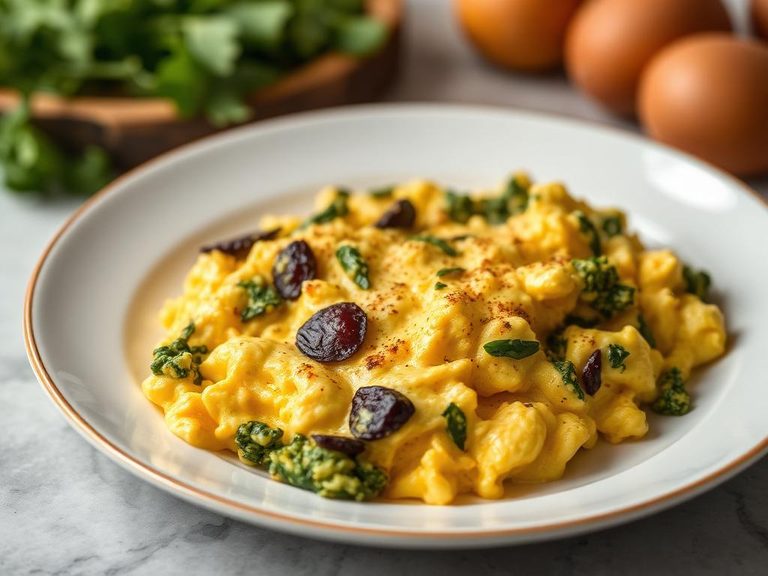
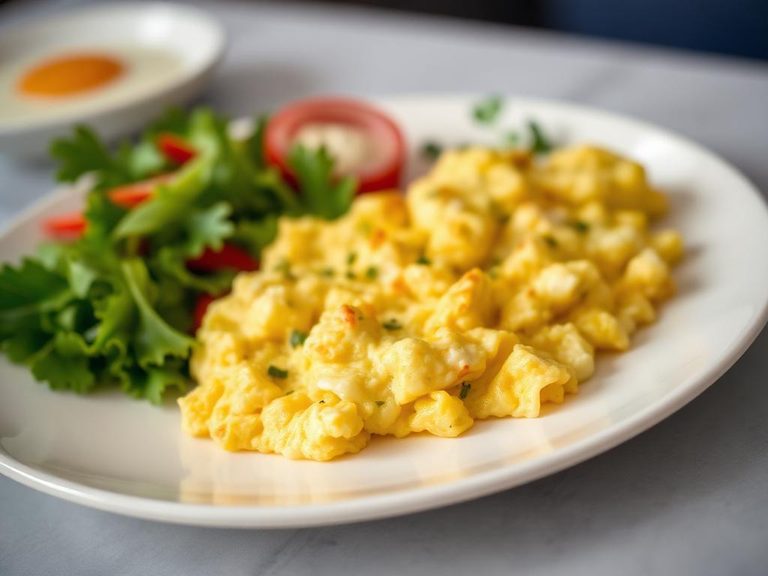
Fried eggs or scrambled eggs are simple, versatile egg dishes prepared by cooking beaten or whole eggs in a pan with oil or butter. They are a staple breakfast food found in countless variations across the globe, from a classic sunny-side up in the United States to a soft, creamy scramble in France. The basic ingredients are eggs, a cooking fat, and often a pinch of salt and pepper.
🍽️ Nutrition at a glance
This dish is high in protein and healthy fats, with virtually no carbohydrates. It is an excellent source of choline, vitamin D, and B vitamins like B12. A typical serving of two large eggs provides roughly 180-200 calories, depending on the amount of fat used for cooking.
Nutrition breakdown
| Calories | 143 kcal |
| Protein | 12.6 g |
| Carbs | 0.7 g |
| Fat | 9.5 g |
| Fiber | 0 g |
| Sugar | 0.4 g |
| Sodium | 142 mg |
| Vitamin A | 270 µg |
| Vitamin D | 2.2 µg |
| Vitamin B12 | 0.9 µg |
| Riboflavin (B2) | 0.45 mg |
| Folate | 47 µg |
| Choline | 294 mg |
| Selenium | 30 µg |
| Phosphorus | 198 mg |
Per 2 large eggs (100 g) · estimated, varies by recipe
💡 What's interesting
Culturally, eggs are a universal symbol of life and renewal, making them a common centerpiece for holiday breakfasts and festivals. Nutritionally, the yolk is a powerhouse of nutrients, and how you cook it (e.g., a runny yolk vs. fully set) can affect the bioavailability of certain vitamins.