

Thickened baby porridge
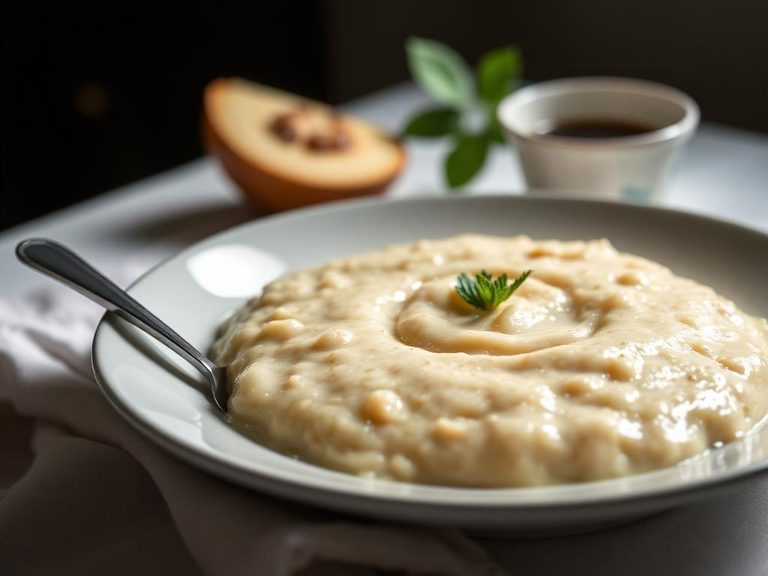
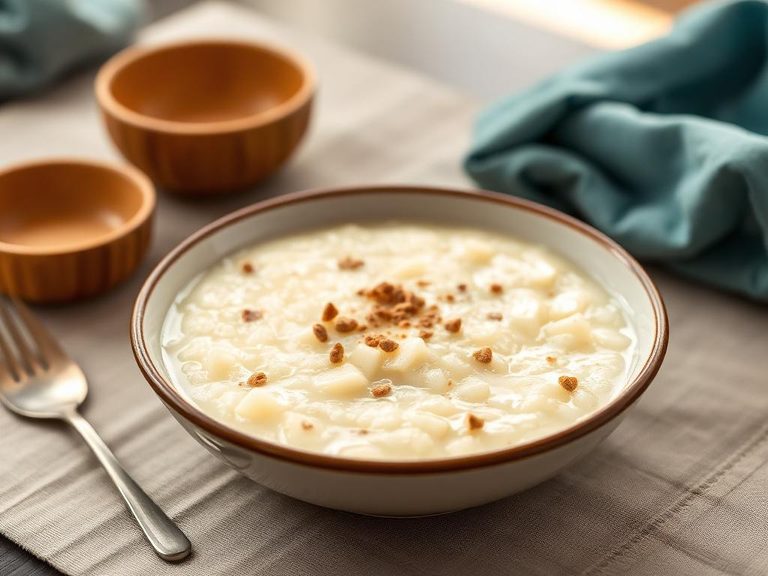
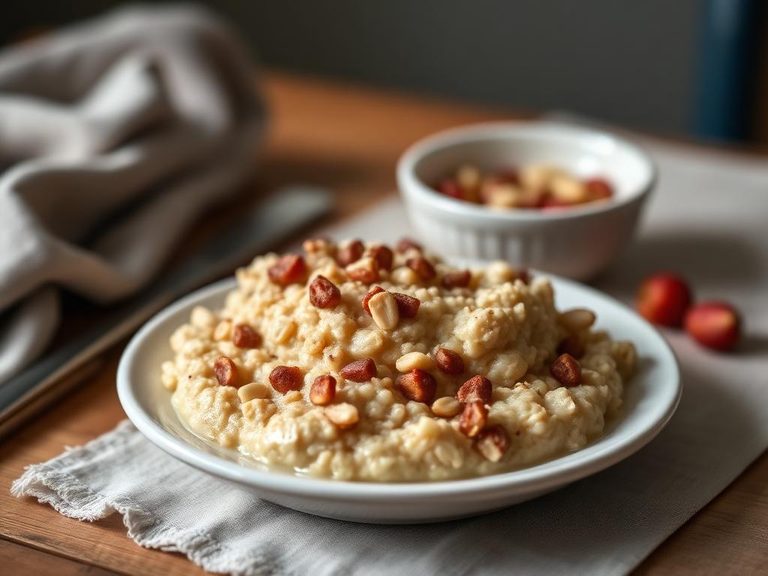
Thickened baby porridge, often called 'congee' or 'jook' in Chinese cuisine, is a smooth, comforting rice-based dish made by simmering rice with a high ratio of water or broth until it breaks down into a creamy, easily digestible texture. It typically includes mild, nutrient-rich additions like pureed vegetables, minced meat, or egg, and is a foundational first food for infants across East and Southeast Asia.
🍳 View the full Thickened baby porridge recipe →
🍽️ Nutrition at a glance
This dish is primarily a source of carbohydrates for energy, with modest protein from any added meat, egg, or tofu, and minimal fat unless oil or fatty broth is used. A typical 1-cup serving provides around 100-150 calories, along with key nutrients like iron (if fortified cereal or meat is added), B vitamins, and hydration.
Nutrition breakdown
| Calories | 80 kcal |
| Protein | 2.5 g |
| Carbs | 14 g |
| Fat | 1.5 g |
| Fiber | 1 g |
| Sugar | 2 g |
| Sodium | 15 mg |
| Iron | 1.8 mg |
| Calcium | 120 mg |
| Potassium | 100 mg |
| Phosphorus | 80 mg |
| Zinc | 1.0 mg |
| Vitamin B1 (Thiamin) | 0.15 mg |
| Vitamin B2 (Riboflavin) | 0.10 mg |
| Niacin (B3) | 1.5 mg |
Per 1 cup (240 g) · estimated, varies by recipe
💡 What's interesting
Culturally, thickened baby porridge is deeply tied to the practice of 'complementary feeding' in Asian traditions, where it's believed to gently 'train' an infant's digestive system. Nutritionally, its unique slow-cooked, gelatinous starch (from rice) is exceptionally gentle on the gut, making it a go-to during weaning or recovery from illness.
🍽️ Related dishes
AI estimate may be inaccurate · Terms