Thickened bottle for reflux management
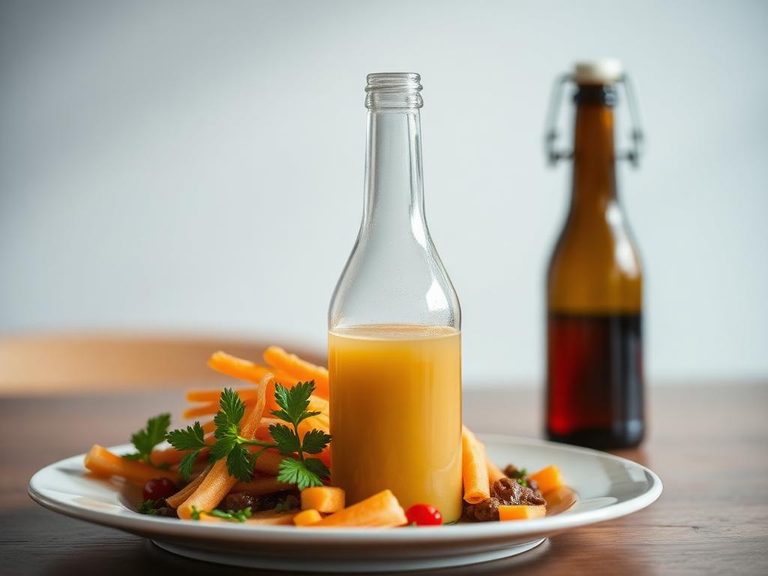
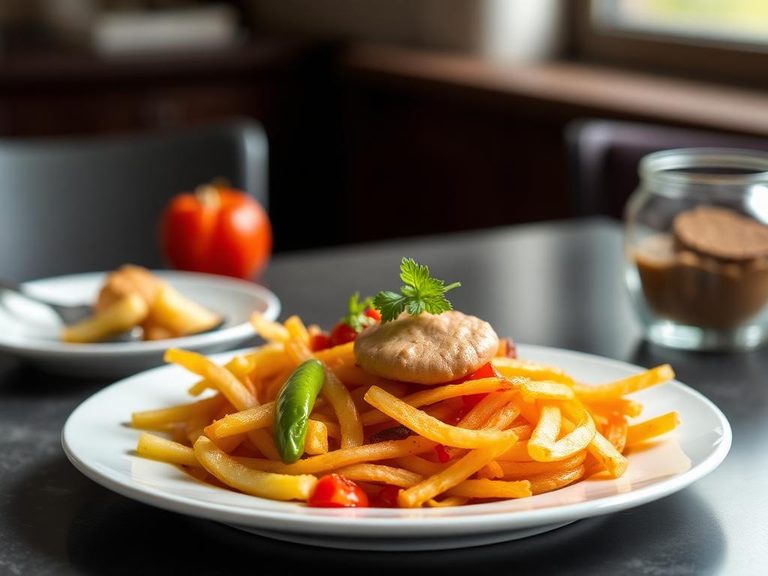
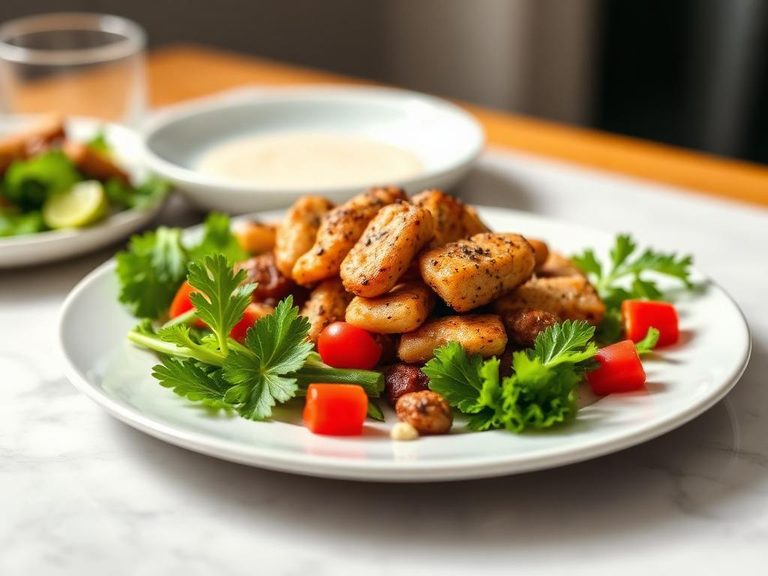
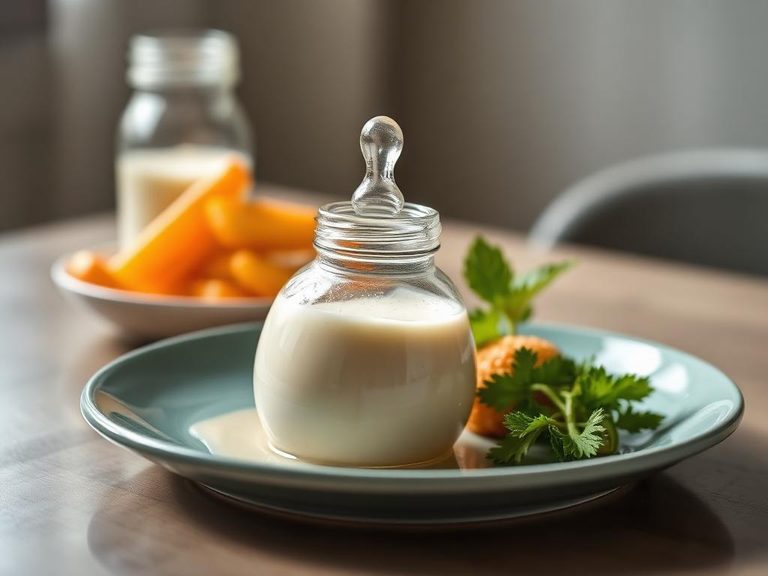
Thickened bottle gourd for reflux management is a comforting, home-style dish where bottle gourd (calabash) is cooked into a soft, thick consistency, often with mild seasonings like ginger or a touch of salt. It's a simple preparation popular in various Asian cuisines, particularly in Chinese and Indian households, valued for its gentle nature. The dish is typically made by simmering or stewing the gourd until it breaks down into a soothing, porridge-like texture.
🍽️ Nutrition at a glance
This dish is very low in calories, fat, and protein, making it primarily a source of carbohydrates from the gourd's natural sugars and fiber. It provides hydration, some vitamins like vitamin C, and minerals such as potassium, with a typical serving containing around 50-80 calories.
Nutrition breakdown
| Calories | 120 kcal |
| Protein | 2.5 g |
| Carbs | 28 g |
| Fat | 0.5 g |
| Fiber | 3.5 g |
| Sugar | 8 g |
| Sodium | 150 mg |
| Potassium | 350 mg |
| Vitamin A | 900 IU |
| Vitamin C | 15 mg |
| Calcium | 40 mg |
| Iron | 1.2 mg |
| Magnesium | 25 mg |
| Phosphorus | 45 mg |
| Manganese | 0.5 mg |
Per 1 cup (240 g) · estimated, varies by recipe
💡 What's interesting
Culturally, bottle gourd is often considered a 'cooling' food in traditional Chinese and Ayurvedic medicine, believed to help soothe the digestive system. Nutritionally, its high water content and soluble fiber are what give it the thick, gel-like consistency that can be physically comforting for those experiencing reflux.