Infant formula bottles
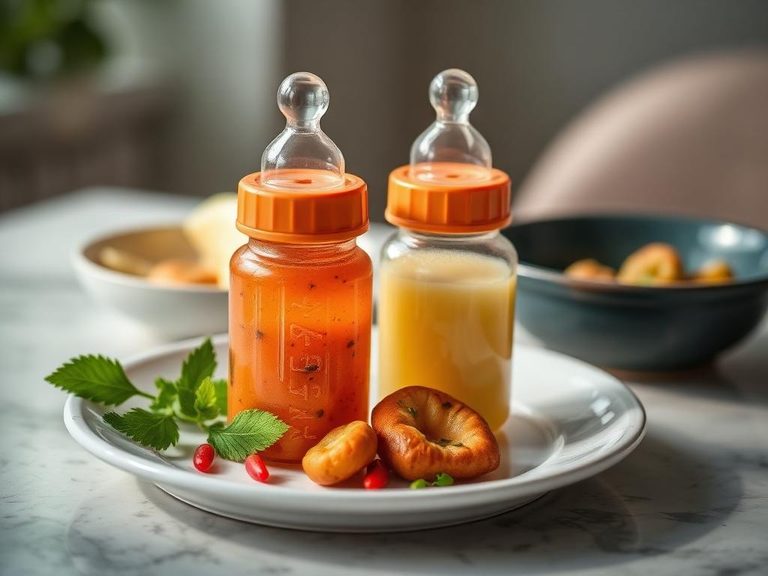
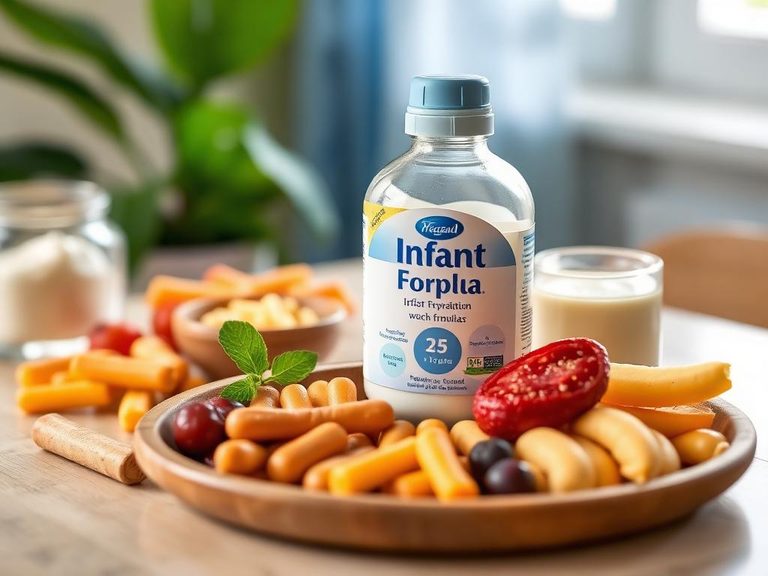
Infant formula bottles are a prepared, liquid nutritional product designed as a breast milk substitute for infants. They typically contain a blend of cow's milk or soy-based ingredients, vegetable oils, and added vitamins and minerals. This modern convenience item is a staple in households worldwide, originating from the development of commercial infant formula in the 19th and 20th centuries.
🍽️ Nutrition at a glance
This is a balanced, high-calorie liquid designed for growth, providing a mix of carbohydrates, fats, and proteins. Key nutrients include calcium, iron, and essential vitamins like A and D, with a typical 240ml serving containing around 130-150 kcal.
Nutrition breakdown
| Calories | 140 kcal |
| Protein | 3.4 g |
| Carbs | 14 g |
| Fat | 7.5 g |
| Fiber | 0 g |
| Sugar | 14 g |
| Sodium | 60 mg |
| Calcium | 130 mg |
| Iron | 1.8 mg |
| Vitamin A | 80 mcg |
| Vitamin D | 1.0 mcg |
| Vitamin C | 12 mg |
| Potassium | 180 mg |
| Phosphorus | 90 mg |
| Zinc | 0.75 mg |
Per 1 bottle (240 ml) · estimated, varies by recipe
💡 What's interesting
Nutritionally, its composition is meticulously engineered to mimic the macronutrient profile and bioavailability of human breast milk. Culturally, its widespread use has transformed infant feeding practices and enabled greater flexibility for caregivers, becoming a multi-billion dollar global industry.